Gucci built a persistent town inside of Roblox
Gucci is making its presence inside of Roblox a little more permanent. The fashion brand previously collaborated with the virtual world for more short-lived experiences, like the surreal Gucci Garden from last year, and is now releasing a more persistent space called Gucci Town. The space features a central garden that links together various areas, including a space for mini-games, a cafe, and a virtual store where players can, of course, purchase virtual Gucci gear for their Robloxavatar. (The company says the virtual outfits make use of Roblox’s new “layered clothing” tech.)
Gucci says that more than 20 million players visited the garden last year, despite it only being available for two weeks, and it expects the new space to steadily evolve over time. ...
See the full story here: https://www.theverge.com/2022/5/27/23143404/gucci-town-roblox

World’s First A.I. Crossword Game Introduced By Guinness World Records Puzzle Master
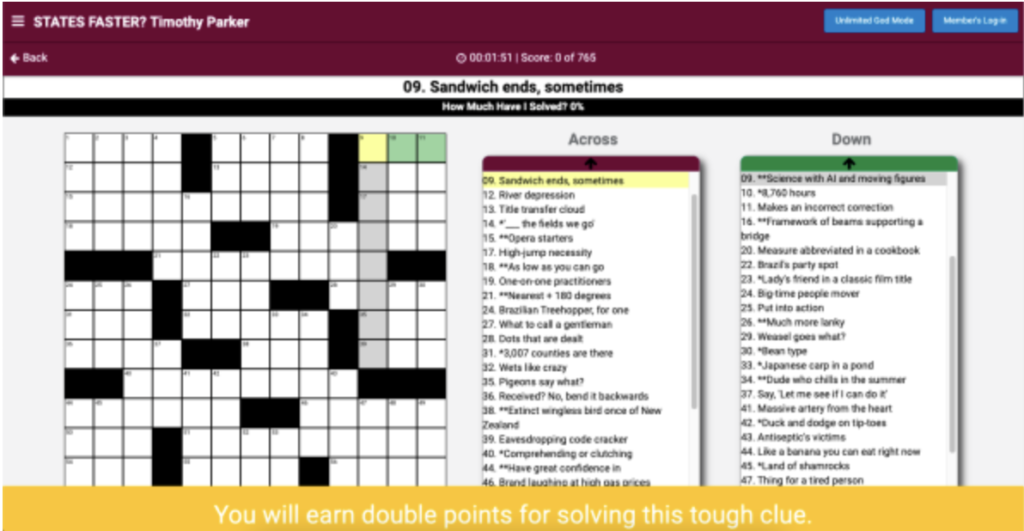
The Guinness World Records Puzzle Master has recently launched the world’s first A.I.-powered crossword game that is uniquely designed to solve up to 50% of the puzzle for solvers while learning their solving habits to help them eventually reach Grand Master Solver status. The more you play, the faster you improve.
Simply titled “A.I. Crossword,” the innovative puzzle introduces several never-played-before crossword-solving experiences among daily crossword offerings. Among them is in-game commentary while a player solves the crossword, a reward of “stunnable” facts, and clever comedic video analysis of one’s performance.
Midjourney founder says ‘the world needs more imagination’
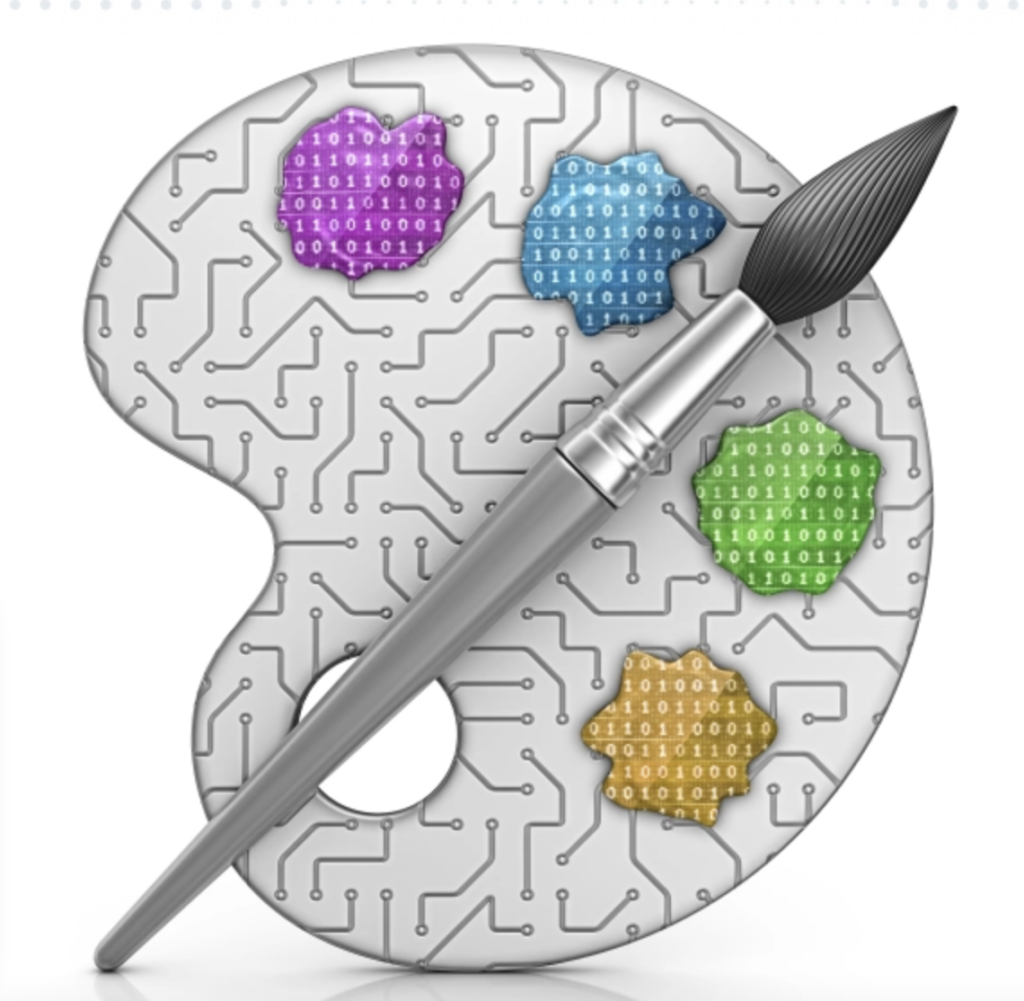
... David Holz’s version of this technology, known as Midjourney, quickly rose to prominence, and everyone who got their hands on this text-to-image generatorwas thoroughly impressed. Most recently, the Colorado State Fair’s annual art competition awarded its blue ribbon to emerging digital artists to Jason M. Allen, who had used Midjourney to create an artwork called “Théâtre D’opéra Spatial.” ...
... 1. Could Midjourney replace human designers? ...
“It’s kind of like the moment humans invented cars. Just because cars can go faster than humans, doesn’t mean we cut our legs off. You are going to use cars to get someplace faster. It’s basically augmenting our speed,” he said.
2. Does it plagiarize or violate content policies? ...
Holz claims that the AI engine is designed to only “take inspiration” from the data and ensure that the output is entirely novel, that is, unlike any image that’s publicly available. Oddly enough, Holz claims to have received multiple requests from artists to double down on Midjourney’s ability to take inspiration from their own work as well as others. ...
3. Will it produce results that demonstrate gender biases, reinforce racial stereotypes — or contain anything explicit? ...
As Midjourney is intended to be open by default, it has strict policies on ensuring that content is PG-13. It automatically blocks text inputs that are inherently disrespectful, aggressive, abusive or sexual, Holz confirmed Most importantly, the rules are enforced for all content, including interactions in private mode. ...
“I feel like there are people in technology who basically act like we have no past, and there’s a lot of people in the world in fear of not having a future. But I feel like the truth is we’re actually very much mid-journey,” Holz said. ...
See the full story here: https://venturebeat.com/ai/midjourney-founder-says-the-world-needs-more-imagination/
The National Building Museum’s Augmented Reality Exhibit Exploring Notre-Dame de Paris Extended to October 9
... The exhibition at the Building Museum begins with the 2019 fire, then takes a trip backward through time to 1163, when the cathedral’s construction began. Or, more precisely, the exhibition begins with visitors being handed a device for virtual time travel called a “HistoPad,” a digital tablet developed by Histovery, which displays augmented reality (AR) recreations of the site of Notre-Dame, replete with 360-degree rotational capabilities and touch-activated historical notations and video animations. 
Notre-Dame's western rose window. Photo © Gigascope
Standing in front of large-scale, high-resolution photographs of the building displayed on 10-foot-high vertical panels, visitors use the tablets to scan each of 21 stops, demarcated by HistoPad-specific images (most akin to a circular QR code), along the way of their AR time-travel experience; these populate the devices with facts and information about the image shown, with options to learn more about builders and craftspeople, construction techniques, and various events through videos and animations that span the cathedral’s nine centuries of use. Interspersed with these images, along a circulation path lined in vinyl recreations of the cathedral’s tile floor, are smaller architectural models and life-sized replicas of Notre-Dame’s statuary, including an imposing gargoyle guarding a room housing an enlarged detail of Jacques-Louis David’s 1807 painting, The Coronation of Napoleon—one of the many historic events to take place within the cathedral. The exhibition’s final room focuses on reconstruction following the 2019 fire, including views of rebuilding efforts as of last year. ...
See the full story here: https://www.architecturalrecord.com/articles/15621-the-national-building-museums-augmented-reality-exhibit-exploring-notre-dame-de-paris-extended-to-october-9
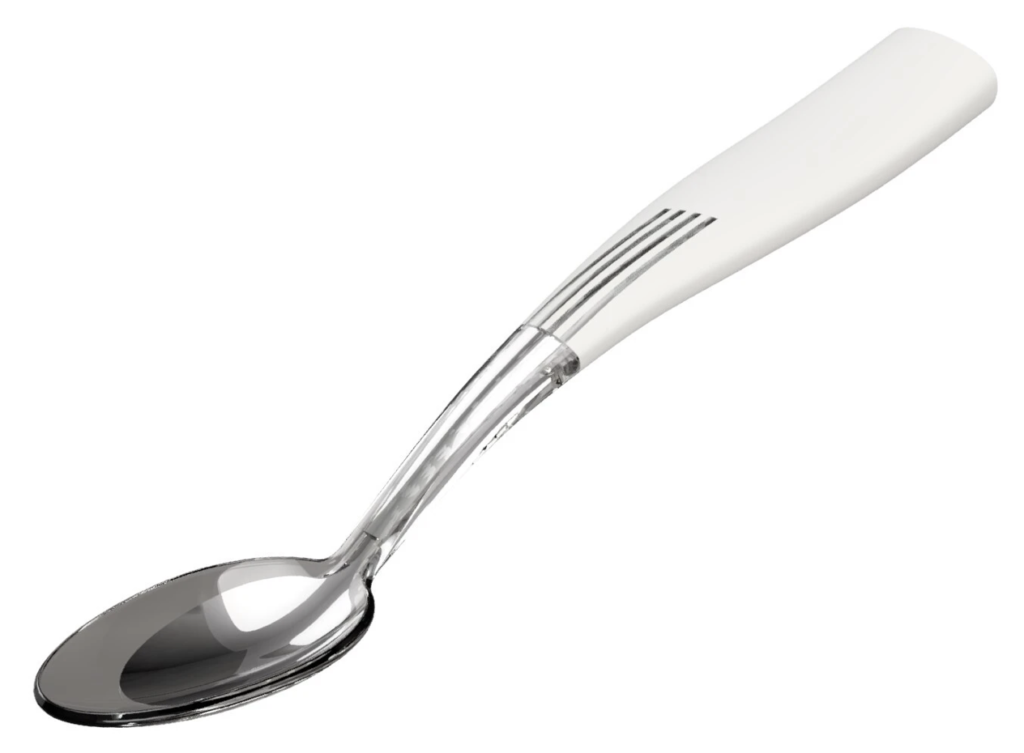
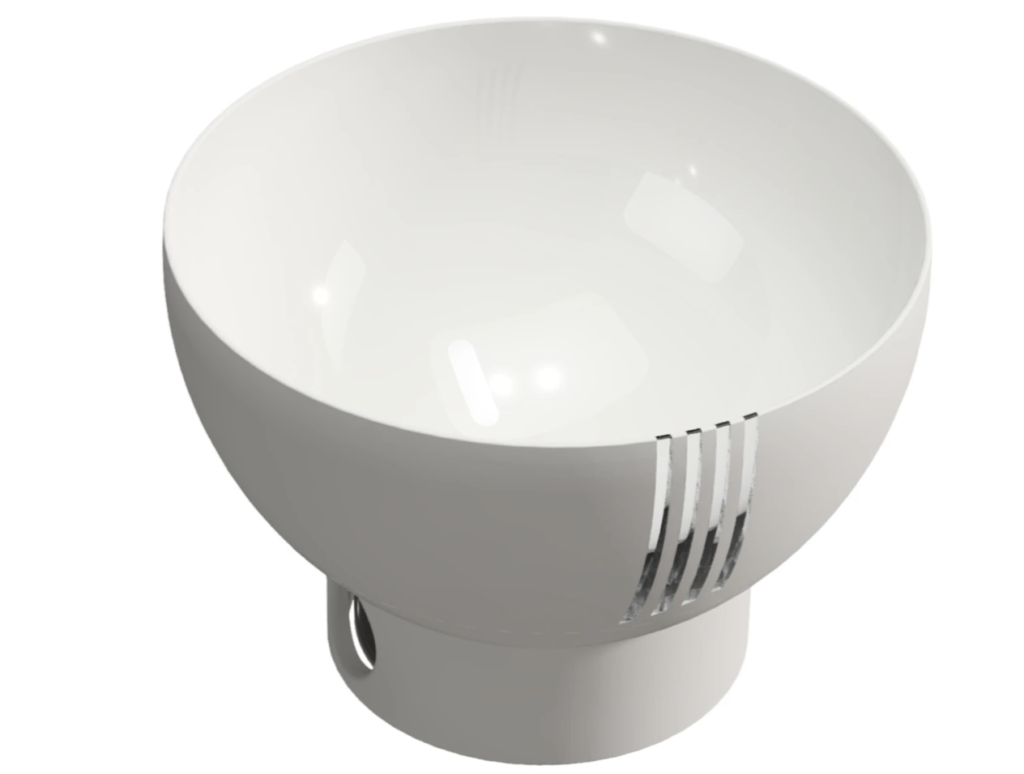
Spoons and bowls that use electricity to make food taste saltier to go on sale in 2023
... This new tableware uses a simple, mild electrical current to enhance the salty flavors of food. This works by passing a specific wavelength of electricity from the surface of the utensil to the food which keys into the ions such as sodium chloride that trigger our sense of saltiness. In doing so these ions all get bunched together when they touch your tongue, for a heightened salty taste without actually adding any more salt. ...
See the full story here: https://soranews24.com/2022/09/12/spoons-and-bowls-that-use-electricity-to-make-food-taste-saltier-to-go-on-sale-in-2023/