SingularityNET Goes Multi-Chain with Cardano Collaboration
SingularityNET recently announced that the company has started collaborating with IOHK, which is run by the founder of Cardano, Charles Hoskinson. The big undertaking of the collaboration, as of right now, is to port a portion of SingularityNET’s AI platform onto the Cardano blockchain.

SingularityNET is a full-stack AI solution, with a major focus on decentralization. According to the company, “SingularityNET lets anyone create, share, and monetize AI services at scale,” and it is considered the first decentralized AI network.
This decentralized AI network is currently on the Ethereum blockchain, and according to the company, the move is largely driven by issues surrounding speed and cost. There are also concerns regarding the rollout of Ethereum 2.0, which has yet to be laid out clearly.
See the full story here: https://www.unite.ai/singularitynet-goes-multi-chain-with-cardano-collaboration/https://www.unite.ai/singularitynet-goes-multi-chain-with-cardano-collaboration/
Rendever announces EnvisionHome platform offering Virtual Reality tours of senior care communities during COVID-19
Staff are equipped with a touchscreen tablet and a set of VR headsets – all of which are networked together so the staff member is in full control of the tour. Rendever’s platform also allows staff to see where family members or patients are looking in real time in order to tailor discussions toward features they find most interesting, according to the company.
“When a hospice patient has uncontrolled pain and symptoms, they can often benefit from a stay in one of our care centers. But without knowing what the environment looks like or feels like, it can be a difficult decision for loved ones. Coronavirus has added a layer of complexity and stress because families are not currently able to visit these centers themselves,” said Empath Health CEO Rafael Sciullo.
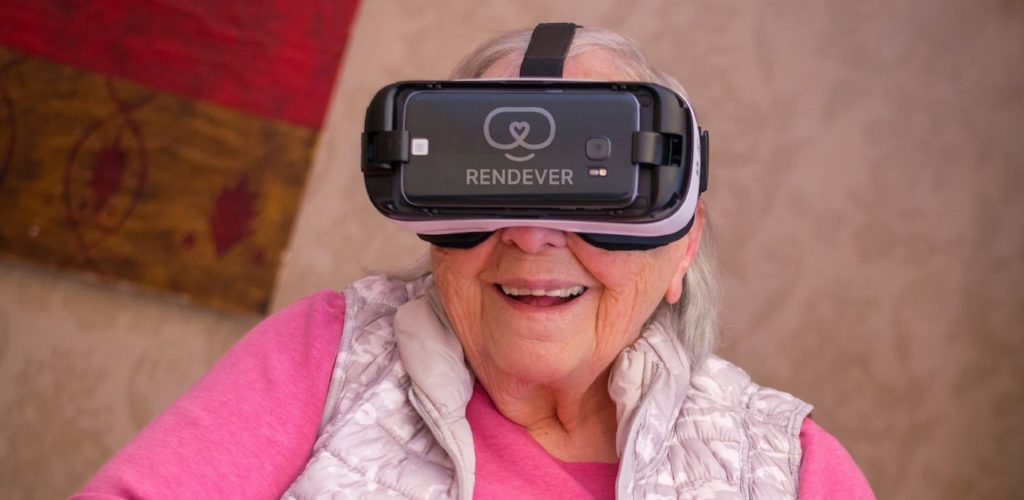
He continued, “To proactively combat this, we’ve adopted the EnvisionHome platform and are already hearing feedback that the personalized, immersive tour experience provides increased confidence and credibility. Trust and comfort are so important in choosing hospice care, so there’s no question that this technology is a smart investment for our team.”
See the full story here: https://www.auganix.org/rendever-announces-envisionhome-platform-offering-virtual-reality-tours-of-senior-care-communities-during-covid-19/
D-Wave launches its 5,000+ qubit Advantage system
D-Wave today announced the launch of its new Advantage quantum computers. These new systems, with over 5,000 qubits and 15-way qubit connectivity, are now available in the company’s Leap cloud computing platform.
See the full story here: https://techcrunch.com/2020/09/29/d-wave-launches-its-5000-qubit-advantage-system/
Seattle startup HaptX lands grant to build full-body ‘robotic exoskeleton’ for virtual reality
HaptX just landed funding from the National Science Foundation to create a full-body haptic system.
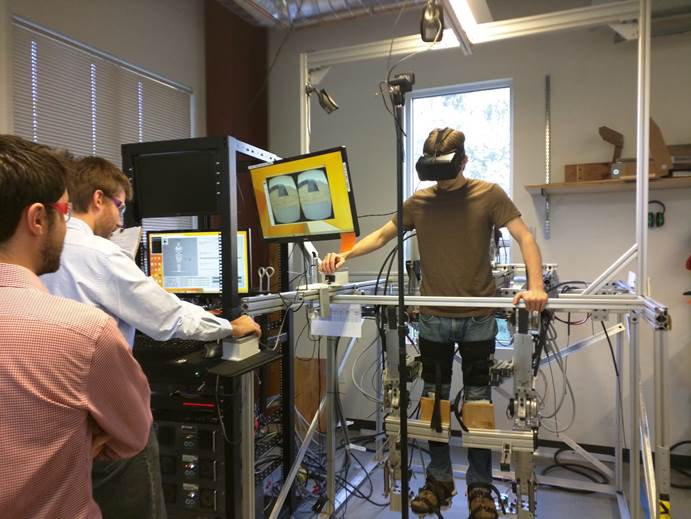 The 8-year-old Seattle startup received a $1.5 million grant and will work with Virginia Tech and the University of Florida on a 4-year project called ForceBot. The system combines HaptX’s microfluidic touch feedback technology with a “robotic exoskeleton.” The idea is to let people feel and touch in a virtual environment, or manipulate objects from afar with a robotic avatar.
“We have always had a larger vision to create a full-body haptic system, something akin to the Holodeck, an environment simulator that can deliver realistic feedback to your arms and legs as well as your eyes, ears and hands,” said Joe Michaels, chief revenue officer at HaptX.
See the full story here: https://www.geekwire.com/2020/seattle-startup-haptx-lands-grant-build-full-body-robotic-exoskeleton-virtual-reality/
Review: ‘Miranda’ Poses a Musical Mystery in Virtual Reality
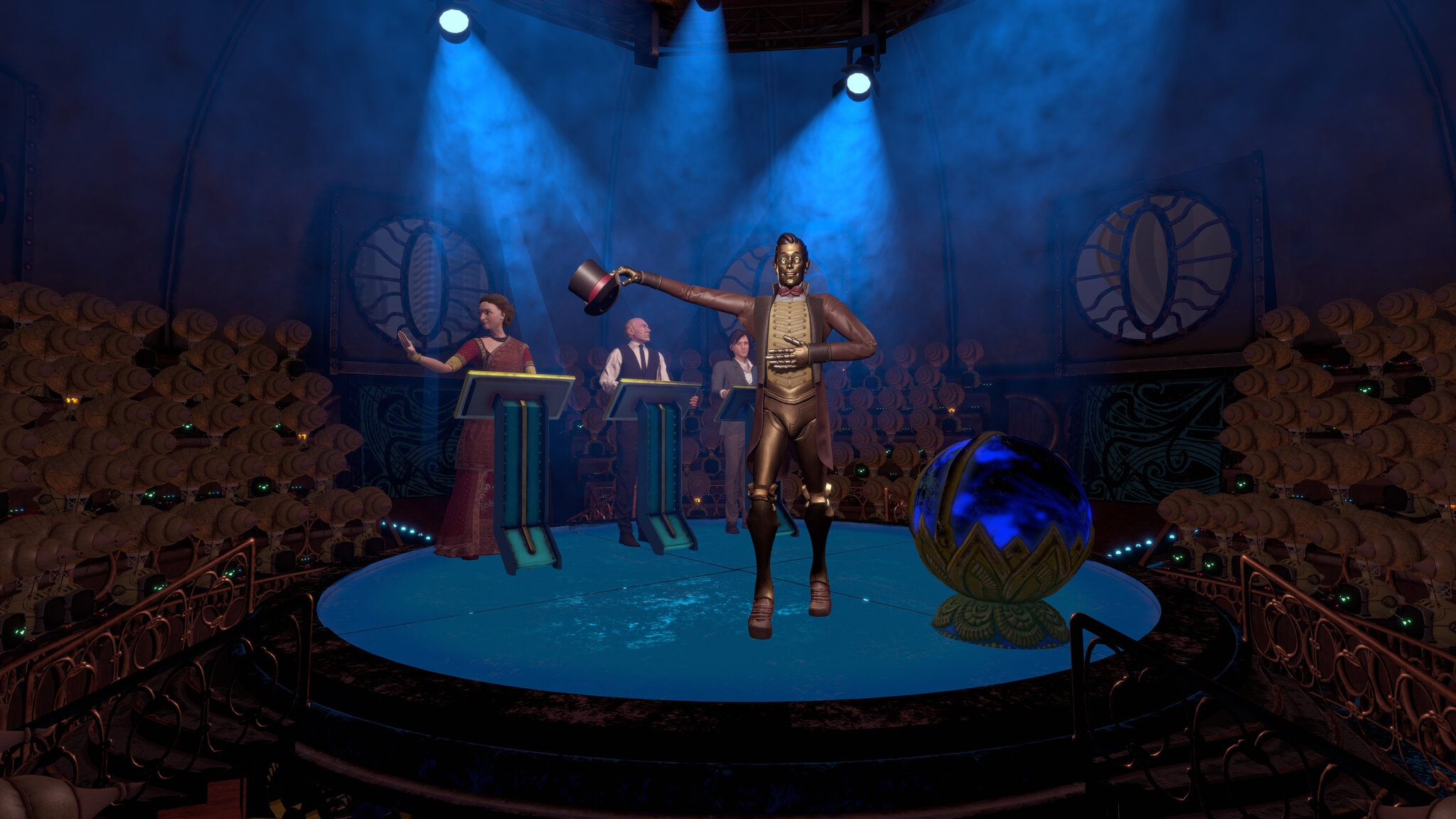 Plugging in, strapping in and booting up like Neo entering the Matrix, I used a loaner Oculus device and a gaming laptop for the 25-minute-long experience, presented by Tri-Cities Opera, LUMA Projection Arts Festival, Enhance VR and Opera Omaha.
First presented live in 2012 by the Here Arts Center in Manhattan, “Miranda,” with music by Kamala Sankaram and a libretto co-written with Rob Reese, hosts you as a juror in this virtual world. A diet-pill heiress named Miranda Wright has been murdered, so explains a robot called D.A.V.E. in a forum that’s both a court of law and reality show. We’re meant to figure out who’s guilty: her mother, father or fiancé?
All this while the characters sing (the actors perform together live via avatars, using motion-capture technology), accompanied by musicians.
“Miranda,” which ran for nine free performances, was viewable any of three ways: full VR; interactive desktop edition; and live on YouTube (where it is still available). But it made little sense except in VR.
See the full story here: https://www.nytimes.com/2020/09/29/theater/review-miranda-virtual-reality.html
Artificial intelligence expert Zhu Songchun to return to China from US
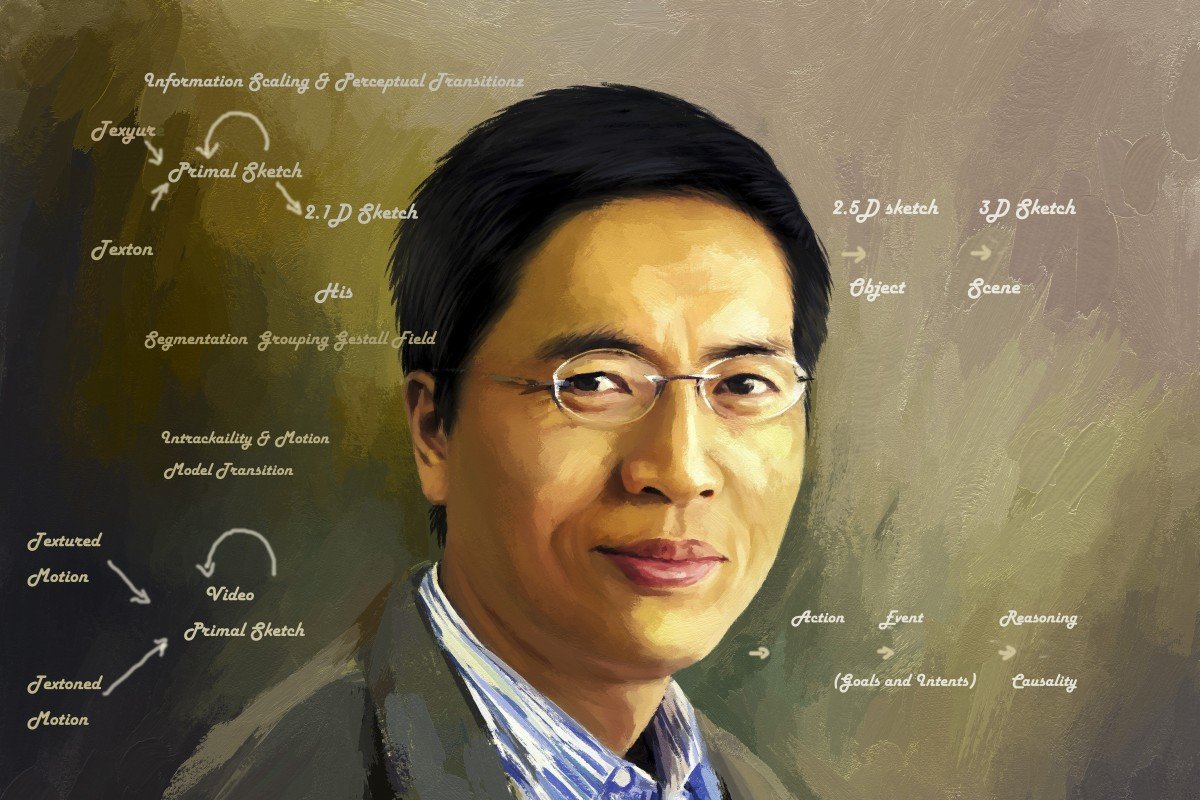 Professor Zhu Songchun, an award-winning expert in computer vision at the University of California at Los Angeles, has joined Peking University to lead its Institute for Artificial Intelligence, the university said in a statement last Friday.
The university said it was working with Beijing city and the central government to set up a new and separate AI research institute in collaboration with other leading Chinese universities. Zhu will be involved in the setting up of the Beijing Institute for General Artificial Intelligence, but the statement did not give further details.
Born in 1968 in Ezhou, Hubei province, Zhu obtained his PhD at Harvard University in 1996 after graduating from the University of Science and Technology of China in Anhui province. He joined UCLA in 2002 after a brief stint at Stanford and Ohio State universities.
Zhu and his researchers looked at “explainable AI” that allow robots to explain their behaviour effectively when performing complex tasks and earn people’s trust.
But as the technological war between the US and China unfolded, Washington heightened its scrutiny of Chinese researchers and stepped up its visa controls, casting a shadow on global flow of AI talent into the US, the MarcoPolo study concluded.
See the full story here: https://www.scmp.com/news/china/science/article/3103543/artificial-intelligence-expert-zhu-songchun-return-china-us
Captivating Short ‘Agence’ Is About Playing God With AI
Venice VR Expanded 2020 had a superb selection of immersive content from 360-degree films to interactive experiences.
 Created by Transitional Forms and the National Film Board of Canada (NFB), Agence is described as a ‘dynamic film’, one where there are endless possibilities all depending on whether the viewer decides to take part. That description is entirely apt as Agence is both film and videogame, yet at the same time neither of those two. For a piece of content that’s only around five minutes in length you’ll find yourself inside this simulation for far longer just to see what happens.
But your presence changes things – and can continually change them – as you can alter not only their environment but also their minds. That’s because Transitional Forms gives you the option to swap the Agents AI.
The development team has trained the five brains with positive and negative rewards millions of times, adding layers to slowly make them smarter.
Virtual beings have appeared in VR before but Agence is the first to offer an infinite array of reactions to your involvement which will only keep changing.
See the full story here: https://www.vrfocus.com/2020/09/captivating-short-agence-is-about-playing-god-with-ai/
Pimax states orders of its 8K X Virtual Reality headset will successfully ship by end of September
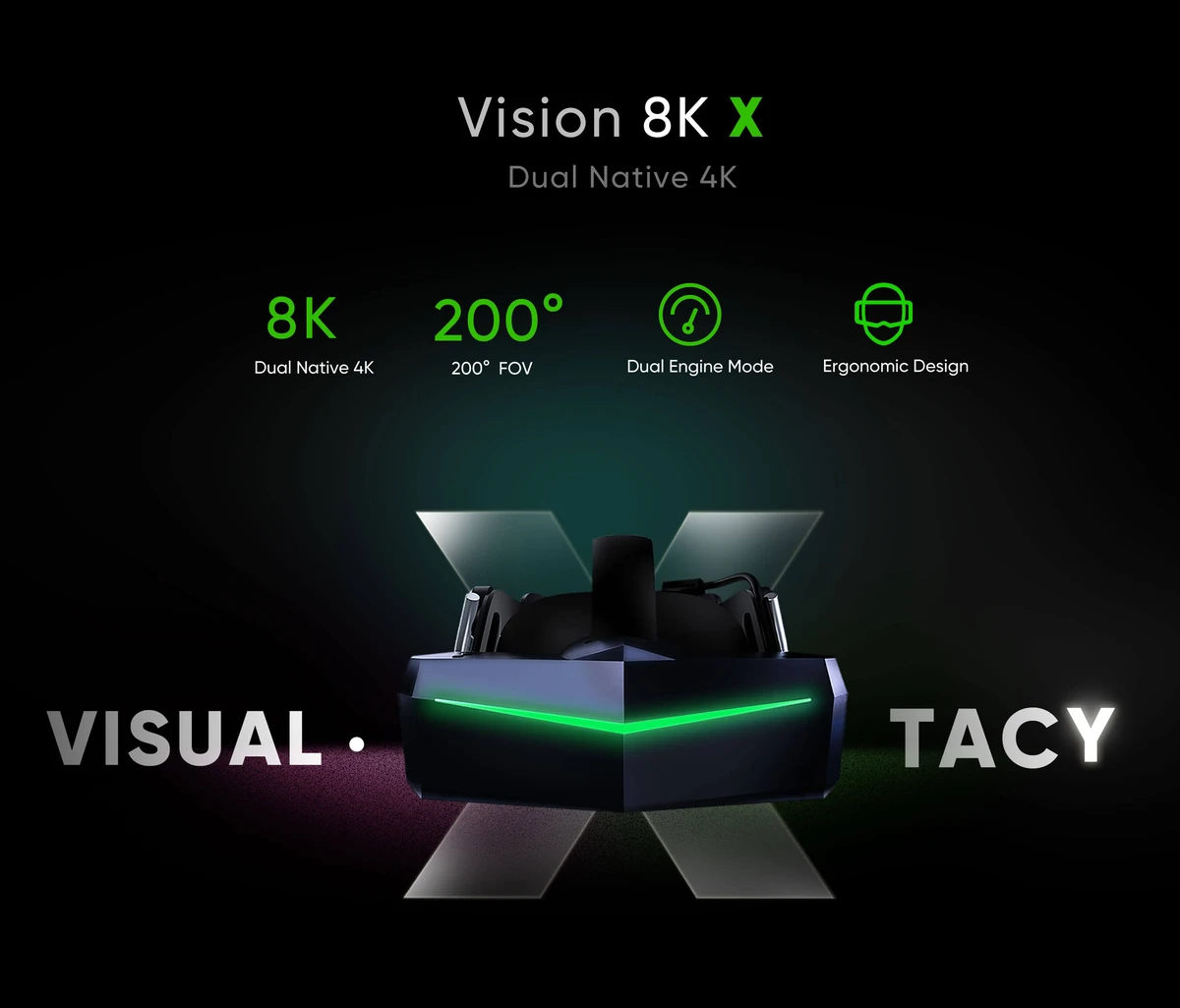 In a blog post, the company stated that its daily 8K X headset shipments have continued to hit 80-100 headsets per day, with logistics operations at the company being “much more efficient and running smoothly.” As of September 25, only 352 headset shipments remained (this includes backers, upgrades and pre-orders), according to the company.
This means that there are now thousands of new 8K X users enjoying the company’s new flagship VR headset.
See the full story here: https://www.auganix.org/pimax-states-orders-of-its-8k-x-virtual-reality-headset-will-successfully-ship-by-end-of-september/
You Can Go Back to the Office—You Just Need a Virtual-Reality Headset
Meeting up with holographic versions of distant colleagues is a great change from flat, boring video calls
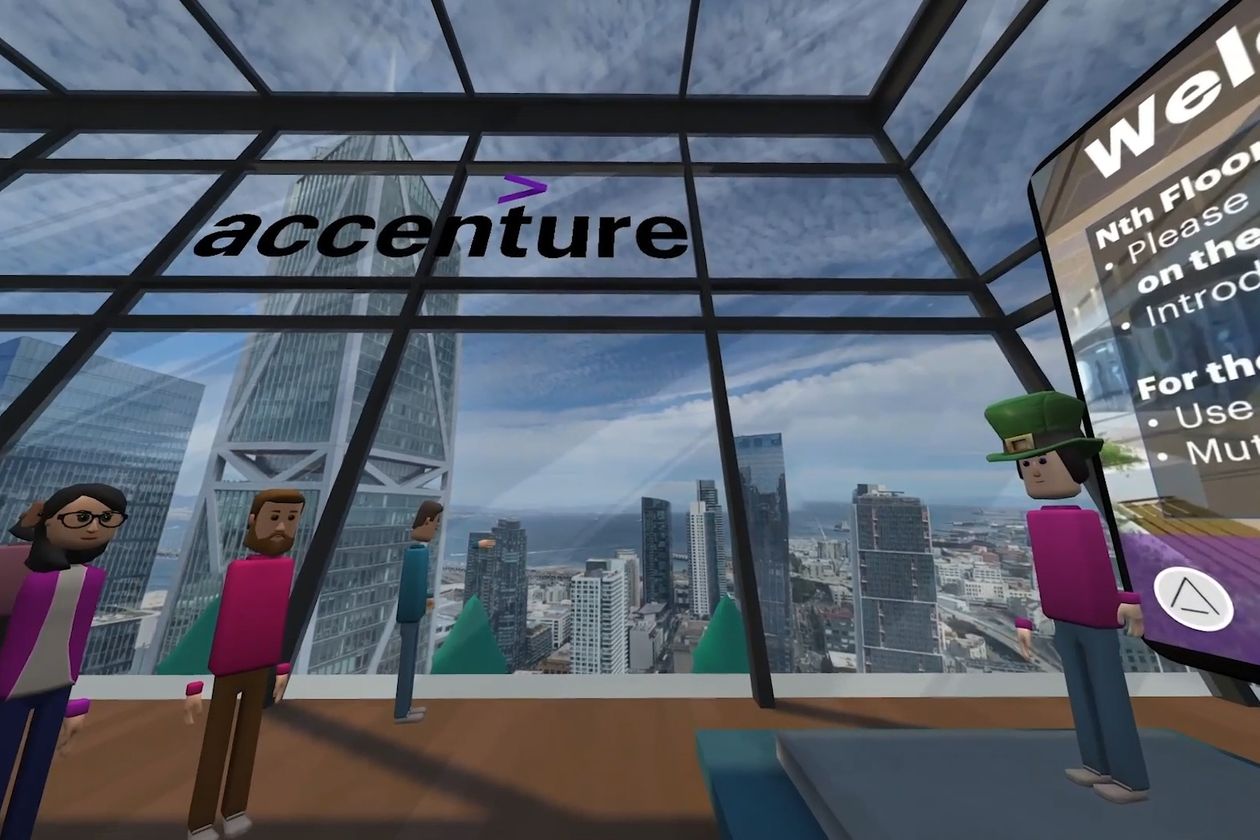 When it became clear we weren’t returning to the office soon, I began spending more time in three VR meetings and social platforms: Spatial, Mozilla Hubs and Microsoft-owned AltspaceVR. Think Zoom but with holograms and real virtual backgrounds. Instead of 2-D video, you turn into a 3-D avatar and interact with others, who see virtual you but hear real you.
See the full story here: https://www.wsj.com/articles/you-can-go-back-to-the-officeyou-just-need-a-virtual-reality-headset-11601290813