Dudamel Heads Up A Virtual Reality Orchestra Project
 Symphony offers a sort of museum-like, planetarium experience: the project is touring in two connected mobile cinema spaces. The first room screens a film, no virtual reality yet, about the lives of three young musicians. For the second building, visitors don 3D headsets and are zoomed center stage to the Gran Teatre del Liceu; they sit among the orchestra as Dudamel leads excerpts from Mahler, Beethoven’s Fifth Symphony, and the “Mambo” from West Side Story. The full thing lasts about half an hour.
For their part, Dudamel and the musicians finished recording in August 2019. The complete experience premiered last week, in a setup outside Barcelona’s CosmoCaixa museum, factoring in new coronavirus health guidelines. The show stays in Barcelona until Oct. 8, then moves on to more cities in Spain and Portugal for what’s scheduled to be a 10-year tour.
See the full story here: https://www.sfcv.org/music-news/dudamel-heads-up-a-virtual-reality-orchestra-project
Facebook Acquires Varifocal Startup Lemnis Technologies
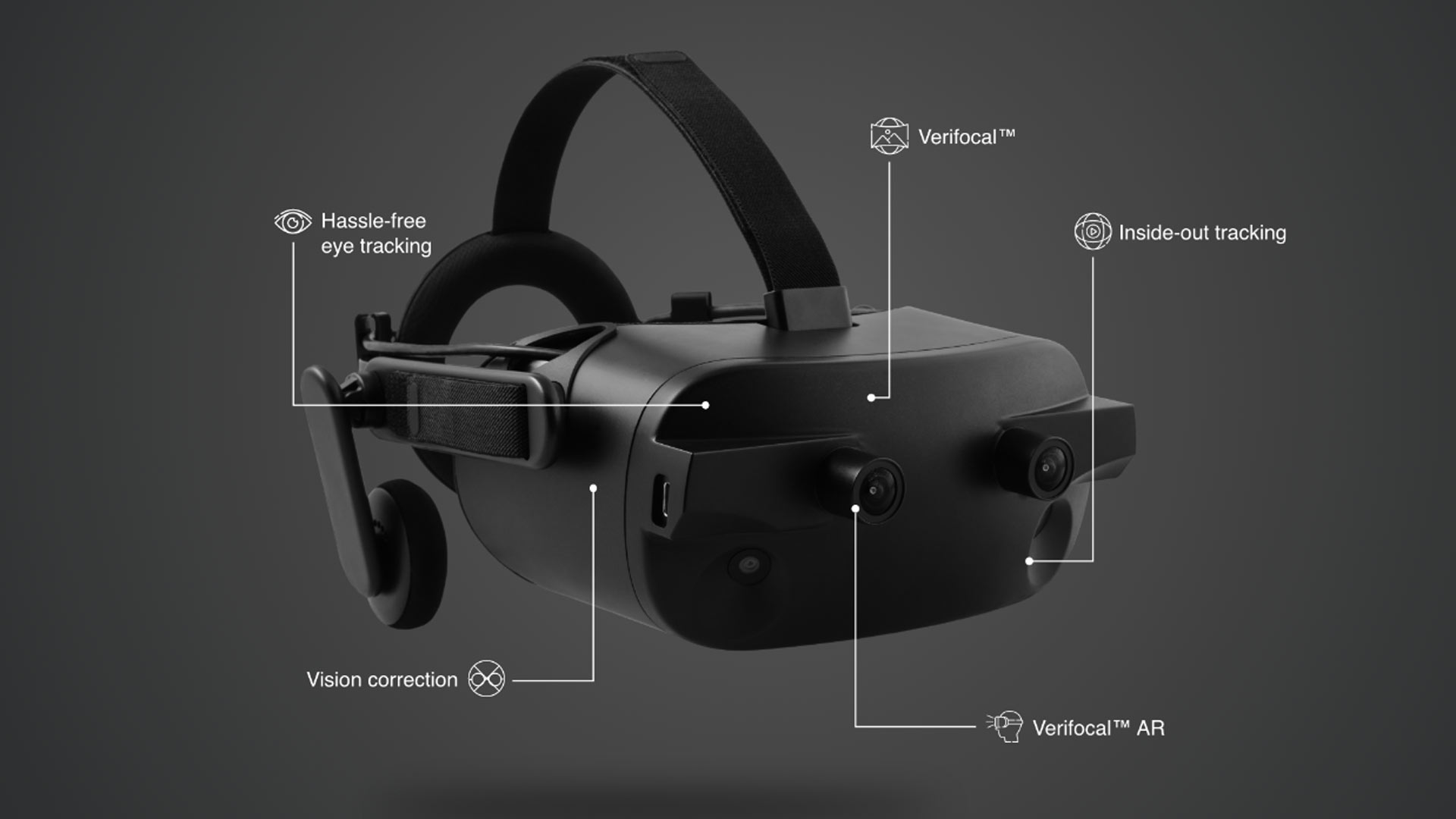 It’s come to light that Lemnis Technologies, a startup creating varifocal optics for use in VR headsets, has reportedly been absorbed by Facebook in an ‘acqui-hiring’ move.
Solving a VR Problem
Starting in 2016 and later incorporated in 2017 in Singapore, the company set out to solve a problem that’s plagued VR since its inception: the vergence-accommodation conflict.
Suffice it to say that future VR headsets will likely incorporate some form of varifocal technology (and requisite eye-tracking) in effort to solve this and therefore make VR more realistic and comfortable for long-term use. Facebook has been working on this issue since at least 2018 when the company unveiled its own varifocal prototype headsetat Facebook’s annual developer conference.
Banksy loses trademark battle over his famous Flower Thrower image
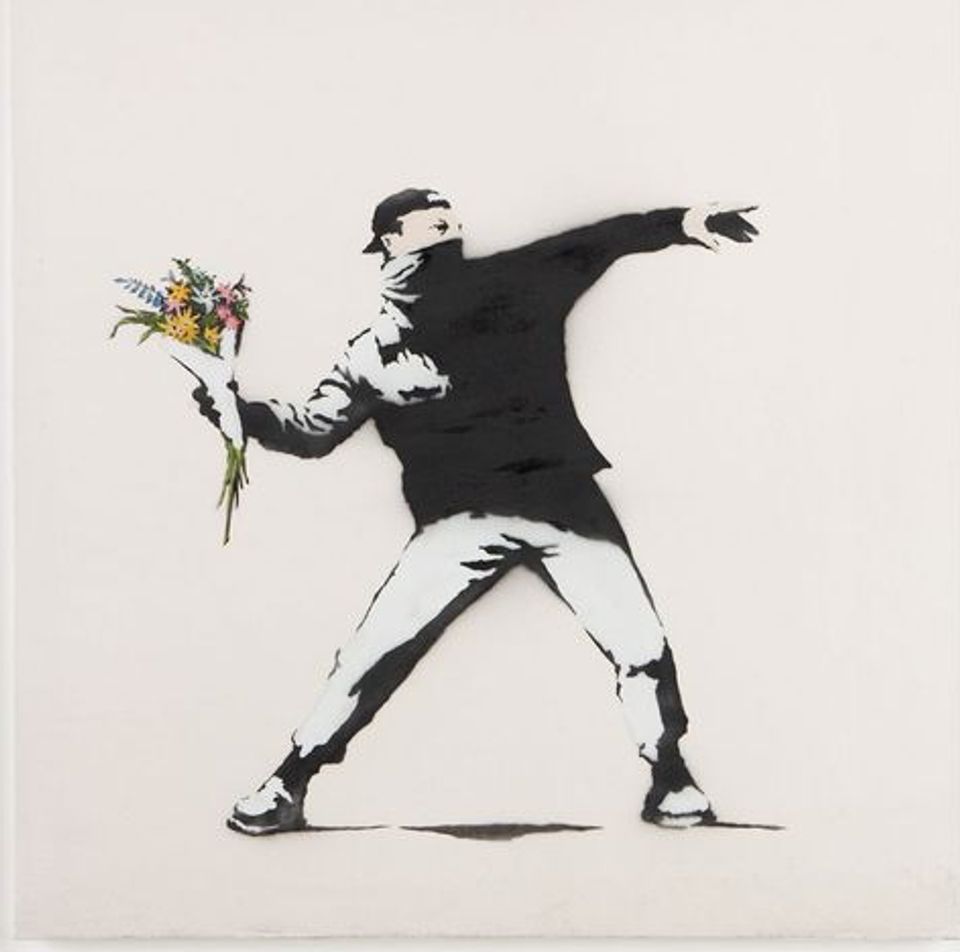 Though only considering whether to apply Banksy's trademark, which covers brands and slogans, the panel also said any future attempt to exert copyright could be problematic as the artist maintains complete anonymity. They said: “Banksy has chosen to remain anonymous and for the most part to paint graffiti on other people’s property without their permission rather than to paint it on canvases or his own property.” If he cannot be identified as the “unquestionable owner of such works”, as his identity is a secret, the panel noted, “it further cannot be established without question that the artist holds any copyrights to a graffiti”.
As Banksy so succinctly put it: “copyright is for losers”. The artist also encouraged others to download his works for “amusement and activism”, but not for profit, ...
Banksy could not be reached for comment.
See the full story here: https://www.theartnewspaper.com/news/banksy-loses-flower-thrower-trademark-case-calling-his-anonymity-into-question
Osso VR raises $14 million to bring virtual reality to surgical and medical device training

3D render, visualization of a man holding virtual reality glasses, electronic device, head surrounded by virtual data with neon green grid. Player one ready for the VR game. Virtual experience.
As remote work becomes the order of the day in the COVID-19 era, any tool that can bring training and education services to folks across industries is gaining a huge amount of investor interest — and that includes healthcare.
The money came from a clutch of investors led by the investment arm of Kaiser Permanente, a healthcare giant whose network of managed care facilities and services spans the country.
Osso has seen its adoption skyrocket during the pandemic as medical device manufacturers and healthcare networks turn to training tools that don’t require a technician to be physically present.
According to company founder Dr. Justin Barad, the market for medical device education services alone is currently around $3 billion to $5 billion and growing rapidly.
Osso VR currently has around 30 customers, 12 of which are in the medical device space. The company uses Oculus Quest headsets and is deployed in 20 teaching hospitals across 20 different countries. In a recent validation study, surgeons training with Osso VR showed a 230% improvement in overall surgical performance, the company said in a statement.
See the full story here: https://techcrunch.com/2020/09/21/osso-vr-raises-14-million-to-bring-virtual-reality-to-surgical-and-medical-device-training/
“The Reasonable Robot” Looks At The Intersection Of Artificial Intelligence (AI) And Law
 Chapter three is labeled with the book’s title, “Reasonable Robots.” It starts with a clear overview of liability and tort concepts as applied to AI. One key concept is the question of what is reasonable. For instance, current car accident law tends to view the actions of individuals and compare it to what a “reasonable person” would have done. So what happens when autonomous vehicles are statistically safer than people? Do we start incentivizing people to stop driving by comparing their actions to what a “reasonable robot” would have done? It’s a very intriguing concept.
Chapters 4 & 5 focus on AI systems as inventors and what rights they may have. I, again, answer that simply with a “none.”
The next chapter, six, again makes the novice mistake of ignoring the difference between AI and AGI. Punishing AI is no more logical than punishing the screwdriver used to kill somebody. “Bad! Bad screwdriver!”
See the full story here: https://www.forbes.com/sites/davidteich/2020/09/21/the-reasonable-robot-looks-at-the-intersection-of-artificial-intelligence-ai-and-law/#1263ee343e81
Traders set to don virtual reality headsets in their home offices
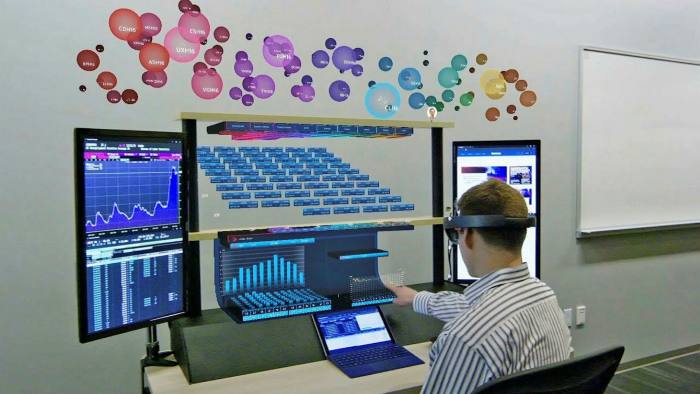 “If people really can’t come to the office, can we create a virtual presence?” Beatriz Martin, UBS UK chief executive, told the Financial Times. “We are thinking about experimenting with the tools that are out there.”
UBS has set up a working group focused on “reimagining the trading floor,” which has also considered setting up screens on traders’ desks with camera feeds from their co-workers to encourage collaboration.
This month, JPMorgan Chase summoned senior traders back to the bank’s tower blocks in Canary Wharf and midtown Manhattan in a move praised by US President Donald Trump. But the bank has already been forced to send staff home from its New York trading floor after an employee tested positive for COVID-19, according to Bloomberg.
See the full story here: https://arstechnica.com/information-technology/2020/09/traders-set-to-don-virtual-reality-headsets-in-their-home-offices/
Historic award for Chinese VR suspense movie
 The short suspense film “Killing A Superstar” won the Best VR (virtual reality) Immersive Story award at the recent 77th Venice International Film Festival, the first time a VR film production from China’s mainland was honored at an international A-category film festival.
“Killing a Superstar” uses VR technology — considered a fashionable new trend in the film industry — to offer a panoramic, interactive telling of the story.
The film also features multiple parallel narratives. Viewers are given the freedom to switch between different scenes to identify clues and uncover the truth on their own. It leverages 8K HD and Dolby Atmos technology to present an immersive VR audio-visual experience, and is now available on iQiyi’s VR app and Qiyu’s all-in-one VR headset platform.
See the full story here: https://www.shine.cn/feature/entertainment/2009186327/