Full Bore Studios adds augmented reality to annual ‘Economic Growth’ tour in Joplin
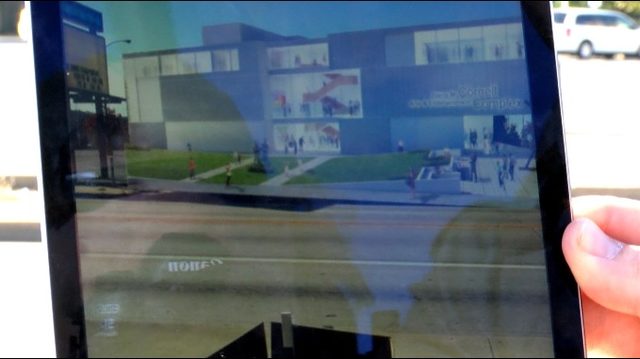 JOPLIN, Mo. - 55 community leaders got on a bus to visit more than 10 current and upcoming businesses in the area.
"This tour is being enhanced by augmented reality, meaning we’re actually going to use technology to show what will be in the future” added Teeter. Showing the community leaders, the augmented reality additives to the tour was something he was most excited about.
"We’re talking about a new vision, about a new brand, what is Joplin, and we’re talking about a community that’s growing" added Teeter.
Some projects on this tour are still in development, while others like Full Bore Studios will be opening to the public within a few months or the beginning of next year.
See the full story here: https://www.koamnewsnow.com/news/full-bore-studios-adds-augmented-reality-to-annual-economic-growth-tour-in-joplin/1133572505
Target And Other Retailers Give Augmented Reality A Deeper Look
 That’s an opportunity for a company called Cupixel, which is leveraging augmented reality (AR) into an app to help would-be creators.
The company matches the AR in the app with a $70 kit they began selling over the summer via the Home Shopping Network. The kit is sort of an “artist in a box” setup, which comes with custom canvases, pencils, paint, brushes and frames – everything customers need to create 9” x 9” pieces of artwork.
The customer can either upload a photo of their own or pick one from Cupixel’s online gallery. The software then recreates the picture into a sketchable image. On the phone or tablet screen, the chosen image is divided into nine squares that correspond with the nine canvas tiles provided with the kit. By using the device’s camera, the artist can see the image they are creating laid out over the canvas, and can then follow the lines with pencils and brushes.
At the end of the experience, the paint puts the nine tiles together – and a masterpiece is born.
See the full story here: https://www.pymnts.com/news/retail/2019/target-and-other-retailers-give-augmented-reality-a-deeper-look/
What happens if your mind lives for ever on the internet?
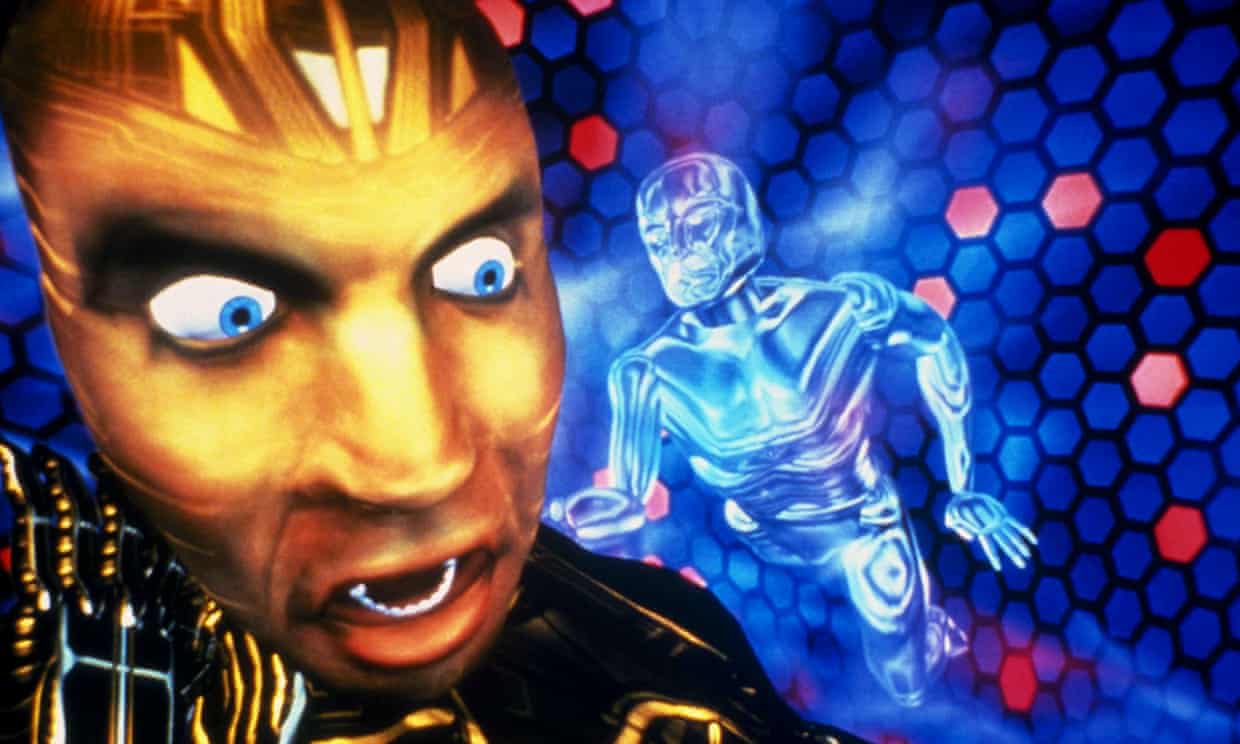 The foundation world would be full of people who are mere youngsters – mainly under the age of 80 – who are still accumulating valuable experience. Their unspoken responsibility would be to gain wisdom and experience before joining the ranks of the cloud world. The balance of power and culture would shift rapidly to the cloud. How could it not? That’s where the knowledge, experience and political connections will accumulate. In that scenario, the foundation world becomes a kind of larval stage for immature minds, and the cloud world is where life really begins. Mind uploading could transform our culture and civilisation more profoundly than anything in our past.
Michael SA Graziano is a professor of psychology and neuroscience at Princeton University
See the full story here: https://www.theguardian.com/technology/2019/oct/20/mind-uploading-brain-live-for-ever-internet-virtual-reality
High Schools to TikTok: We’re Catching Feelings
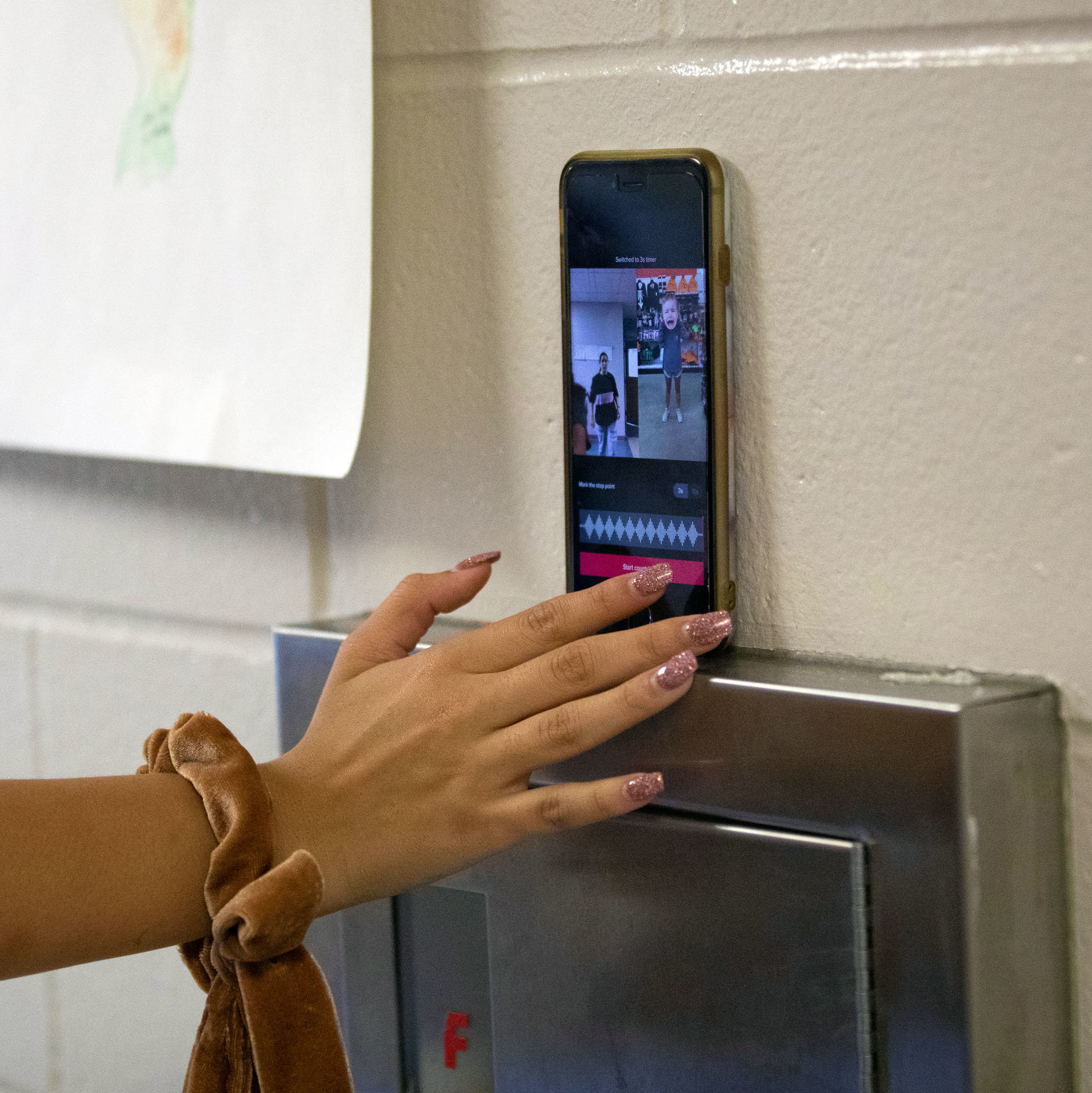 The embrace of the app at this school is mirrored on scattered campuses across the United States, where students are forming TikTok clubs to dance, sing and perform skits for the app — essentially drama clubs for the digital age, but with the potential to reach huge audiences.
“You see a lot more teamwork and camaraderie,” he said, “and less — I don’t want to say bullying — but focus on individuals.”
“We’re thinking this is possibly the new Schoolhouse Rock,” he said.
“There’s a lot more than just funny videos,” Kaylani Heisler said. “I see countless ways to take notes, get organized. I see chemistry study aids.”
See the full story here: https://www.nytimes.com/2019/10/19/style/high-school-tiktok-clubs.html
The Ethics of AI: What Happens When Humans Can’t Agree on What is “Right?”
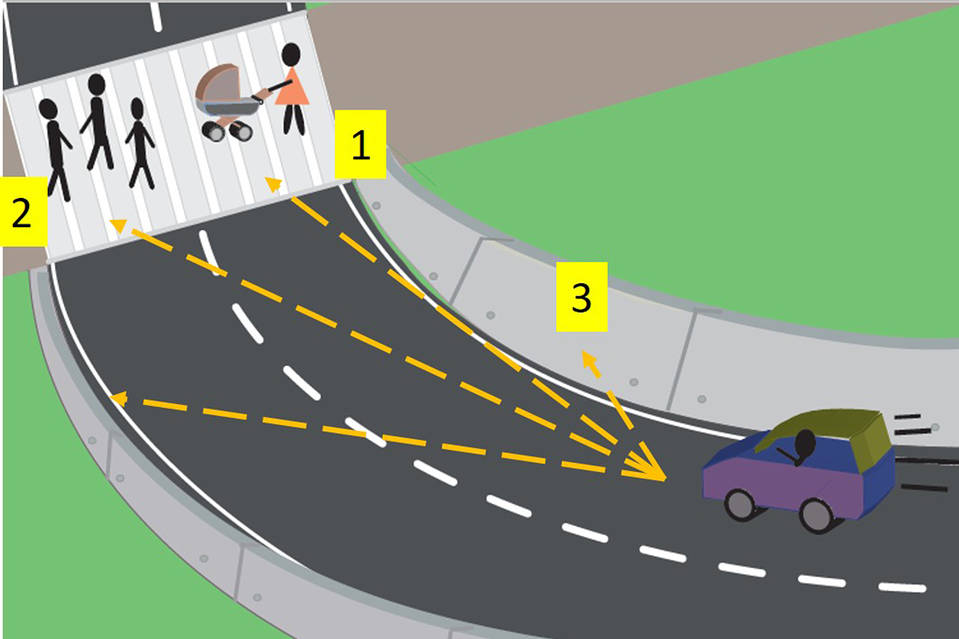 One of the appealing features of artificial intelligence is the ability to come up with the “right” answer automatically, faster and more reliably than humans. In many cases, the right answer is singular and unambiguous, such as 2 + 2 = 4 (3.9 or 4.1 are close, but not right.). But, as is often the case in matters of ethics, what is AI to do if humans cannot agree on the right answer?
This challenge has two important consequences. First, it can delay the introduction or acceptance of new AI applications, such as autonomous vehicles. Second, it will require that management be prepared to explain and justify the rationale for how their AI will make these decisions.
Under the basic principles of Utilitarian ethics, saving thousands of lives even at the cost of a few is obviously the right thing to do—but could you forgive the computer, especially if it was your relative who was killed?
See the full story here: https://blogs.wsj.com/experts/2019/10/17/the-ethics-of-ai-what-happens-when-humans-cant-agree-on-what-is-right/
Google and BBC scrap VR projects
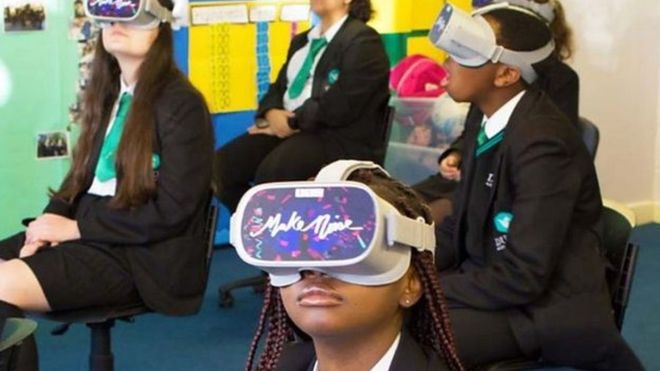 The team was set up in November 2017 and has created VR films across news, comedy, drama and history. Its closure was announced in a blog post.
According to research firm IHS Markit, there will be 51 million consumer headsets in use around the world by 2023.
"Compared to mobile devices, this represents a niche audience so it is understandable the BBC is reconsidering its VR content strategy," said analyst Piers Harding-Rolls.
But he added: "With the introduction of volumetric video and 5G networks capable of providing distribution, VR video content is expected to become more compelling, but we are several years away from realising that vision."
See the full story here: https://www.bbc.com/news/technology-50080594
Arca will use AI to soundtrack NYC’s Museum of Modern Art
 If you pay a visit to New York City's Museum of Modern Art in the near future, you'll be awash in artificial intelligence before you've even seen an exhibit. Electronic musician Arca (who has produced for Bjork and FKA Twigs) has announced that a piece she wrote using Bronze's AI creative tool will provide the soundtrack for MoMA's lobby for the next two years once it reopens on October 21st. Don't think that it'll be just the same tune playing on loop, though. The AI will "never make the music play the same way twice," Arca said. In that sense, it's more like one very large piece.
Bronze is built for precisely for these "non-static, generative and augmented" compositions, using machine learning to expand on the artist's core ideas. It's also a music format that will let artists release these AI tunes to the public.
See the full story here: https://www.yahoo.com/entertainment/2019-10-17-arca-ai-soundtrack-for-nyc-moma.html
As rapes rise in Myanmar, augmented reality could help smash sex taboos

People pray at a pagoda during the Thadingyut festival in Mandalay, Myanmar, October 13, 2019. Photo taken on October 13, 2019. REUTERS/Ann Wang
The 38-year-old Harvard graduate was named one of 40 social entrepreneurs of the year by the World Economic Forum in New York last month for her work in transforming the way hundreds of thousands of students learn in Myanmar.
Key to her work is augmented reality,...
Her project on sex education, named Bay Kin (Danger Free), was launched in August soon after the child-rape case ignited national debate about sex, safety, children and consent.
The product includes a series of sex education books — in both paper and AR formats — as well as comics and games, that teach students about everything from sex organs to pregnancy.
“We’re in the early stage because many teachers still feel embarrassed to teach sex in schools, but AR is fun, so we hope it can help to overcome this,” said Hla Hla Win.
The 3-year-old girl, nicknamed “Victoria,” testified via video link at a trial last month after a school employee was charged with raping her. The case has been a lightning rod for popular protest in Myanmar, be it over the many nurseries that lack licenses or the hasty way police handled investigations.
Child rapists face a maximum of life imprisonment if convicted.
See the full story here: https://www.japantimes.co.jp/news/2019/10/18/asia-pacific/social-issues-asia-pacific/augmented-reality-myanmar-smash-sex-taboos/#.XankxS2ZNPM