Apple wins a Patent for a Predictive, Foveated VR Headset
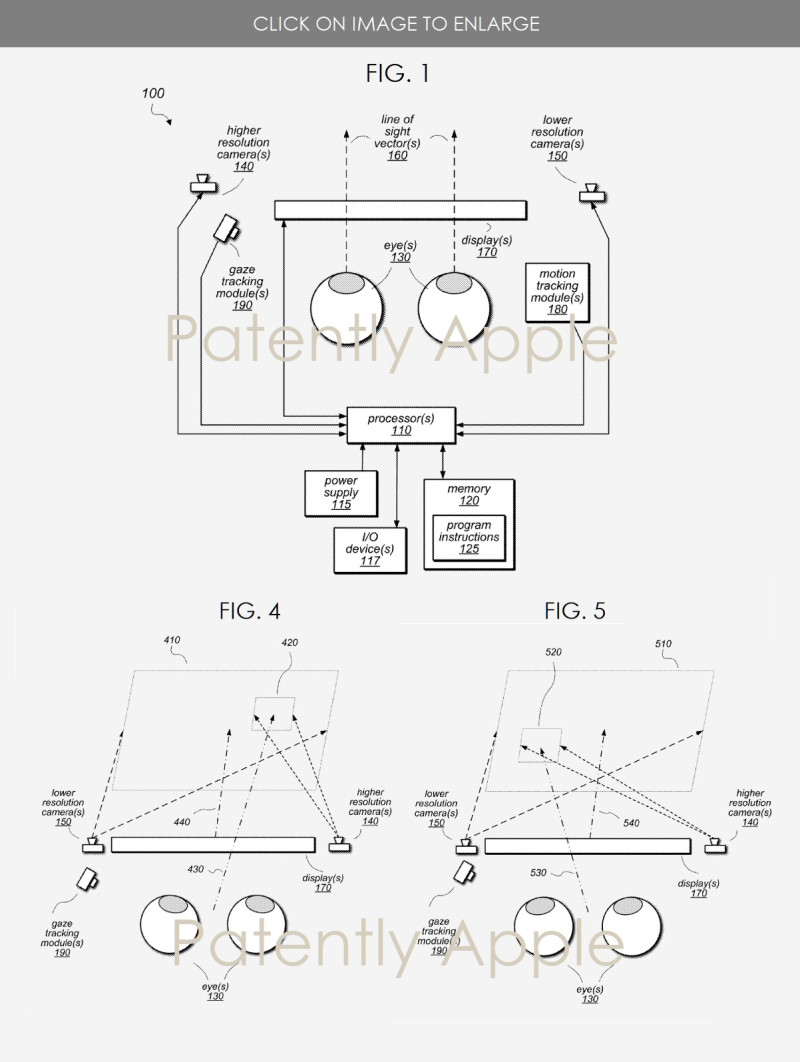 Today the U.S. Patent and Trademark Office officially published a series of 63 newly granted patents for Apple Inc. today and one of them is titled "Predictive, foveated virtual reality system." The invention is designed to ease eye strain associated with viewing VR imagery like games for long periods of time.
Many conventional virtual reality and augmented reality systems on the market today may suffer from latency problems potentially cause eyestrain, headaches, and/or nausea.
Additionally, the amount of image data required to be captured, generated and/or displayed to the user of a conventional virtual reality system may be so large as to affect the performance of the system (e.g., increased latency) and to increase the cost and/or size of the system.
Apple's granted patent covers methods and systems for a virtual reality (VR) and/or augmented reality (AR) device (e.g., a headset, or head mounted, device) may include a predictive, foveated virtual reality system.
A predictive foveated virtual reality system may also be configured to capture (and render) image data using more than one resolution, such as to possibly reduce overall overhead, cost, workload.
Additionally, a virtual reality system may be configured anticipate a user's movements, such as to look ahead, in order to capture image data, as well as prepare the image data for display, for a predictive, future line of sight, according to some embodiments.
See the full story here: https://www.patentlyapple.com/patently-apple/2019/06/apple-wins-a-patent-for-a-predictive-foveated-vr-headset.html
Soundgarden’s Immersive ‘Artists Den’ Experience Premieres This Week
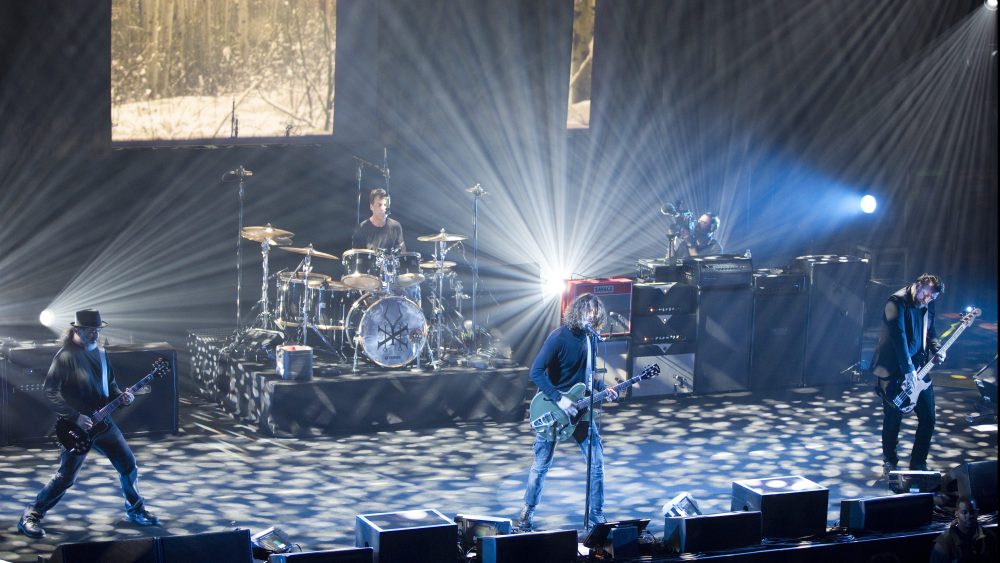 An immersive experience is being launched to recreate Soundgarden's final North American show of the “King Animal” tour. The concert took place on Feb. 17 2013 and is widely regarded as one of the band's best. Lead singer Chris Cornell has since died and his bandmates have described the effort as the world’s first attempt at recreating the live concert experience from both the visual and the audio side. The technology was previously used on Lorde and Childish Gambino holographic tours. “Live From the Artists Den” is a 360-degree real-time mix that will be synced to on-screen footage and further complemented by a light show.
See the full story here: https://variety.com/2019/music/news/soundgarden-immersive-artists-den-experience-premiere-exclusive-preview-1203245118/
Facebook Continues Plans for Independent Oversight Board
 Bloomberg reports that Facebook is “still trying to agree on its fundamental structure … [and] basic decisions like how many members it should have, how those members should be picked, and how many posts the board will review, are all still undecided.” A draft charter specifies that the Oversight Board will be comprised of 40 people, appointed from around the world, and that three to five members will review each case. Once a decision is made, the “ruling board members will then write a public explanation, and could even suggest that Facebook tweak its policies.”
One definitive decision is that the board be independent, to quell criticism that Facebook has too much control over content. But not everyone is satisfied. “It’s all well and good for people on the outside to kind of prescribe that, yeah, Facebook needs to cede some of its power to outsiders,” said Stanford University law professor Nate Persily. “But when you start unpacking how to do that, it becomes extremely complicated very fast.”
Persily and a dozen law school students “created their own version of the Facebook Oversight Board,” and, at the end of May, presented findings that suggested the board be much larger than 40 part-timers. “If they’re going to do any reasonable slice of the cases that are going to go through the appeals process, it’s going to have to be much larger or it’s going to have to be full-time,” said Persily.
See the full story here: http://www.etcentric.org/facebook-continues-plans-for-independent-oversight-board/
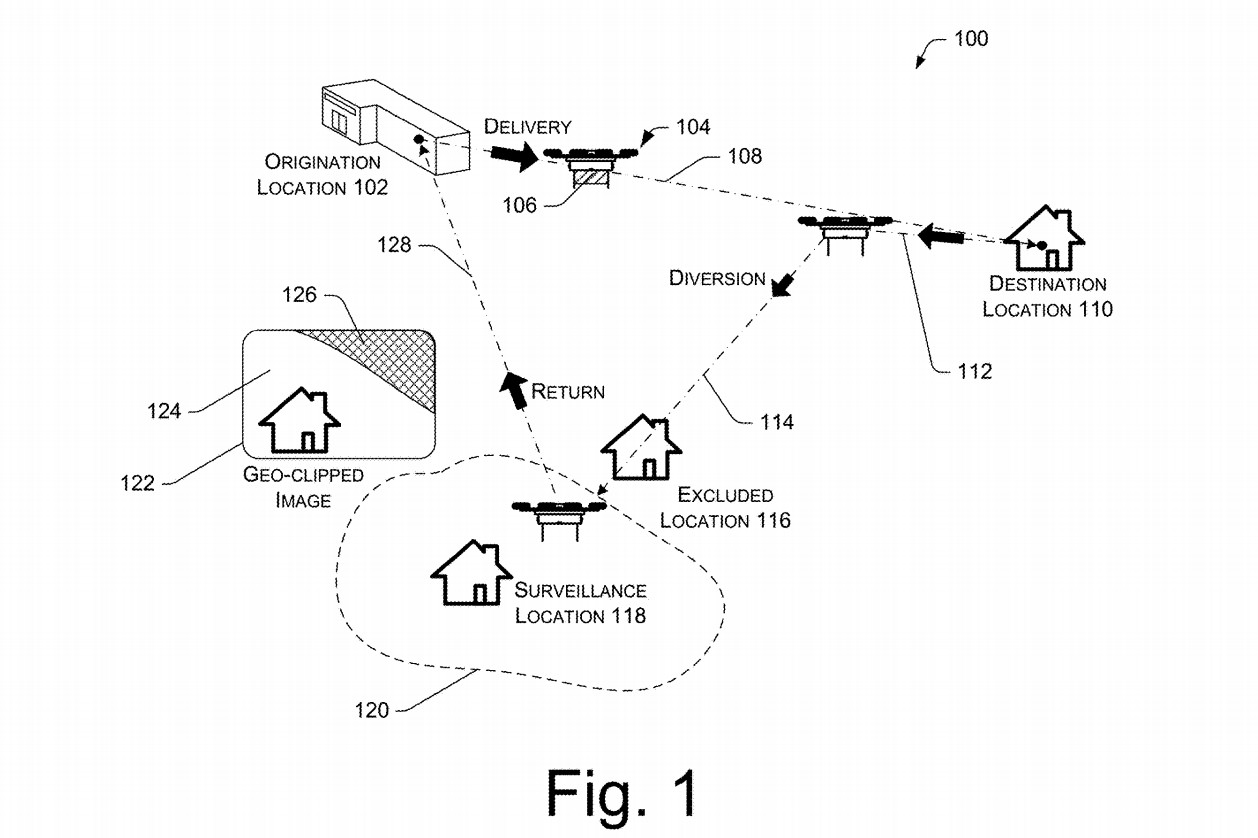
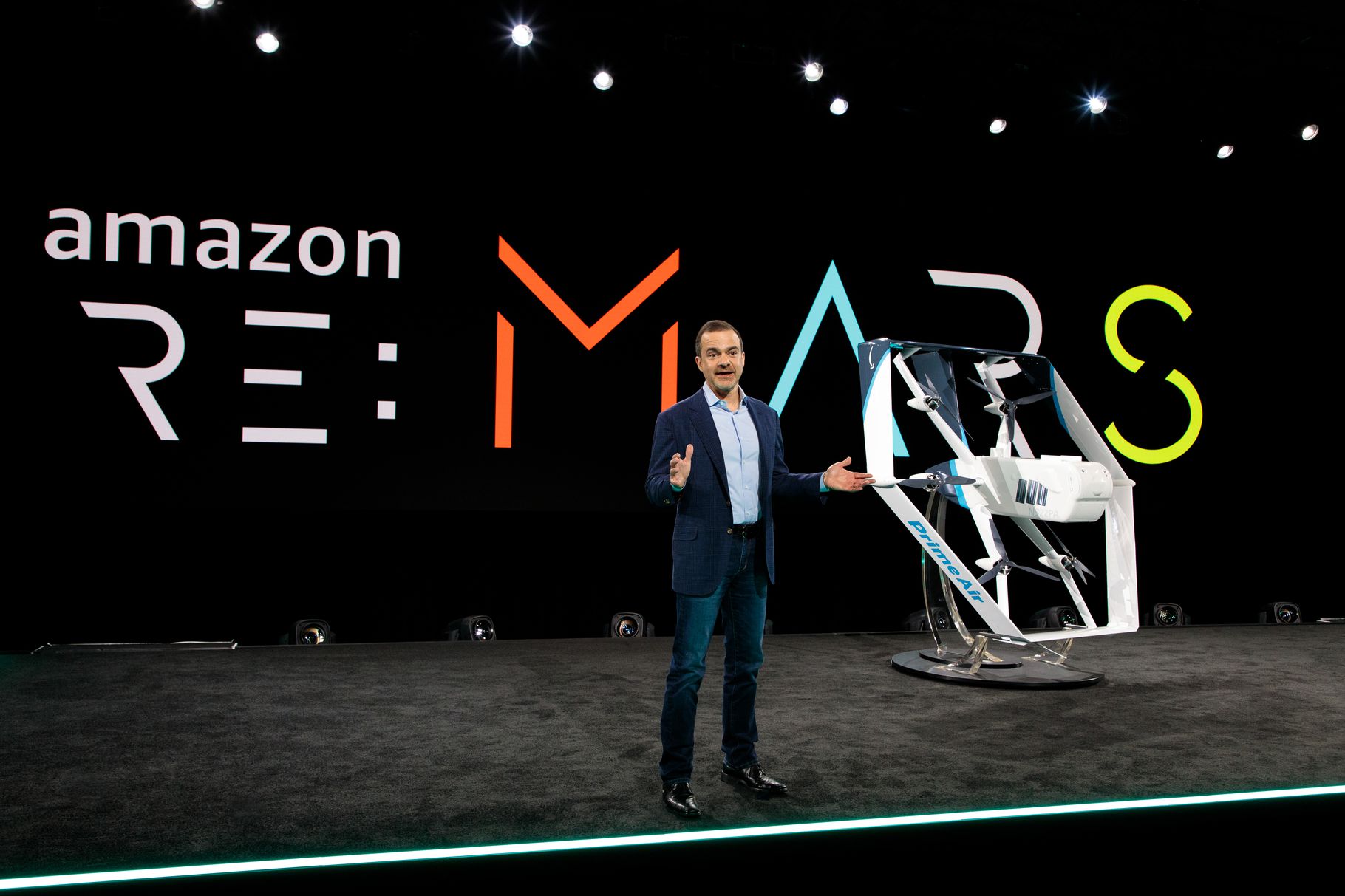 The patent was originally filed in June 2015 and became public earlier this month. It describes how the company’s drones could be hired to look out for open garage doors, broken windows, graffiti, or even a fire, before alerting the owner of the property.
Using delivery drones for surveillance raises huge privacy concerns for everyone who hasn’t given Amazon permission to view their homes — a problem that Amazon’s patent specifically addresses. The patent describes how geo-fencing technology would be used to ensure that Amazon’s drones don’t capture footage of houses they’re not supposed to. Images could be edited during capture or they processed post-capture. Images could also be limited by “physically constraining a sensor of the UAV,” which suggests a drone’s camera may be physically prevented from looking at any unauthorized houses.
See the full story here: https://www.theverge.com/2019/6/21/18700451/amason-delivery-drone-surveillance-home-security-system-patent-application
Bill Gates: If I were starting a company today, it would use AI to teach computers how to read
 POINTS
- “Given my background, I would start an AI company whose goal would be to teach computers how to read, so that they can absorb and understand all the written knowledge of the world,” Gates told David Rubenstein on Monday.
- He’s also interested in augmented reality, which would have come in handy as he was recently assembling furniture for his daughter.
See the full story here: https://www.cnbc.com/2019/06/24/bill-gates-says-hed-start-an-ai-company-today.html
Vuzix Confirms New, Smaller Smartglasses Model with Fashion-Friendly Design
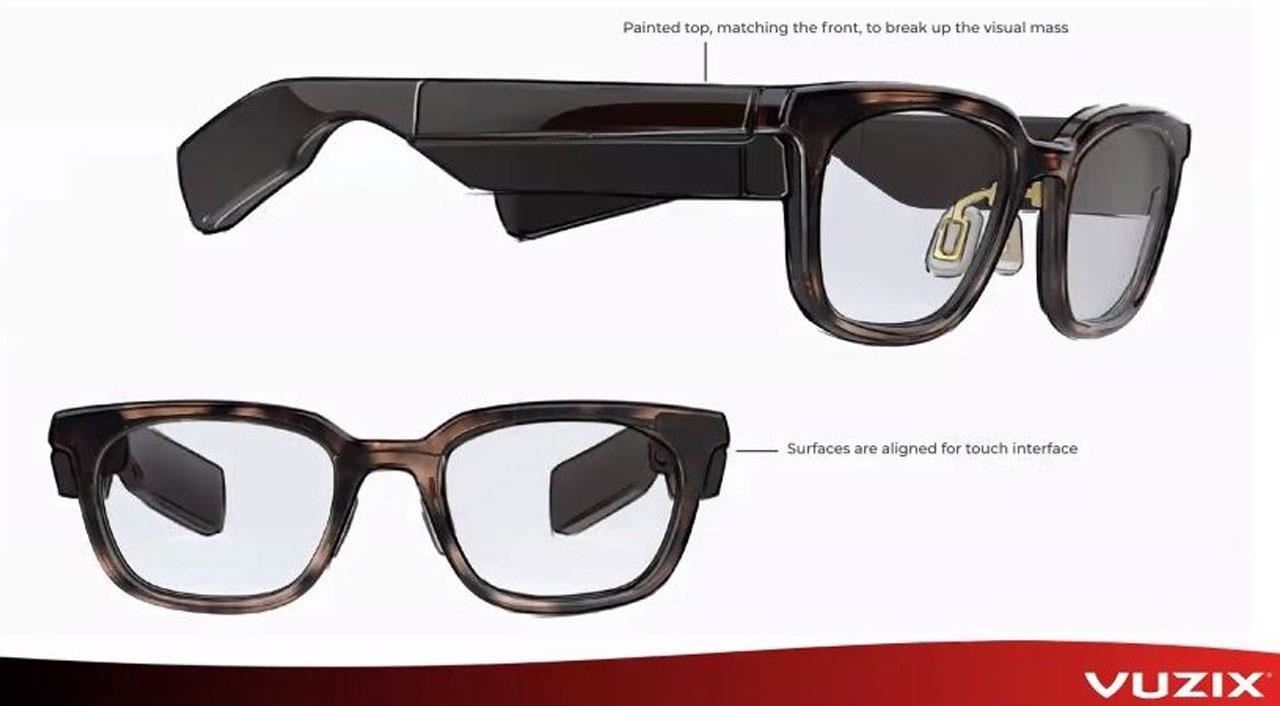 On Monday, a representative for Vuzix shared part of a recent investor presentation with Next Reality. That part of the presentation includes an image of the next, unreleased version of the company's smartglasses, and it looks pretty damn good.
The only telltale signs of embedded tech are the slightly thicker than normal arms on the frames (which serve touch interfaces), which will likely be unnoticeable by all but the most studied follower of cutting-edge AR wearables.
One of the partners involved in making the new device is Plessey and its microLED technology, which has been in the spotlight in recent months regarding Vuzix's next moves.
That relationship is largely based on the use of Plessey's Quanta-Brite technology, which the company describes as an "advanced and proprietary gallium-nitride-on-silicon (GaN-on-Si) technology, with an integrated monolithic array of RGB pixels with advanced first level micro-optical elements." What that technology delivers, according to Plessey, are smaller and lighter optical systems by up to 50% when compared to competing products.
The design upgrade puts Vuzix more directly in competition with North, a startup with a lot less experience in the field, and fewer identifiable relationships in the enterprise space. But if the new battleground is the consumer space, the two brands are effectively starting on equal footing in terms of lack of name recognition with your average mainstream consumer. Therefore, the key here will be execution, pricing, and support.
See the full story here: https://next.reality.news/news/vuzix-confirms-new-smaller-smartglasses-model-with-fashion-friendly-design-0199666/
AT&T Shape: Virtual Reality Has Potential, But the Skepticism Is Well-Earned
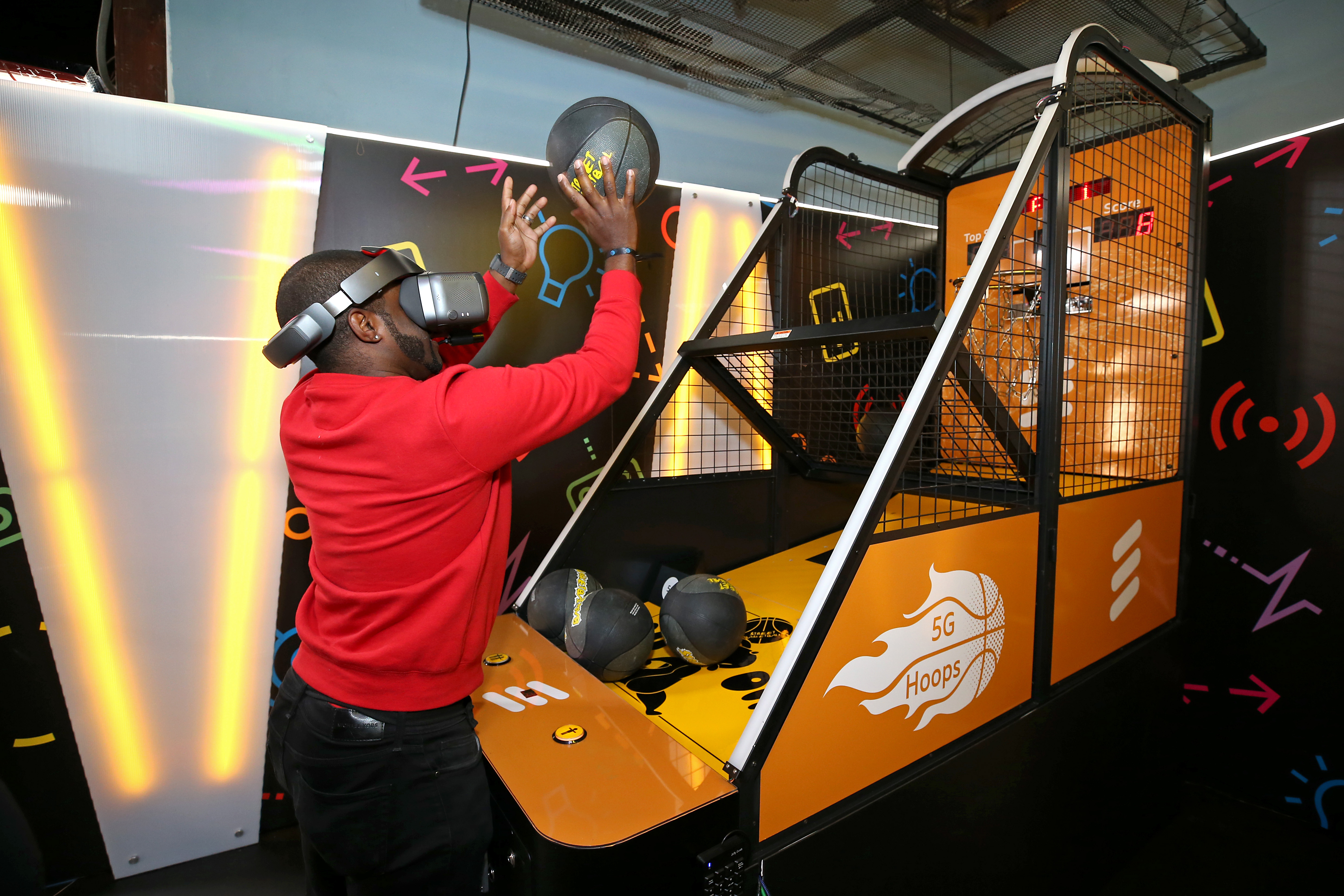
BURBANK, CALIFORNIA - JUNE 22: Guests experience the Ericsson: Arcade Games demo at AT&T SHAPE at Warner Bros. Studios on June 22, 2019 in Burbank, California. (Photo by Phillip Faraone/Getty Images for AT&T)
Also present at AT&T Shape was Wipro, a large Indian conglomerate, which presented a demo for virtual reality sports shows that served as the event’s best example of virtual reality’s consumer potential. To use basketball games as an example, the finished product would allow users to view an NBA game from multiple perspectives, such as courtside seats, under the hoop, and even from the perspective of multiple players, according to a Wipro representative.
There’s no denying that that sounds incredible, and is one of the most obvious examples of how virtual reality could create a cinematic experience genuinely unlike anything else available. But this was also a tightly-controlled tech demo for a product that is a long way off from being completed. Wouldn’t sports organizations and stadiums have to agree to accommodate this kind of technology at every one of their games? Wouldn’t watching the game from a player’s perspective require players to agree to wearing some sort of performance capturing device?
Questions upon questions, but still, the potential is palpable.
See the full story here: https://www.indiewire.com/2019/06/att-shape-virtual-reality-1202152646/
How E-Commerce Sites Manipulate You Into Buying Things You May Not Want
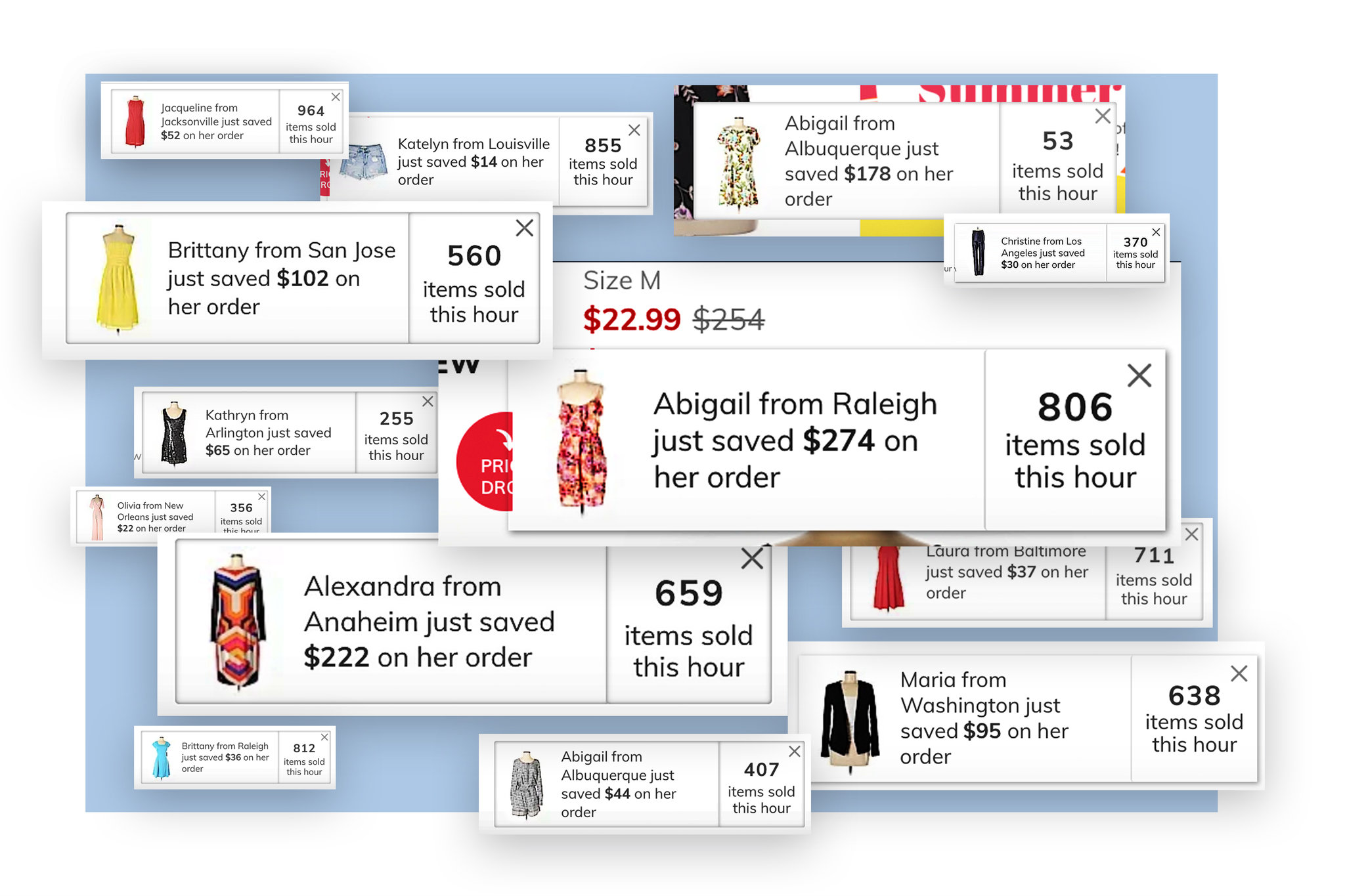 “Alexandra from Anaheim just saved $222 on her order” says one message next to an image of a bright, multicolored dress. It’s a common technique on shopping websites, intended to capitalize on people’s desire to fit in with others and to create a “fear of missing out.”
But “Alexandra from Anaheim” did not buy the dress. She does not exist. Instead, the website’s code pulled combinations from a preprogrammed list of names, locations and items and presented them as actual recent purchases.
The fake messages are an example of “dark patterns,” devious online techniques that manipulate users into doing things they might not otherwise choose to. They are the digital version of timeworn tactics used to influence consumer behavior, like impulse purchases placed near cash registers, or bait-and-switch ads for used cars.
Jessica Brillhart Named Director of USC ICT Mixed Reality Lab
 Former Google Principal Filmmaker for VR and Vrai Pictures Founder to lead University of Southern California Institute for Creative Technologies MxR Lab.
Since its creation in 1999, the Institute for Creative Technologies (ICT) at University of Southern California has been an integral contributor to the development of virtual reality technologies -- dating back more than a decade before the Oculus Kickstarter reignited mainstream interest in the medium.
In fact, the ICT Mixed Reality lab (MxR) was where Palmer Luckey first began experimenting with ‘Franken-viewer’ head-mounted displays, which would ultimately lead to the creation of Oculus Rift.
Now, the Mixed Reality Lab is announcing a new director: Jessica Brillhart.
"I have had incredible respect for what ICT has been doing for a while now," Brillhart said in an interview with the author. "I feel that a lot of us in the immersive space owe a great deal to the research that has happened there and I'm honored to continue to lead that charge at MxR."