The Key integrates more than VR. You enter a misty room wearing a neckband speaker that begins the story's narration and music. You're alone with a woman in a simple tunic, and she acts out the first-person narrator's cues. She shows you a large key in her hand when the narrator mentions it, for example.
And she helps you put the VR headset on. The headset's soundtrack syncs with the speaker collar you're wearing -- one of the most clever ways I've seen for a VR project to ease the often-clunky transition from the real world into virtual reality.
The VR itself is an allegorical animation. Finding the look of the experience was important to Tricart: watercolor skies, primary colors, a bare lunar-like landscape. And as you go through the experience, in barely perceptible ways, you lose one color after another. Your world degrades.
But in a shocking transition, The Key's VR experience flips from its artistic presentation to blunt realism and explains the underlying truth to everything you just saw. Refugees aren't mentioned until the very end.
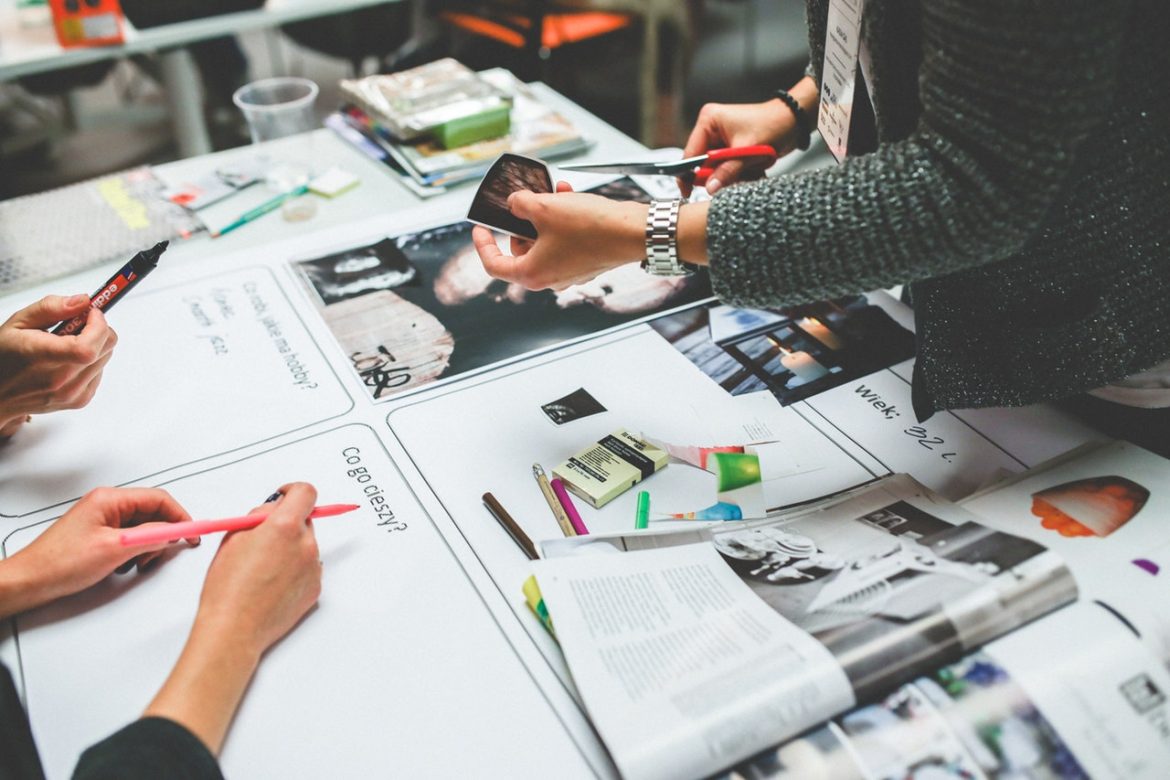
For some of these design roles the increase was not just seen in numbers, but advertised salary too. UI designer (4.3 per cent), graphic designer (4.5 per cent) and UX designer (2.7 per cent) saw increases faster than the sector average of 1.3 per cent, demonstrating the value employers place on these skillsets.
King continued: “It’s not just senior roles that are receiving good news. We are also seeing a rise in salaries across assistant and exec level roles, which is a positive message to those wanting to enter the industry. This generation has a native understanding of digital tech – something which our guides and the State of Skills tool highlight as a pre-requisite for success in this sector. But a constant desire to learn is required as this fast-paced, exciting industry continues to evolve.
“Finally, we are finding that marketing professionals are driven by a desire to work for an organisation based on culture, ethics and objectives – businesses should build on this to be best equipped to attract the best talent in the coming years.”
Apple CEO Tim Cook touted use of augmented reality in manufacturing, retail and other industries as part of an expanded partnership with SAP.
"AR and ML will be key to delivering the right information to the right person at the right time," said Cook.
Cook took the stage with SAP CEO Bill McDermott at SAP Sapphire. The companies are integrating Apple's Core ML, an on-device machine learning technology, with its SAP Cloud Platform SDK for iOS.
In addition, SAP said will also support the Mac platform. Here's the breakdown:
The next version of SAP Cloud Platform SDK, available later this month will enable businesses to create iOS apps powered by SAP Leonardo.
Machine learning models can be downloaded to iPhone and iPad to run offline.
SAP's mobile apps for SuccessFactors, Concur and SAP Asset Manager run natively on iOS. SAP said that it will expand its native iOS approach to its broader portfolio starting with Ariba.
SAP will also expand its app offerings to the Mac to run natively.
Computer science assistant professor Toni Pence is leading a team of six UNCW scholars who will use virtual reality technology to enhance learning and encourage students from underrepresented groups to consider STEM careers. The project is funded by a $394,606 grant from the National Science Foundation.
The immersive experience is tied to the curriculum, and the students learn by stepping into the virtual shoes of a STEM occupation. The project will focus initially on grades 3-5 but eventually could expand to middle school curriculum, said Pence, the primary investigator.
Another goal is to prevent students from becoming disengaged as they approach middle school, Stocker said. The VR-enhanced curriculum is designed to support learning by helping students see where their education can lead them and how what they learn can be applied outside the classroom.
But even as VR bubbles up yet again with a legitimately astonishing (and astonishingly user-friendly) product in the Oculus Quest, few people are still talking about VR with the same fervor and sense of inevitability that they once did just a couple of years ago.
To put it plainly: Freed from just about any commercial expectations, VR creators are doing some downright amazing things.
So what is new and now in VR this year? If the exhibitions at Tribeca are any indication, it's the use of the tech to subvert our expectations about storytelling in ways that make things feel personal and real in surprising ways.
Take The Key (created by Celine Tricart and narrated by Search Party's Alia Shawkat), which won the festival's Grand Jury Prize for Best Virtual Reality Immersive Story. Like some of the more ambitious VR projects from last year’s Tribeca film fest, The Key features elements of immersive theater via the use of a live actor.
By luring us in with a sci-fi conceit, and then stripping away this layer, going through The Key feels almost as if you are awakened from a dream, only to find a nightmare in the real world.
Another highlight from Tribeca was Bonfire, produced by Baobab Studios, which has quickly established a reputation for producing high-end VR experiences with computer animation that rivals theatrical releases from Pixar and Dreamworks (it's no coincidence that co-founder Eric Darnell was the guy behind the Madagascar movies).
As Bonfire begins, you (isn’t it great that VR can be written about in the second person?) find yourself marooned on an alien planet with nothing but a robotic servant to keep you company. Soon a strange (and highly adorable) alien approaches, leaving you free to interact with it as you please.
It may not be obvious, but your actions really do matter here. Depending on how you act towards the alien (Do you feed it? Taunt it? Play with it?), the creature treats you differently, and the story forks in ways both subtle and obvious.
Under the hood, Bonfire was built with advanced AI engine that allows the alien creature to respond to your behavior in ways that feel natural—all while driving the narrative around your actions.
Bonfireis also a clever deconstruction of the typical narrative format. If you’ve ever read a screenwriting book (or simply seen a lot of movies), you know that most stories involve characters going on a journey and coming out the other side changed in some fundamental way. ... What makes Bonfire so interesting is that you (again: the second person!) are the lead character who is forced to learn and adapt, before making a fateful decision which I won't spoil here. Academically speaking, this is fascinating. And from a pure experience level, it’s a joy. You aren’t rooting for some distant hero to do the right thing—you’re pulling that lever yourself.
Wolves in the Walls: It’s All Over is the first two chapters, combined together as one experience, and lasts about 20 minutes. It’s premiering at Tribeca this week, but Saatchi sent me a build a few days ago to try at home.
Earlier this year I talked to Saatchi about their pivot to becoming a “virtual beings” company rather than just another “VR experience” creation studio and that switch was landmarked by the announcement of Whispers in the Night. It features the same exact 8-year old girl from Wolves in the Wall, Lucy, but is all about talking to her and sharing secrets.
“Memory is the core concept for us in Wolves [in the Walls] so that everything you do is remembered,” Saatchi says. “We don’t want Lucy to become a horrifying person from what you do, she has her own journey and her own life and her own story, but she will remember. We’re focused on what we call an ’emotional POV’ almost like you’re wearing Lucy glasses.”
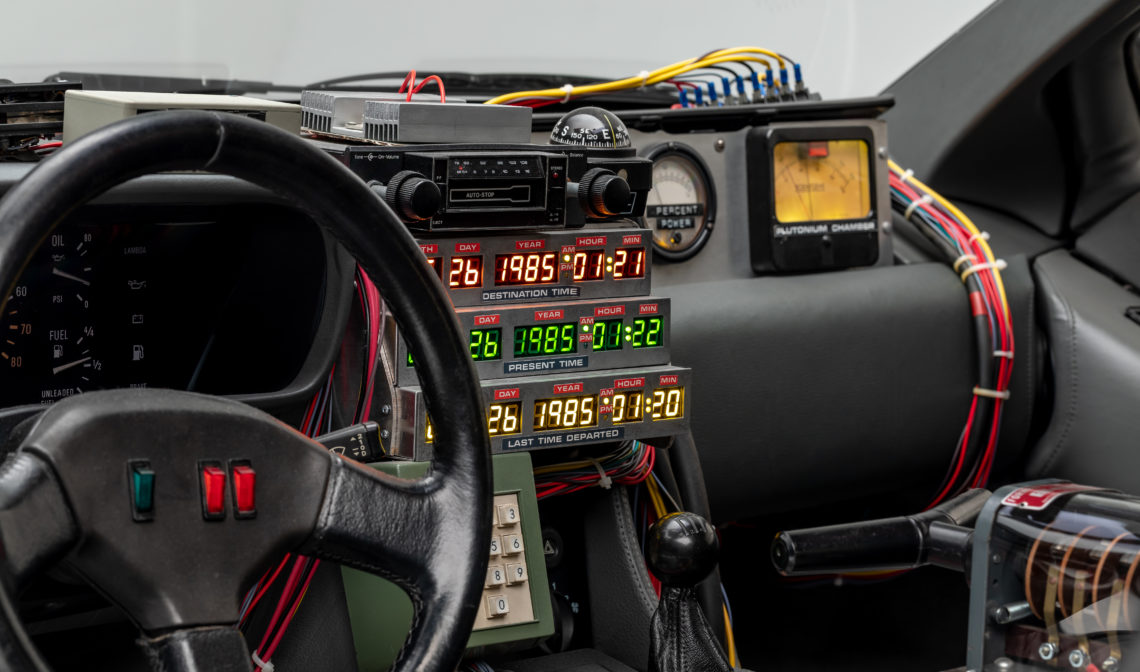
Today marks the grand opening of The Petersen Automotive Museum’s “Hollywood Dream Machines: Vehicles of Science Fiction and Fantasy” exhibit, an automotive-themed showcase that shines a spotlight on some of the most iconic dream cars from cinema and video games. Featuring vehicles from legendary franchises such as Star Wars, Blade Runner, and the Marvel Cinematic Universe, visitors can get up-close and personal with 50 famous rides from over 20 genre-defining films.
This year, the Petersen Museum has once again partnered with Comic-Con on its “Hollywood Dream Machines: Worlds Reimagined” exhibit, a uniquely immersive experience that utilizes Microsoft’s HoloLens mixed reality headset to give attendees a special look at two of sci-fi’s most recognizable vehicles.
With his hit podcast, Hardcore History, Dan Carlin brought his love for the past to the masses. It was only a matter of time until he wanted to move beyond audio -- but instead of moving into the crowded world of documentaries, he turned to VR. War Remains, his first virtual reality project which debuted at the Tribeca Film Festival this week, puts you right in the trenches of World War I. And it's more than just another VR short: Co-producers MWM Immersive built a massive installation for the experience, allowing you to touch and feel the virtual environments in real life.
Corning Incorporated (GLW), the world`s leading supplier of high refractive index glass for eyewear, announced today that the company has developed 300-millimeter diameter glass wafers in select refractive indexes optimized for augmented reality (AR) device makers. These wafers offer the largest available size of high refractive index glass on the market today. Similar to the semiconductor industry, larger wafers are expected to reduce customers` manufacturing costs.
Corning`s ultra-flat, high-index glass wafers are used to make waveguides, a key optical component in AR wearables. Larger-sized wafers enable lower cost for customers through a combination of material and equipment utilization improvements, which in turn support customers` efforts to make AR wearables more affordable for consumer applications.
 For some of these design roles the increase was not just seen in numbers, but advertised salary too. UI designer (4.3 per cent), graphic designer (4.5 per cent) and UX designer (2.7 per cent) saw increases faster than the sector average of 1.3 per cent, demonstrating the value employers place on these skillsets.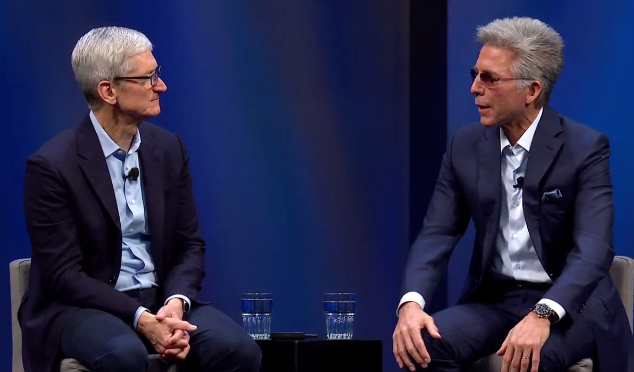
 This year, the Petersen Museum has once again partnered with Comic-Con on its “Hollywood Dream Machines: Worlds Reimagined” exhibit, a uniquely immersive experience that utilizes Microsoft’s HoloLens mixed reality headset to give attendees a special look at two of sci-fi’s most recognizable vehicles.