Tate and an augmented reality street art application are among the 2019 Webby Awards nominees.

photo by Scott Beale / Laughing Squid
This photo is licensed under a Creative Commons license. If you use this photo within the terms of the license or make special arrangements to use the photo, please list the photo credit as "Scott Beale / Laughing Squid" and link the credit to http://laughingsquid.com.
...many of this year’s Webby nominees defy traditional barriers between art and science to demonstrate the possibilities for digital innovation in the arts.
Storied institutions including Tate and the Metropolitan Museum of Arthave been nominated for innovative social media campaigns—the Met for #HaveWeMetYet, an Instagram campaign featuring different employees at the museum and Tate Modern for its savvy use of Instagram. In the category for net art, nominees include artists such as Nikolaus Baumgarten and Sophia Schomberg—whose Arkadia takes users into a dizzying digital landscape—and forward-thinking creators at MIT’s IBM Watson AI Lab, whose WonderNet transforms digital networks into sculptures.
See the full story here: https://www.artsy.net/news/artsy-editorial-tate-augmented-reality-street-art-application-2019-webby-awards-nominees
Edgybees’s new developer platform brings situational awareness to live video feeds
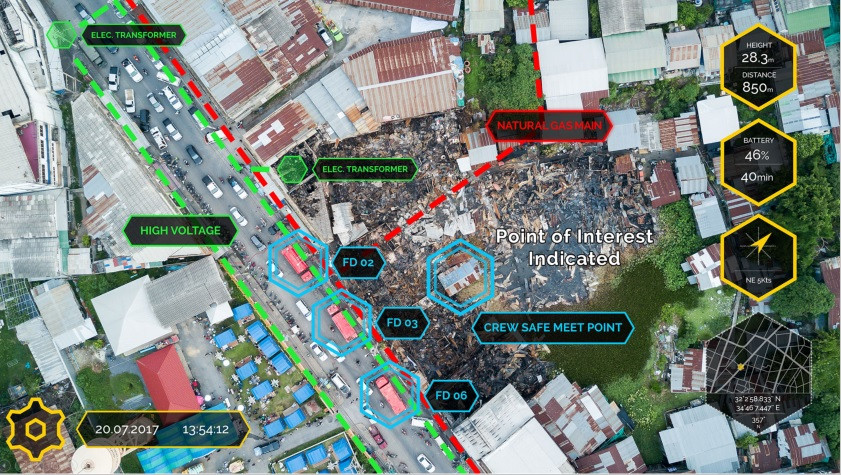 San Diego-based Edgybees today announced the launch of Argus, its API-based developer platform that makes it easy to add augmented reality features to live video feeds.
The service has long used this capability to run its own drone platform for first responders and enterprise customers, which allows its users to tag and track objects and people in emergency situations, for example, to create better situational awareness for first responders.
See the full story here: https://techcrunch.com/2019/04/02/edgybeess-new-developer-platform-adds-situational-awareness-to-live-video-feeds/
How The Big Five Tech Companies Make Their Money, Visualized
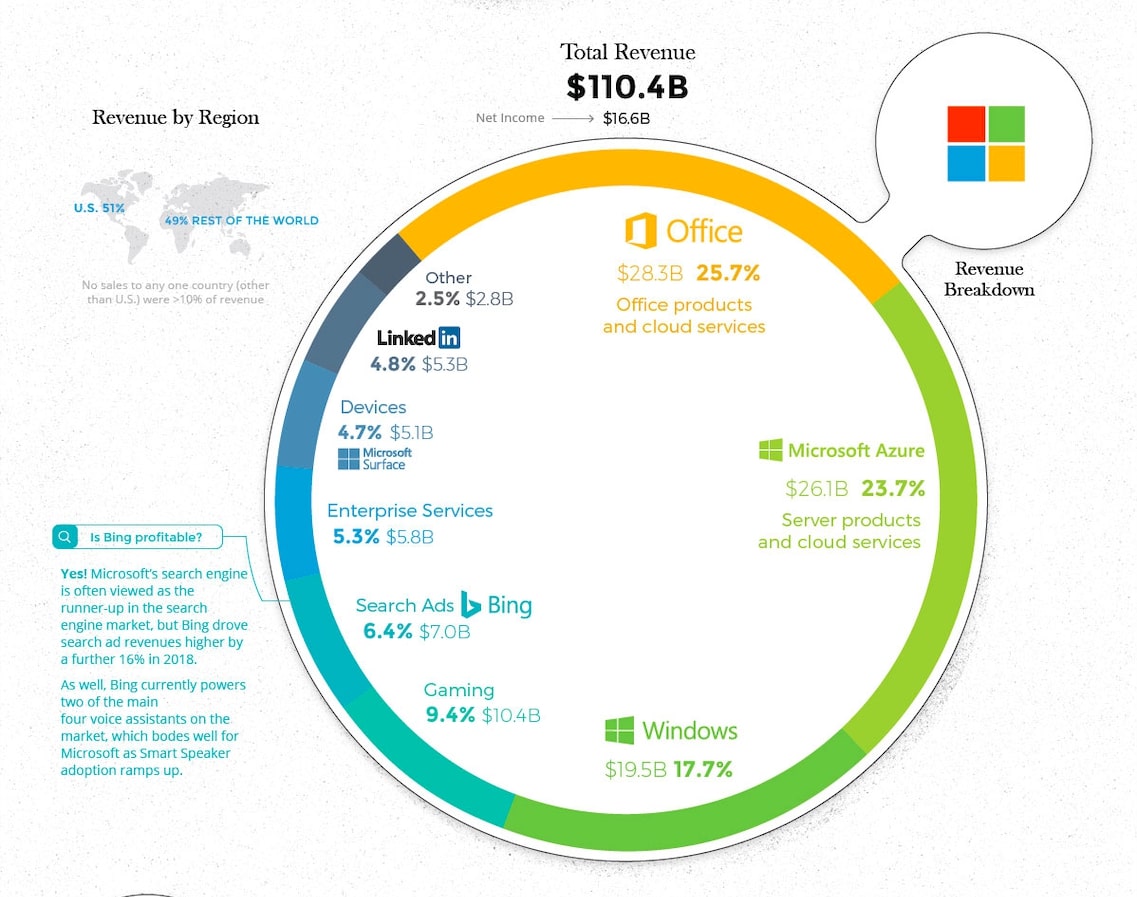
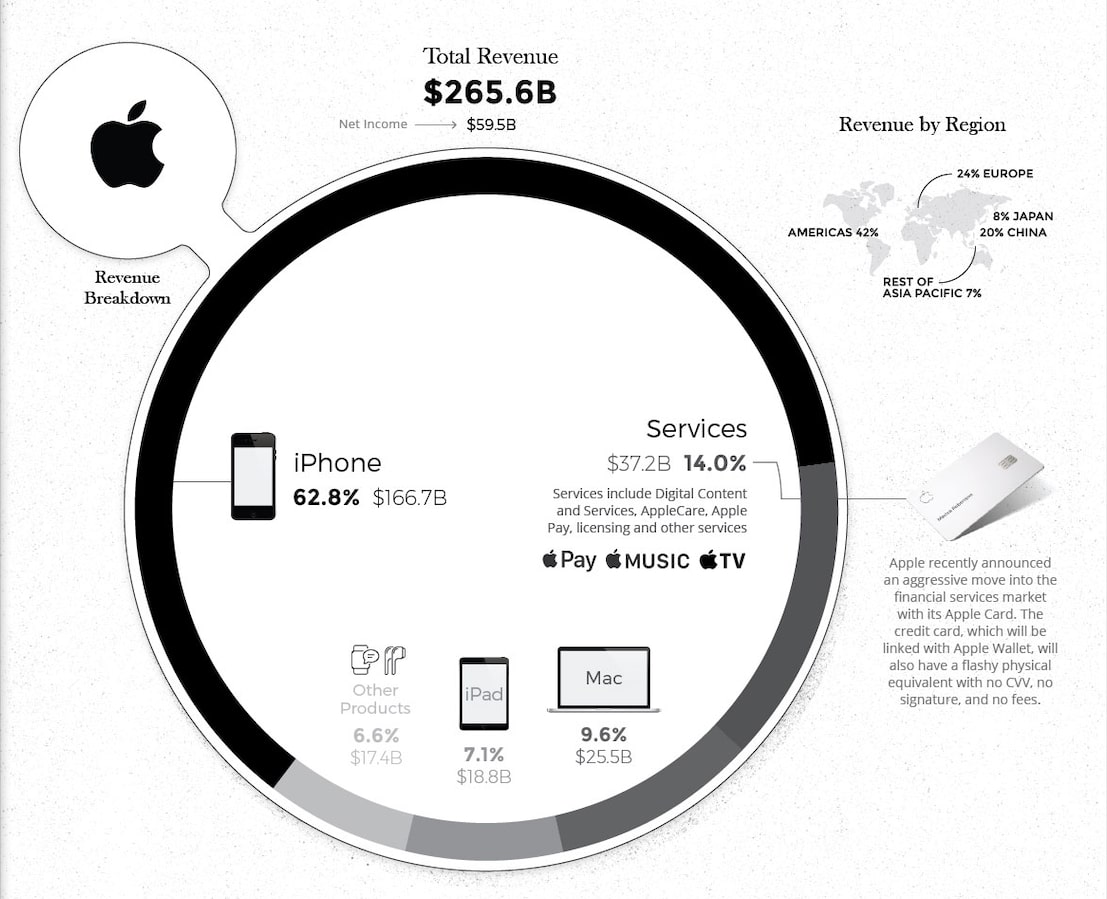 See the full story here: http://digg.com/2019/tech-companies-main-revenue-stream-data-visualization?fbclid=IwAR0v380R9zw2fMHRqAj8pNTl2t6mz16Pyoxql3jKs0LH7h15fezTZgFeJKI
Skills gap? Augmented reality can beam in expertise across the enterprise – PTC Vuforia
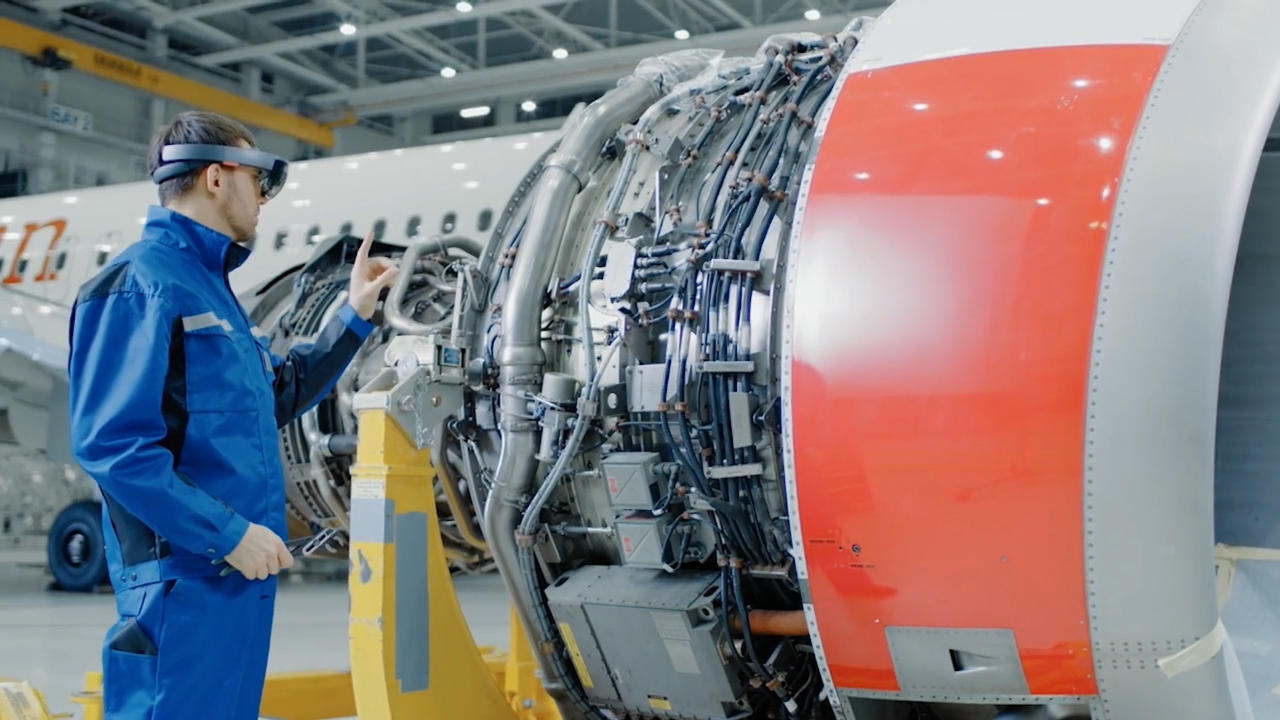 Hives of subject matter experts could man augmented reality switchboards, transferring knowledge to field.
"We are excited to offer industrial enterprises a new way to use AR to leverage the tribal knowledge of subject matter experts (SMEs) and help alleviate the skills gap crisis threatening today's industrial enterprise," says Mike Campbell, EVP, augmented reality products, PTC.
See the full story here: https://www.zdnet.com/article/skills-gap-augmented-reality-can-beam-in-expertise/
The Top 5 Virtual/Simulated Characters and How They Foretold the Future
 Virtual Character #3: Virtual Influencers: Kizuna Ai and Lil Miquela
This spot goes to two (real life?) virtual characters that never existed on TV or in the movies. They are among the biggest YouTube stars – in fact, the days of YouTube celebrities being human may be a thing of the past.
The trend stated In Japan, with Kizuna Ai, an anime-inspired character who looks cartoonish, is a major star in Japan. In 2018, the character has not one but two YouTube channels and has over 2 million subscribers. She was known as the first “virtual YouTuber” and later, Mattel launched virtual Barbie as a real character. Today YouTube estimates over half a billion views that have been attributed to virtual influencers on the platform.
See the full story here: https://variety.com/2019/tv/features/the-top-5-virtual-simulated-characters-and-how-they-foretold-the-future-1203176886/
How virtual reality could be the virtual end of hospitality
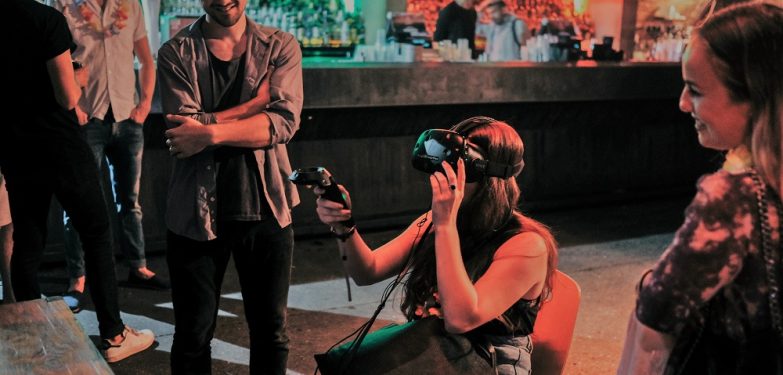 The biggest threat to the on-trade as we know it is here. And it’s goggle-shaped.
That, at least, is the hope of Larry Davies, MD of by the Cambridge-based technology firm VR Fictional. ‘The whole point of virtual reality is that it allows you to create your own narrative,’ he told Imbibe. ‘The universe that you inhabit isn’t pre-ordained.’
Davies has teamed up with top bars and restaurants all over the world to create a portfolio of ‘dream nights out’. Users simply download the venue, put on the company’s specially designed VR headsets – and are transported into the top bar or restaurant of their choice.
Food and drinks can be home-delivered by local establishments – perhaps even by the same ones that the user is ‘drinking’ or ‘eating’ in – for a fully immersive experience. What’s more, by linking VR systems, it’s possible for entire friendship groups to enjoy a virtual night out together without having to leave their homes. They need only ensure that their home fridges are stocked with vodka and Red Bull before they hit the virtual club.
See the full story here: http://imbibe.com/news-articles/general/virtual-reality-virtual-end-hospitality/
Virtual Reality Experience Takes Audience Back to 10,000 BC at This Year’s Tribeca Film Festival, April 24-May 5
 The film experience moves forward while looking backward with the U.S. premiere of CAVE, a shared virtual-reality experience that transports audiences back thousands of years, April 24 through May 5 at the 2019 Tribeca Film Festival.
CAVE was designed from the ground up to challenge the status quo of how audiences collectively experience immersive arts and entertainment. The coming-of-age tale is told using the cutting-edge Parallux system, a fundamentally new kind of shared VR technology that allows virtual experiences to be shared by many people in the same location.
Unlike conventional 360-degree VR, viewers see and hear the story—as well as one another—from a unique point-of-view within the same virtual environment, letting them feel as physically present in the shared world as they would when attending a live theater or concert event.
SPONSORS
Bose
Lenovo
Future Tech
Google
See the full story here: http://www.nyu.edu/about/news-publications/news/2019/april/virtual-reality-experience-takes-audience-back-to-10-000-bc-at-t.html