Feds Spend $1,788,748 on Virtual Reality Game for Young Gay Men
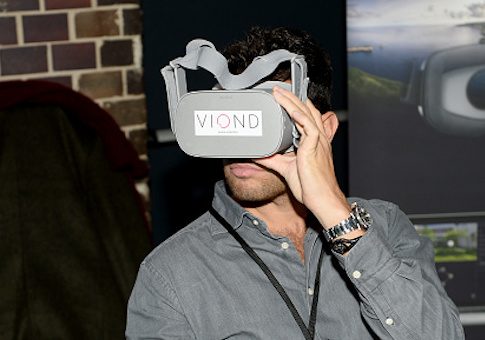
speaks on stage during TechCrunch Disrupt Berlin 2018 at Treptow Arena on November 30, 2018 in Berlin, Germany.
The National Institutes of Health is spending over $1.7 million on a virtual reality game for young men who have sex with men.
"Tough Talks" is a virtual simulation that allows young gay men to practice how to tell their partner they have HIV, using virtual reality technology. A technology training company—Georgia-based Virtually Better, Inc.—as well as the University of North Carolina at Chapel Hill and the University of Southern California Institute for Creative Technologies are creating the game.
Sixty-seven percent of young gay men do not disclose their HIV status to first-time sex partners, according to the grant behind the study. Researchers see virtual reality as a solution.
The virtual characters were given conversational skills that are "culturally sensitive to a variety of racial and ethnic backgrounds and sexual identities."
The characters are able to display a wide range of emotions, including "anger, fear, rejection, blame, ignorance, curiosity, confusion, support, concern, sympathy, empathy, acceptance, [and] love."
See the full story here: https://freebeacon.com/issues/feds-spend-1788748-on-virtual-reality-game-for-young-gay-men/
FCC greenlights Google’s radar-based gesture tech ‘Soli’
 Google has won U.S. regulatory approval to go ahead with a radar-based motion sensor that could make touchscreens look obsolete in the coming years. Known as the Soli Project, the initiative began in 2015 inside Google’s Advanced Technology and Projects unit, a group responsible for turning the giant’s cutting-edge ideas into products.
We’ve seen a number of Soli’s technological breakthroughs since then, from being able to identify objects to reducing the radar sensor’s power consumption. Most recently, a regulatory order is set to move it into a more actionable phase. The U.S. Federal Communications Commission said earlier this week that it would grant Project Soli a waiver to operate at higher power levels than currently allowed. The government agency also said users can operate the sensor aboard a plane because the device poses “minimal potential of causing harmful interference to other spectrum users.”
Soli fits radar sensors into a tiny chip the size of an American quarter to track slight hand or finger motions at high speed and accuracy. That means instead of twisting a knob to adjust the volume of your stereo, you can rub your fingers over a speaker that contains a Soli chip as if sliding across a virtual dial. Under the regulatory order, you also would be allowed to air press a button on your Soli-powered smartwatch in the future.
Aside from clearing safety concerns, the FCC also found that the sensing tech serves the public interest: “The ability to recognize users’ touchless hand gestures to control a device, such as a smartphone, could help people with mobility, speech, or tactile impairments, which in turn could lead to higher productivity and quality of life for many members of the American public.”
See the full story here: https://techcrunch.com/2019/01/02/us-fcc-approves-google-soli-project/
What to expect from CES 2019 From 5G to TVs, here are the trends to expect
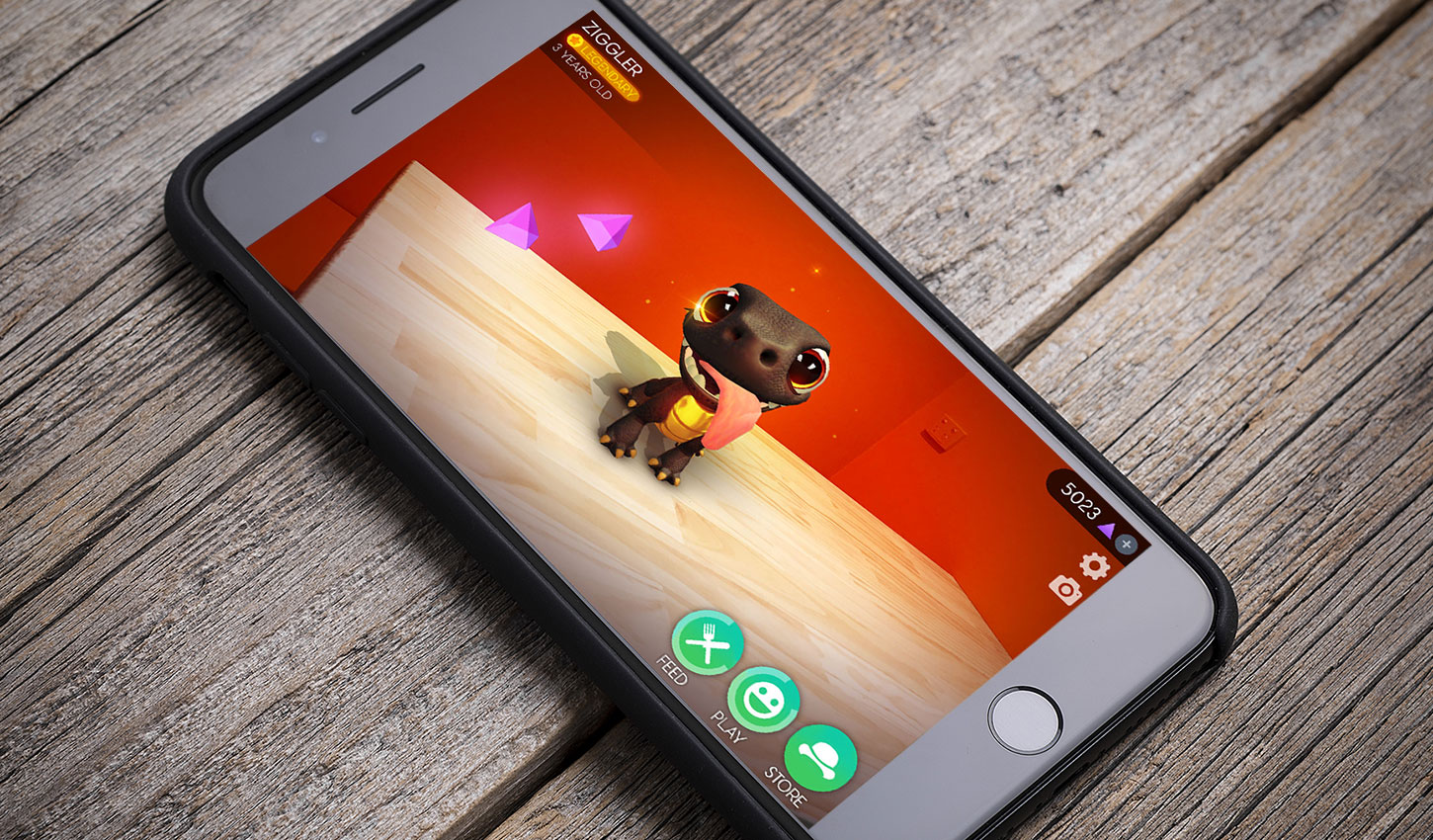 Barring any unforeseen trends, VR’s going to mostly have to sit this one out. We’ll likely see a trend toward cheaper, standalone headsets à la the Oculus Go, but most companies are currently a lot more interested in what augmented reality holds in the short-term.
AR’s immediate future is two-pronged. Most developers are focused on leveraging existing devices like smartphones and tablets, using ARKit/ARCore. But a number of headsets/glasses have already begun to pop up on the periphery. Expect plenty of these to be on display at the show as startups attempt to convince us that it’s an experience we need to bring directly to our collective faces.
See the full story here: https://techcrunch.com/2018/12/31/what-to-expect-from-ces-2019/
This clever AI hid data from its creators to cheat at its appointed task
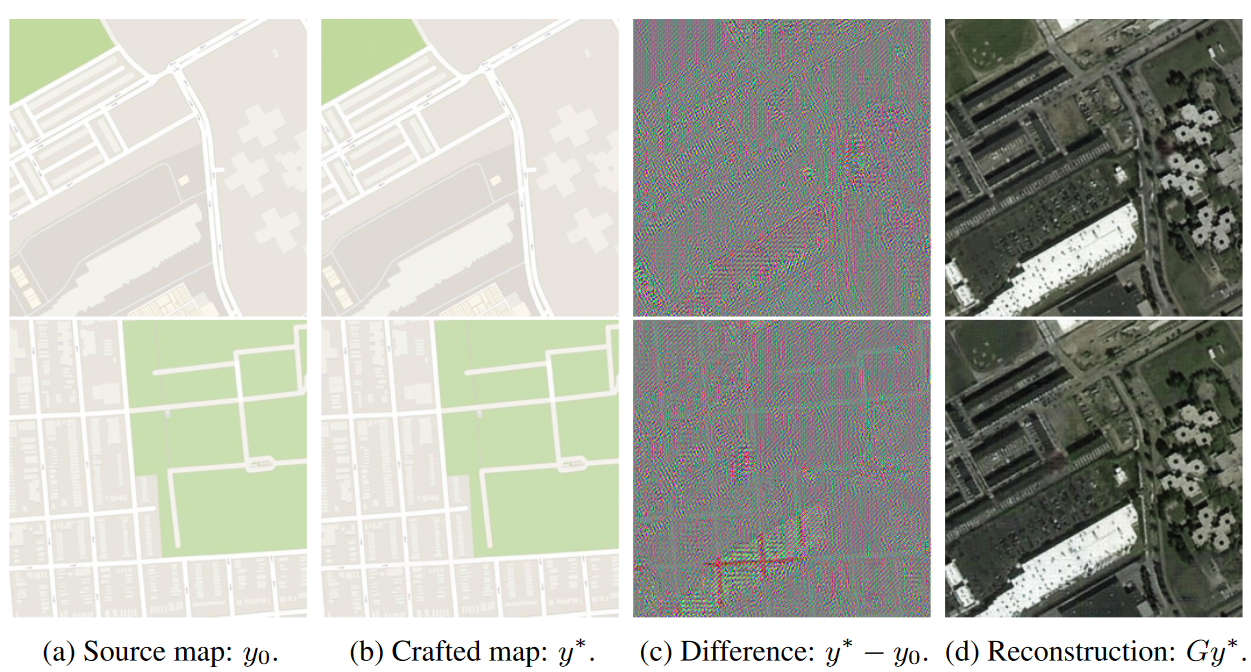 This practice of encoding data into images isn’t new; it’s an established science called steganography, and it’s used all the time to, say, watermark images or add metadata like camera settings. But a computer creating its own steganographic method to evade having to actually learn to perform the task at hand is rather new. (Well, the research came out last year, so it isn’t new new, but it’s pretty novel.)
One could easily take this as a step in the “the machines are getting smarter” narrative, but the truth is it’s almost the opposite. The machine, not smart enough to do the actual difficult job of converting these sophisticated image types to each other, found a way to cheat that humans are bad at detecting. This could be avoided with more stringent evaluation of the agent’s results, and no doubt the researchers went on to do that.
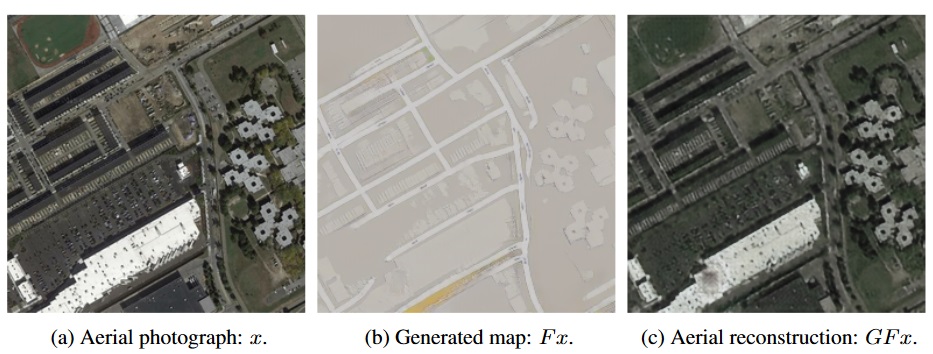 The paper, “CycleGAN, a Master of Steganography,” was presented at the Neural Information Processing Systems conference in 2017.
See the full story here: https://techcrunch.com/2018/12/31/this-clever-ai-hid-data-from-its-creators-to-cheat-at-its-appointed-task/
VIRTUAL REALITY AMUSEMENT PARK OPENS IN CHINA
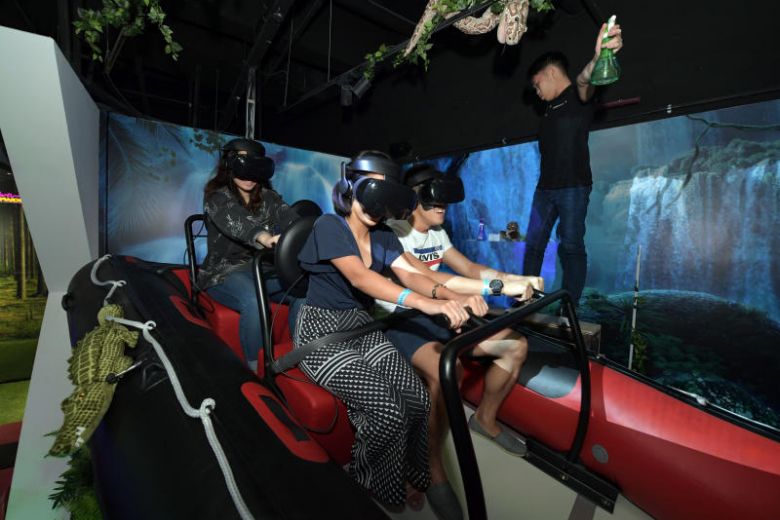
 A new virtual reality (VR) theme park has opened in Nanchang, the capital of eastern China's Jiangxi Province. It is attracting thousands of visitors every day according to a number of Asian media outlets.
The park covers 13,000 metres2, accommodating 120 sets of advanced VR amusement equipment imported from the United States, Germany, Britain and Switzerland.
"Wearing equipment, visitors can experience exciting games, such as deep sea exploration, flying and jungle bungee jumping," said Wang Xiaoqing, Vice General Manager of the park.
"We had a full-immersion experience. It felt like we were really there," said Wang Shicheng, a citizen, who brought his child to the amusement park and played VR games including deep sea diving and spacewalk.
...
In the rush to embrace VR, the province of Jiangxi in 2016 launched China's first industrial base for VR, and the city of Nanchang now boasts over 200 VR-related firms.
Nanchang hosted the 2018 World Conference on the VR Industry in October, featuring VR, the latest VR products, artificial intelligence and 5G technology.
...
Spanning 330 acres, the park contains 35 virtual reality rides, including spaceship tours, virtual roller coasters, and shooter games. There are no traditional coasters at Oriental Science Fiction Valley, but there are sci-fi-inspired castles and giant robots positioned throughout the grounds.
“There’s fierce competition in the theme park market right now,” said Oriental Science Fiction Valley Chief Executive Chen Jianli.
“We are trying to give customers a new experience by combining modern technologies such as VR and [augmented reality] with traditional recreational facilities. The sci-fi part of it is important for the feeling it creates.”
See the full story here: https://www.ausleisure.com.au/news/virtual-reality-amusement-park-opens-in-china/