Innovative Technologies Presented at IAEA (Int’l Atomic Energy Agency) Safeguards Symposium
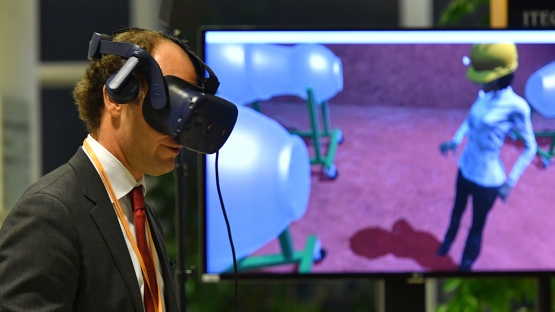 In nuclear verification, augmented reality has potential use for visualizing important inspection data and for training safeguards inspectors. Depth sensors and other optical equipment could also support the work of inspectors through the creation of 3-D models of the environment thereby facilitating the detection of any changes that may have been made at nuclear facilities.
See the full story here: https://www.iaea.org/newscenter/news/innovative-technologies-presented-at-iaea-safeguards-symposium
Seattle’s next unicorn? Valve and Disney vets raise $5M to build online VR games at BigBox VR
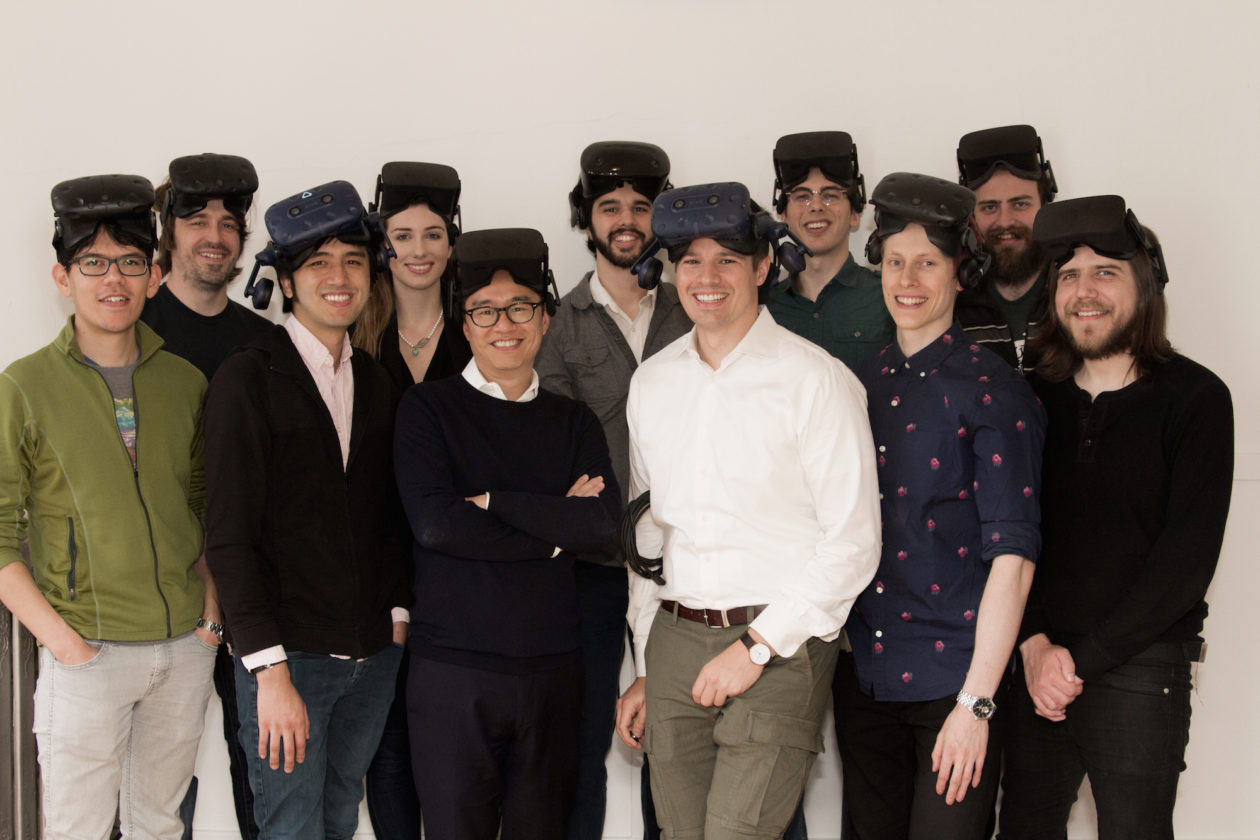 “I’m going to teach you how to fly.”
This was no ordinary tech demo. I strapped on a headset, grabbed two controllers, and entered a giant new world where BigBox VR CEO Chia Chin Lee appeared alongside me atop a building, eager to show off his company’s newest creation, Population: One.
For the next half hour, I was engrossed in a unique virtual reality experience, duking it out with teammates in a battle royale-style multiplayer game that involved using my arms and hands to climb up just about anything, shoot at the opposing squad — and yes, fly above it all.
As I took off the headset and wiped the beads of sweat off my forehead, it became easier to understand why top investors are betting on this young Seattle startup.
Population: One borrows mechanics from popular battle royale games such as Fortnite or PlayerUnknown’s Battlegrounds that have been immensely popular among PC and console gamers over the past few years. But it sets itself apart with features unique to VR, allowing gamers to climb, fly, and shoot as if they were actually doing so in real life without discomfort some may have felt with earlier versions of VR technology. BigBox calls this “FreeMotion,” which it developed after researching player comfort in virtual reality.
See the full story here: https://www.geekwire.com/2018/seattles-next-unicorn-valve-disney-vets-raise-5m-build-online-vr-games-bigbox-vr/
IBM Applies For Blockchain-Based Augmented Reality Patent
 A blockchain-based augmented reality Patent

IBM is among the first companies to file a patent relating to both AR and blockchain. The patent was filed in the U.S. Patent and Trademark Office (USPTO) on November 1st and aims to clearly define the boundaries between sensitive physical locations and people operating devices with augmented reality objects. As per the patent, a distributed ledger is used to keep track of the information so that nobody can alter the records. The patent itself is more concerned with deterring players from intruding on sensitive locations using sensors – the data itself is going to be kept on the blockchain so it cannot be altered.
“It is important for the system to verify/validate any location related transaction. Accordingly, the method includes tracking or verifying recommended locations, labels, or tags using a location/label/tag blockchain-based system. The blockchain system securely tracks, stores, and maintains location related transactions along with other location metadata”
Only Chinese company Alibaba (90) has filed more blockchain patents than IBM (89), and these two companies lead the pack by a significant margin (Security First Corp has 64 Microsoft has 40).
See the full story here: https://cryptodisrupt.com/ibm-applies-for-blockchain-based-augmented-reality-patent/
A Sense of Wonder: How Within Is Evolving Storytelling in Augmented Reality
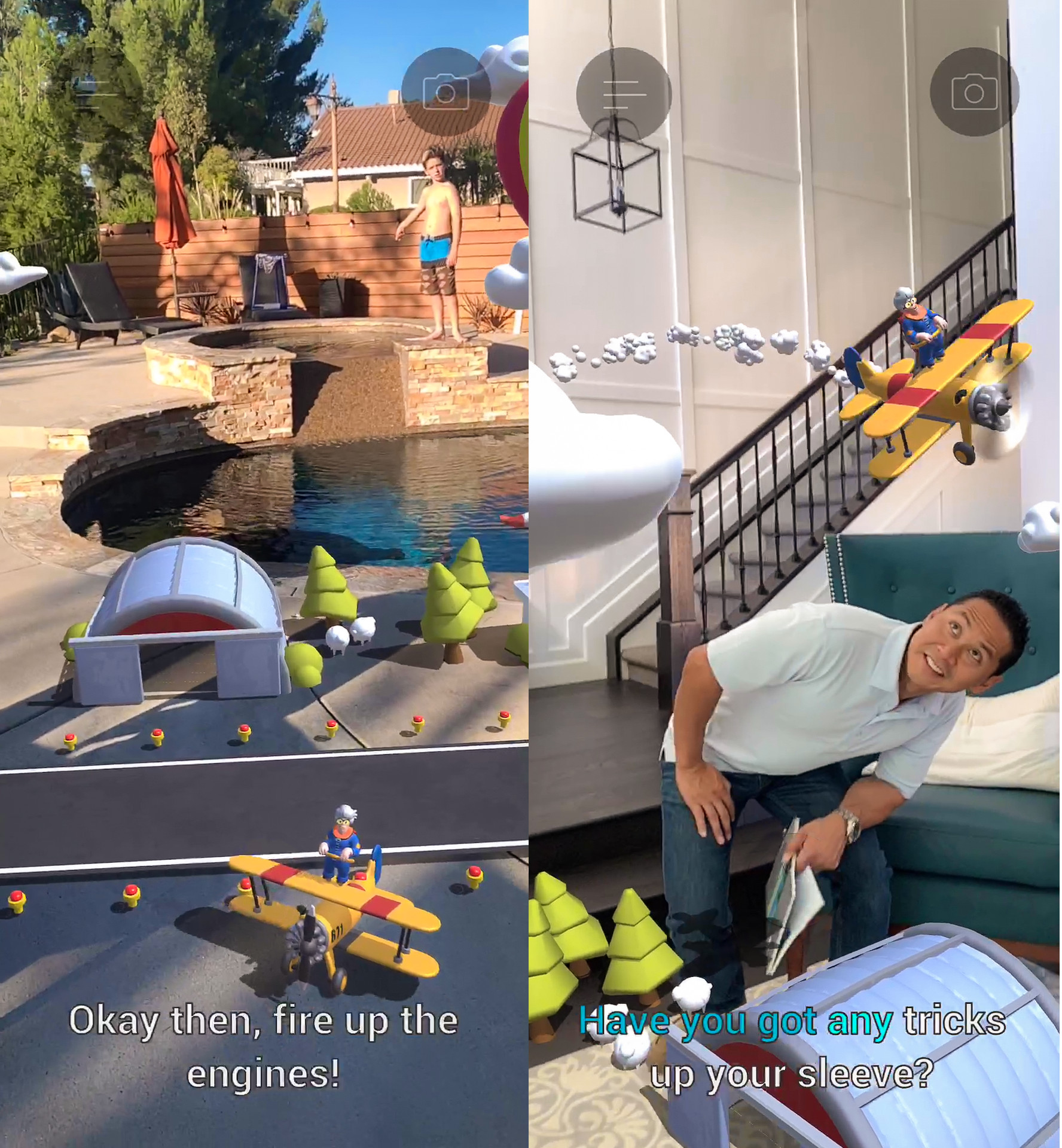 Magic Leap interaction director Aleissia Laidacker echoes this notion: “We are always saying: less is more.” At the same time, she readily admits that creating content for AR is still very much an unknown territory. “We actually don’t know all the best practices yet.”
“VR disappointed anyone who had an irrational view of what it was going to be in an irrationally short time,” he says. “We think that both AR and VR hold great promise and great potential.”
See the full story here: https://variety.com/2018/digital/features/within-wonderland-ar-storytelling-1203020435/
MelodyVR CEO On Building a Global Music Business Out Of Virtual Reality
 "Before we started there was no VR music company. It just didn't exist," reflects Anthony Matchett, founder and CEO of MelodyVR. Four years later, the London-based business is now the owner of the world's largest library of virtual reality music content, has licence agreements in place with all three majors and a number of independents (Big Machine, Roc Nation) and has worked with over 650 international artists, including Post Malone, Wiz Khalifa, Blake Shelton, Kiss, The Chainsmokers, Fall Out Boy, Imagine Dragons, Rag'n'Bone Man, The Who and Bloc Party.
However, despite generating plenty of press coverage, mainstream adoption of VR technology is yet to significantly take hold. Matchett is confident that will soon change. "These sort of things don't happen overnight," he says, predicting a buoyant future for the potentially game-changing world of virtual reality music.
Billboard: It's been six months since the initial launch of the MelodyVR app, which has since been rolled out to eight additional European countries. How has it performed?
Anthony Matchett: It's been great. What we're seeing now is that more people are getting Oculus Go [devices]. Our user numbers are increasing on a daily basis and its growing really quickly. As you would expect, we see more users on iPhone [using MelodyVR's mobile teaser app] than in VR at the moment, but that gap is closing. One thing we have noticed is that when we have got amazing artists sharing content we have created on their social media channels, loads of their fans are really excited to get it. The problem is that they haven't got a VR device yet. That is obviously a frustration, so we're looking into developing an iPhone or Android version of our platform that can work with a very low-cost viewer bundled with content.
What has the app taught you about how consumers interact with music VR?
The one resounding thing that we know is that music fans really love the unobtainable. That can be a number of different things, from being onstage with a band at The O2 to something as simple as being in the studio while an artist is recording an album.
How much content are you currently distributing on MelodyVR?
10-15 artists a month is our current rate.
How do you see VR developing in the music space over the next five years?
...Right now we're in Europe and the U.S. Up next is Australia and New Zealand and Canada. Following that parts of Asia. Beyond that we'll look to every corner of the globe.
See the full story here: https://www.billboard.com/articles/business/8483712/melodyvr-ceo-anthony-matchett-interview-virtual-reality-music-biz
Enter a new dimension: Will.i.am’s augmented reality revolution
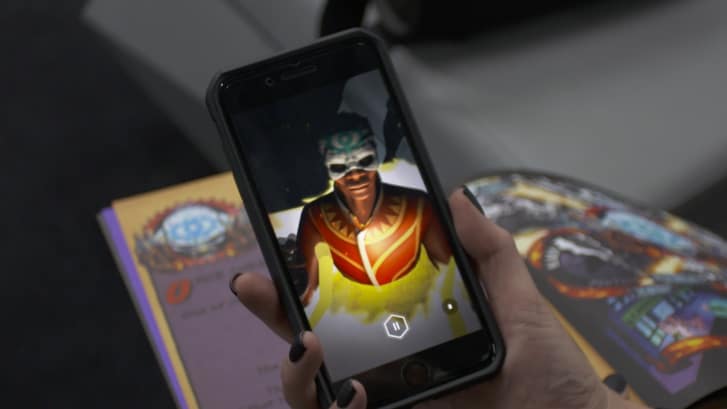
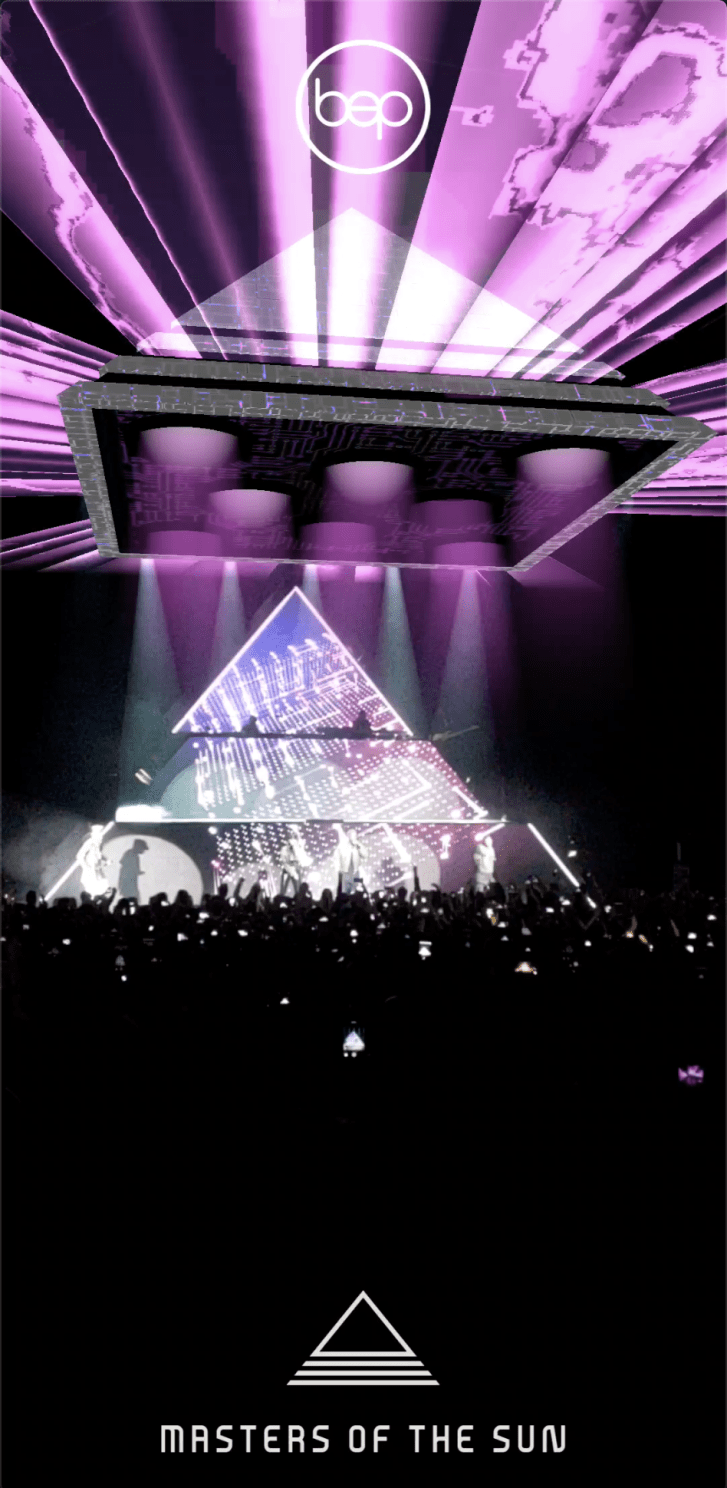 "We're doing music, (documentary), short film, long-form, graphic novel, AR, VR," says Will.i.am, whose full name is William Adams. "Things that we've never done. Things that the industry hasn't done."
The project that started this wave of projects was a graphic novel titled "Masters of the Sun." Produced with the publishing giants at Marvel in 2017, it tells what Will.i.am describes as "a heightened story on the rise and the fall of what hip-hop was meant to be." It follows a group of heroes facing off against an ancient god transforming gangsters into zombies, in an allegory for the proliferation of drugs in predominantly black communities in the 1980s.
But to fully experience the graphic novel, readers must download an accompanying AR app: "When we put AR on it, the book comes alive, so people can experience our graphic novel in three-dimensional space," Will.i.am explains. As you scan the pages with your device, characters and scenes seem to jump out of the screen.
This autumn, with their Masters of the Sun European tour promoting an album of the same name, the Black Eyed Peas are bringing their AR show on the road. During the finale, the audience is encouraged to take out their phones and watch the stage through an app that overlays the performance with colorful graphics.
See the full story here; https://www.cnn.com/style/article/will-i-am-black-eyed-peas-masters-of-the-sun-smart-creativity/
Is there any future for virtual reality in theme park attractions? “Battle for Eire” discussion
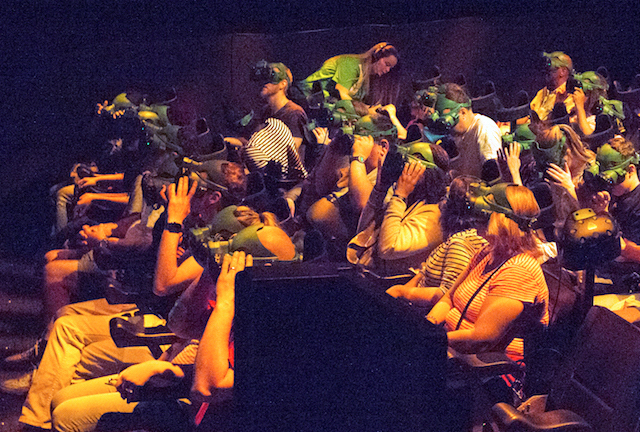 In the latest episode of our "Building the World's Best Theme Parks" podcast, I spoke with David Schaefer from Falcon's Creative Group. As Vice President at Falcon's, David oversaw the development of Battle for Eire, the virtual reality motion simulator experience that opened this year at Busch Gardens Williamsburg in Virginia.
Unlike many other VR attractions in theme parks, Battle for Eire was designed from the ground up as an original attraction and not as an overlay onto an existing ride profile. That gave the team at Falcon's Creative Group the freedom to develop an experience that rewarded guests with a more compelling story while also avoiding some of the operational hassle that doomed previous VR installations around the industry.
"We used techniques, for example, when we were producing the media, of using the motion of the camera in the virtual CGI media production, extracting that data and loading it into the motion profile of the motion base," David said.
"It eliminated that human factor of interpretation of movement and makes it computer-accurate. Things like that really help with reducing nausea and motion sickness.
"Guests are fitted up with this [head]piece in the preshow, so well before they enter the theater, they are prepared and have it all adjusted. Then once they enter the theater, it's as simple as them picking up the... VR display device and it magnetically clips on the front of that unit."
See the full story here: https://www.themeparkinsider.com/flume/201811/6391/