Soaring through Peru: Berkeley student turns summer research into augmented reality app
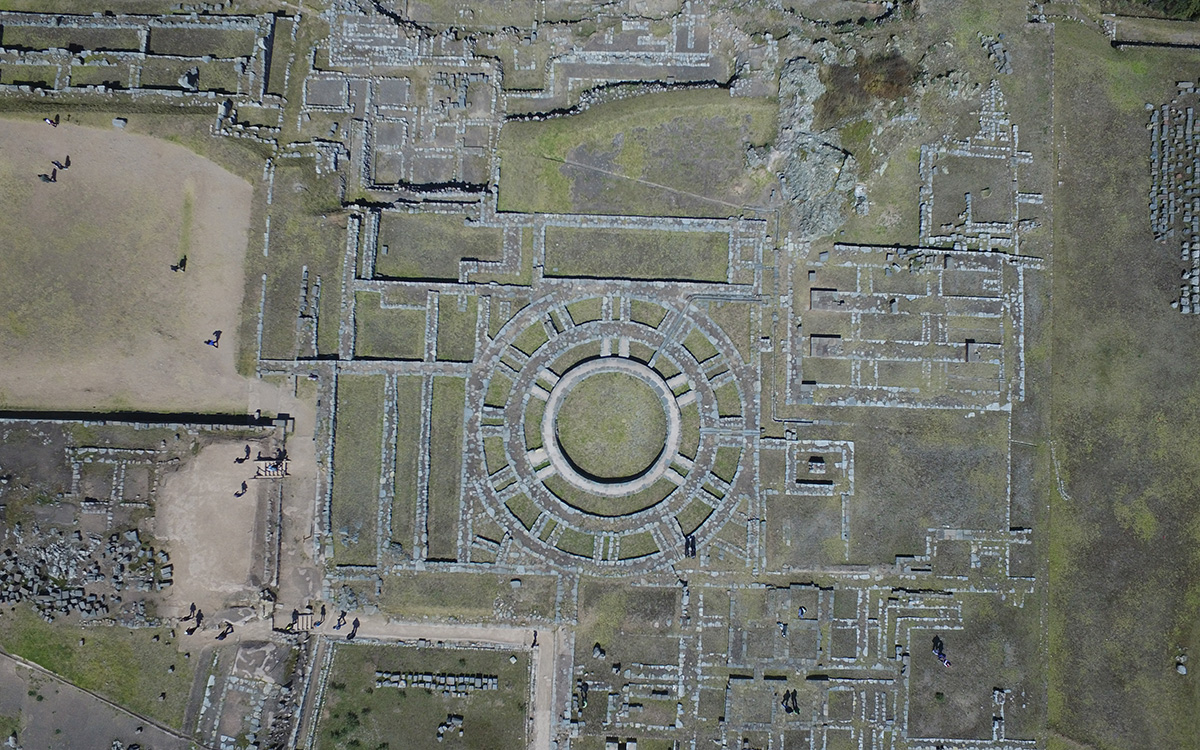
DCIM100MEDIADJI_0013.JPG
“Professor Vranich is incredibly knowledgeable and a go-with-the-flow kind of person, which is something I really liked,” Schager said. “The Cusco course wasn’t structured in the way that Berkeley classes are, and we had no idea what to expect each day of class.”
The class was taught outdoors every weekday and used the surrounding historical sites as a living classroom. Vranich brought the class to visit different ruins, waterfalls and even Machu Picchu.
“He would point out many hidden parts to the architecture, like how the Inca architecture was built right into the mountains and landscapes,” Schager said.
Originally from Apple Valley, California, Schager studies cognitive science. She had taken courses in artificial intelligence, and had a background in 3D modeling and 3D graphics. What she lacked was extensive drone-flying experience.
Before leaving for Peru, Schager’s friend in the Berkeley UAV club taught her how to fly a drone. She first had to get a drone-flying license, register as a drone-flyer and then pass safety training in order to practice in the United States. These steps are not required in Peru, but the practice proved invaluable. She conducted test flights and familiarized herself with the DJI Phantom 3 Professional model, which is the same model Vranich had for her in Peru.
See the full story here: http://news.berkeley.edu/2018/04/05/soaring-through-peru-berkeley-student-turns-summer-research-into-augmented-reality-app/
Serve up OHI with a dose of augmented reality. Wait, what?
 In August, I finished my master’s in education with a focus in digital learning. My goal was to become a more effective teacher, using technology in the classroom for my millennial learners. I was playing around with a new app for the classroom when it dawned on me that it could be a powerful tool for delivering OHI to patients at home. It’s called HP Reveal (formerly known as Aurasma), and it’s an augmented reality program. Using the HP Reveal app, you can become a patient’s personal daily OHI coach.
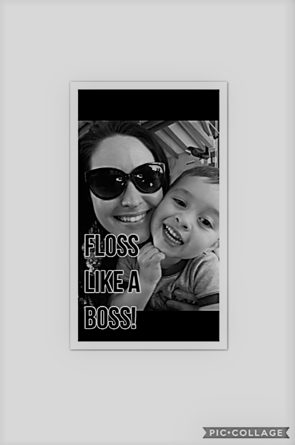
Now, scan the image below that reads “Floss Like a Boss” using the app. You should see a video on proper flossing. This is called an aura, a video overlay connected to an image. If the image isn’t tracking well, try scanning the same image on cruzconnect.org.
See the full story here: http://www.dentistryiq.com/articles/2018/04/serve-up-ohi-with-a-dose-of-augmented-reality-wait-what.html
Generation Z Is Already Bored by the Internet
 Phone boredom occurs when you’re technically “on your phone,” but you’re still bored out of your mind. It’s that feeling when you’re mindlessly clicking around, opening and closing apps, looking for something to do digitally and finding the options uninteresting.
See the full story here: https://www.thedailybeast.com/generation-z-is-already-bored-by-the-internet
Apple applies for patent that lets riders virtually fight zombies or hang glide in self-driving cars
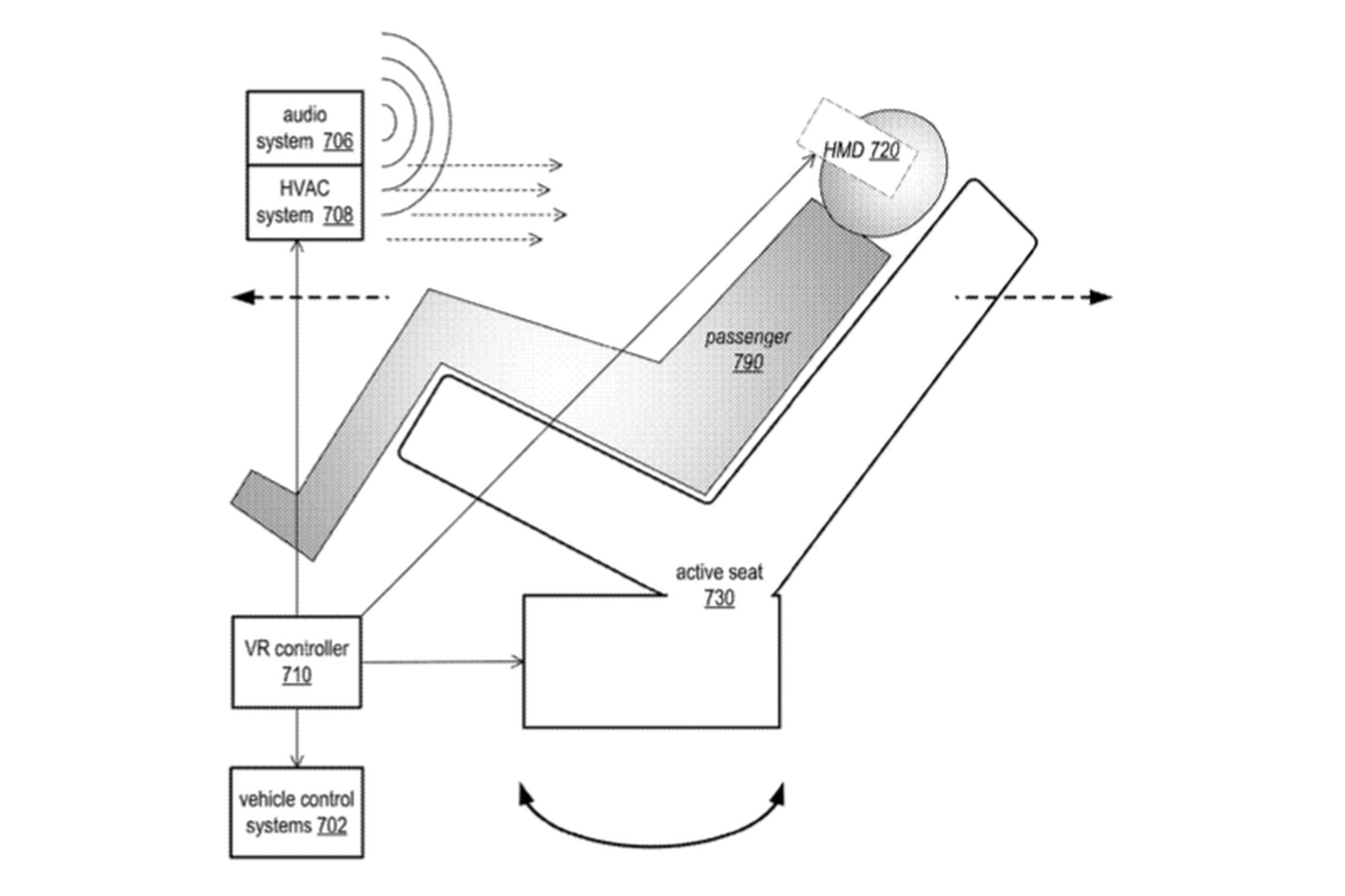 The patent, applied for in September 2017 and published last week, is framed as a way to “address problems with vehicles in motion that may result in motion sickness for passengers” by replacing views of the real world with virtual environments. On top of that, the patent proposes at least one VR controller that generates virtual content for projection and a mechanism for projecting onto windows of the vehicle. The visuals could then sync with an “active seat” and motion sensors, integrating the physical effects of driving (like turning around corners or stopping at a red light) into these virtual environments. Augmented reality is also mentioned, where content is displayed in a view of the real world in the front of the vehicle.
Passengers may choose to have relaxing virtual experiences … such as floating down a river or soaring over the landscape in a hang glider, or exciting virtual experiences such as a car chase or driving through a post-apocalyptic wasteland with zombies attacking … if the vehicle stops at a red light or for some other reason when fleeing zombies … the virtual experience may cause the vehicle to appear to stall and not allow the car to be restarted until the light turns green to build suspense.
See the full story here: https://www.theverge.com/2018/4/2/17188782/apple-virtual-augmented-reality-patent-self-driving-cars
Better story here: http://www.etcentric.org/apple-submits-vr-patents-for-next-gen-autonomous-vehicles/
Apple Submits VR Patents for Next-Gen Autonomous Vehicles
Myra Mirrors Wants to Outfit Every Bathroom With An AR-Enabled Mirror
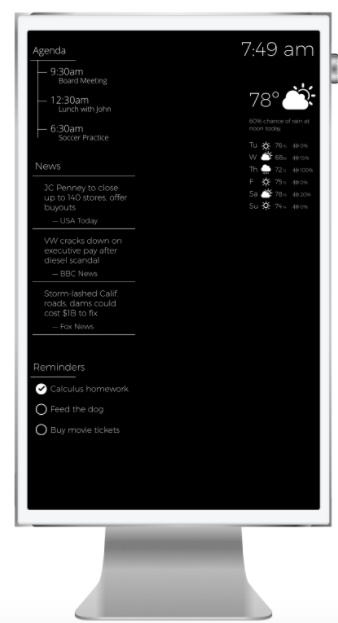 In the summer of 2015, Bertolet founded Mississippi-based Myra Mirrors with his co-founder Pontus Andersson to build their own line of smart mirrors along with customizable smart glass surface software, ReflektOS.
“What we’re doing with our software is providing developers with a clean, transparent canvas, if you will, when they’re creating the application,” says Bertolet. “We want them to create solid augmented reality applications. We will license this to developers to get into our facet store and it will be free of charge.”
Their first products are all-in-one reflective mirrors with a 10-inch makeup mirror and a 27-inch wall mirror options. They come equipped with an operating system kit, augmented reality capabilities, and an in-device app store. While customers can add cameras if they prefer to do so, the hardware doesn’t come with one embedded to protect the customers’ privacy.
“Our RGBW light bar helps you control the lighting on your face, if you want to simulate different environments with makeup,” says Bertolet. “It functions as a premium Bluetooth stereo speaker as well.”
The Myra Mirrors team is in the process of raising a funding round after forming strategic partnerships at Consumer Electronics Show expo earlier this year. The funds will help the Mississippi-born startup kickstart production and scale its product after perfecting the prototypes.
See the full story here: https://hypepotamus.com/companies/myra-mirrors/
I watched the national championship in virtual reality and it was sports purgatory
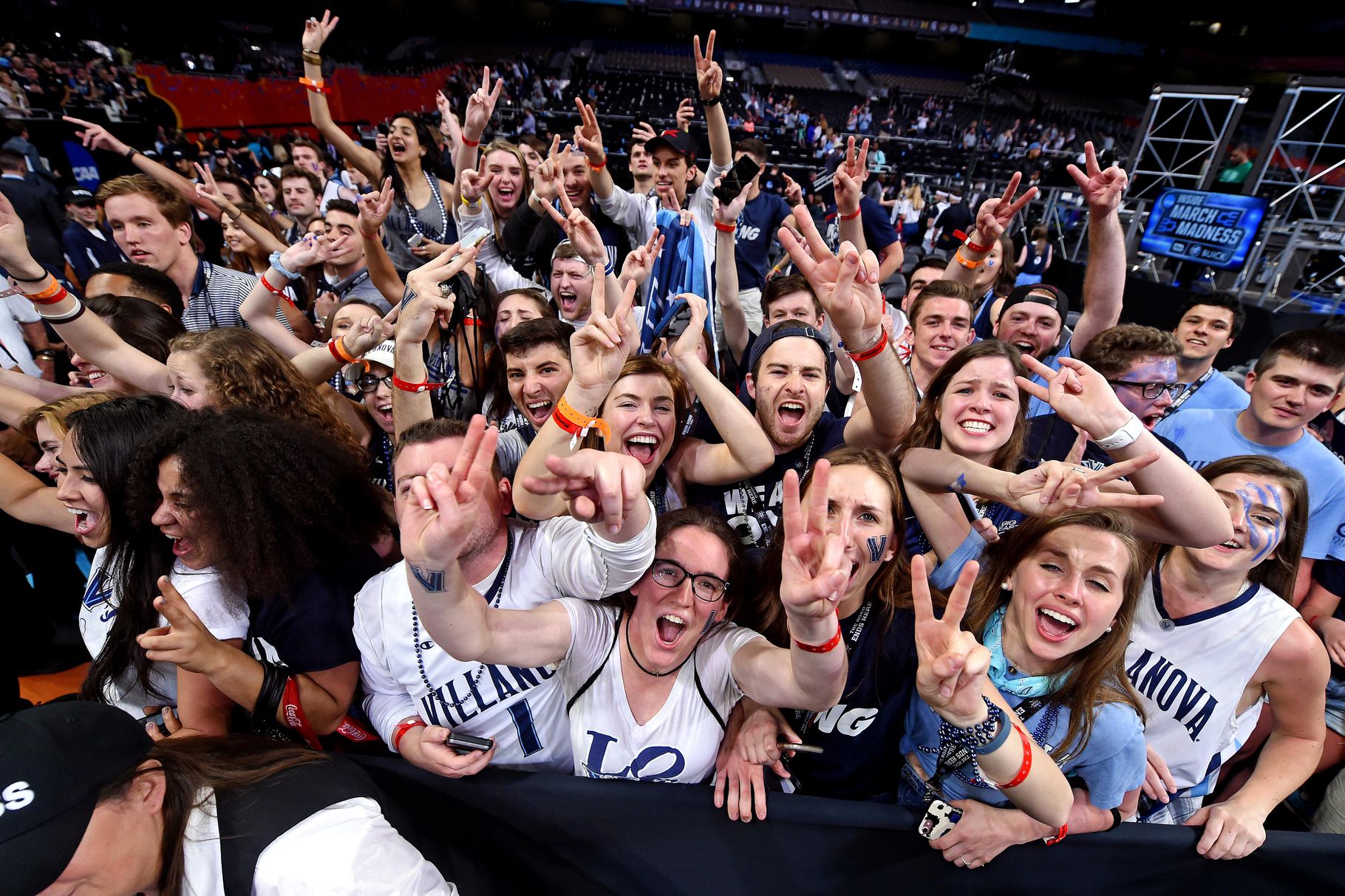 You can’t be in two places at once, but I’m currently sitting on the Michigan bench of the men’s NCAA basketball national championship game in San Antonio. I’m also in an overly-air conditioned private room of Jay-Z’s 40/40 club in New York City. The downside is that in order to bend space and time, I must keep a bulky virtual reality set strapped to my head. I look like a total dweeb and I feel slightly nauseous.
This event is a publicity thing for Intel’s VR experience. They partnered with Turner Sports to broadcast 21 of the March Madness games in virtual reality this year. A bunch of tech bloggers, many marketing people, and one Steve Lavin — the former head coach of UCLA and St. John’s who now calls games for the VR broadcasts — mill about, drinking beers, eating wings, and strapping these plastic boxes to their heads.
...
“It’s like a VCR,” Lavin says. “When they came out, everyone was like, ooh, a VCR! We didn’t know it could be better. Same with a microwave. Now the standards are so high, we’re always waiting for technology to improve.”
Perhaps Lavin is right — maybe the VR experience will change and become the default as it gets better. Maybe with a smaller headset and great WiFi, watching a game like this with your friends could foster a sense of community and engagement.
But as it stands now, this type of viewing experience doesn’t feel very human — and humanity is sports’ saving grace.
See the full story here: https://www.sbnation.com/2018/4/3/17192218/villanova-michigan-ncaa-national-championship-game-virtual-reality-40-40-club-jay-z
To protect artificial intelligence from attacks, show it fake data
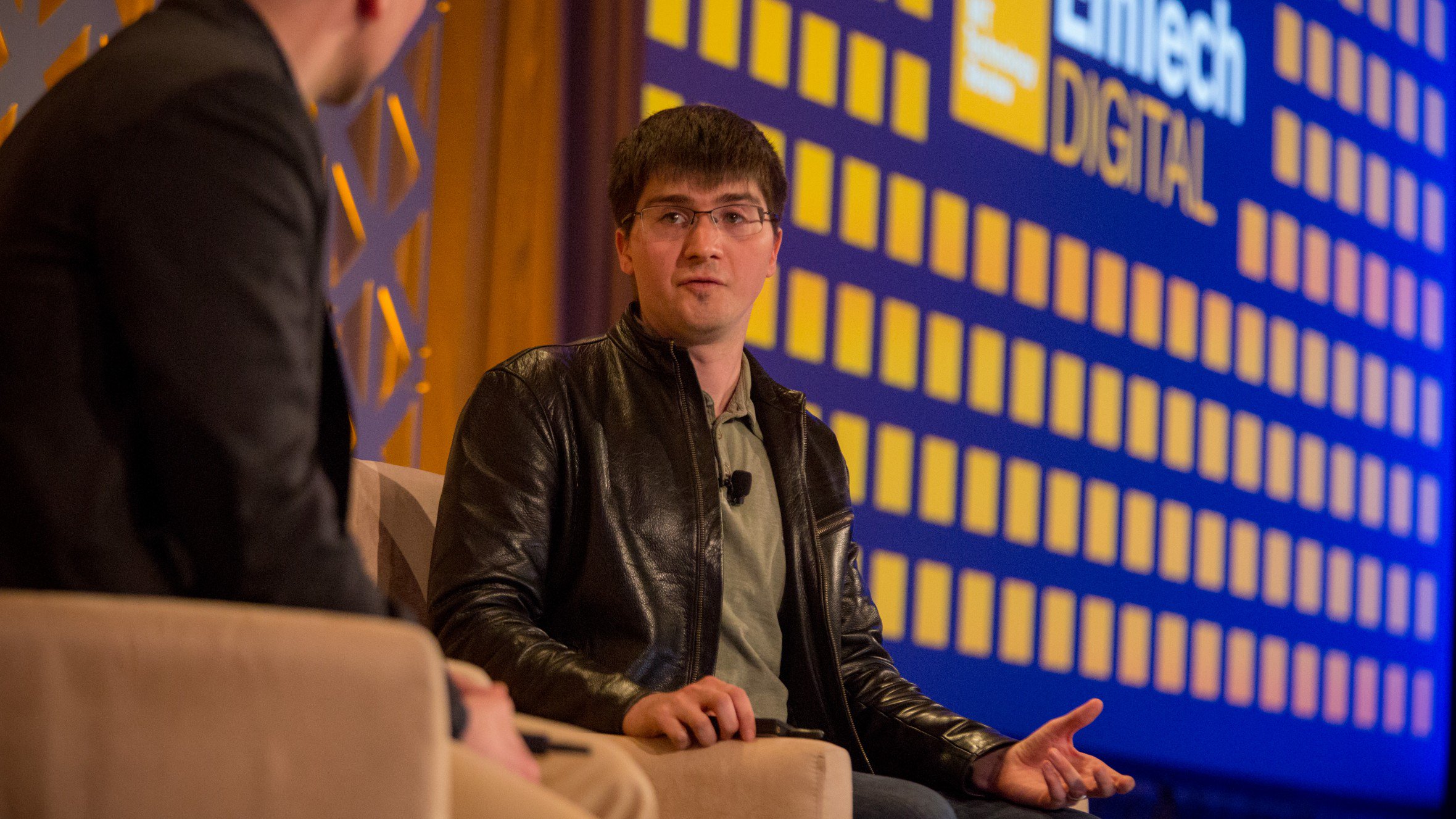 At MIT Technology Review’s annual EmTech Digital conference in San Francisco this week, Google Brain researcher Ian Goodfellow explained how researchers can protect their systems.
Goodfellow is best known as the creator of generative adversarial networks (GANs), a type of artificial intelligence that makes use of two networks trained on the same data.
...he focused on his current main research interest, defending machine-learning systems from being fooled in the first place. He says for earlier technologies, like operating systems, defense of the technology was added afterwards, a mistake he doesn’t want made with machine learning.
“I want it to be as secure as possible before we rely on it too much,” he says.
...bots or spammers are trying to use similar methods to look like more legitimate traffic and accomplish their goals.
Luckily, Goodfellow says, there is still time to prepare our systems to defend themselves from AI-enabled attacks.
See the full story here: https://www.technologyreview.com/s/610656/to-protect-artificial-intelligence-from-attacks-show-it-fake-data/
Fake news 2.0: personalized, optimized, and even harder to stop
 Sean Gourley, founder and CEO of Primer, a company that uses software to mine data sources and automatically generate reports for US intelligence agencies via In-Q-Tel, the intelligence community’s investment fund, told a conference in San Francisco that the next generation of fake news would be far more sophisticated thanks to AI.
“The automation of the generation of fake news is going to make it very effective,” Gourley told the audience at EmTech Digital, organized by MIT Technology Review.
Technology such as Primer’s could easily be used to generate convincing fake stories automatically, he said, and that could mean fake reports tailored to an individual’s interests and sympathies and carefully tested before being released, to maximize their impact. “I can generate a million stories, see which ones get the most traction, double down on those,” Gourley said.
Gourley added that fake news has so far been fed into social-media platforms like Facebook essentially at random. A more sophisticated understanding of network dynamics, as well as the mechanisms used to judge the popularity of content, could amplify a post’s effect.
See the full story here: https://www.technologyreview.com/s/610635/fake-news-20-personalized-optimized-and-even-harder-to-stop/