Magic Leap to Offer “Deep Dive” on AR Game Design at GDC
 At GDC 2018 next week in San Francisco, Magic Leap will present an hour long sponsored session titled The World is Your Playground: Deep Dive on Developing for Spatial Computing. The session pulls together the company’s chief content officer, Rio Caraeff, interaction director, Aleissia Laidacker, director of interaction lab, Brian Schwab, and creative director, Jeremy Vanhoozer, for a look at the creative possibilities of AR and spatial computing:
Join four well-known developers, now at Magic Leap, as they discuss how storytelling, art, interactions and more can be brought to life using spatial computing. Attendees will be introduced to the concept of spatial computing, where tech is able to detect and respond to the environment, creating a seamless blend of the real and the digital, offering new potential for game experiences. They will learn best practices from the developers and designers building the platform and defining the medium. And they will be encouraged to bring their existing knowledge and experience to take on the opportunities and challenges presented by the development of games on this next computing platform.
The web can be weaponised – and we can’t count on big tech to stop it
 It’s dangerous having a handful of companies control how ideas and opinions are shared. A regulator may be needed
Google Maps Helps Develop Real-World Gaming Experiences
 Google is enabling game developers to create “Pokémon Go”-like experiences in which game elements are embedded into real-world maps using the new Google Maps API and the Unity game engine. Over 200 games are already in development. Next Games is developing a game based on the popular TV series “The Walking Dead,” and NBCUniversal and Ludia will release a “Jurassic World Alive” location-based game for mobile. Because Google Maps updates in real time, developers can create gaming experiences with a sharp eye on reality.
According to VentureBeat, the new Google Maps application programming interface (API) will make it “much simpler to create games based on real-world locations — yet animated in reimagined ways such as a medieval fantasy or bubble gum candy land or a zombie-infested apocalyptic city.”
Developers have the ability to transform buildings, roads and parks into game objects, adding any number of features to make them unique to the gaming world they’re creating.
“With Google Maps data integrated into Unity, we were able to focus our time and energy on building detailed virtual experiences for our users to find virtual dinosaurs in the real world,” said Alexandre Thabet, CEO of Ludia.
Google plans to demo the new Google Maps API combined with Unity tech at next week’s Game Developers Conference in San Francisco.
See the full story here: http://www.etcentric.org/google-maps-helps-develop-real-world-gaming-experiences/
How Netflix Thinks About the Future
 Virtual reality. Most of Netflix’s key competitors have made some moves to embrace virtual reality (VR). Hulu has developed its own VR app, for which it has been licensing exclusive content from Ryot, Live Nation and others. Amazon hasn’t launched its VR efforts yet, but job offers and hires hint at a pretty significant commitment. And Disney, which is set to become a direct competitor when it launches its own streaming service in 2019, released one of the most advanced social VR experiences last year.
Netflix on the other hand has been on the sidelines, and apparently has no plans to change that. “We’ll keep an eye on it, but we don’t have any plans to invest in significant content creation for VR,” said the company’s chief product officer Greg Peters last week. Peters reiterated a point his boss, CEO Reed Hastings, has been making for some time: VR seems like a great fit for gaming, but not so much for Netflix.
Smart speakers. Netflix may not run on a device that doesn’t have a screen, but the company is still exploring how to make use of smart speakers for control and content discovery.
Sports and news. Facebook and Twitter may be spending more and more money on sports rights, but Netflix has no plans to join them.
“We don’t do news, we don’t do sports,” Hastings said.
Light Field Capture and high frame rates. Netflix has a team of a dozen employees just working on keeping up with current audio and video production technologies. That team, the audio-visual group, tests the latest production cameras, displays and other equipment to understand which cameras work best for capturing HDR for Netflix’s original productions. “It’s important for us to understand how each camera sees the world,” said Netflix’s managing director for production technologies Chris Clark.
Something that could come to Netflix sooner than footage captured with light field cameras are high frame rates, which are often touted as the next step to improve image quality.
Theme parks and merchandise. “That would be amazing,” admitted Hastings about the prospects of seeing Netflix IP in theme parks. Alas, the company has no such plans. “Not in the short-term,” said Hastings. “Not in the next five or ten years.”
However, the company already did its first merchandise deals last year, selling “Stranger Things” shirts, action figures and even a Eggo-themed “Stranger Things” card game at Target and Hot Topic. “That’s a big one for us,” Hastings said. “We’ll be doing more of that over time.”
See the full story here: http://variety.com/2018/digital/news/netflix-theme-parks-vr-smart-speakers-1202724366/
YOUTUBE WILL LINK DIRECTLY TO WIKIPEDIA TO FIGHT CONSPIRACY THEORIES
 On Tuesday, however, YouTube CEO Susan Wojcicki detailed a potential solution. YouTube will now begin displaying links to fact-based content alongside conspiracy theory videos.
Wojcicki announced the new feature, which she called "information cues," during a talk with WIRED editor-in-chief Nicholas Thompson at the South by Southwest conference in Austin, Texas. Here’s how it will work: If you search and click on a conspiracy theory video about, say, chemtrails, YouTube will now link to a Wikipedia page that debunks the hoax alongside the video. A video calling into question whether humans have ever landed on the moon might be accompanied by the official Wikipedia page about the Apollo Moon landing in 1969. Wojcicki says the feature will only include conspiracy theories right now that have "significant debate" on the platform.
Merely placing links to factual information alongside videos won’t solve the company’s moderation problems wholesale. For one, as Zeynep Tufekci at The New York Times and others have pointed out, YouTube’s recommendation algorithm is often how users end up seeing conspiracy theories in the first place. Wikipedia in particular can also be edited by anyone, and has had its own reliability issues in the past.
See the full story here: https://www.wired.com/story/youtube-will-link-directly-to-wikipedia-to-fight-conspiracies/?CNDID=52793295&mbid=nl_031418_daily_list1_p3
Drake and Ninja are playing Fortnite live on Twitch
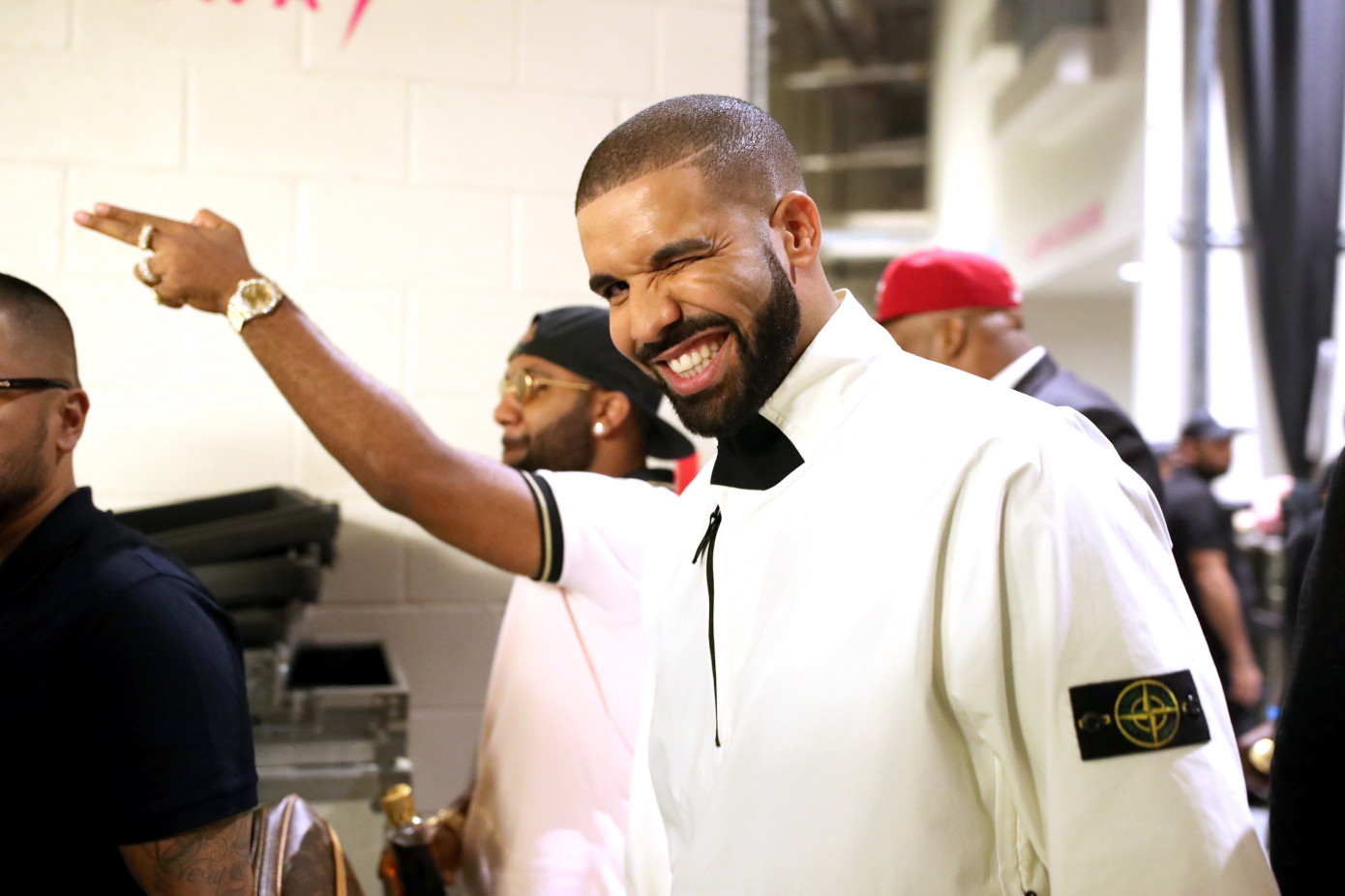
LAS VEGAS, NV - MAY 21: Drake attends the 2017 Billboard Music Awards at T-Mobile Arena on May 21, 2017 in Las Vegas, Nevada. (Photo by Chris Polk/BBMA2017/Getty Images for DCP)
In all seriousness, it’s a big moment for esports and livestreaming in general. The fact that mainstream celebrities are not only spending their time playing (and talking about) massively popular video games, but doing it live so hundreds of thousands of others can watch is a huge validator for the future of the two industries and companies like Twitch and Epic Games
See the full story here: https://techcrunch.com/2018/03/14/drake-and-ninja-are-playing-fortnight-live-on-twitch/?utm_medium=TCnewsletter
VIRTUAL REALITY OPENING UP NEW WORLD OF OPPORTUNITY FOR RESEARCHERS
![virtual reality crop[id-2111612]](http://philiplelyveld.com/wordpress/wp-content/uploads/2018/03/virtual-reality-cropid-2111612.jpg) Speaking on day two of the MRS annual conference, Impact 2018, Becky Loftus, head of audience insight at the RSC, explained a project to understand how audience experience of Titus Andronicus differed according to whether people watched in a theatre, or saw a broadcast in a cinema, or saw the play via a VR headset. Heart rates were tracked via a wrist device, and interviews done with participants afterwards.
Speaking on day two of the MRS annual conference, Impact 2018, Becky Loftus, head of audience insight at the RSC, explained a project to understand how audience experience of Titus Andronicus differed according to whether people watched in a theatre, or saw a broadcast in a cinema, or saw the play via a VR headset. Heart rates were tracked via a wrist device, and interviews done with participants afterwards.
Pippa Bailey, head of innovation at Ipsos MORI, which worked on the project, said 91% of the VR group felt there were moments when they felt they were actually in the theatre, compared to just 64% of the cinema group.
...
Peter Pashley, head of development with ustwogames, the developers of VR game Lands End, described eight key elements of a successful VR experience:
- Do extensive user testing and react to what people say
- Remember that people are having a physical experience, not just a virtual one
- Make the experience comfortable, and reduce the likelihood of motion sickness
- Make it an interactive experience so users don’t get bored
- Engage people’s curiosity and imagination
- Consistency of visual experience is more important than making it photo-realistic
- Great sound can make a huge difference
- Every second people give to VR is time they’re detached from the real world. Make sure their time is rewarding.
See the full story here: https://www.research-live.com/article/news/virtual-reality-opening-up-new-world-of-opportunity-for-researchers/id/5035812
WHY IT’S SO HARD TO DESIGN FASHIONABLE AUGMENTED-REALITY GLASSES
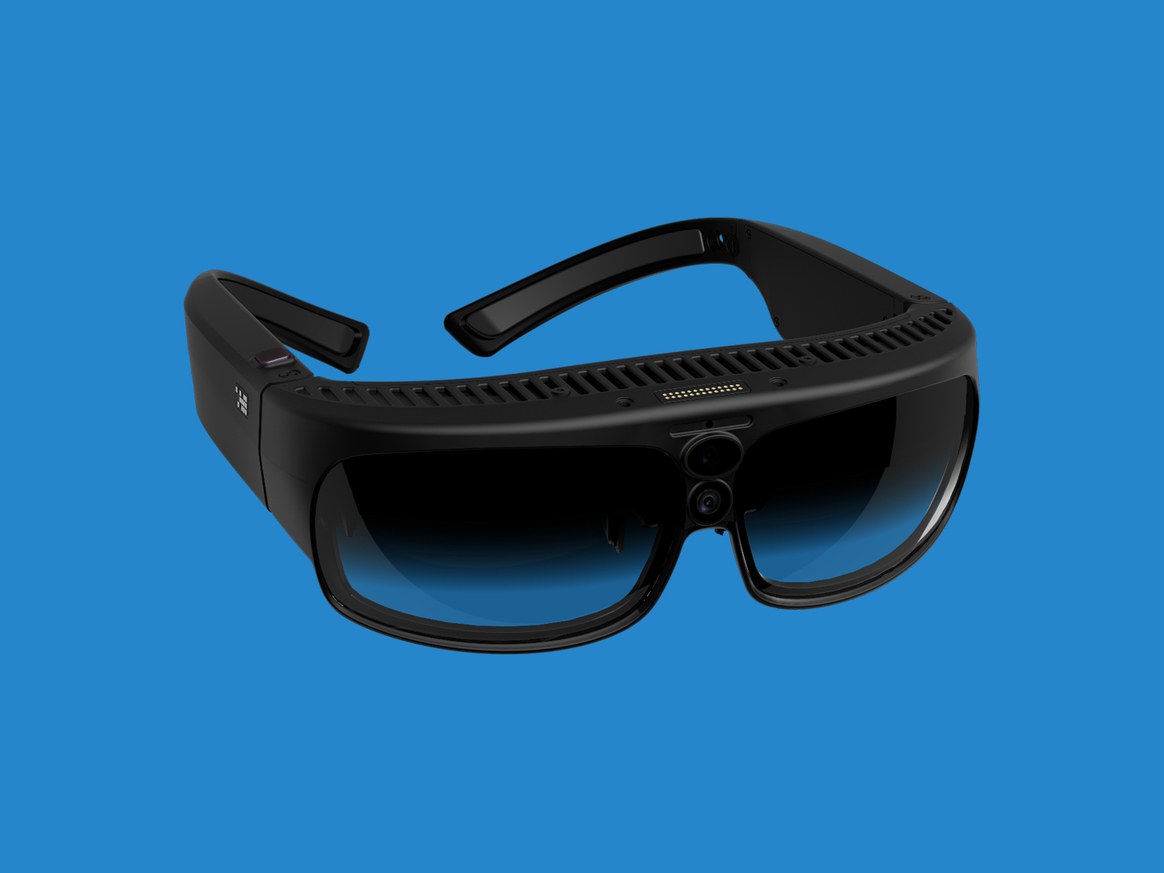 The race to make that first pair of commercially successful augmented reality glasses is on, with companies big and small lurching to become the AR platform you wear all the time. It could be Snapchat, with its second iteration of Spectacles. It could be Toshiba, with its new eyewear aimed at enterprise users, or Google, with a remake of Glass. It could be Vuzix or ODG, Intel or Bose, Realmax or Magic Leap. The list goes on and on.
Some of these smart glasses come close to taking the power and convenience of a mobile phone and resting it on the bridge of your nose. But none of the current designs will make you look like you're walking bravely into the AR future.
"The battle is between immersive functionality and non-dorky, even cool-looking design."
Nima Shams, VP of Headworn at ODG, says the company's goal is to "design the next mobile computing platform."
On the other end of the spectrum are Intel's Vaunt Glasses, which debuted last month. The glasses have thick black frames and can project phone notifications, directions, and incoming messages onto a tiny display in the periphery.
... The company eschewed a camera, a microphone, a speaker, and other hardware to keep the frames sleek and lightweight. To call them stylish would be generous, but they come close to something you might not be embarrassed to wear in public.
See the full story here: https://www.wired.com/story/why-augmented-reality-glasses-look-so-bad/