philip lelyveld The world of entertainment technology

5Feb/18Off

USC Backs A Record-setting March Immersive Hackathon
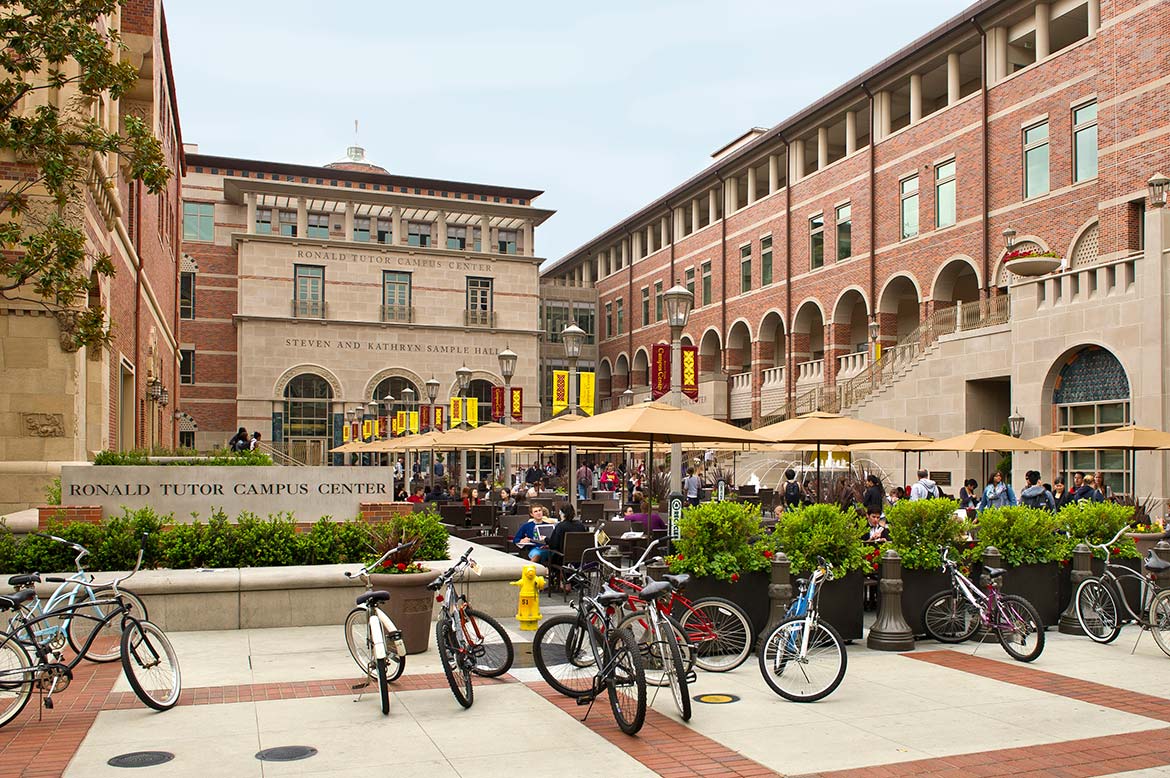
USC-Ronald_Tutor_Campus_Center-plaza-wideThe Creating Reality Hackathon, sponsored by USC, will inspire participants from USC and around the world to build original AR and VR applications. Over the course of four days (March 12-15), attendees will form interdisciplinary teams to design and create new experiences. The hackathon is sponsored by the USC School of Cinematic Arts, the Viterbi School of Engineering Game Pipe Lab and the Iovine and Young Academy.

See the full story here: https://uploadvr.com/usc-backs-immersive-hackathon/

5Feb/18Off

Guest post: What We Should Worry About When We Worry About Virtual Reality

My friend Cathy O’Neil just sent me an article she wrote for the NY Times reviewing two books by technologists about virtual reality (VR). Part of her take was that neither book talked enough about ways that VR could be abused, and she speculated that worrying about VR was still mostly the provenance of science fiction writers (think Star Trek) rather than technologists.

Personalization. We’ve learned over the last quarter century that we don’t mind being monitored (cookies, GPS, Fitbits), just as long as some benefits (recommendations, special offers, traffic advice, a tailored Facebook feed, the ability to broadcast our 5.4 mile running route to all our friends) come from crunching the resulting data. Never mind who might be storing all that data or what they might be doing with it.

Addictiveness. By now it’s sort of a cliche to hear a technologist speak thoughtfully about how they won’t let their children near smartphones or Instagram until they’re in high school, or to read articles about internet use sprinkled with multiple mentions of dopamine. Won’t this all seem quaint in a few years, when internet porn gives way to (personalized!) VR sex, and your social network can deliver a full VR simulation of your crush’s reaction to the cute photo you just posted, not just a stylized thumbs-up or heart. Um, yeah, VR is going to make the virtual world way more addictive. “Why go into the outside world at all, it’s such a fright,” as Black Flag sang, to their televisions, and that was at least two whole generations of technology ago!

Marketing. I was born in the Soviet Union, which had no ads, and it always felt strange to me that our entire media landscape (or, today, our entire information landscape) was driven by companies inserting little messages meant to sell you things. For one thing, I was always a bit skeptical that advertising was actually worth it. Well, with VR, there’ll be no question, because we’ll be able to track the outcomes of ads so precisely: eyeballs widen, heart rate rises just a bit, electrical activity heightens in the buying center of the brain (which by this time we will have effectively mapped, using — what else — VR technology). Advertisers will know exactly which ads worked (so the economy will make sense!), and, with predictive analytics and the heavy volumes of data attached to VR, they’ll also know which ads will work, for any given person. And lots of them will, because VR’s ability to virtually sample any product you might imagine might make it the most effective advertising medium ever. If today we think about ads as delivering eyeballs and clicks, in the age of VR, they might be delivering (virtual) wallets directly.

See the full story here: https://mathbabe.org/2018/02/05/guest-post-what-we-should-worry-about-when-we-worry-about-virtual-reality/

and here: https://sensemadehere.wordpress.com

5Feb/18Off

‘Jurassic Island’ uses augmented reality to bring dinosaurs to life

Dutch theme park Huis Ten Bosch (HTB) here will open Jurassic Island from April 28, where Nagashima island and its woods will provide a stage for thrill-seekers to do battle with fierce “dinosaurs” in a realistic outdoor setting.

The venue in Saikai, which occupies about 39,000 square meters in Omura Bay next to HTB, is about 6 kilometers from the main park.

Willing “warriors” must first take a 40-minute ferry ride to embark on the adventure.

The park’s operator, Huis Ten Bosch Inc., acquired the island in 2015 and has since been exploring ways for using it.

Participants will wear AR goggles and walk around the island, fighting off dinosaurs that appear in their vision.

See the full story here:

5Feb/18Off

VIBE (VIBE): The Coin Taking Live Music into Virtual/Augmented Reality
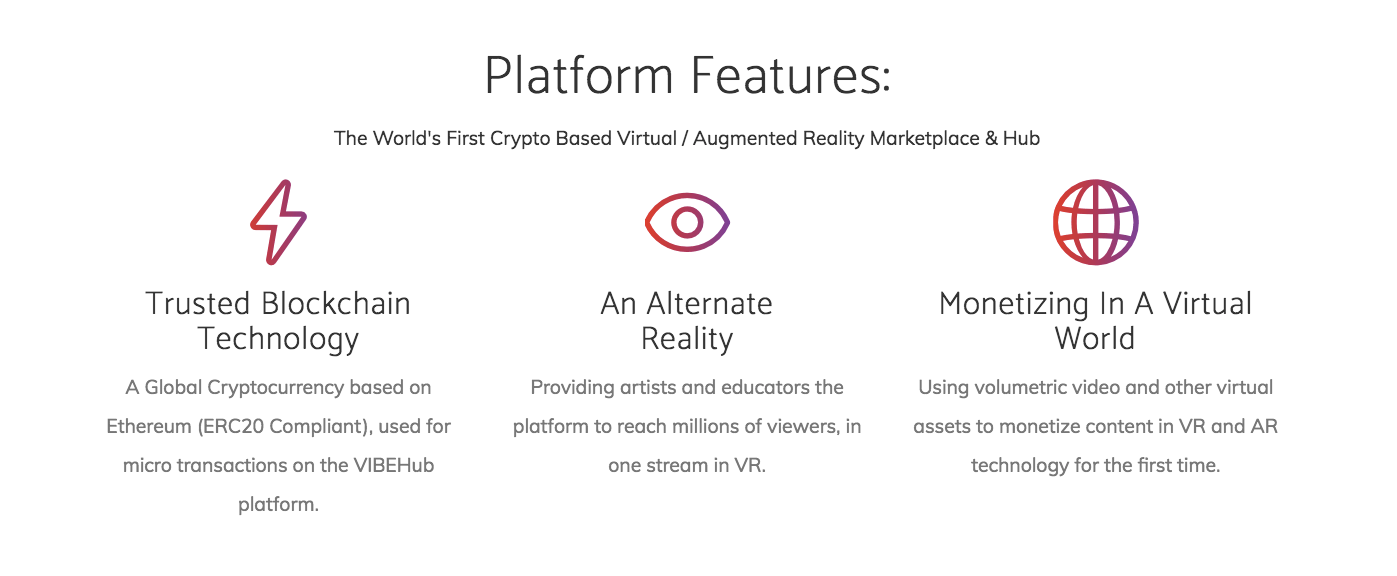
Screen-Shot-2018-02-04-at-3.20.55-PMIt was only a matter of time until some startup out there started to fuse the concepts of blockchain technology with the possibilities that VR and AR have to offer – and that’s the VIBE (VIBE) coin.

What is Vibe (VIBE)?

This platform is being developed into a marketplace for artists, educators, and more to broadcast and monetize virtual and augmented reality streams directly to their fans. It’s a decentralized platform built on the Ethereum (ETH) network, where there is no middle man – and NO FEES or GAS.

See the full story here: https://theusacommerce.com/vibe-vibe-the-coin-taking-live-music-into-virtual-augmented-reality/

5Feb/18Off

Virtual reality roller coaster, funnel cake restaurant to open at LEGOLAND

r-legoland-roller-coaster-vThe Great LEGO® Race is the first virtual reality roller coaster experience designed for kids. It’s the first time the LEGO brand and mini-figure characters have been integrated with VR technology in a theme park attraction.

Guests must be at least 42 inches tall to ride The Great LEGO Race, or be accompanied by a responsible adult at least 48 inches tall.

The Funnel Cake Factory will also open this spring. The Funnel Cake Factory will be just steps away from the roller coaster in the theme park’s LEGO® Technic area and will offer freshly made-to-order funnel cakes with toppings including fresh fruit, powdered sugar and soft-serve ice cream.

See the full story here: http://wfla.com/2018/02/05/virtual-reality-roller-coaster-funnel-cake-restaurant-to-open-this-spring-at-legoland/

2Feb/18Off

Royal Caribbean will add trampoline virtual reality experience to Independence of the Seas

img36In a press release about the Skypad coming to Mariner of the Seas, the experience is described as, "Guests will strap in and don their virtual reality headset to transport them to another time and planet to bounce over moon craters or compete in intergalactic games. The out-of-this-world experience is for guests of all ages, and also can be enjoyed without virtual reality headsets, for those who prefer to look out over the ocean as they leap toward the sky."

See the full story here: https://www.royalcaribbeanblog.com/2018/02/01/royal-caribbean-will-add-trampoline-virtual-reality-experience-independence-of-the-seas

2Feb/18Off

Pokémon GO creator Niantic buys Escher Reality AR startup

images niantic-logoEscher Reality builds backend services for cross-platform mobile AR so users can interact with each other and objects in the environment. The startup offered functionality for shared experiences that was absent in both Google’s ARCore and Apple’s ARKit.

Persistent experiences mean that the AR system remembers where you placed objects in your AR home or can tell when another person is moving them around and keep you updated accordingly; it extends much deeper than that, but foundationally it makes interactive environments capable of being shared.

The startup was one of the clear standouts from its Y Combinator class and we even highlighted it in our list of favorites. What made it so appealing was that it delivered less-sexy backend services to a platform everyone was talking about but nobody (still) really understands.

See the full story here: https://techcrunch.com/2018/02/01/niantic-buy-escher-reality-ar-startup/

1Feb/18Off

New designs for ‘neuromorphic’ processors could mean faster, cheaper AI

To understand what these researchers have done, you need to know a little about neuromorphic chips. The key difference between these processors and the ones used in your computer is that they process data in an analog, rather than a digital fashion. This means that instead of sending information in a series of on / off electrical bursts, they vary the intensity of these signals — just like our brain’s synapses do.

PB283224.0This means that more information can be packed into each jolt, drastically reducing the amount of power needed. It’s like the difference between morse code and speech.

A big difficulty with building neuromorphic chips, though, is being able to precisely control these analog signals. Their intensity needs to vary, yes, but in a controlled and consistent fashion.

See the full story here: https://www.theverge.com/2018/1/24/16927040/ai-neuromorphic-engineering-computing-mit-brain-chip

1Feb/18Off

Virtual Reality Y Combinator Supermedium launches its virtual reality web browser backed by Y Combinator

The team at Supermedium wants to build a VR browser that fully lives up to the promises they see in WebVR, a platform that can take you from a link to a fully immersive world in seconds. They’re more focused on creating a ground-up solution that is built to accommodate 3D content first with the eventual goal of creating a web where you can hop in between 3D experiences without ever leaving them.

When you jump into Supermedium, experiences don’t take minutes to download, they take seconds to open. It offers a great place for users to quickly find bite-sized VR experiences that aren’t only very cool, but also showcase that WebVR’s potential is pretty endless.

See the full story here: https://techcrunch.com/2018/01/31/supermedium-launches-its-virtual-reality-web-browser-backed-by-y-combinator/?ncid=mobilenavtrend


31Jan/18Off

Black Box VR Brings Virtual Reality Fitness To The San Francisco Mass Market

What makes Black Box VR different is that it takes the fitness element and places it in a real gym setting. You're not just DDR-ing it (Audioshield style) to work up a sweat, but you're actually targeting specific muscles with weight and resistance exercises.

The first Black Box VR gym is set to open in San Francisco this year; think of it as a mix of SoulCycle and HTC Vive headsets.

See the full story here; https://www.forbes.com/sites/zarastone/2018/01/30/black-box-vr-brings-virtual-reality-fitness-to-the-san-francisco-mass-market/#89bd3e26bd9e