McDonald’s Christmas campaign includes augmented reality experience
 Every food tray in McDonald's will include an advent calendar, which comes to life with games, camera filters and instant win opportunities with the use of augmented reality app Blippar.
Customers simply download the app, hold their phone over the tray mat and watch a new advent calendar door come to life each day. There will be thousands of £10 Amazon gift vouchers going up for grabs via the app.
This is part of the McDonald’s Christmas campaign, which focuses on good times and celebrates the role of the restaurant chain during the festive period.
The campaign launches today (21 November) with the premiere of "Juliette the Doll" – a 90-second film, which focuses on a vintage wooden doll who comes to life after being left on the shelf for another year.
See the full story here: http://www.eventmagazine.co.uk/mcdonalds-christmas-campaign-includes-augmented-reality-experience/brands/article/1416206
Here One earbuds are wireless ‘computers for your ears’
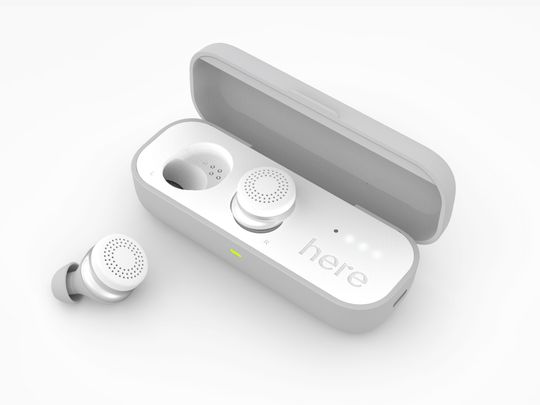 Here One begins shipping in February. It's available on the company's website, and will be sold at big-box stores that have yet to be named. Retailing for $299, Here One is nearly double the price of Apple's announced-but-delayed AirPods, but they also promise to do far more than simply reproduce sound without a cord.
Packed with multiple microphones and packaged in a charging-station box, Here One is positioning itself as an always-in device that can create a multi-tiered soundscape that boasts what Kraft describes as "layered listening, directional hearing and smart noise filters."
An accompanying Here One app allows users to customize the sound reaching their eardrums with a screen touch, though ultimately Kraft says the idea is for machine-learning algorithms to kick in and choose listening parameters based on your profile and location.
For example in an office setting, Here One can leverage the GPS in your smartphone to tell its app to start playing music, turn down background chatter and turn on a setting that allows anyone speaking in front of you to be heard over the music.
See the full story here: http://www.usatoday.com/story/tech/news/2016/11/22/here-one-earbuds-wireless-computers-your-ears/94233730/
China’s Internet Boom – Online experimentation doesn’t have to be limited to tech companies.
 The most significant innovation is happening not among Chinese Internet companies but in the country’s so-called “real” economy. Corporations in old-school sectors like construction, agriculture, transportation, and banking are pursuing new business models based on big data, social media, and the Internet of things.
...
So it’s China’s largest residential-property developer—not a tech company—that is pioneering the integration of Internet-based technology and services into fully wired communities. Vanke wants to create urban hubs that supply residents with gardens, safe food, travel, entertainment, and medical and educational services, all enabled by the Internet.
China’s insurance and banking industries have also embraced the Internet. Firms like Ping An Insurance recognized early on the opportunity to build customized models for risk assessment based on information gleaned from 24/7 tracking of physical and online activities.
Regulatory and finance structures in the West militate against this kind of experimentation, but China’s corporate culture encourages the broad reach. Asia specializes in big-tent conglomerates with protean areas of interest: a boat maker goes into semiconductors; a snack vendor might have an automotive division.
...
Information, entertainment, retail, and communication were the easy plays for U.S. companies, the real-economy sectors that the Internet could infiltrate without too much trouble. Chinese companies will be first to bring the Internet to the other realms of life and industry.
Then the West could be playing catch-up with the East.
See the full story here: https://www.technologyreview.com/s/601686/chinas-internet-boom/
This security camera was infected by malware 98 seconds after it was plugged in
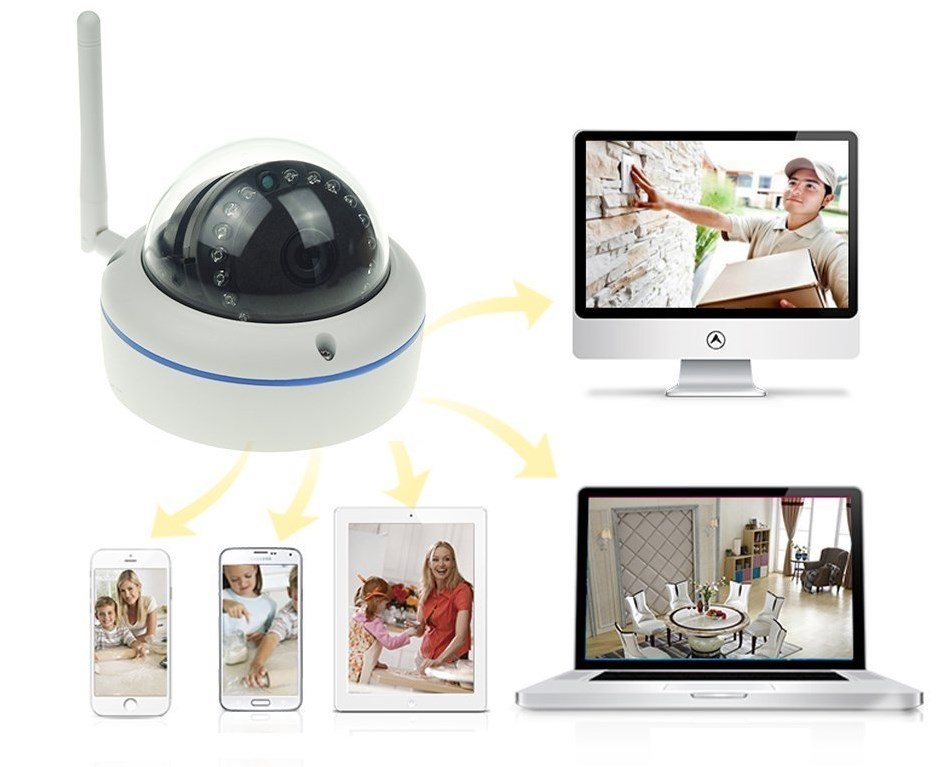 Ninety-eight seconds after it jumped on the Wi-Fi, the camera was attacked by a Mirai-like worm that knew the default login and password. The worm (its advance agent, really) checked the specs of its new home and then downloaded the rest of itself onto the device and, had Stephens not locked it down beforehand, would then be ready to participate in all manner of online shenanigans.
See the full story here: https://techcrunch.com/2016/11/18/this-security-camera-was-infected-by-malware-in-98-seconds-after-it-was-plugged-in/?ncid=tcdaily
Surgeon behind the first HEAD transplant unveils a virtual reality system to prepare patients for the experience
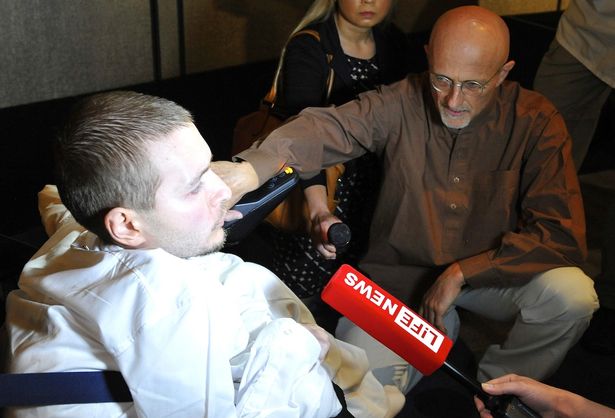 A neurosurgeon planning to carry out the first human head transplant has unveiled a virtual reality system that will "prepare patients for life in a new body".
Professor Sergio Canavero wants to carry out the operation next year and believes it could lead to people paralysed from the neck down being able to walk again.
Russian wheelchair user Valery Spiridonov has volunteered to take part in the first operation, which would see his head "frozen" to stop brain cells from dying and tubes connected to support key arteries and veins.
The spinal cord would then be cut, repaired and fused on to a donor body and the skin stitched back together.
If successful the process could still lead to "unexpected psychological reactions" from the patient as they get used to their new life, so a virtual reality world to prepare them for a different body is being developed.
See the full story here: http://www.mirror.co.uk/tech/surgeon-behind-first-head-transplant-9285705
Planar’s latest buy takes aim at virtual reality
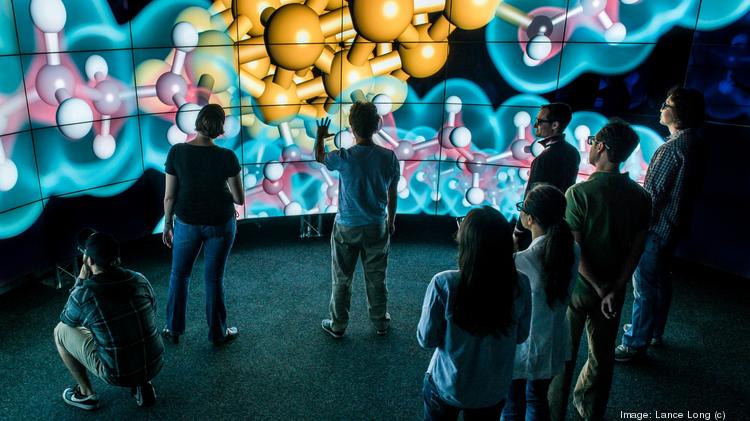 Beaverton-based display maker Planar Systems may not be the first local company to spring to mind when thinking about virtual or augmented reality, but the 33-year-old company is in fact working this emerging market into its business.
The company made a major move in this direction last week when it acquired Corvallis-based NaturalPoint for $125 million in cash. NaturalPoint, which has 60 employees, makes optical tracking and motion control technology, both of which are needed for an immersive VR experience.
Planar has been building out virtual reality within physical space with video walls and 3-D visualizations, Davis said. Uses for these high-end setups have included architectural design walk-throughs and big data visualizations or simulations for commercial and military use.
See the full story here: http://www.bizjournals.com/portland/news/2016/11/17/planars-latest-buy-takes-aim-at-virtual-reality.html
THE VIRTUAL REALITY REPORT: How the early days of VR are unfolding and the challenges it must overcome to reach mass adoption
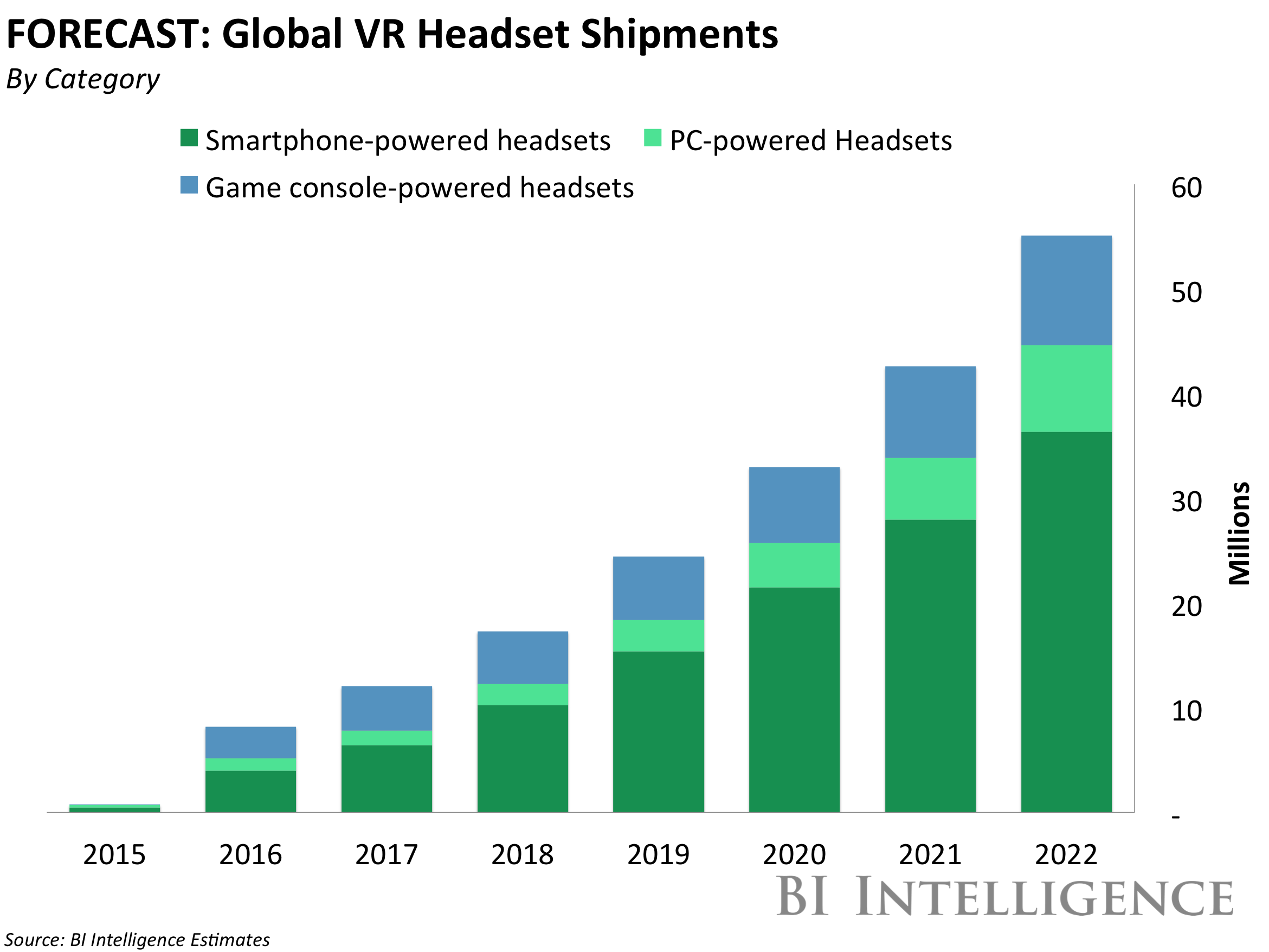
Here are some key takeaways from the report:
- This has been an important foundational year for the VR market. New hardware and content have brought more options to market to appeal to a wider set of consumers.
- But the growth seen this year is merely a foreshadowing of the future. The highly fragmented VR market today will eventually narrow as the market grows and matures.
- After considerable progress in 2016, the VR market is ripe for transformation in 2017. Developers, consumers, investors, and hardware makers have a host of options from which to choose, each with their own strengths and shortcomings.
- The environment is poised for the first killer VR app to hit the market sometime in 2017, which will be a major catalyst for consumer adoption of VR hardware.
- Not all headset categories and platforms will emerge as winners in the near future. More immersive headsets that offer the best VR experiences are too expensive for most consumers. Alternately, affordable headsets that rely on smartphones as processors offer sub-par experiences that can induce sickness.
See the full story here: http://www.businessinsider.com/virtual-reality-report-2016-11