Project uses augmented reality to showcase Schoharie
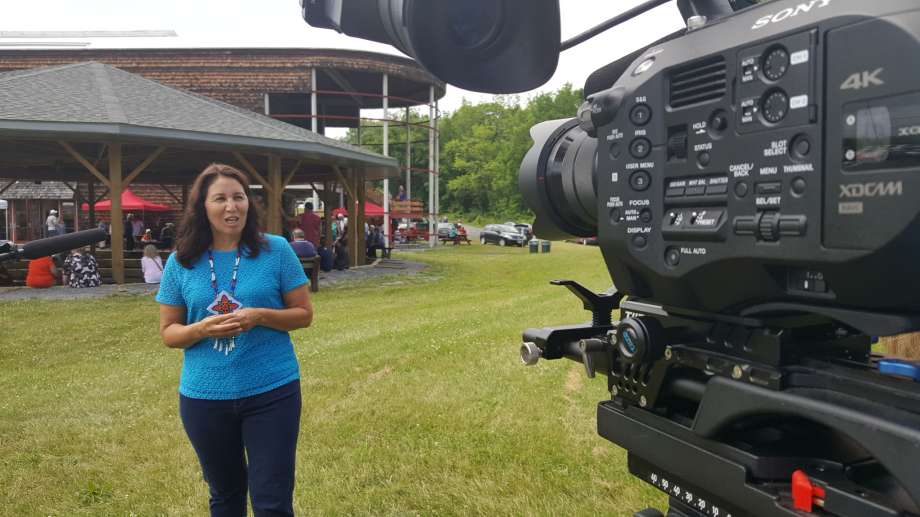 The interactive app and website would use GPS coordinates to present users with video or audio commentary that matches their current location, like a museum audio tour but for an entire county.
For example, when someone walking along the Schoharie County Quilt Barn Trail comes across a large green turtle quilt, a pop-up on the person's phone would give more info on what the quilt is about. In this case, it would be a short video of the quilt's designer, Carla Hemlock, who is from the Kahnawake Mohawk Nation Territory near Montreal, explaining that "the turtle signifies two things: the Turtle Clan family ... and it also signifies the land, we call this place Turtle Island."
Since 2013, Spina-Caza and a dozen other interviewers gathered more than 50 hours of oral histories about residents and their experiences during the flood. "From there, the idea was, 'What to do with the interviews?'" Spina-Caza said. "How do we get them into the world?"
These videos and audio narratives are being edited into 30- to 90-second clips that match locations on the Schoharie County Quilt Barn Trail, the Schoharie County Beverage Trail and the Schoharie County Farm Trail.
The project has been in development in collaboration with Schoharie Area Long Term Inc., and received a $90,000 grant from the New York State Council of the Arts.
See the full story here: http://www.timesunion.com/local/article/Project-uses-augmented-reality-to-showcase-9142337.php
Xperiel raises $7 million to connect the digital and real worlds with mixed reality
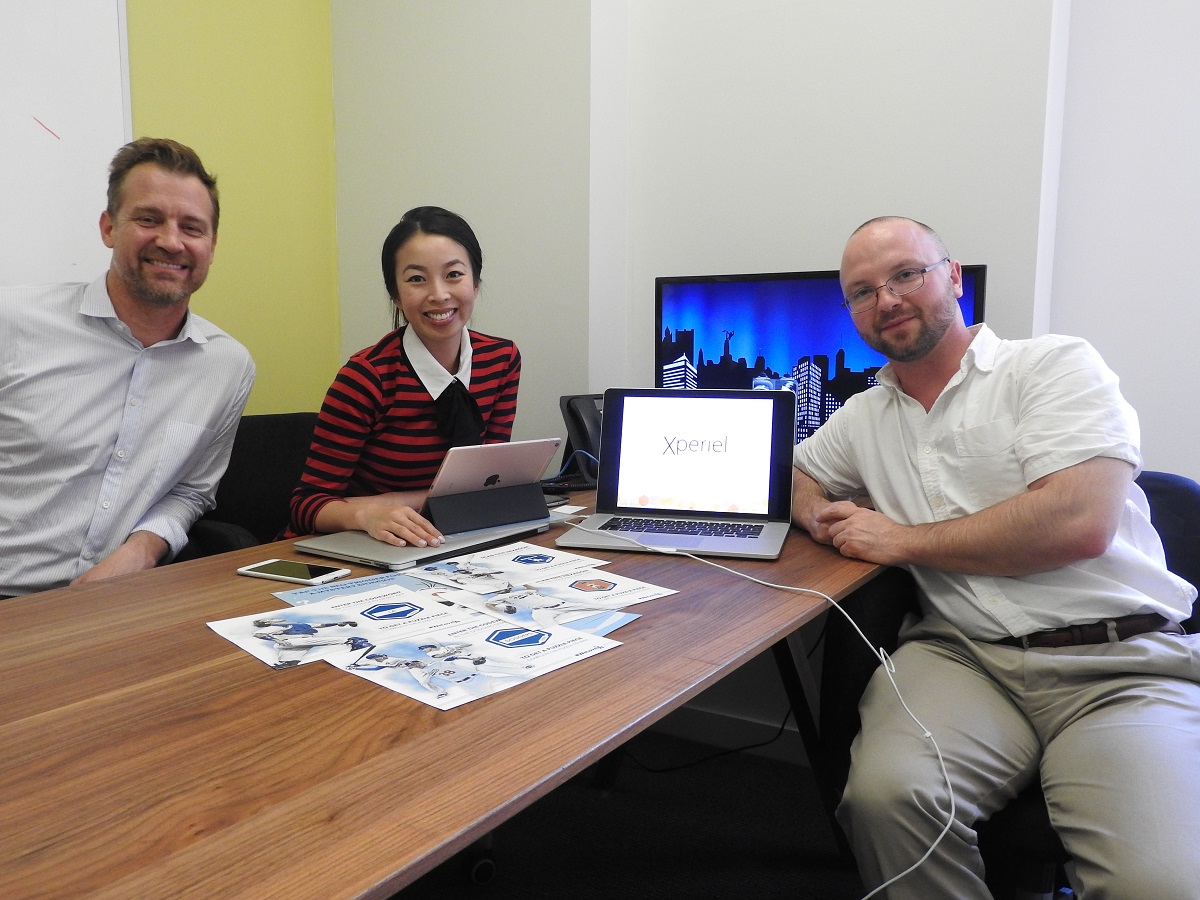
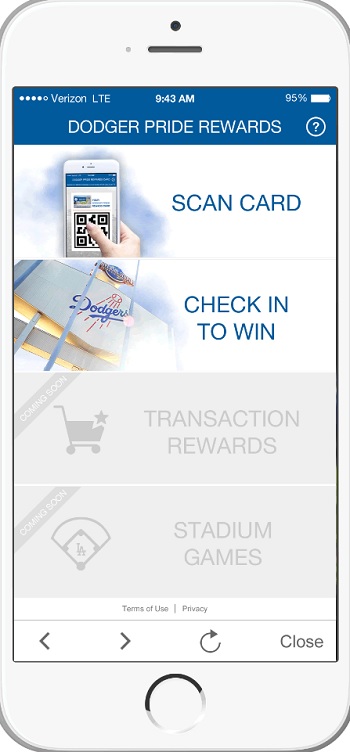 They want to enable brands to deliver memorable, interactive experiences that increase fan engagement, reward brand loyalty and participation, and improve sales. The idea is similar to a scene in the film Minority Report in which actor Tom Cruise walks into a store, and the store display recognizes him and recommends something for him to buy.
The Xperiel platform features a graphical programming language, dubbed the Xperiel pebbling language, that offers real-time user feedback and analytics. It is aimed at reducing the cost of making physical-digital applications.
The platform also has device-agnostic apps in the cloud. Applications developed with Xperiel are entirely cloud-based without sacrificing native performance. This means they can be programmed once and work seamlessly on any device, regardless of operating system or platform.
Triggers can be anything, such as when an RWW logo comes into view of a smartphone camera, or when the microphone on a smartphone hears a sequence of words spoken in a television commercial.
Virtual reality comedians: Just humor us
 Leila Carrillo stood in the middle of a comedy sketch involving a yoga session between a disingenuous guru and a naive student, then smiled as she turned her head to see the sketch play out all around her.
But Carrillo wasn’t physically present in the sketch. Instead, she was experiencing a new form of comedy staged inside the experimental medium of virtual reality.
They’re using the festival to debut “Meditation in Virtual Reality,” a two-minute video that gives the viewer a series of audio and visual cues to look around a living room where a shady yoga teacher is trying to persuade her student to ignore the fact that he’s being ripped off. (They’ve also posted a 360-degree version on Facebook.)
AltspaceVR plans to host more virtual reality comedy events, said Bruce Wooden, the company’s head of developer and community relations. “At this point, we’re just figuring out the technical ways to make it more accessible and ways to keep it rolling.”
Nadkarni, 33, who kept his day job at Dolby Laboratories, believes virtual reality could provide a more sustainable income for stand-up comics by giving audiences a way to experience a club show from home.
See the full story here: http://www.sfchronicle.com/business/article/Virtual-reality-comedians-Just-humor-us-9140097.php
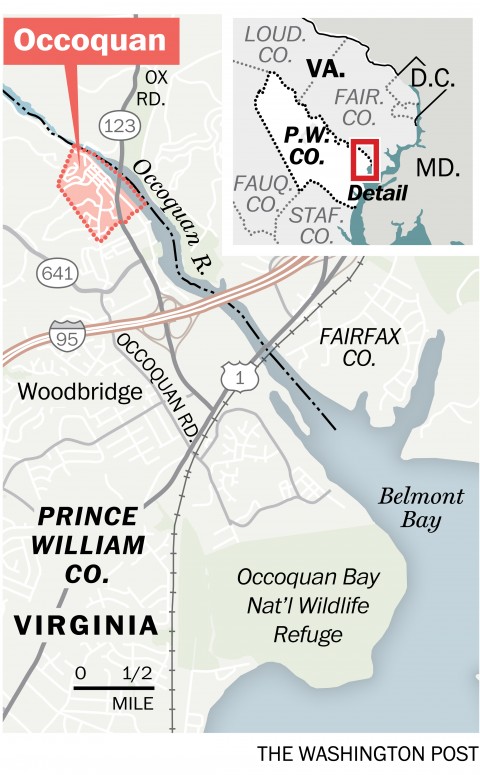
Pokémon Go’s augmented reality is augmenting the reality of this small town
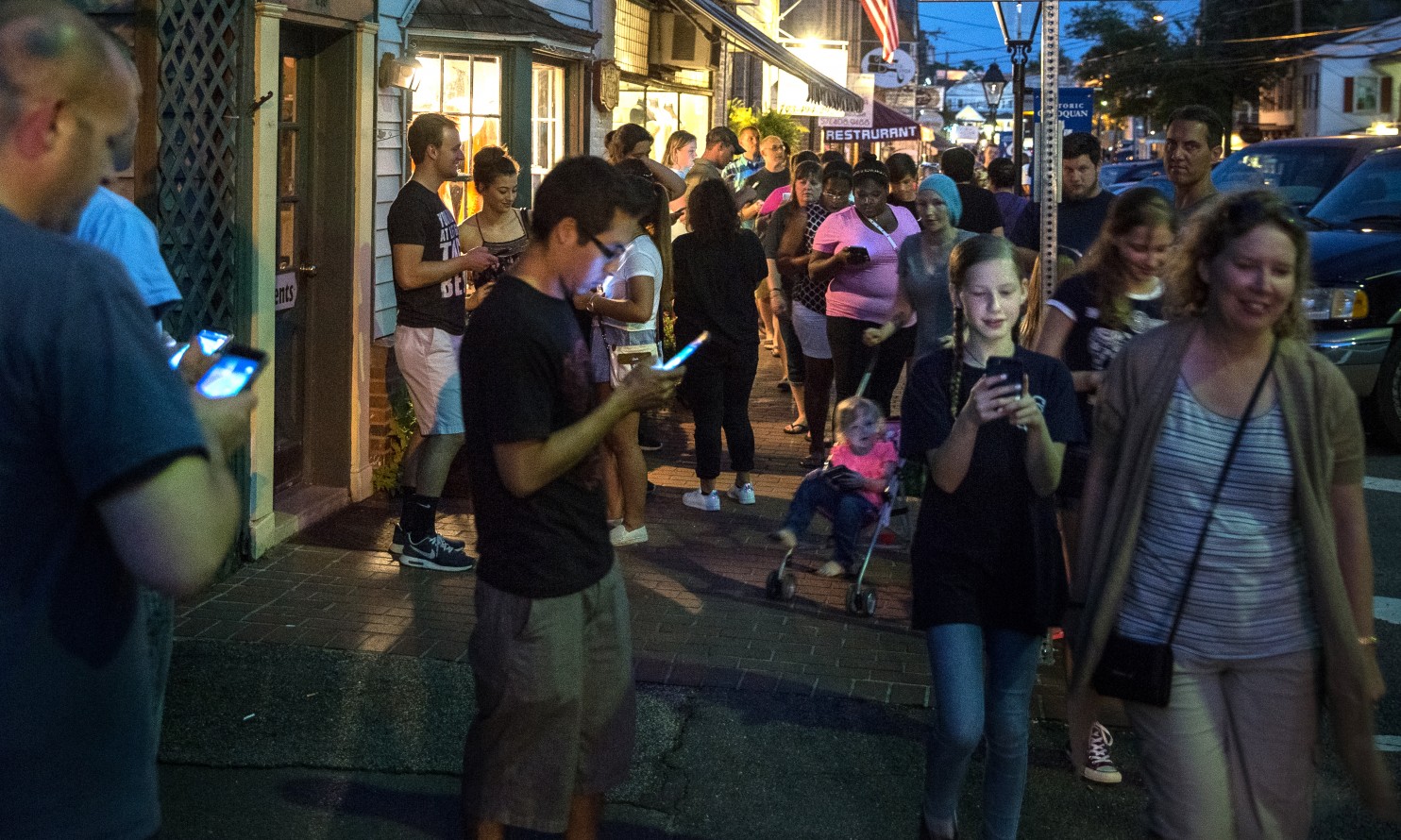 And Occoquan, it seems, is an almost-perfect real-world setting for Pokémon, benefiting — or suffering, depending on whom you ask — from a confluence of factors that affect the game.
Because the town is on the banks of the Occoquan River, it is home to both land and water creatures in the game. Occoquan is filled with restaurants and shops, and by virtue of its centuries of history, it is lined with historical markers; these are spots conducive to housing lots of Pokémon, something that is a rarity in most suburban and rural areas. And it’s just 11 miles south of the Capital Beltway along I-95, making it central to many commutes and a short drive from the District.
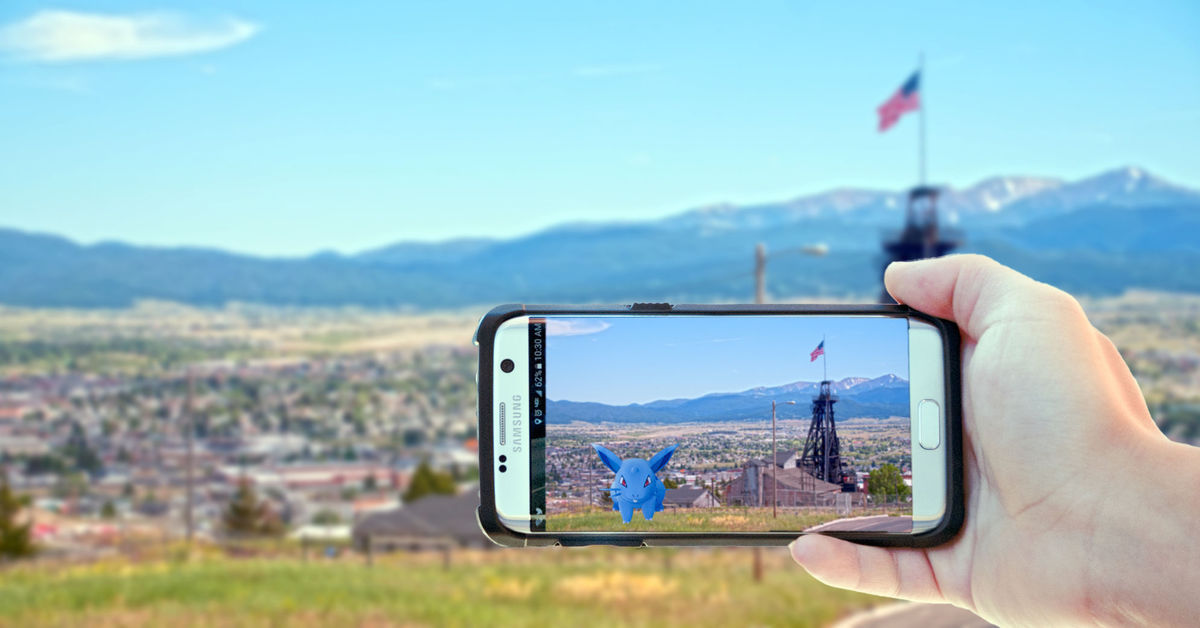
See another story here: http://helenair.com/business/technology-column-understanding-the-pok-mon-go-phenomenon-around-town/article_247227de-fc49-5944-9556-b59a68b185a3.html
The Pokémon Go influence on new tech
 Pokémon Go has changed the trajectory of the world on a scale just slightly smaller than Google Search and Facebook, but still to a magnitude that will be felt through all industries in the coming years...
...this game has taken technologies from niche research and gaming communities and thrust them into the world’s consciousness.
Suddenly everyone understands what “augmented reality” means and how an artificial digital world can be mapped onto the real physical world.
Entertainment: Theme parks currently organize wildly popular food and wine festivals. They could similarly organize dedicated Peter Pan days in which all of the characters from those stories appear, to be followed the next week by Pirates of the Caribbean or The Jungle Book. Because these are virtual, the cost to change them out is significantly decreased from physical venues.
Healthcare: Emergency Services app and see a local map with the location of every AED, fire extinguisher, fire alarm and emergency phone clearly displayed.
All of these possibilities have been unleashed by the reboot of a 20-year-old Japanese card game targeted at children.
See the full story here: https://techcrunch.com/2016/08/13/the-pokemon-go-influence-on-new-tech/?ncid=tcdaily
Augmented reality and its missing ethics
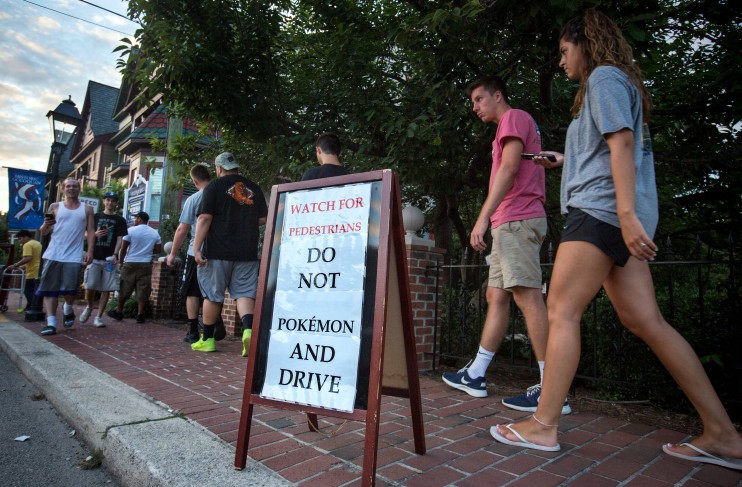
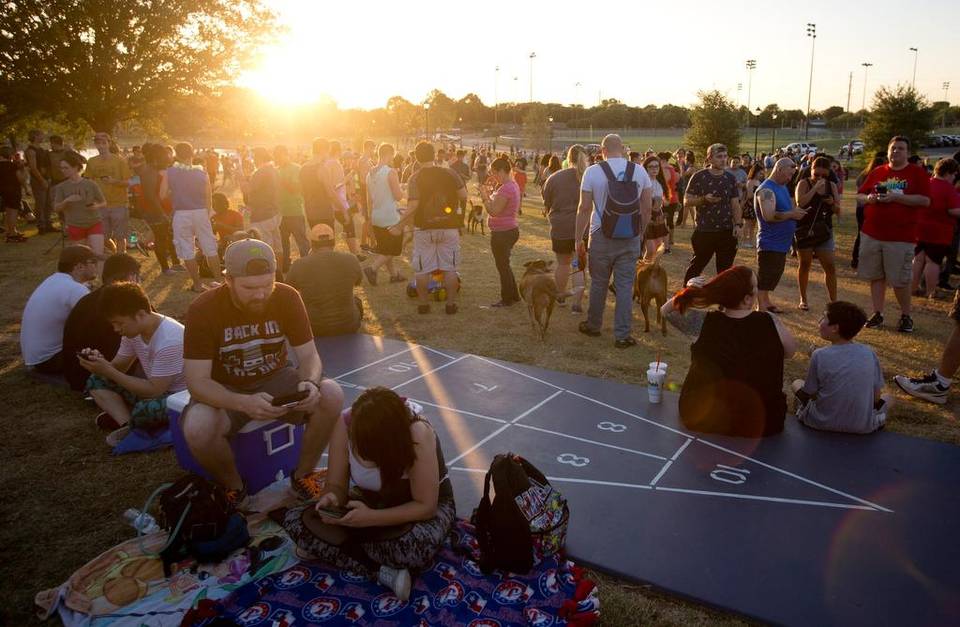 In the quest to “catch ’em all,” virtual goals have superseded social actual rules in some gamers’ minds, and people aren’t happy.
We can fix that politics problem, but we have to create a standard for responsibility.
See the full story here: http://www.star-telegram.com/opinion/editorials/article95431522.html
Virtual reality programs could help paralyzed patients walk again
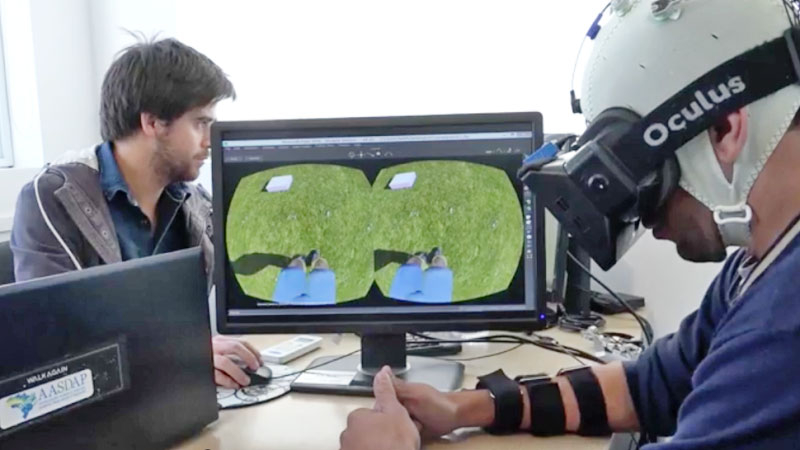 [Philip Lelyveld comment: they use VR to visualize the movement before strapping the subject into the exoskeleton.]
The system and its resulting experiments, conducted by Duke Universityneuroscientist Miguel Nicolelis and his colleagues, was successful in opening up partial restoration of muscle control and sensations in patients's lower limbs. This was possible after the patients were put through an aggressive training regiment with brain-controlled robotics and VR technology.
Virtual reality assisted patients with visualizing the brain-controlled movements and mind-body awareness. With a representation of their own bodies they were able to better make a connection between VR and their physical beings...
Patients regained varying amounts of sensation, ranging from some feeling and muscle control to an astonishing ability to move in a 32-year-old woman who had been paralyzed for 13 years.
See the full story here: https://www.engadget.com/2016/08/12/virtual-reality-paralyzed-patients/
Virtual reality and treadmill training could help prevent falls in older adults
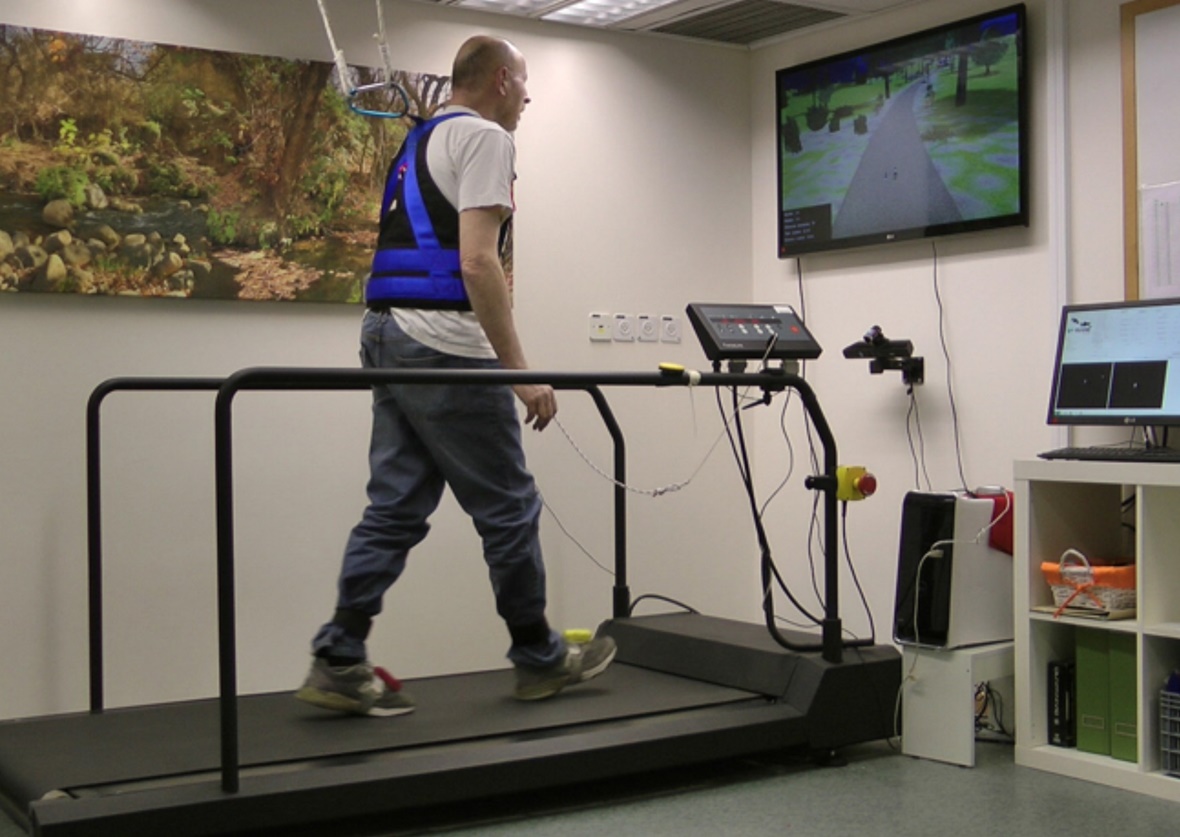
 In this trial, researchers analysed data from 282 participants from five clinical sites in Belgium, Israel, Italy, the Netherlands, and the UK between 2013 and 2015. All participants were aged 60-90, were able to walk at least 5 minutes unassisted, on stable medication, and had reported at least 2 falls in the 6 months before the start of the study. Nearly half of all participants (130) had Parkinson's disease, and some (43) had mild cognitive impairment.
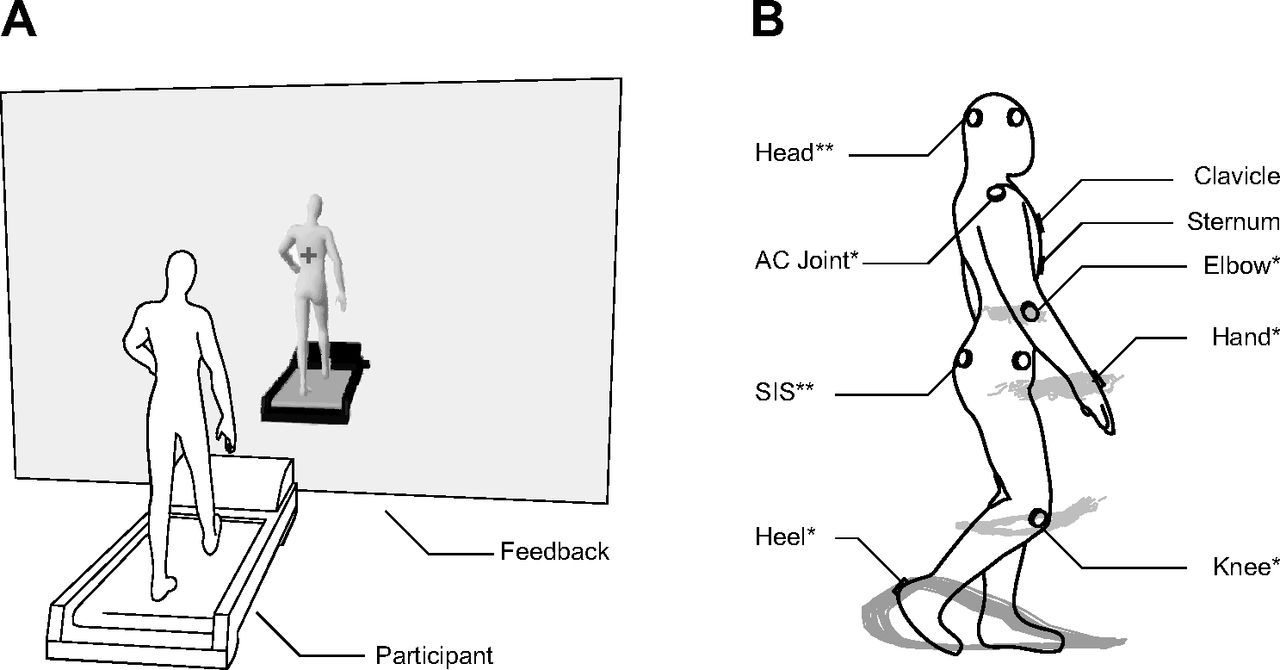
Participants were assigned to treadmill training with virtual reality (146), or treadmill training alone (136). The virtual reality component consisted of a camera that captured the movement of participants' feet and projected it onto a screen in front of the treadmill, so that participants could 'see' their feet walking on the screen in real time. The game-like simulation was designed to reduce the risk of falls in older adults by including real life challenges such as avoiding and stepping over obstacles like puddles or hurdles, and navigating pathways.
During the six months after training, the incidence rate of falls decreased in both groups, but the decrease was only statistically significant (i.e. better than chance) in the treadmill plus virtual reality group (11.9 to 6.0 falls in the virtual reality group -- a 42% reduction; compared to a decrease from 10.7 to 8.3 in the treadmill only group).
"Falls in older people often occur because of tripping and poor obstacle negotiation while walking. Falls often start a vicious cycle, which has many important negative health consequences.
The biggest improvement was seen in participants with Parkinson's disease, and the authors suggest that this could be due to a number of factors, including that they had higher rates of falls at the start of the study, or that virtual reality was able to help improve cognitive and motor skills which are affected in Parkinson's disease. However, although these are interesting findings, the authors warn that the study was not powered to measure differences in between sub-groups, so further research is needed to verify these explanations.
See the full story here: https://www.sciencedaily.com/releases/2016/08/160811190753.htm