Overnight hackathon shows the promise of virtual reality as a health care tool
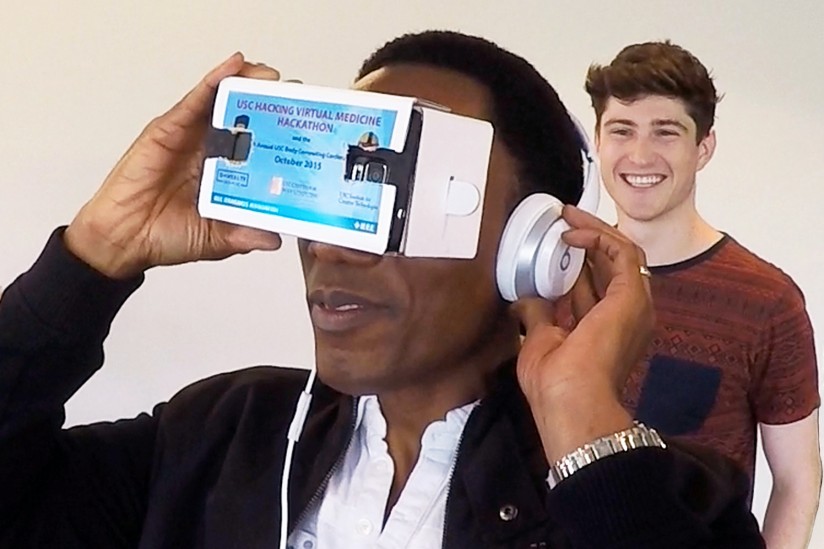 During an overnight event held at the USC Institute for Creative Technologies, teams of biomedical engineers, computer scientists, physical therapists and even toy designers took part in “Hacking Virtual Medicine,” a design, development and coding marathon that challenged participants to create virtual reality health care solutions for patients and providers.
Using game design software and smartphones enhanced with cardboard 3-D viewers on Oct. 3-4, six teams addressed problems of disease management, social isolation, on-the-job training and doctor-patient communication.
To build empathy — and encourage treatment compliance — a USC team simulated what diabetic patients might experience if they lose their eyesight due to disease progression. California Institute of Technology contestants captured the chaos of a code blue emergency in a hospital room to prepare budding physicians before they experience the real thing. And a trio with day jobs at the Walt Disney Co. designed a way to immersively display internal organs so doctors can better explain what is going on inside of bodies.
“I really feel like we are at the beginning of something big,” said Jay Iorio, director of innovation at the IEEE Standards Association. “This collaboration marks the start of bringing a really transformative technology to bear on health care, building a community of technologists and content creators, and working together to create new realities for the future.”
The event was sponsored by CBC, ICT and the IEEE Standards Association, with support from USC D-Health @HTE and Doctor Evidence.
See the full story here: http://news.usc.edu/87102/overnight-hackathon-shows-the-promise-of-virtual-reality-as-a-health-care-tool/
Sony Acquires SoftKinetic, Which Can Track Hands for Virtual Reality
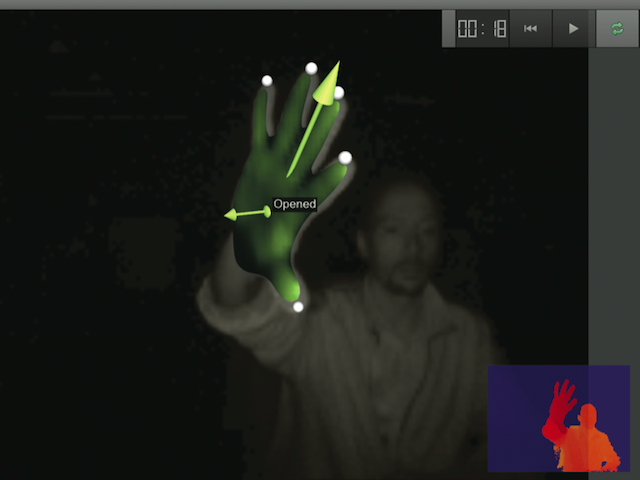 Sony has acquired SoftKinetic, a computer vision startup specializing in depth-sensing cameras that can track things like what gestures your hands are making, for an undisclosed amount.
That’s a neat fit for Sony, which is working on both augmented reality smart glasses and a virtual reality headset, PlayStation VR, the latter of which is set to debut by the middle of next year.
The company’s cameras are what’s known as “time of flight,” which means they work by shining a diffused laser out into the world and measuring how long it takes that laser to bounce back, similar to the motion camera Kinect that connects to Microsoft’s Xbox. What that means in consumer terms is that a person would be able to see and use his or her hands to grip, manipulate or otherwise interact with virtual objects while wearing a headset that might otherwise make them impossible to see.
See the full story here: http://recode.net/2015/10/08/sony-acquires-softkinetic-which-can-track-hands-for-virtual-reality/
A High-End Camera in a Small Package
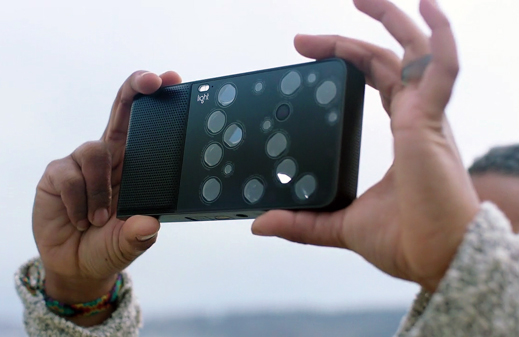 Light, based in Palo Alto, California, plans to start taking preorders for its L16 camera on Wednesday for $1,699, though some would-be customers may pause when they learn it won’t ship to them until late next summer.
The rectangular black camera can capture images of up to 52 megapixels. Unlike most cameras, which use just one lens and image sensor, the L16 will squeeze in 16 camera modules with three different focal lengths—five 35-millimeter ones, five 70-millimeter ones, and six 150-millimeter ones. Each of the camera modules will have a 13-megapixel image sensor. The cameras will simultaneously snap their own shots from different perspectives when you take a picture, and software will combine them automatically into one image that mimics what you’d get from a DSLR camera with a large lens attached to it.
In April, Light said it would bring its first cameras, with 52-megapixel resolution, to smartphones next year through a deal with contract electronics manufacturer Foxconn, which also invested an undisclosed amount in the company
The L16 will include a display (but no viewfinder) and a battery meant to last for about 400 shots.
Photography lovers may have a hard time adjusting to the L16’s form, which is radically different from the cameras and lenses they’ve used for years. Grannan thinks they will adapt, though he admits it could take a decade for high-end digital cameras to make the shift from bulky devices we have now.
Samsung Patents Augmented Reality Tech With Interactive Images
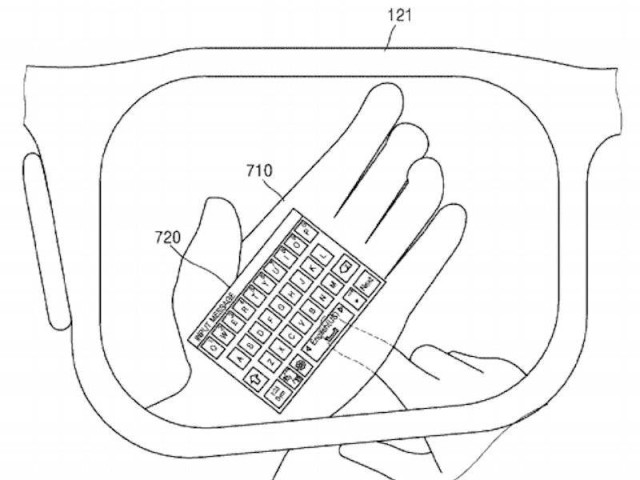 the glasses can show a keypad on the user’s hand, allowing them to “dial” numbers or type out messages just by tapping and gesturing the air in front of them. Other examples shown include the ability to play musical instruments like the piano.
That being said this is just a patent so there’s really no telling if Samsung will make it a reality. However Google themselves might be coming up with something similar.
See the full post here: http://www.ubergizmo.com/2015/10/samsung-patent-interactive-images/
On the Case: The Law on Augmented Reality and Museums
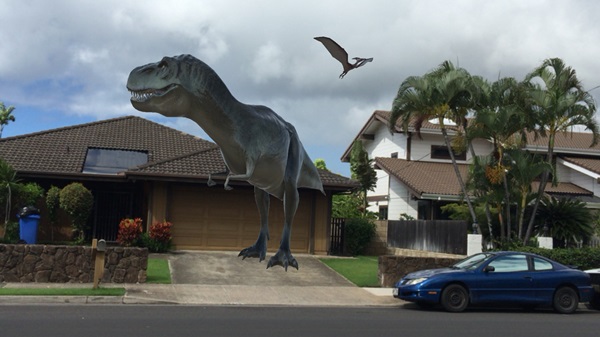
Q: If we augment a painting—such as by overlaying it with video and sound—do we need permission from the painting's copyright owner?
A: Maybe.
Q: Are there many legal cases involving augmented reality?
A: Not yet.
Q: Does the Sony decision mean that I cannot be liable for trademark infringement when using AR?
A: No.
See the full story here: https://news.artnet.com/art-world/augmented-reality-and-museums-336505
Android TV gets new apps from Showtime, HBO, CBS, WWE, UFC, and Disney
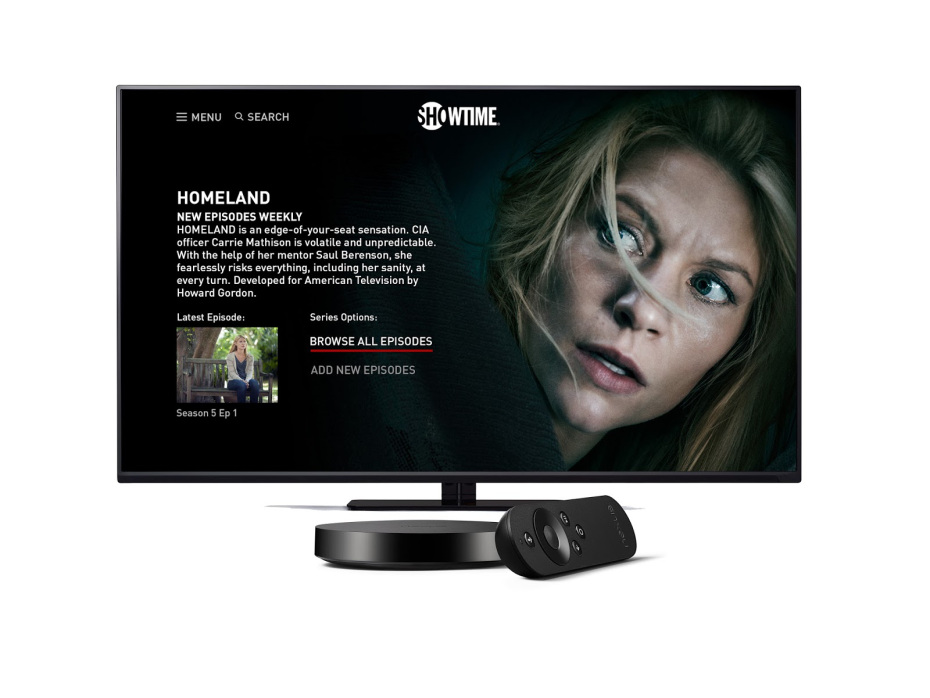 Google today announced a slew of new content providers for its Android TV, including Showtime, HBO Now, CBS All Access, EPIX, WWE, UFC, and Disney Movies Anywhere.
“So, as the nights get longer and colder, you now have another reason to stay in and binge on your favorite TV shows, movies, and sports content right from your Android TV screen,” George Audi, business development manager for Google Play, wrote in a blog post on the news.
Google today named several new partners for the Android TV effort. Hisense and TCL Hardware are now participating as smart TV makers, and Pace, Sagemcom, and Technicolor are on board as set-top box makers. Android TV also has new Pay TV partners, including KDDI and Telecom.
Google’s living room project has seen plenty of adjustment over the years. Android TV, the current iteration, was first introduced at the 2014 Google I/O conference. This year at I/O, Google fleshed out the availability of apps in the Google Play Store on Android TV.
Meanwhile, earlier this week, Google made several announcements to enhance Chromecast, another one of its living room products.
See the original post here: http://venturebeat.com/2015/10/01/android-tv-gets-new-apps-from-showtime-hbo-cbs-wwe-ufc-and-disney/
From virtual reality to advanced robotics… New tech lounge to open in Dubai
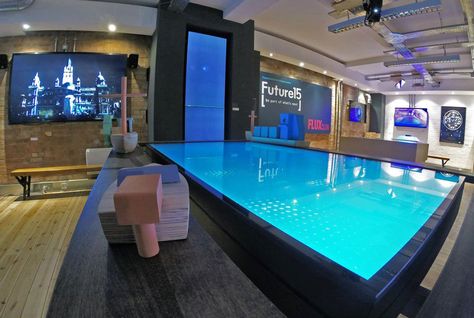 A successful London-based tech innovation lounge is due to open its first regional branch in Dubai this month.
The Flux Innovation Lounge, developed by interactive technology group Engage Works and brand design agency StartJG, will launch in the Arenco Tower in Dubai Media City.
Designed to inspire leading creative minds, the lounge will showcase multiple technologies from virtual reality to advanced robotics.
See the full story here: http://www.arabianbusiness.com/from-virtual-reality-advanced-robotics-new-tech-lounge-open-in-dubai-607736.html