Google Quietly Moves Its Head Of Search Design To Virtual Reality
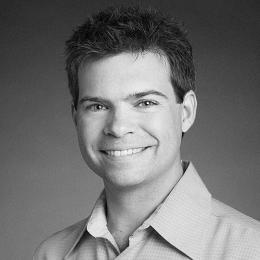 What's clear is that Google has invested a major design talent in VR. As head of Search, Wiley refined the mobile experience, while turning long lists of links simple cards of information.
[Google Cardboard] is the most democratic virtual reality headset we’ve seen yet. Over half a million units have shipped, likely because it's a mere 2% to 3% of the price of its closest competitor, the Samsung Gear VR (also a headset adapter that slots in a smartphone), which runs $250.
Google is very well known for its strong computer science, algorithms, and all the things we do in terms of solving really big hard-to-scale problems. [But] I don’t think quite as much attention has been paid to the other side of Google. We’re really focused on making simple and useful experiences—but also beautiful experiences."
"People are trying to invent the display part, and they’re not yet worrying properly about the UI," John Underkoffler, creator of the famous Minority Report interface, explained in a recent interview, citing a general lack of urgency across the industry. "No one has a UI for it. So that puts VR pretty much in the position of being a playback mechanism."
Users need a whole new language to really interact with it.
See the full story here: http://www.fastcodesign.com/3046369/design-moves/google-quietly-moves-head-of-search-design-to-virtual-reality
Sunny Queen launches egg-citing augmented reality collectible cards
 Egg farm company Sunny Queen has launched Australia’s first augmented reality collectible cards for families
The collection features a range of child-friendly egg characters in limited edition egg boxes, with each card having the capability to come to life on a customer’s smartphone.
See the full story here: http://www.cmo.com.au/article/575206/sunny-queen-launches-egg-citing-augmented-reality-collectible-cards/
VirZOOM: Cambridge Virtual Reality Startup Wants to Make Exercise Addictive
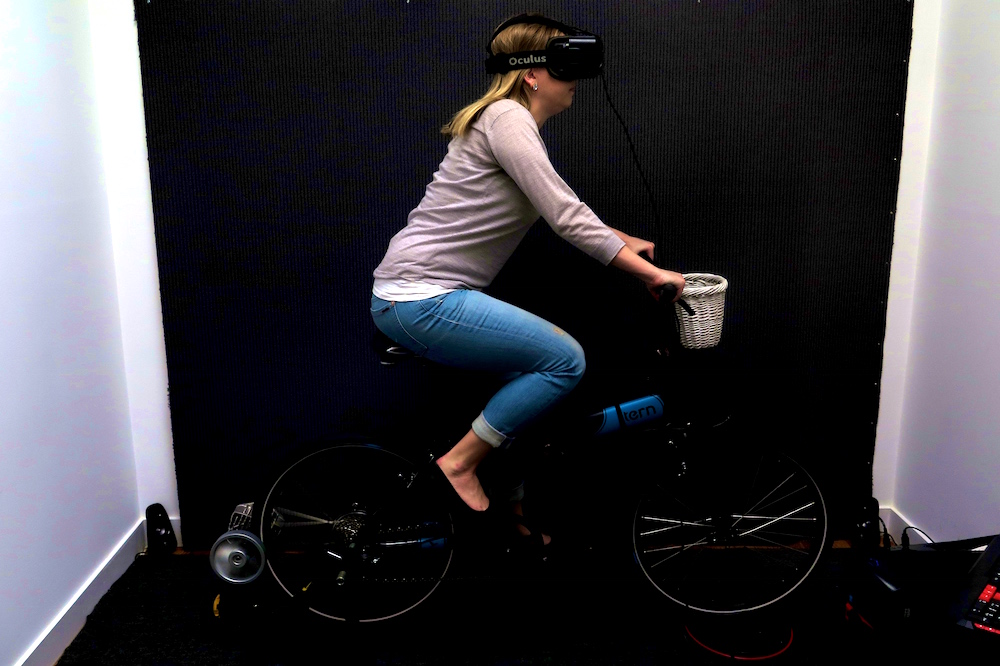 [Philip Lelyveld comment: people sweat profusely if they are serious about exercising. I don't know if wearing an HMD, where you can't wipe your eyes, will work in this implementation.]
A series of sensors attach to various parts of the machine: One on the back wheel measures your speed, while another on the front wheel responds to your direction.
Right now, the seven-person team (mostly engineers) is focused on introducing more gamified elements—the kinds of features that will inspire users to cycle faster in order to earn points and ascend to new levels. The idea is to make the VR experience different every time you strap on the headset. That way, you’re far more likely to get back on the bike, making physical activity a subconscious habit.
See the full story here: http://bostinno.streetwise.co/2015/05/18/virzoom-exercise-bike-virtual-reality-game-for-oculus-rift/
DAQRI Acquires AR Pioneer ARToolworks
 The augmented reality startup DAQRI, which is working on a HoloLens-style AR helmetand already offers a number of AR software tools, today announced that it has acquired ARToolworks, the company behind the popular open-source ARToolKit libraries. As part of this acquisition, DAQRI will now make ARToolKit’s commercial Pro tools available for free under an open source license. The company says it will continue to invest in ARToolKit, too.
ARToolworks was one of the first augmented reality companies on the market. It was founded in 2001 to offer commercial service for ARToolKit. It now owns a number of AR patents and is widely used by AR developers all over the world.
DAQRI’s focus is mostly on industrial uses of AR, so it makes sense of the company to mostly end ARToolworks’ licensing business in order to focus on its core business.
See the full story here: http://techcrunch.com/2015/05/13/daqri-acquires-ar-pioneer-artoolworks/
and the press release here: http://www.businesswire.com/news/home/20150513006304/en/DAQRI-Acquires-Augmented-Reality-Software-Pioneer-ARToolworks#.VVTVxmBiBrg
Rovio Demos Virtual Reality Version Of Angry Birds
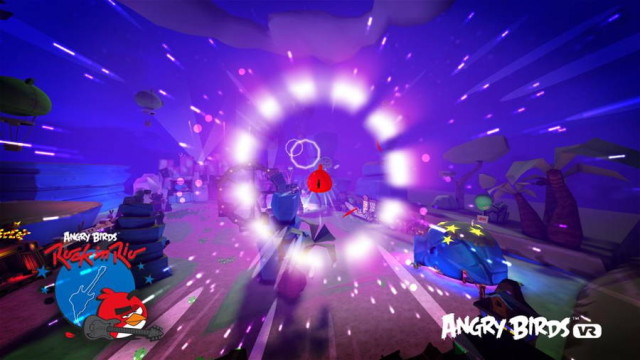 Now if you remember the Angry Birds title from your mobile devices, it seems that its developer Rovio showed off a virtual reality demo of the game at the Rock in Rio festival over the weekend. Basically instead of flinging birds at pigs in structures from a side view, the virtual reality version will see you follow the bird as it reaches its target, which we reckon might be a bit unnerving.
The demo was shown off using the Samsung Gear VR headset and is basically a fresh and unique perspective on the game.
See the full story here: http://www.ubergizmo.com/2015/05/rovio-demos-virtual-reality-version-of-angry-birds/
Longtime Hollywood Exec Peter Guber Says He’s Betting ‘Millions’ on Virtual Reality
Mandalay Entertainment CEO Peter Guber thinks virtual reality is “the secret sauce for live entertainment” — and to put his money where his mouth is, he’s investing in NextVR, one of the companies figuring out the ingredients of that sauce.
“The social element is critical, live in the arena,” he said of attending a live sports game. “But you can only fill 18,000 seats, and there are seven billion people in the world.”
NextVR films and broadcasts live events that, when viewed in VR, allow the user to look in any direction they like while also having a closer vantage point on the action than they might get on TV. As the company’s executive chairman Brad Allen described it at a sports VR event last week, “you actually feel like you’re there.”
See the full story here: http://recode.net/2015/05/13/longtime-hollywood-exec-peter-guber-says-hes-betting-millions-on-virtual-reality/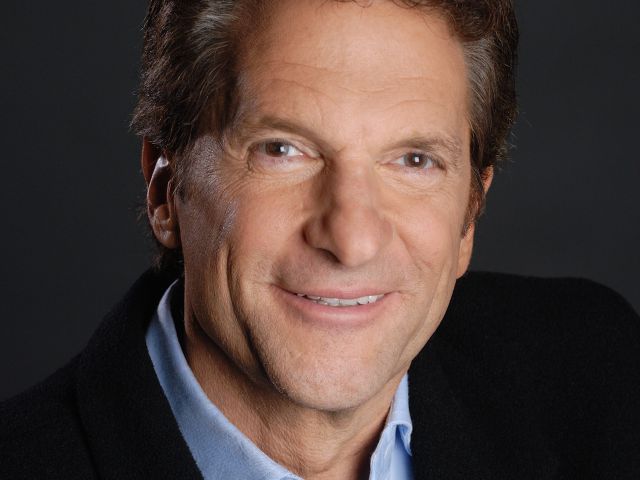
Virtual-Reality Goggles for Stroke Victims
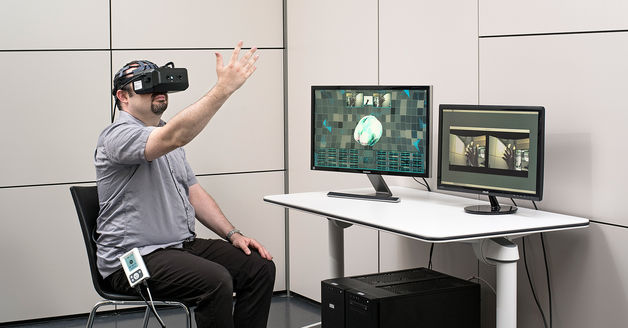 MindMaze can help patients retain their brain and regain motor functions
Form and function: MindMaze says its virtual-reality goggles, combined with exercise software and other games, can help stroke patients retrain their brain and regain motor function faster than with traditional physical therapy.
Training: The exercises fool the patient’s brain into activating neurons and areas that can take over functions of the damaged ones. Tadi says that in a 20-person clinical trial, patients using the equipment two and a half hours a day for three weeks improved their motor function by as much as 35 percent.
Next Steps: Tadi says MindMaze will submit its system for Food and Drug Administration approval this summer and move to San Francisco by yearend. The startup’s 16 full-time employees will release a home version of its equipment later this year, he says. Elliot Roth, chair of physical medicine and rehabilitation at Northwestern University, says VR is a logical next step for stroke therapy and can help patients move in a more natural fashion than typical basic exercises.
See the full story here: http://www.bloomberg.com/news/articles/2015-05-04/mindmaze-s-virtual-reality-goggles-for-stroke-victims