NextVR Unveils 360-Degree 3D VR Camera System
 NextVR, a virtual reality technology and content company, introduced a 360-degree 3D virtual reality rig outfitted with six RED Epic Dragon cameras at IBC in Amsterdam last week. The “NextVR Virtual Reality Digital Cinema Camera System” supports the recording and live streaming of immersive, ultra high definition, stereoscopic content at 60fps and includes spatial audio capture. NextVR also unveiled VR content acquired with the equipment, displaying it on the new Samsung Gear VR headset.
See the full story here: http://www.etcentric.org/ibc-2014-nextvr-unveils-360-degree-3d-vr-camera-system/
Oculus CEO Announces $31M Donation to Build a Virtual Reality Lab at His Alma Mater, UMD
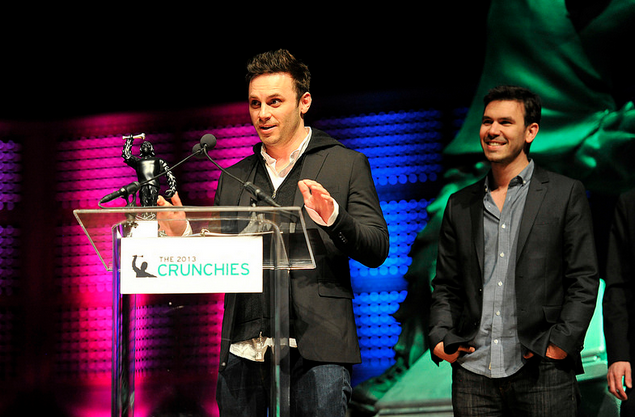 According to TechCruch, the building will house labs for artificial intelligence, augmented reality, computer vision, robotics and virtual reality. Iribe believes the virtual reality industry “is about to completely take off, and to put a building in place that’s largely focused on this…will help inspire a lot of students and incredibly brilliant engineers to become part of the industry and solve the next set of difficult problems.”
See the full story here: http://inthecapital.streetwise.co/2014/09/12/oculus-ceo-donates-31-million-to-build-virtual-reality-lab-at-umd/
The rise of the anti-facial recognition movement
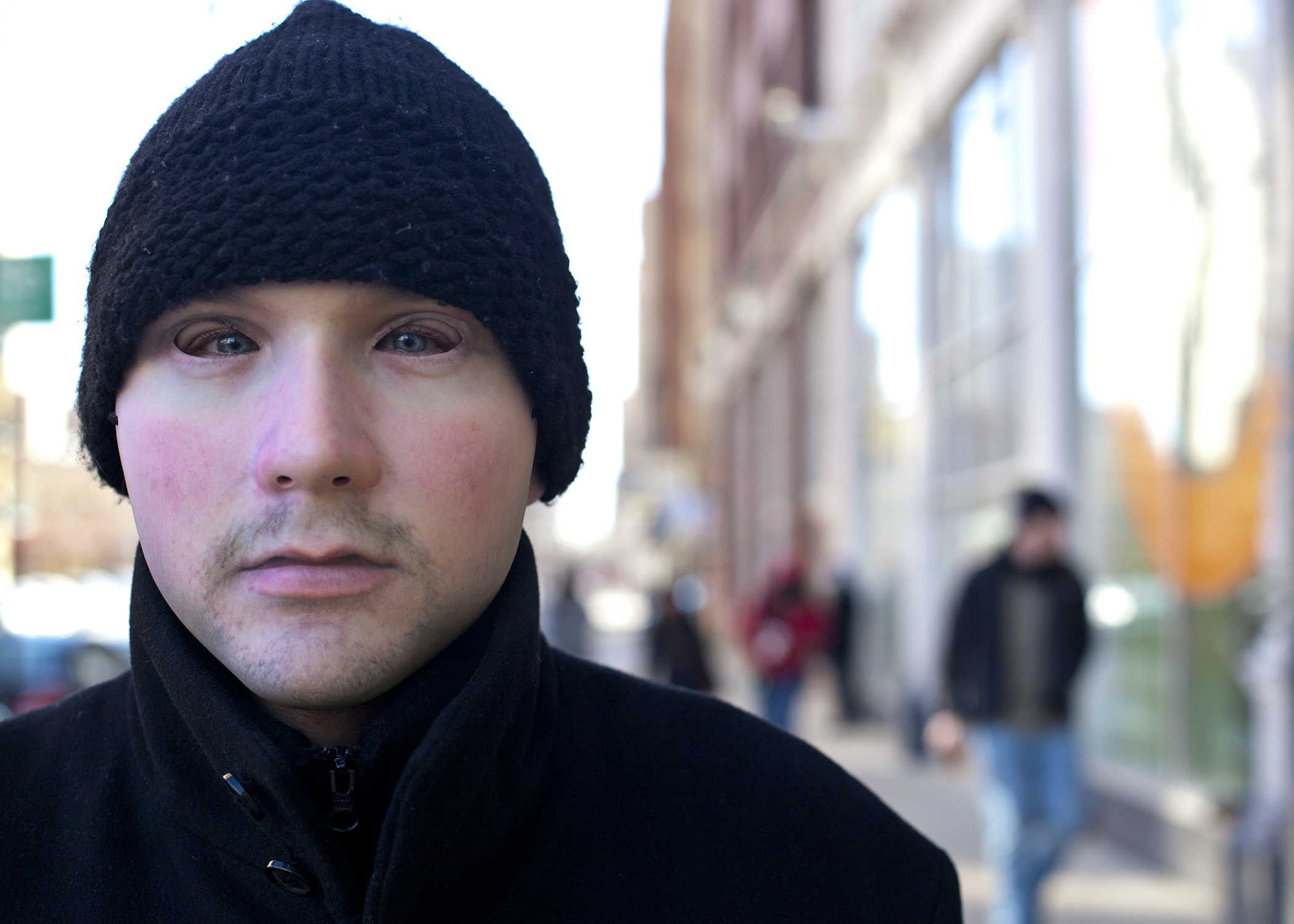 [Philip Lelyveld - URME - You Are Me. This is a creepy solution to a mounting problem. I'm still working on a westernized hijab]
While the technology behind facial recognition continues to develop as its presence increases, some artists are trying to give citizens their privacy back the best way they know how—by designing contraptions that help ordinary citizens avoid detection.
You might not know Leo Selvaggio, but there’s a chance you’ve seen him—or someone strikingly identical to him. He’s white, male, and young. To be frank, there is nothing remarkable about his appearance, but that’s precisely the point.
Selvaggio’s the artist behind the URME Personal Surveillance Identity Prosthetic, a photo-realistic recreation of Selvaggio’s face that allows others to be able to assume his identity to protect their own. The mask is made from a pigmented hard resin using 3D-printing technology that allows for the replication of Selvaggio’s skin tone and hair. It’s detailed enough to fool the technology and inconspicuous enough to avoid drawing attention from people in a crowd.
See the full story here: http://kernelmag.dailydot.com/issue-sections/features-issue-sections/10247/anti-facial-recognition-movement/?curator=MediaREDEF
Could a “Hybrid 3D” Trifocal Camera Be on the Way to Hollywood?
 [Philip Lelyveld comment: the idea has been around for a while. It really does simplify things.]
The system uses a camera rig that holds three cameras: a main camera, the Arri Alexa; and two small cameras used to capture depth information. The goal is to allow the filmmakers to focus on the 2D shoot, and make depth decisions at a later time.
Siegfried Foessel, head of Fraunhofer's department of moving picture technologies, told THR. "Effectively, you can do what you normally can only do in a CG environment, but now you can do it with live scenery.”
Nanostructured ceramics could be used to build lighter, stronger airplanes and batteries.
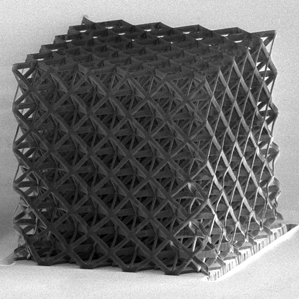 Researchers led by Caltech materials scientist Julia Greer found that by carefully designing nanoscale struts and joints, they could make ceramics, metals, and other materials that can recover after being crushed, like a sponge. The materials are very strong and light enough to float through the air like a feather. The work is published today in the journal Science.
In conventional materials, strength, weight, and density are correlated. Ceramics, for example, are strong but also heavy, so they can’t be used as structural materials where weight is critical—for example, in the bodies of cars. And when ceramics fail, they tend to fail catastrophically, shattering like glass.
But at the nanoscale the same rules do not apply. In this size range, the structural and mechanical properties of ceramics become less tied to properties such as weight, and they can be altered more precisely.
“For ceramics, smaller is tougher,” says Greer, who was named one of MIT Technology Review’s 35 Innovators Under 35 in 2008 for her work on nanoscale mechanics. This means that nanoscale trusses made from ceramic materials can be both very light—unsurprising, since they are mostly air—and extremely strong.
FOLLOW WIRED Twitter Facebook RSS Ex-Googler Shares His Big-Data Secrets With the Masses
 [Philip Lelyveld comment: Big data is a very complex topic. One direction Studios are thinking of going is being able to do meta-searches within a Studio network system without a lot of high-cost tagging/indexing. This is one potential tool.]
The idea behind Quest is to make it simple for analysts to query data from anywhere in a company with a single tool, regardless of where that data is stored, without the need to learn new programming languages. Using Quest, analysts can query traditional sources such as Oracle’s flagship database, “big data” storage systems like Hadoop, log files, Word documents, images and media files, and more. But it isn’t just a search engine.
Just like Dremel, Quest lets you query data using a SQL-like language. “Our view is that if you can show people the traditional metaphors that they’re used to, such as tables and SQL queries, that’s the easiest way for them to get started,” he says. “We’re trying to support all the traditional metaphors without teaching people new things.”
Read the full story here: http://www.wired.com/2014/09/metanautix/
NextVR Raises $5 Million for Live VR Broadcast Tech, Content to Come Pre-loaded on Samsung Gear VR
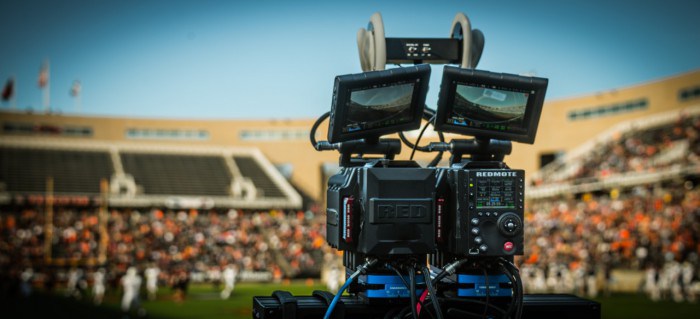 NextVR, formerly Next3D, have announced a $5 million funding round designed to grow the company and develop their virtual reality live-broadcast technology. The company has been working with Samsung on Gear VR since before the reveal, and its stereoscopic 360 content will be pre-loaded onto the device for users to enjoy.
The ability to stream live stereoscopic 360 content makes live events the obvious killer app for NextVR’s solution. The company says it will “initially focus on live and recorded sporting events, concerts and life-like nature experiences but will continue to expand into other areas as the company secures additional relationships with networks, motion picture studios and content providers.”
CJ@IBC ‘High Dynamic Range imaging
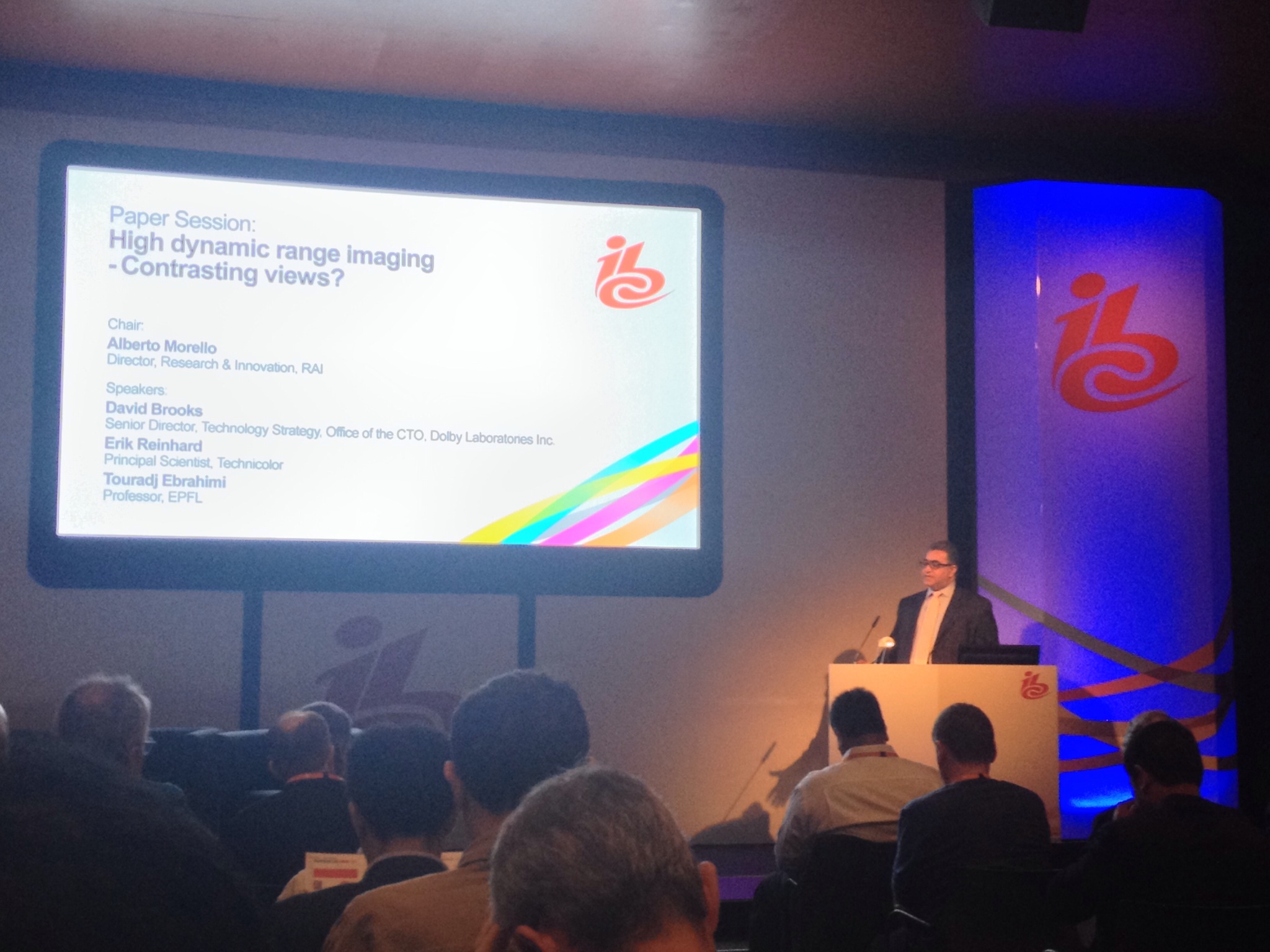 The quest for better-(not-just-more)-pixels is a big theme at this year’s IBC conference – primarily for television but with major implications for film and cinema too. For anyone thinking of buying a 4K/UHD TV, this is the session that tells you to wait until more than just the resolution of the big television sets improves.
See the full story here: http://celluloidjunkie.com/2014/09/11/cjibc-high-dynamic-range-imaging-contrasting-views/
Apple installs NFC in its stores ahead of iPhone 6 launch
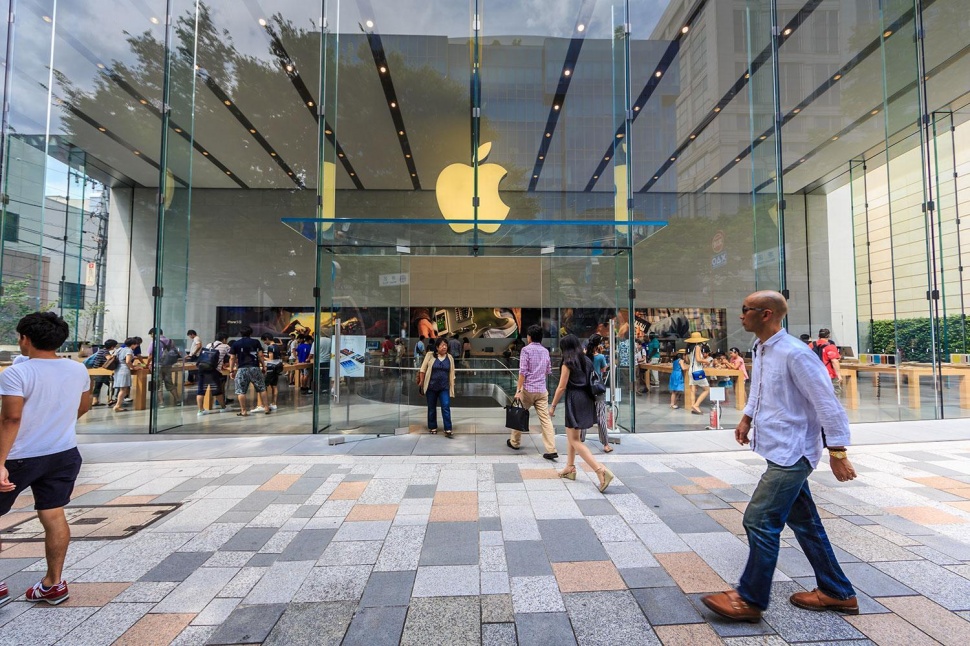 If an iPhone owner gives permission, iBeacon connects with their handset when they enter an Apple store, allowing the tech company to track their precise whereabouts within the premises. This enables Apple to learn how visitors move around the store and which sections get the most traffic.
The company can also push information such as offers and relevant news to handsets, depending on the person’s location within the store. So if they happen to be taking a look at iPhone cases, for example, the iBeacon technology could push a special case-related offer to the shopper’s phone in an effort to tempt them into making a purchase.
The same NFC and iBeacon technology is also being rolled out at Disney stores, the report said.
See the full story here: http://www.digitaltrends.com/mobile/apple-fits-nfc-tech-and-improved-ibeacon-kit-at-its-stores-ahead-of-iphone-6-launch/#!bRAA19