Meta, Just For Laughs Shoot Virtual Reality Comedy Special
‘Surrounded’ available on Meta Quest 2 headsets
Just for Laughs and Meta are teaming up to present an unscripted virtual reality comedy special called Surrounded that will premiere on Meta Quest 2 VR headsets on September 9.
The show, filmed at the Just For Laughs Montreal Festival, will give viewers on Meta’s Horizon Worlds platform an in-the-round experience with interactive elements.
See the full story here: https://www.nexttv.com/news/meta-just-for-laughs-shoot-virtual-reality-comedy-special

OTOY, Roddenberry Estate Unveil First Immersive Roddenberry Archive Experiences, Multi-Year Roadmap to Preserve the History of Roddenberry’s Star Trek Work
After announcing the Roddenberry Archive during Gene Roddenberry’s centennial in August 2021, and, in May, sharing a preview of the nearly completed work archiving the Gene Roddenberry’s 1964 Star Trek pilot “The Cage”, OTOY Inc. and the Roddenberry Estate made good today on a promise to let Star Trek fans start to explore the archive’s ever growing massive 3D datasets during its first year of production – bringing the archive’s life-size digital recreation of the original Starship Enterprise for fans to experience at Creation: Las Vegas 2022.
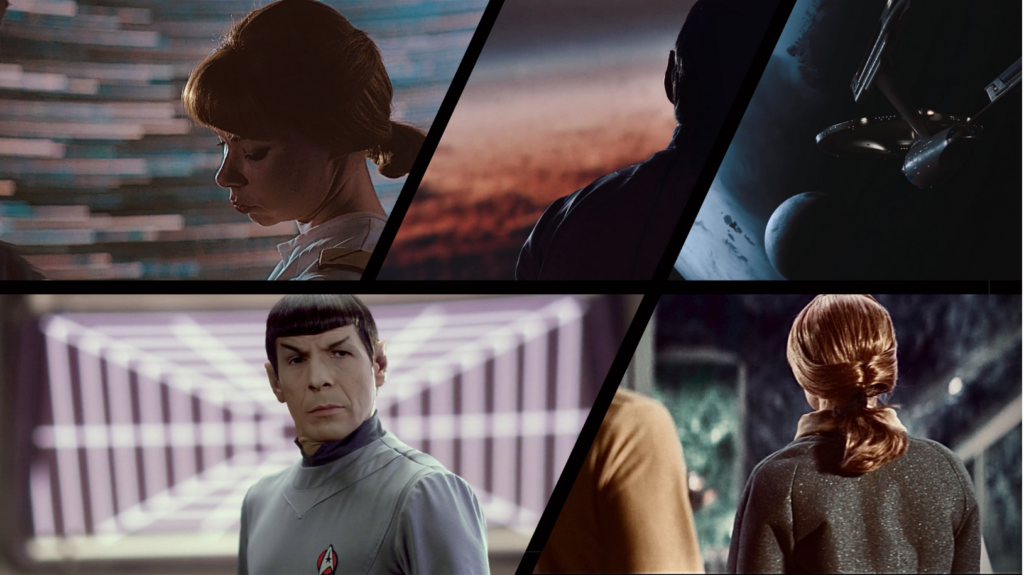
The 1:1 scale assets in the archive include both a production version (for physical assets filmed in the real world for TV or film) and a second “in-universe” version that works just as the item or ship might inside its narrative universe.
The work is intended to preserve the important history of Gene Roddenberry’s work, including Star Trek, for new holographic mediums for future generations to experience Gene Roddenberry’s legacy with the highest levels of immersion and historical fidelity. ...
The fully immersive, interactive 360-degree experience allows fans to navigate through every filmed location of the Starship Enterprise as shown in “The Cage”, and interact with the ship’s environment as if they were on board the actual ship in the year 2254 during that episode. ...
See the full story here: https://www.mesaonline.org/2022/08/26/otoy-roddenberry-estate-unveil-first-immersive-roddenberry-archive-experiences-multi-year-roadmap-to-preserve-the-history-of-roddenberrys-star-trek-work/
Deepfakes for all: Uncensored AI art model prompts ethics questions
A new open source AI image generator capable of producing realistic pictures from any text prompt has seen stunningly swift uptake in its first week. Stability AI’s Stable Diffusion, high fidelity but capable of being run on off-the-shelf consumer hardware, is now in use by art generator services like Artbreeder, Pixelz.ai and more. But the model’s unfiltered nature means not all the use has been completely above board. ...
Emad Mostaque, the CEO of Stability AI, called it “unfortunate” that the model leaked on 4chan and stressed that the company was working with “leading ethicists and technologies” on safety and other mechanisms around responsible release. One of these mechanisms is an adjustable AI tool, Safety Classifier, included in the overall Stable Diffusion software package that attempts to detect and block offensive or undesirable images.
However, Safety Classifier — while on by default — can be disabled. ...
Montreal AI Ethics Institute principal researcher Abhishek Gupta shares this view. “We really need to think about the lifecycle of the AI system which includes post-deployment use and monitoring, and think about how we can envision controls that can minimize harms even in worst-case scenarios,” he said. ...
But Stable Diffusion represents a newer generation of systems that can create incredibly — if not perfectly — convincing fake images with minimal work by the user. It’s also easy to install, requiring no more than a few setup files and a graphics card costing several hundred dollars on the high end. Work is underway on even more efficient versions of the system that can run on an M1 MacBook. ...
See the full story here: https://techcrunch.com/2022/08/24/deepfakes-for-all-uncensored-ai-art-model-prompts-ethics-questions/?fbclid=IwAR3-K_Ug3CMHyVizuSD9vPayIQNrd9jF4O4ECEAUM542t8WHPniCB9MKVpc
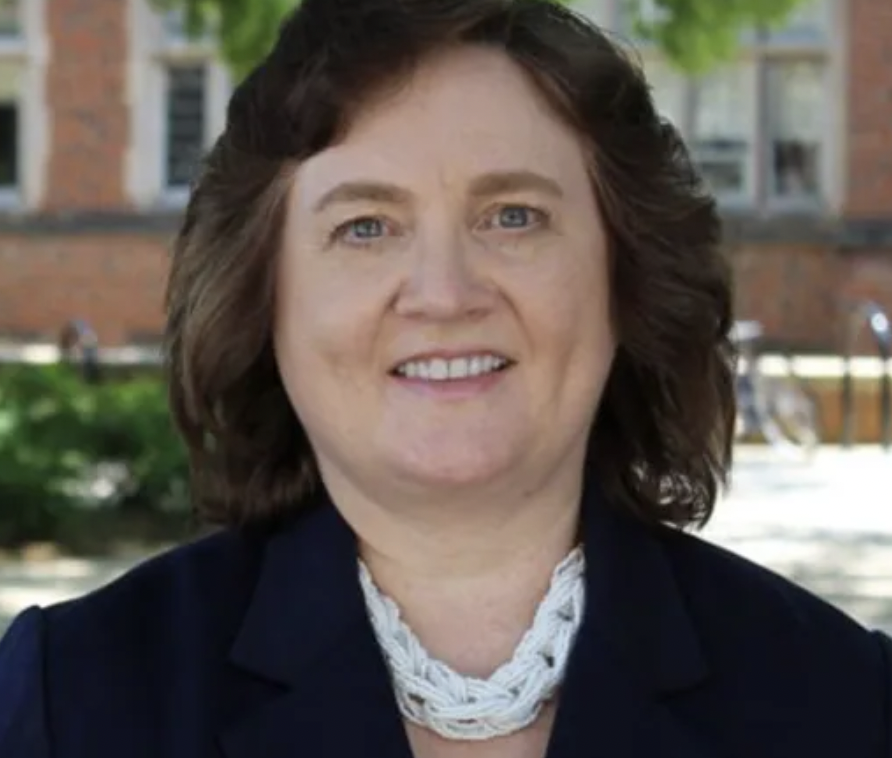
The outgoing White House AI director explains the policy challenges ahead
... As its first director, Parker oversaw the creation of a national AI R&D strategic plan, a national AI research institute, and an AI portal to help researchers apply for funding. and conducted research in ways to measure and evaluate AI.
She is now returning to her role in academia as the director of AI initiatives at the University of Tennessee, Knoxville. ...
The National AI Initiative covers so much territory: R&D, governance aspects of the use of AI, education and workforce training, international collaboration, and the use of AI within the federal government. ...
One area of clear commonality is understanding AI implications and the need for regulation through the lens of risk. Taking a sector-based approach of evaluating risk is something that we at a high level agree on. The National Institute of Standards and Technology (NIST) is making important contributions in this space, in the development of the AI risk management framework. ...
See the full story here; https://www.technologyreview.com/2022/08/23/1058412/white-house-ai-director-challenges/
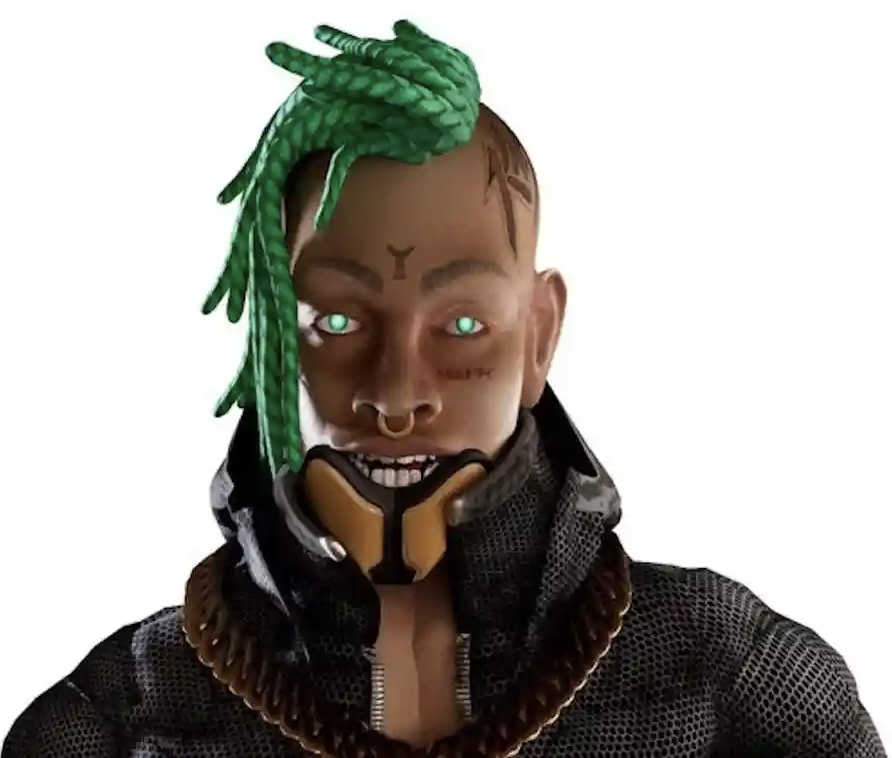
Capitol Records drops ‘offensive’ AI rapper FN Meka after outcry over racial stereotyping
A major record label has dropped an AI rapper and offered its “deepest apologies to the Black community”, after the virtual creation was criticised for perpetuating racist stereotypes by using the N-word in a song and being portrayed being beaten by a police officer.
FN Meka, an AI rapper given the appearance of a Black male cyborg, was created in 2019 by Anthony Martini and Brandon Le, the cofounders of Factory New, which billed itself as a “first of its kind, next-generation music company, specialising in virtual beings.”
FN Meka’s songs are performed by a human – an anonymous Black man, according to Martini – but the music and lyrics are generated by an AI that analyses popular music.
Capitol Records announced it had signed FN Meka just 10 days ago, billing the rapper as “the world’s first AR [augmented reality] artist to sign with a major label”. ...
FN Meka has more than 500,000 monthly Spotify subscribers and more than 1bn views on its TikTok account, where Factory New sells NFTs and posts computer-generated videos of FN Meka’s lifestyle, including Bugatti jets, helicopters and a Rolls Royce custom-fit with a Hibachi grill. Its Instagram account, which has more than 220,000 followers, has been made private.
Hours before Capitol’s statement, Industry Blackout, a Black activist group fighting for equity in the music business, released a statement addressed to Capitol calling FN Meka “offensive” and “a direct insult to the Black community and our culture. An amalgamation of gross stereotypes, appropriative mannerisms that derive from Black artists, complete with slurs infused in lyrics.” ...
See the full story here: https://www.theguardian.com/music/2022/aug/24/major-record-label-drops-offensive-ai-rapper-after-outcry-over-racial-stereotyping?fbclid=IwAR04jyEELv56oSRVREgY092OZ1sWbwFPjQHVoypKyjjV2QiGjQaMPn83B7U