From NFTs And Virtual Reality To HBCU Partnerships, Inside Verizon’s Bid To Win Over Gamers
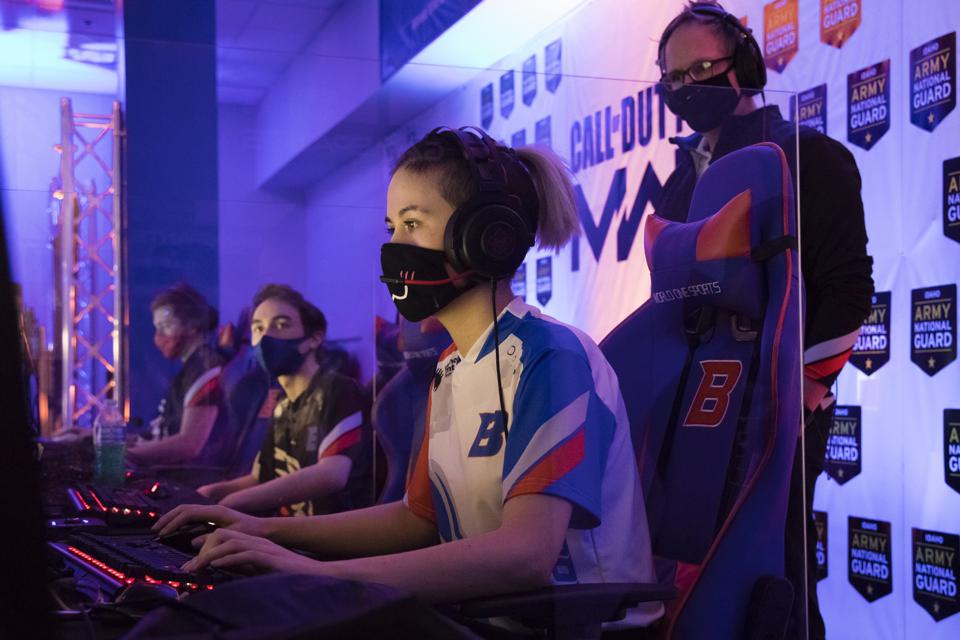
“I’m fascinated by the whole esports dynamic and community for a few reasons,” Verizon Chief Marketing Officer Diego Scotti tells Forbes. “One, the level of engagement for the games and the competition are through the roof. Second, the engagement and the reach that the players have with their fans is incredible.”
Verizon is also getting into world of non-fungible tokens (NFTs) through a new partnership with Dignitas. Starting today, 100 fans who engage with the organization’s social media channels will be chosen to receive an NFT hologram of the Dignitas’s Women’s FPS team that can be viewed in augmented reality. The AR NFTs—which will be digitally signed by the players later this month—will let fans pose for photos next to players’ holograms. However, unlike other NFTs that sometimes sell for hundreds of thousands or millions of dollars, Verizon’s NFTs on its beta NFT platform can’t be traded or sold.
See the full story here: https://www.forbes.com/sites/martyswant/2021/06/14/from-nfts-and-virtual-reality-to-hbcu-partnerships-inside-verizons-bid-to-win-over-gamers/?sh=311315b85ccd
Olfactory Virtual Realities Show Promise for Mental Health Practices and Integrative Care
Tomasi and a team of psychotherapists at UVMMC’s Inpatient Psychiatry Department collaborated with OVR Technology, a Burlington, Vermont-based company that specializes in olfactory virtual reality in this context, to design a relaxing, virtual forest and campsite that could be independently, fully experienced in an area of just 100-square-feet. Using software, scentware and hardware supplied by OVR Technology, the team created a simulation complete with a virtual tent, picnic table, fire pit, logs and other objects to touch, and aromas of fresh bacon and toasted marshmallows.
Participants — all inpatient psychiatry patients that voluntary participated in the study — were immersed in the forest camp environment for 8–12-minutes, in weekly OVR sessions that coincided with their standard clinical treatment plans. Following the OVR sessions, participants reported significant and immediate improvements to their anxiety, stress and pain levels that lasted up to three hours after a session.
Among the most dramatic improvements reported by participants were reduced anxiety levels. Asked throughout the sessions to rate their anxiety levels on a scale of 1 to 10 (with 1 being the lowest and 10 the highest), nearly half the participants (45.6%) rated their anxiety levels prior to OVR as either a 9 or 10. Roughly the same percent of participants (44.6%) rated their anxiety levels immediately after the session as either a 1 or 2. Between one to three hours later, half the participants (50%) rated their anxiety levels as either a 2 or 3. In all, participants’ anxiety dropped a median of 5 levels from start to finish through the process.
See the full story here: https://www.newswise.com/articles/olfactory-virtual-realities-show-promise-for-mental-health-practices-and-integrative-care

Apple and Snap Pick Up Where Pokemon Go Left Off
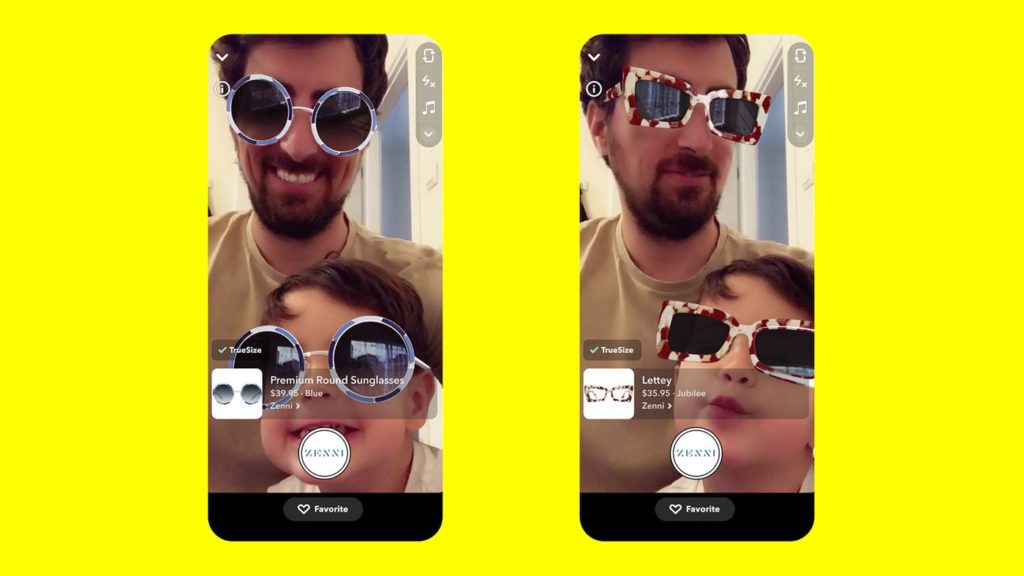
Advances in technology are laying the foundation for augmented reality to disrupt markets beyond gaming to social media and commerce.
Several industry leaders are making large bets on the technology, including building dedicated AR headsets. Last month, Snap unveiled its latest Spectacles prototype and bought AR display component supplier WaveOptics for more than $500 million. Facebook Inc. has more than 6,000 employees working on its virtual-reality and augmented-reality projects. And Apple Inc. is said to be developing a virtual-reality headset with some AR functionality for a possible release in 2022.
On the back of its ownership of the widely-used Unreal programming engine, Epic has unique insight into budding trends in the gaming industry. So it was telling when Apple’s counsel cited an internal board presentation in which the Fortnite maker indicated the need to act quickly before AR took off and further entrenched the App Store’s high fee structure. The fact that Epic then sued the world’s most powerful company speaks to how seriously Epic is taking AR’s imminent rise.
Pokemon Go was based on rudimentary AR with basic, cartoon-like overlays. Imagine what’s possible with newer technologies. E-commerce software company Shopify Inc. said last September that product pages with AR experiences led to a 94% higher conversion rate compared to traditional listings. I expect businesses will figure out more effective ways to reach customers as they get accustomed to the latest tools.
See the full story here: https://www.bloomberg.com/opinion/articles/2021-06-09/apple-snap-take-augmented-reality-to-next-level-after-pokemon-go
Tech Companies Want to Make Holograms Part of Routine Office Life
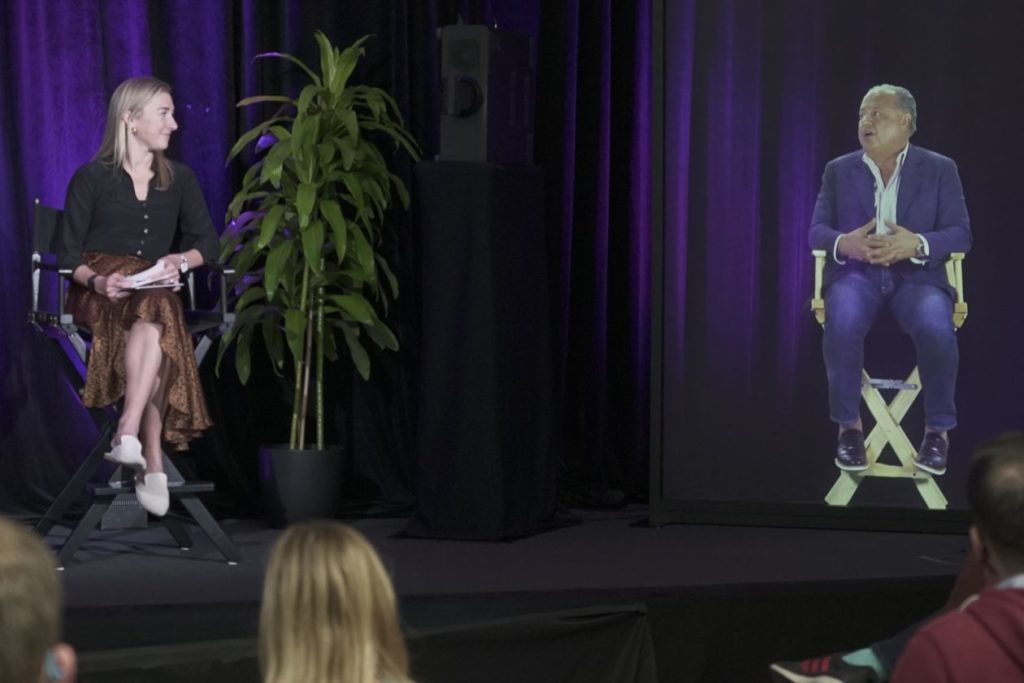
WeWork last month announced a partnership with ARHT Media Inc., a hologram technology company, to bring holograms to 100 WeWork buildings in 16 locations around the world. The effort begins this month with New York, Los Angeles and Miami.
Three-dimensional representations improve on traditional phone and video calls because they make it easier to read body language and feel more personal, backers say.
See the full story here: https://www.wsj.com/articles/tech-companies-want-to-make-holograms-part-of-routine-office-life-11623232800
Inside the Illuminarium, the $30 million spectacle that’s like walking into a film
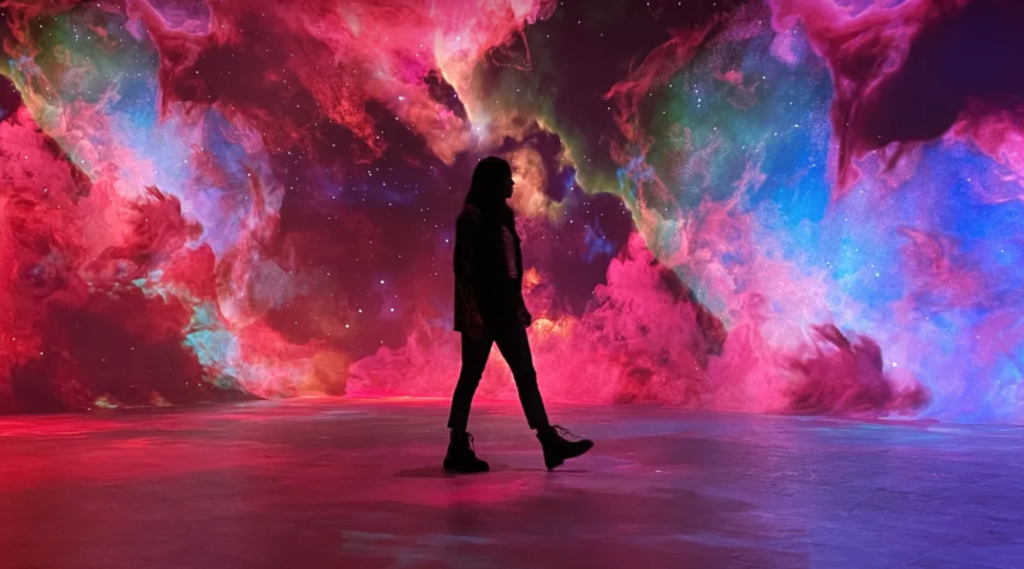
A $30 million spectacle is opening in Atlanta next month that proposes a new kind of post-pandemic experience. Blurring elements of film, immersive environments, and theatrical design, the space, called Illuminarium, hopes to bring visitors together indoors in a room that can be transformed through video projection, lidar-based interactive digital elements, sound, and special effects to replicate any place in the world—or beyond.
Created by Alan Greenberg, a private school entrepreneur and former publisher of Esquire Magazine; Jon Kamen, the founder of the documentary and filmmaking company Radical Media; and David Rockwell, the architect, theater designer, and founder of Rockwell Group, Illuminarium is attempting to be a space that is something of a cross between a museum, a movie theater, and virtual reality—with an emphasis on experiencing it together with other people.
Illuminarium’s Atlanta location is planned as its first, with a second now under construction in Las Vegas, another planned in Miami, and joint ventures being set up to expand the concept internationally.
The actual experience of visiting Illuminarium will involve a timed entrance into an 8,000-square-foot room where the walls and floor will be covered in the projected safari film. Broken down into distinct chapters, covering different parts of Africa, the film itself is nonlinear, and able to be entered at any point in its roughly 50-minute run time. Visitors can walk throughout the space or find a place to sit or perch. At their leisure, they can exit through the gift shop.
With haptic effects in the floors that will make visitors feel the rumble of a lion walking nearby and responsive elements in the bar space like a flock of birds that bursts from a tree when visitors approach, the emphasis is on immersion.
“You have a much bigger physical responsibility, because anybody in the room can be looking in any direction at any time. It’s a completely different discipline of filmmaking.”
See the full story here: https://www.fastcompany.com/90644148/inside-the-illuminarium-the-30-million-spectacle-thats-like-walking-into-a-film?partner=rss&utm_campaign=rss+fastcompany&utm_content=rss&utm_medium=feed&utm_source=rss