The NFT market bubble has popped and we’ve got the charts to prove it
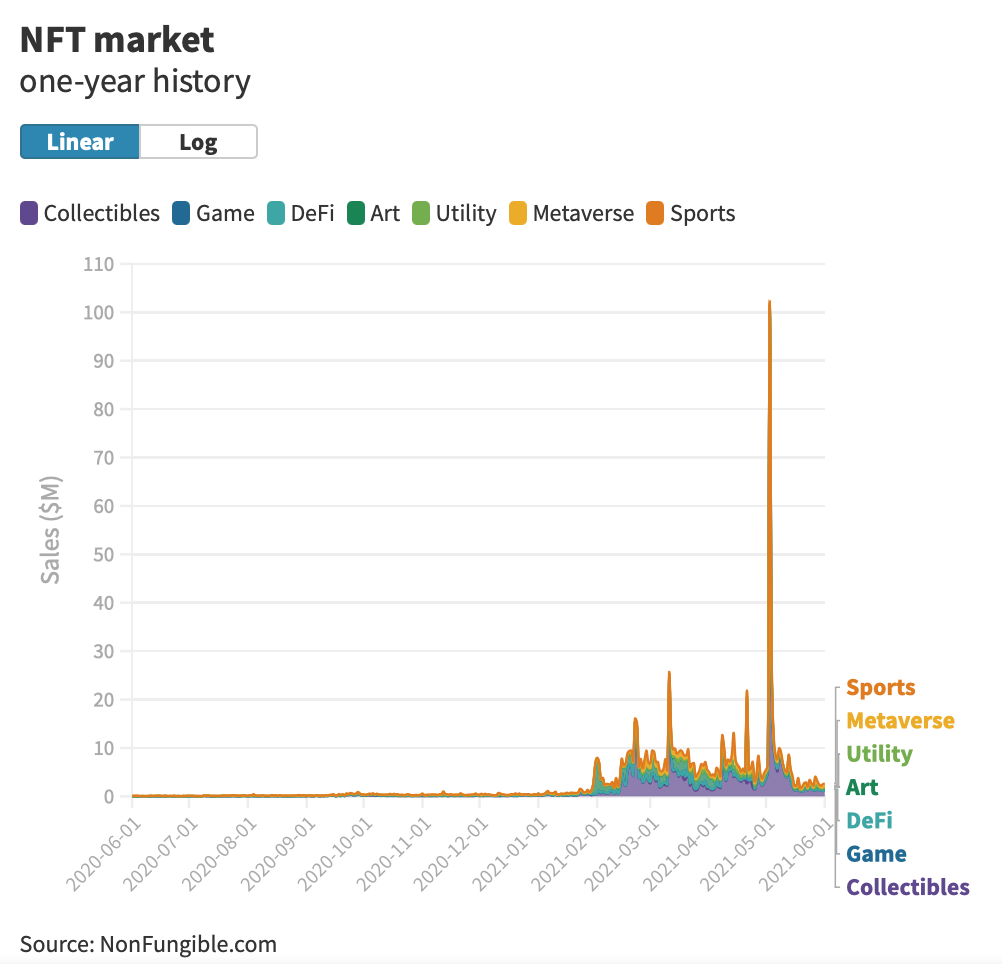
See the full story with many charts here: https://protos.com/nft-market-bubble-popped-crypto-collectibles-are-over/
The idea of a university: Newman’s vision and our reality
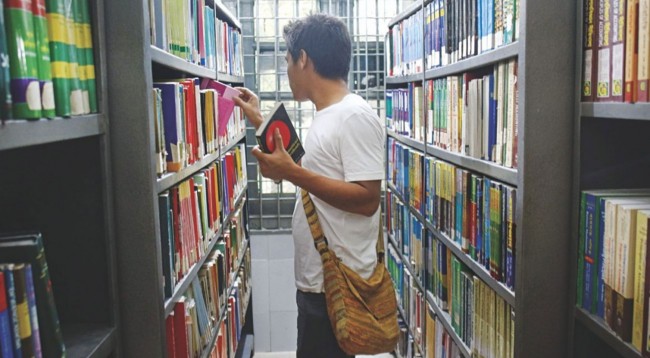
Newman emphasises the essential need for interconnectedness of diverse branches of knowledge. He conceives knowledge as an integrated whole, and recommends an interdisciplinary or "holistic" approach as a basic pedagogical principle. Rather than making students capable only of doing some particular job or producing mere professionals or technical hands, the university, according to Newman, produces "liberally educated gentlemen" (and gentlewomen) who are endowed with "[a] cultivated intellect, a delicate taste, a candid, equitable, dispassionate mind, a noble and courteous bearing in the conduct of life." The university trains humans to think, "to reason well in all matters," and aims at a general, comprehensive, holistic development—that is, formation of character—of a person, the value of which is often undermined in the prevailing social and market parameters.
Since there are sustained attempts at valorising and legitimising bureaucratic invasions and reproduction of corporate values in our universities, we need to remain alert to diverse hegemonies hatched and launched by different establishments. But perhaps the most serious threat comes from within—from the formidable presence of people in our universities who are not academically inclined and almost clueless about Newman's "liberal education", "philosophical habit of mind" or "inner eyes"… who are not in search of knowledge and ideas, and whose eyes are rather fixed on immediate material rewards and lucrative positions.
We also need to understand the university's essential connection with, and disconnection from, the lived life (or the reality around); it has the responsibility to contribute to the material developments and needs of the present, but at the same time it should function as an "alternative social space" that creates and circulates new ideas and knowledge, and sets a higher ethical and intellectual tone for the community to aspire for.
See the full essay here: https://www.thedailystar.net/opinion/news/the-idea-university-newmans-vision-and-our-reality-2103693
This VR Tool Knows What You’re Thinking Before You Do [Theia Interactive’s Claria and the HP Reverb G2 headset]
This is where Theia Interactive comes in. The visualization firm and software developer is launching a brand new set of tools called Claria, which incorporates eye-tracking technology and biometric sensors to determine how you’re feeling by recording your physical reactions while in VR. It’s so efficient, in fact, that the system knows what you’re feeling before you do.
Claria accomplished this by tracking six key physical responses: heart rate, heart rate variability, cognitive load, eye vector, pupillometry, and rapid movement of the eye between fixation points, otherwise referred to assaccades. These biometric responses and subsequent data can be incredibly valuable for designers, marketers, researchers, and creators by giving them the ability to understand exactly how you feel about a given product or experience.
This could have a huge impact in multiple industries, from design and product marketing to healthcare.
Claira works specifically with the biosensors within HP’s Reverb G2 Omnicept Edition VR headset. That’s because while other headsets can only track one or two of the metrics needed to read your physical reactions, the Reverb G2 Omnicept Edition is stacked with state-of-the-art sensor systems capable of capturing all of the measurements needed for Claria to work effectively with real-time insights.
Claria is currently available through an early access program, with perpetual licenses available in packs of three, five, and ten. Full access to Claria is expected by the end of 2021.
See the full story here: https://www.virtualrealitypulse.com/edition/daily-amazon-apple-2021-06-02?open-article-id=16252505&article-title=this-vr-tool-knows-what-you-re-thinking-before-you-do&blog-domain=vrscout.com&blog-title=vrscout
A Smart Lamp That Watches Kids When They Study Is a Hit in China
The product, made by TikTok owner ByteDance, monitors study habits and offers aid to students—but also raises privacy issues
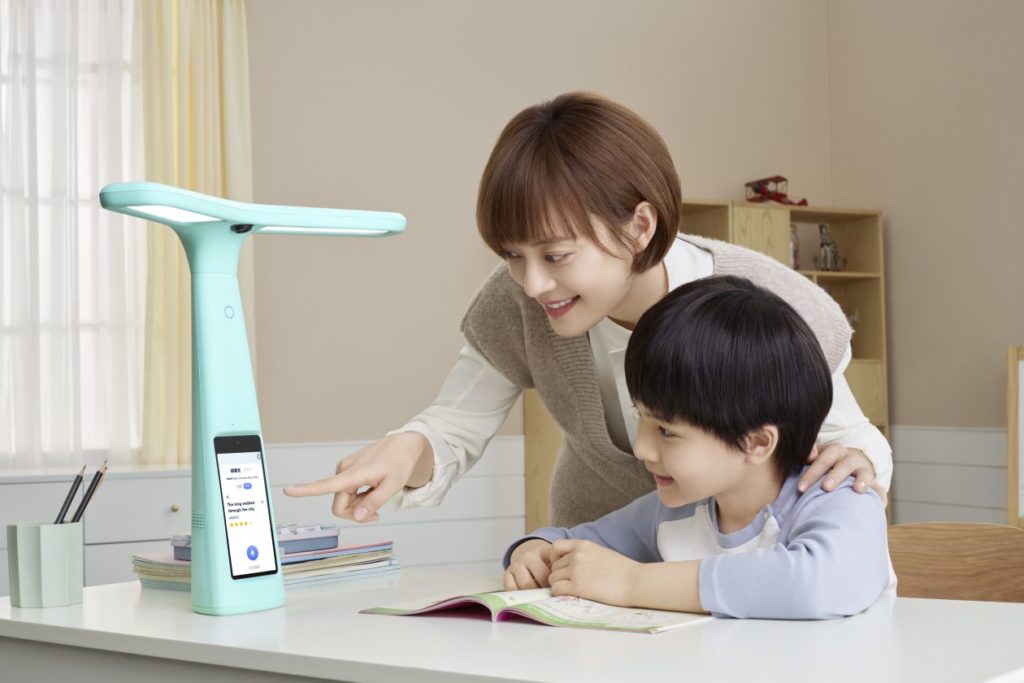
The lamps come equipped with two built-in cameras—one facing the child and another offering a bird’s-eye view from above—letting parents remotely monitor their children when they study. There is a smartphone-sized screen attached to each lamp, which applies artificial intelligence to offer guidance on math problems and difficult words. And parents can hire a human proctor to digitally monitor their children as they study.
In addition to the basic version of the lamp, a $170 upgraded model sends alerts and photos to parents when their children slouch. That version of the lamp sold out on China’s largest e-commerce platforms earlier this month.
See the full story here: https://www.wsj.com/articles/a-smart-lamp-that-watches-kids-when-they-study-is-a-hit-in-china-11622466002
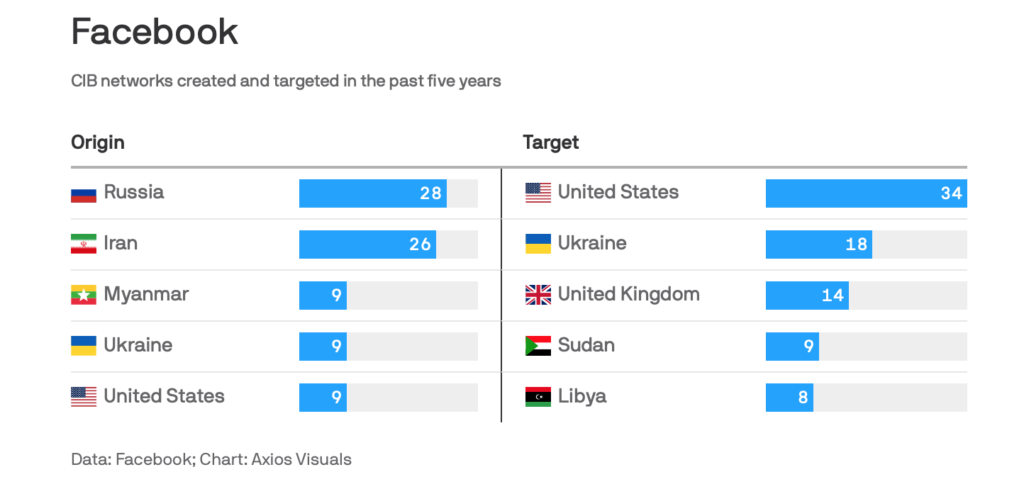
Facebook says U.S. is the top target of disinformation campaigns
Why it matters: While most of the campaigns targeting the U.S. have originated abroad, Facebook found that a significant number of campaigns targeting people in the U.S. have originated from inside the U.S.
One campaign the company points to was the network operated by a U.S. based marketing firm, working on behalf of its clients, including a pro-Trump organization.
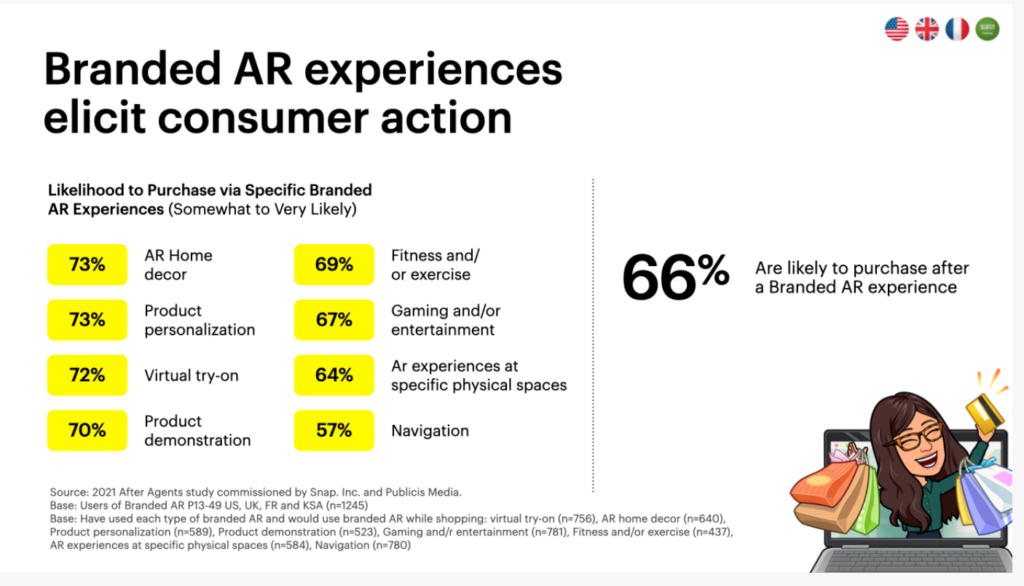
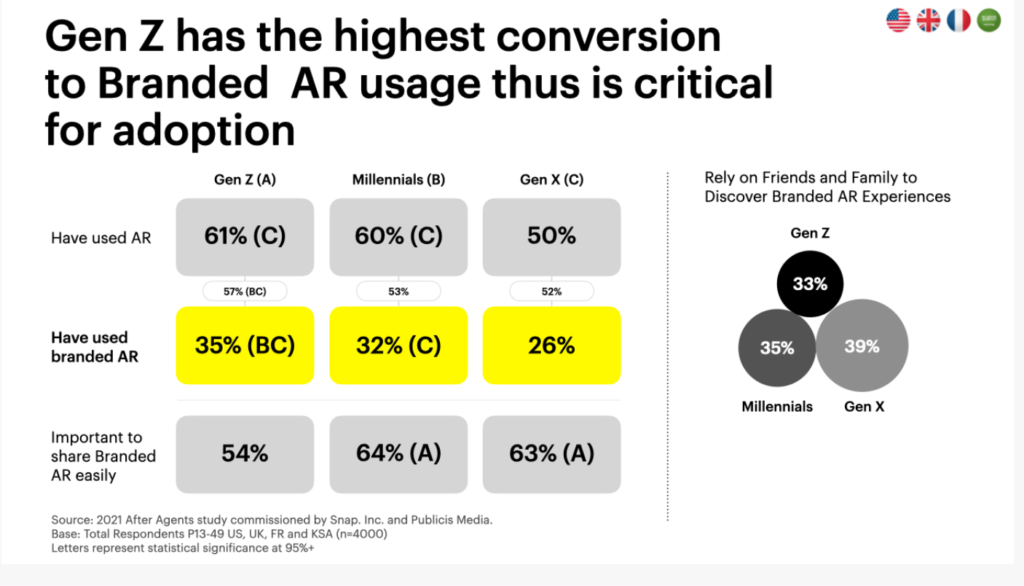
AR in Product Discovery and Purchase
See the full story here; https://www.digitalinformationworld.com/2021/06/augmented-reality-is-getting-evolved-to.html
Deepfake maps could really mess with your sense of the world
Satellite images showing the expansion of large detention camps in Xinjiang, China, between 2016 and 2018 provided some of the strongest evidence of a government crackdown on more than a million Muslims, triggering international condemnation and sanctions.
Other aerial images—of nuclear installations in Iran and missile sites in North Korea, for example—have had a similar impact on world events. Now, image-manipulation tools made possible by artificial intelligence may make it harder to accept such images at face value.
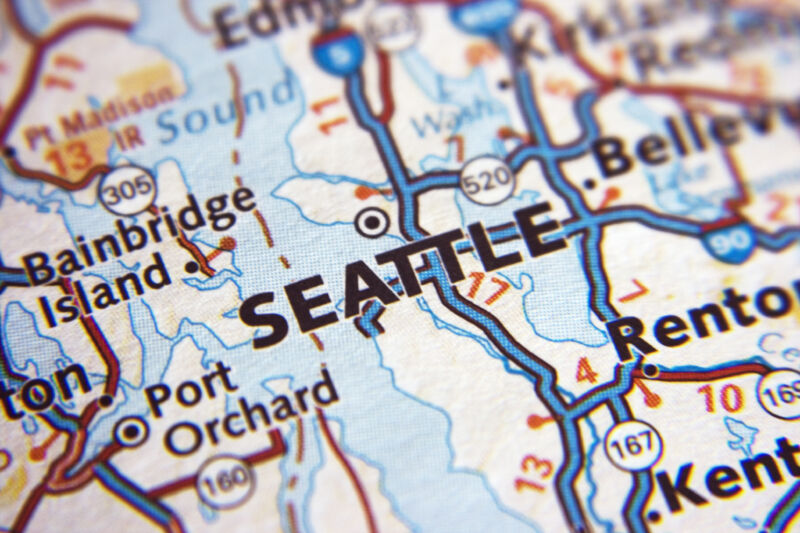
In a paper published online last month, University of Washington professor Bo Zhao employed AI techniques similar to those used to create so-called deepfakes to alter satellite images of several cities. Zhao and colleagues swapped features between images of Seattle and Beijing to show buildings where there are none in Seattle and to remove structures and replace them with greenery in Beijing.
“Imagine a world where a state government, or other actor, can realistically manipulate images to show either nothing there or a different layout,” McKenzie says. “I am not entirely sure what can be done to stop it at this point.”
Gabrielle Lim, a researcher at Harvard Kennedy School’s Shorenstein Center who focuses on media manipulation, says maps can be used to mislead without AI. She points to images circulated online suggesting that Alexandria Ocasio-Cortez was not where she claimed to be during the Capitol insurrection on January 6, as well as Chinese passports showing a disputed region of the South China Sea as part of China. “No fancy technology, but it can achieve similar objectives,” Lim says.
Zhao at the University of Washington plans to explore ways to automatically identify deepfake satellite images. He says that studying how landscapes change over time could help flag suspect features. “Temporal-spatial patterns will be really important,” he says.
See the full story here: https://arstechnica.com/gadgets/2021/05/deepfake-maps-could-really-mess-with-your-sense-of-the-world/