Christie’s auctions jumps into burgeoning digital art market
"Everydays - The First 5000 Days," by the American digital artist known as Beeple, comprises all the works of art that he has made over the course of 13 years. Christie's in New York said that because the venture was so new for the auction house, bidding in the Feb 27-March 11 online sale would start at just $100.
The art work carries what is known as a Non-Fungible Token (NFT), a unique digital token encrypted with the artist's signature and which verifies its ownership and authenticity and is permanently attached to the piece.
The auction comes at a time of rapid expansion of the digital art market, where creators use computer generated imagery, scanned photos, manipulated videos and other medium to create original work. The recent introduction of NFTs opens the way for digital art to be sold in the same way as traditional paintings and sculptures.
"Not unlike the advent of Street Art as a blue chip collecting category, NFT-based art is on the threshold of becoming the next ingeniously disruptive force in the art market," Noah Davis, Christie's specialist in post-war and contemporary art said in a statement.
See the full story here: https://www.devdiscourse.com/article/entertainment/1451169-christies-auctions-jumps-into-burgeoning-digital-art-market

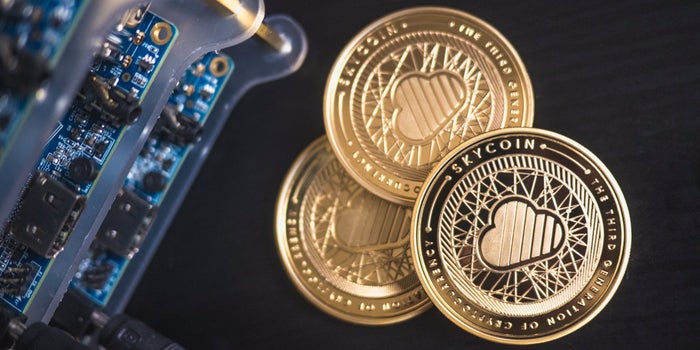
How Can Blockchain Accelerate the Virtual Reality Revolution?
First, it allows the decentralization of virtual reality content without sacrificing its protection.
Second, despite decentralization, copyright protection will still be in place due to blockchain; if one will be able to steal the credit from someone else’s creative work, it is recorded in a blockchain. Copyright protection may be freed from the bureaucracy that plagues it now, and an efficient protection system allows virtual reality platforms to become pieces of a united ecosystem.
Third, merging with the profitable cryptocurrency market makes virtual reality popularization much easier.
An innovative platform that combines virtual reality and blockchain
A nice example of a project that leans heavily into all the advantages provided by blockchain and virtual reality symbiosis is Victoria VR. It is a blockchain-based ecosystem that unites multiple virtual reality platforms and creates a whole world filled with user created photorealistic content, recorded in the blockchain. Therefore, Victoria VR users can work, visit tourist destinations, participate in meetings, enjoy concerts and play games without any risks or need to travel.
Victoria VR also allows its users to make money in the real world by trading and running businesses in the virtual one.
See the full story here: https://www.entrepreneur.com/article/365482
Inside Meow Wolf’s New Omega Mart Interactive Experience in Las Vegas
Spectators are led through a transformative narrative guided by interactive visual, sound, film and digital content all layered into multi-dimensional art. Video content — the length of three feature films — is embedded throughout.
What Exactly is Going on at Omega Mart?
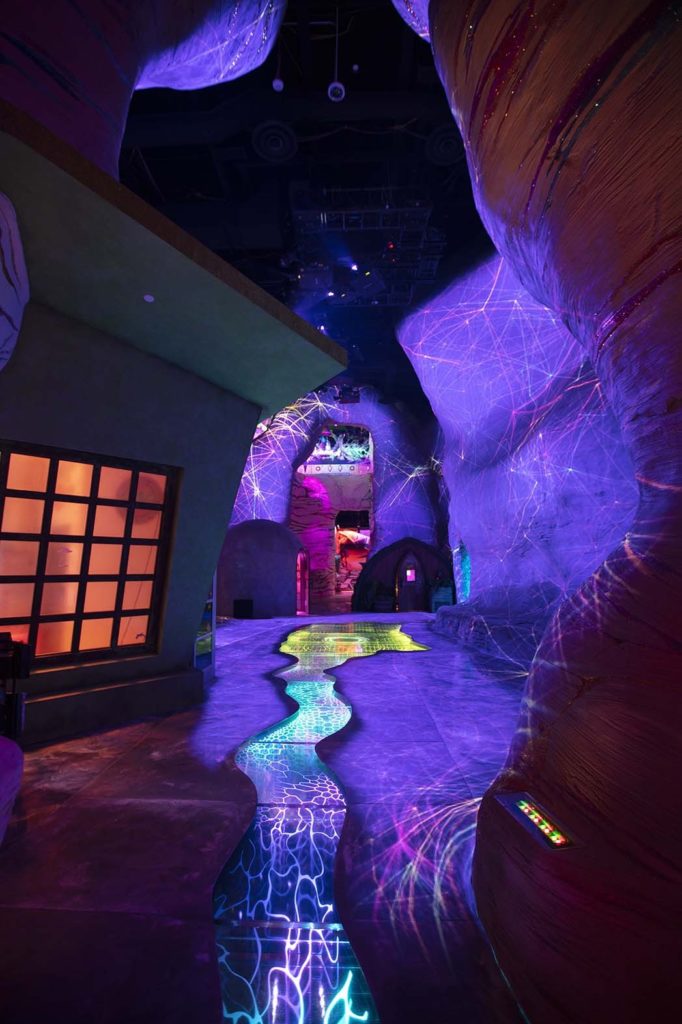
The storyline of the new art experience centers on a mythical energy, called The Source. The Omega Mart grocery store has found a way to harness The Source and put it into their products, and they sell them to America, Brinkerhoff explains.
Guests can follow the storylines of DramCorp, the corporate giant behind Omega Mart, which has moved into this parallel dimension, taking over parts of the desert, as well as those of three sisters that lead a resistance to this infiltration. Look for clues as to what is going on within the exhibits, installation-filled rooms and terrains, or choose your own adventure — anything goes.
The authenticity and approachability of a Meow Wolf experience is a response to the cynicism and gatekeeping of the contemporary art world, something that Brinkerhoff says the collective strives to tear down.
George R.R. Martin’s Role
The Game of Thrones creator consults on story building and vision for the world of Meow Wolf.
“Think of it like the Marvel Universe,” Brinkerhoff says. “There are different characters and sagas but they all kind of exist in this common universe that is the connective tissue between all of our different shows that we're developing.”
See the full story here: https://www.hollywoodreporter.com/index.php/news/inside-meow-wolfs-new-omega-mart-interactive-experience-in-las-vegas?fbclid=IwAR2tqBL93yC9Gy3qTBRFNktznmCwfXwKfcvr9CB2sI5cA9CCUoQkoAuGlWA
IN 2021, THE SUNDANCE FILM FESTIVAL FOUND ART IN ZOOM, INSTAGRAM, AND VR THEATER
Pared down to 14 projects, this year’s New Frontier focused on web art and social media alongside virtual and augmented reality experiences. The result was a show that felt intimate and intriguing — and set a model for showcasing interactive art online.
BEYOND THE BREAKDOWN
CREATED BY TONY PATRICK, LAUREN LEE MCCARTHY, AND GRACE LEE
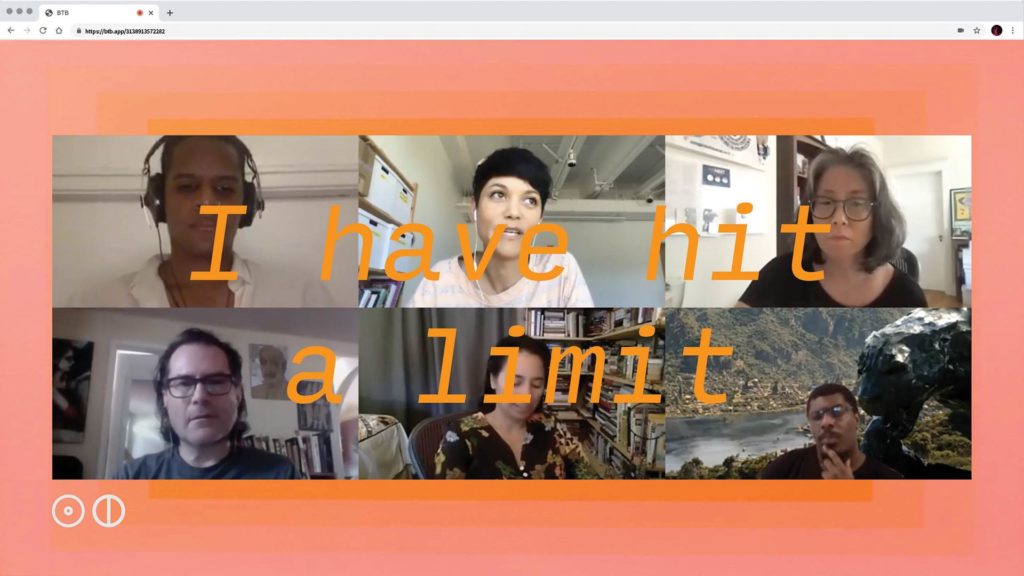
It’s tough to make a Zoom call feel profound, but Beyond the Breakdown comes close. Like Tinker, the experience involves only a few people, all of whom dial into a web-based video chat. The chat is moderated by a Siri-like voice bot (controlled largely by a human operator), and it’s devoted to answering a simple question: what should Earth look like in 2050?
RICH KIDS: A HISTORY OF SHOPPING MALLS IN TEHRAN
See the full story here: https://www.theverge.com/2021/2/15/22260581/sundance-film-festival-new-frontier-best-of-2021
Artificial intelligence reveals the recipe for a perfect stack this Shrove Tuesday – and claims just ONE flip is ideal
According to the London-based firm, seven ingredients – flour, sugar, baking powder, salt, milk, butter and eggs – will give the fluffiest pancakes.

And while you might be tempted to go for multiple flips, the AI claims that just one toss is necessary to ensure perfect pancakes.
THE ULTIMATE AI-APPROVED PANCAKES
From the optimum butter-to-milk ratio, to the cooking time & heat, Monolith identified the ultimate combination of ingredients:
- Flour - 210g
- Sugar - 48g
- Baking powder - 14g
- Salt - 6g
- Eggs - 2
- Milk - 256g
- Butter - 25g
- Number of flips - 1
- Pan temp - medium heat (electric) / Low heat (gas)
See the full story here: https://www.dailymail.co.uk/sciencetech/article-9262829/Artificial-intelligence-reveals-perfect-pancake-recipe.html
How The UK Is Using VR To Improve Safety For Its Largest Environmental Project Yet
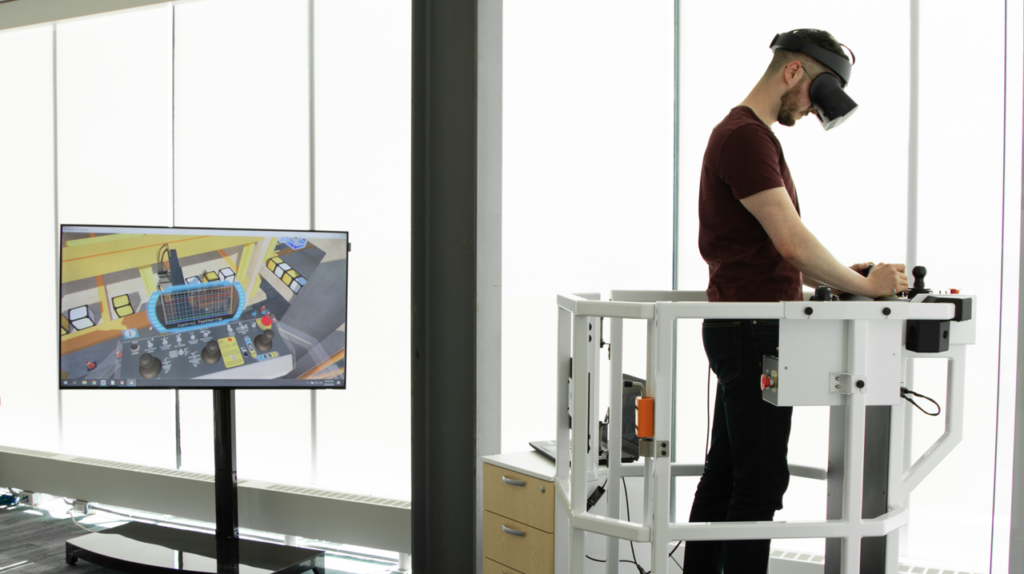
For those who may be out of the loop, the UK is currently in the process of developing an eco-friendly high-speed rail line as part of the countries transition to low carbon transportation. The HS2 Rail Line will feature 25 stations across London, Birmingham, Manchester, and Leeds, connecting 30 million people while at the same time generating 500,000 new jobs. When complete, the HS2 will represent the countries largest environmental project to date, offering an alternative form of transportation that emits 17x less carbon than a conventional flight.
“From initial conversations with the team at Align JV, it was clear they were looking at using innovation and the latest technology to enhance the safety of all aspects of the working environment” said Darren Verschuren, International Account Director at Serious Labs. “Not only is simulator training engaging, cost-effective and safe, it provides trainees with better capabilities, while decreasing the potential for accidents and fatalities — something which is better for everyone.”
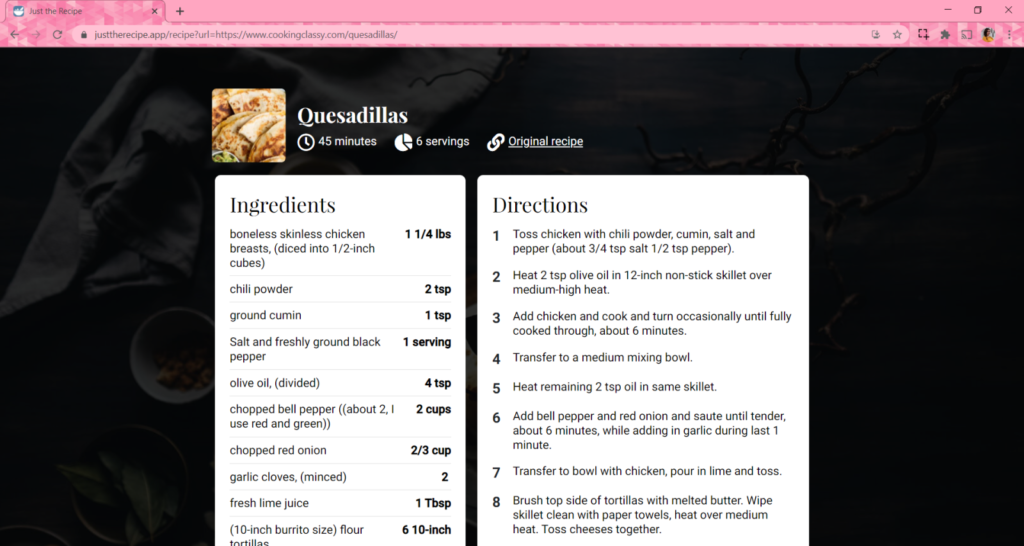
Finally, a Site That Just Lets Me Know How to Cook the Dang Thing
Aptly named “Just the Recipe,” it takes any recipe URL and spits out a list of ingredients, estimated prep time, how many servings it makes, and step-by-step directions.
The site, which we spotted thanks to the good folks on Twitter, automatically sorts out the salient details, pun intended, from the needless word fluff. Since the system appears to be algorithmically generated, it’s not always perfect. A few times we tried it out, the site got its signals crossed and listed ridiculous amounts for some ingredients (it seems to have particular trouble sorting out ingredients that recipes typically leave open “to taste” like salt and pepper) but it was pretty consistent about picking up on all the important directions and putting them in the right order.
See the full story here: https://gizmodo.com/finally-a-site-that-just-lets-me-know-how-to-cook-the-1846271356