Wood can easily be turned transparent to make energy-saving windows
The researchers’ method stems from the recent discovery that lignin can be made transparent by removing only the parts of its molecules that give them their colour. They brushed hydrogen peroxide, which is often used as a disinfectant, over the surface of the wood and then left it under a UV lamp designed to simulate natural sunlight. After soaking the wood in ethanol to remove any remaining gunk, they filled the pores in the wood with clear epoxy, a step that is also part of making lignin-free transparent wood.
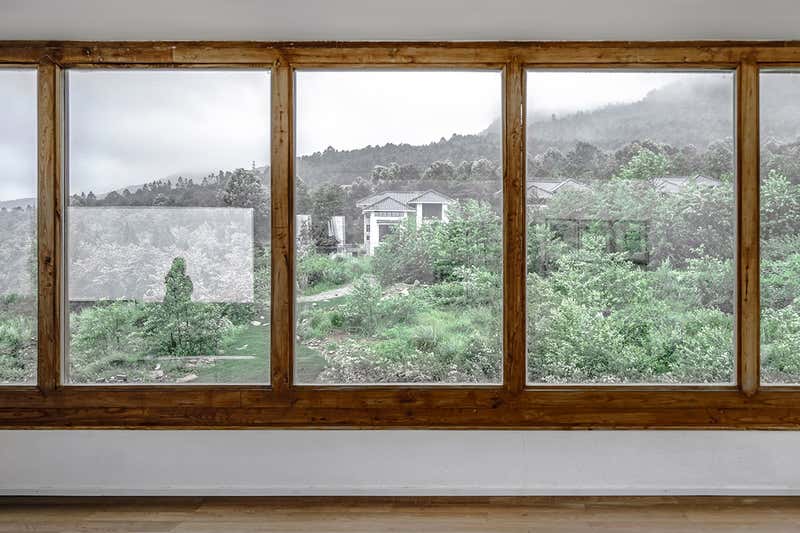
The final product is a piece of wood that allows more than 90 per cent of light to pass through it and is more than 50 times stronger than transparent wood with the lignin completely removed. “The transparent wood is lighter and stronger than glass. It could be used for load-bearing windows and roofs,” says Hu. “It can be potentially used to make a see-through house.”