Niantic announces Catan: World Explorers, the fourth augmented reality game from the studio
 ...the studio has now set its sights on the popular board game Catan, in cooperation with Asmodee. This upcoming title is called Catan: World Explorers, and it's billed as a massively-multiplayer augmented reality game that will "transform the entire Earth into one giant game of Catan," which at least sounds somewhat interesting.
Of course, since Niantic hasn't shared any concrete details about Catan: World Explorers, we still don't know when the game will arrive, how it will be monetized, or what the board-game-based gameplay actually looks like. At the very least, Niantic has published an official website for the title where interested parties can sign up for email updates, which also doubles as a way to pre-register for a secured spot at launch, which sounds like the game won't get a world-wide release whenever it finally lands on the Play Store (at least not at first).
All in all, I can't say it's surprising to learn that Niantic is still keen on pushing out more AR games, especially since today's announcement mentions that the studio is currently working on ten new titles.
See the full story here: https://www.androidpolice.com/2020/06/30/catan-world-explorers-augmented-reality-game-android/
An Investor’s Primer on Virtual Reality (VR) and Augmented Reality (AR)
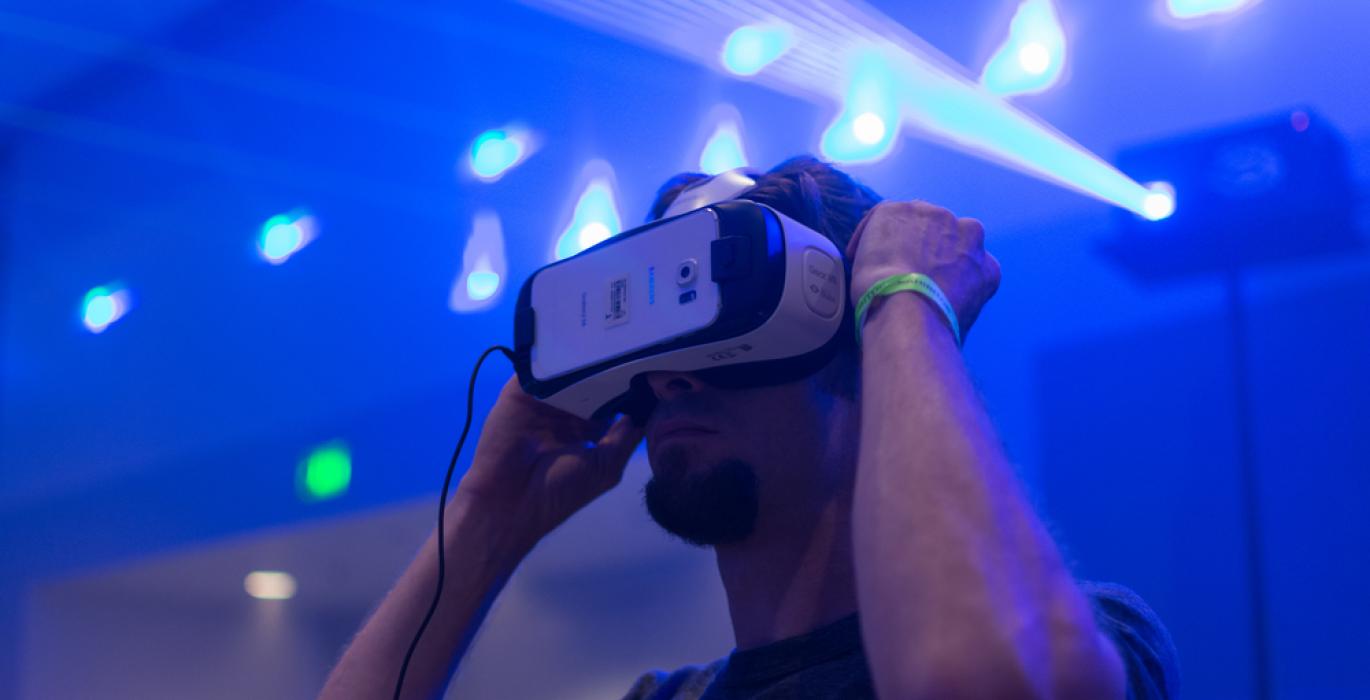 This article lists the highlights & major players - https://www.nasdaq.com/articles/an-investors-primer-on-virtual-reality-vr-and-augmented-reality-ar-2020-06-30
4 WAYS THAT THE ENTERTAINMENT INDUSTRY IS HARNESSING AI FOR GROWTH
 1. Targeted Advertising
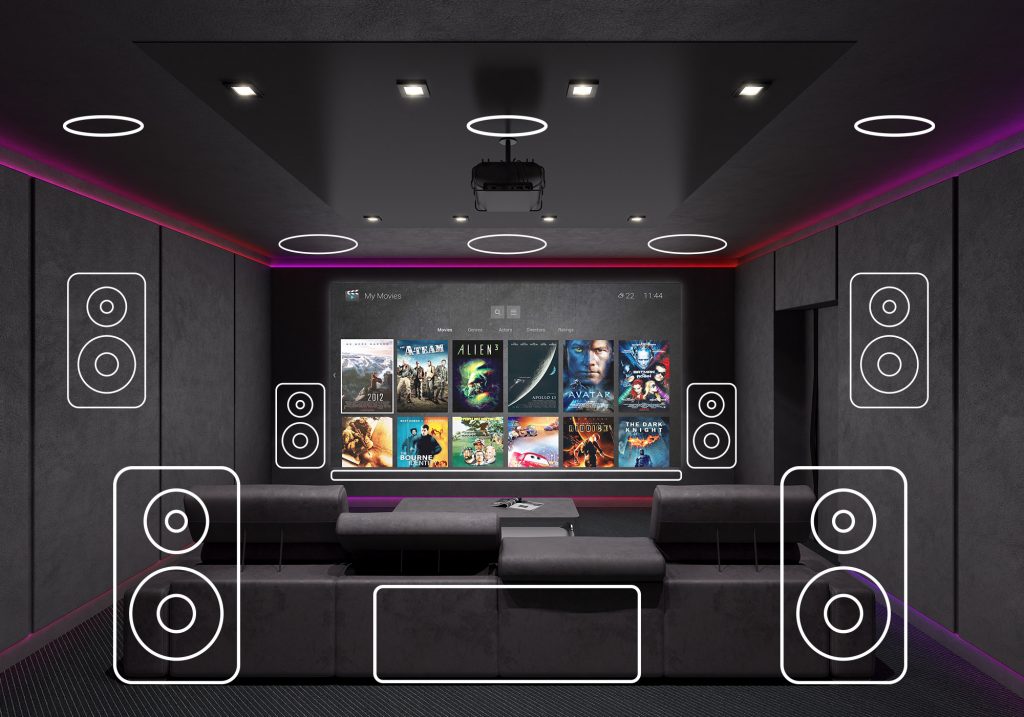
When it comes to online shopping, the use of personalized, AI-generated banners is now standard practice, with the global e-commerce giant Alibaba’s Luban algorithm generating hundreds of millions of unique ad banners on its site every single day.
2. Personalized Content
Netflix’s sophisticated Meson algorithm is able to analyze user behavior and sentiment to curate a bespoke selection of media content for each of its millions of account holders, even using different movie posters and trailer clips depending on who is watching.
3. Accessibility
AI is being used to improve content classification and flag potentially problematic or harmful content, often with the use of sentiment recognition to identify anything that might be described as being sensitive.
4. New Frontiers of Entertainment
One of the emerging shifts in entertainment that looks set to completely disrupt the industry is the growing use of VR (virtual reality) and AR (augmented reality), two mediums that rely heavily on AI processes to function and develop.
See the full story here: https://www.analyticsinsight.net/4-ways-that-the-entertainment-industry-is-harnessing-ai-for-growth/
Frank Turner on playing the virtual reality version of Glastonbury’s Shangri-La: “It’s cool as shit!”
 Viewers or punters – however you want to put it – go into this virtual reality version of Shangri-La and can walk around and stop in and see different stuff and one of them will be me, playing away as a hologram. You don’t have to have an actual VR headset to be a part of this either, that’s important to stress, you can just do it on an iPhone.
I went down to a warehouse in Bow to record my set, which was all very carefully socially distanced – and I’ve got to say, it was extremely nice to get out of the house to play some music. It was nice to remember that there are other people out there – my wife and I have been at home just the two of us for a really long time – and so nice to see people doing whatever they can to keep some form of live music going.
I would recommend some warm cans of lager, then put some wet trainers on and shit in a bucket – then you’ll be pretty close to the Glastonbury experience.”
See the full story here: https://www.nme.com/features/frank-turner-on-playing-the-virtual-reality-version-of-glastonburys-shangri-la-its-cool-as-shit-2697289
Verizon Media Immersive Launches To Foster Next-Gen 5G, AR And VR Advertising Ecosystem
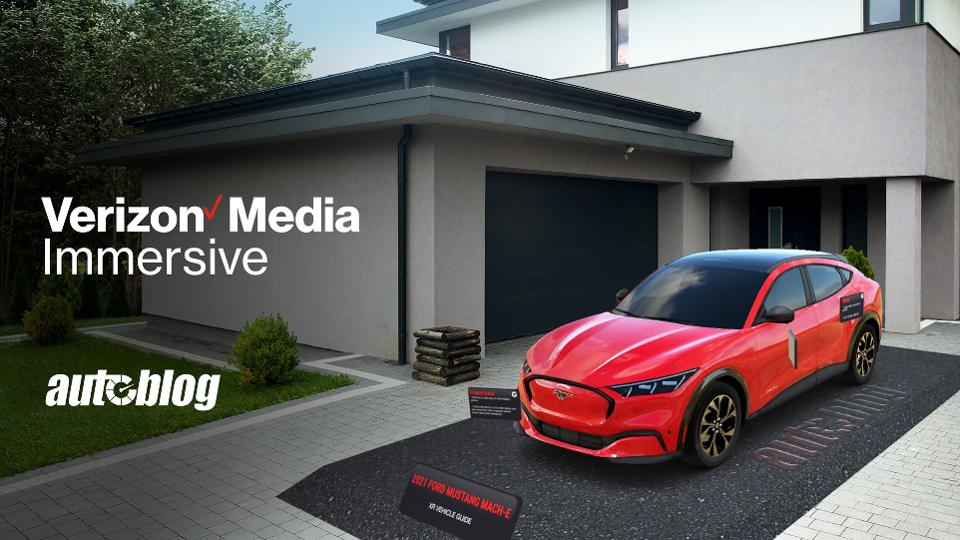 Today, Verizon Media announced the launch of a new extended reality (XR) toolset called Verizon Media Immersive, the largest XR platform for creating augmented, mixed, and virtual reality advertising and branded content with an emphasis on next-generation 5G experiences.
Verizon Media is a suite of brands that includes Yahoo, HuffPost, and TechCrunch, reaching nearly 900M unique monthly visitors worldwide. As a toolset, Verizon Media Immersive enables partners to create, distribute, and monetize XR content with authoring tools; a content library and search; and the ability to track performance through analytics. Through direct integration with Verizon Media Ad Platform, this branded content can then be deployed across different articles, search, and affiliate links in Verizon Media properties.
Because the platform incorporates WebAR (sometimes referred to more broadly as “WebXR”) toolset, experiences created with VMI can be delivered directly from the browser, as opposed to needing to work exclusively from an app. Brands can integrate immersive experiences across the web, whether on desktop and mobile, opening new pathways for connecting with audiences.
RYOT, which Verizon acquired in 2014—and has become the first and only 5G production studio in the U.S.—was a driving force behind the development of Verizon Media Immersive. Through the studio’s creative expertise across film/TV, VFX, and XR, Verizon Media intends its immersive platform as one that allows partners to streamline content across delivery formats.
Of course, 5G plays a large role in Verizon Media Immersive’s functionality. Formats like volumetric capture and motion capture have traditionally been difficult to deliver across 4G LTE, but the advent of 5G will dramatically reduce the barrier to these mediums...
For more information, visit the official Verizon Media website.
Measuring Augmented Reality Experiences
 Dwell Time: “How long were you there?”

Engagement: “What did you do”?
Recall: “What did you see”?
Sentiment: “Did you have fun?”
To help you get started with measuring your experiences, we have recently updated our documentation with a new section on “Advanced Analytics,”beginning with outlining how to integrate Google Analytics and Google Tag Manager in your WebAR projects.
See the full story here: https://medium.com/8th-wall/measuring-augmented-reality-experiences-6d9e58cf6451
The startup taking on Apple and Snapchat in a mini-app war
Here's Dmitry Shapiro's big idea: apps that go inside your apps. Want to play a game inside a Reddit post, make a GIF without leaving the iMessage window, or pick theater seats with your friends? That's what Shapiro, his co-founder Sean Thielen, and their new company Koji, want to do.
See the full story here: https://www.protocol.com/koji?fbclid=IwAR3BFKGOx51HQQsAZFU_Y1AlpjUUXEpp5oTKjEPb33Bjw1dJ93xpCmiDAx4