A new curriculum that helps children understand how algorithms are designed will keep them safe and motivate them to help shape the technology’s future.
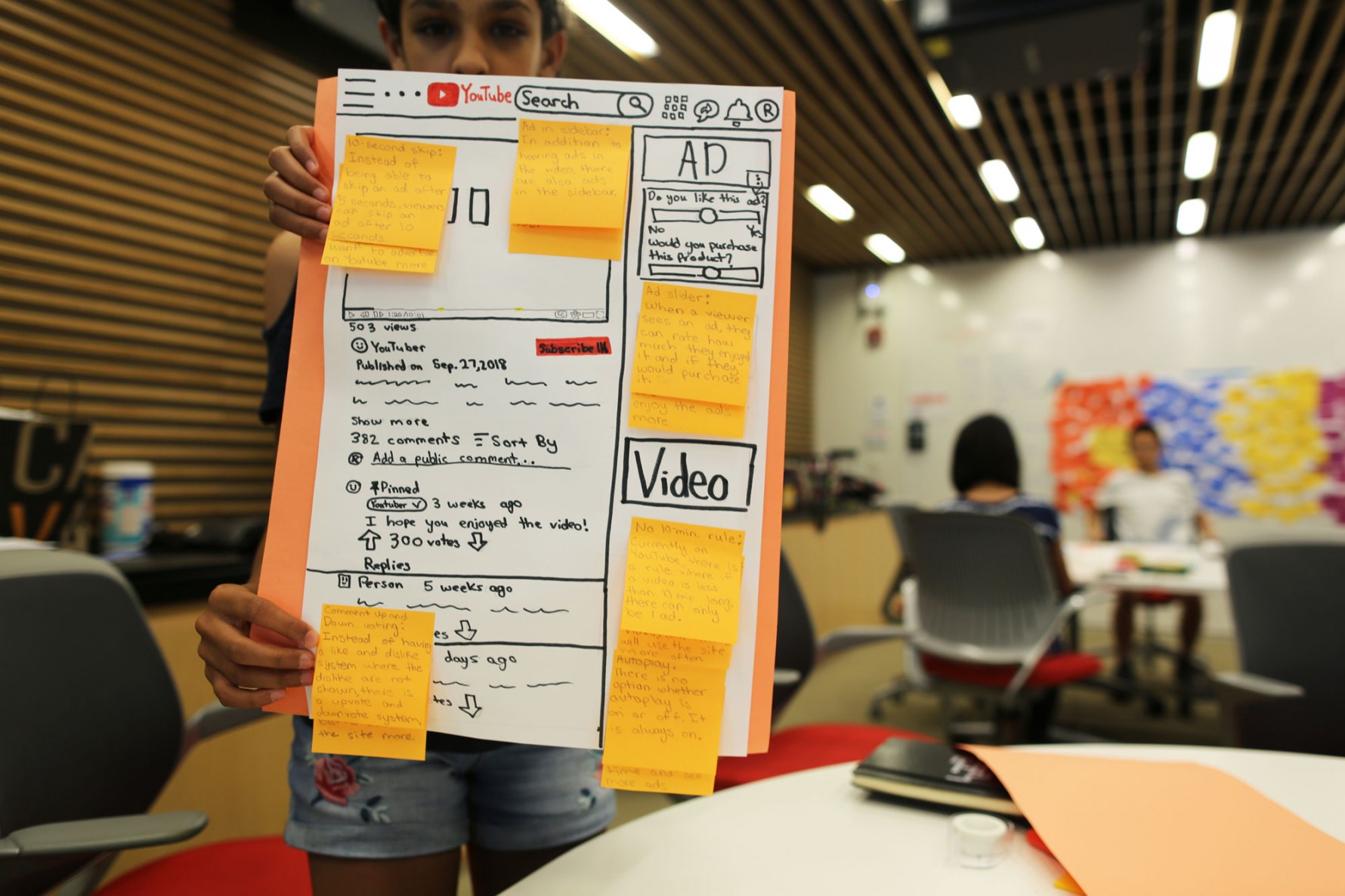 The student was one of 28 middle schoolers, ages 9 to 14, who participated in a pilot program this summer designed to teach them about AI. The curriculum, developed by Blakeley Payne, a graduate research assistant at the MIT Media Lab, is part of a broader initiative to make these concepts an integral part of middle school classrooms. She has since open-sourced the curriculum, which includes several interactive activities that help students discover how algorithms are developed and how those processes go on to affect people’s lives.
“It’s essential for them to understand how these technologies work so they can best navigate and consume them,” Payne says.
“Ten to 12 years old is the average age when a child receives his or her first cell phone, or his or her first social-media account,” Payne says. “We want to have them really understand that technology has opinions and has goals that might not necessarily align with their own before they become even bigger consumers of technology.”
Algorithms as opinion
Payne’s curriculum includes a series of activities that prompt students to think about the subjectivity of algorithms. They begin by learning about algorithms as recipes, with inputs, a set of instructions, and outputs. The kids are then asked to “build,” or write down instructions, for an algorithm that outputs the best peanut butter and jelly sandwich.
Very quickly, the kids in the summer pilot started to grasp the underlying lesson. “A student pulled me aside and asked, ‘Is this supposed to be opinion or fact?’” she says. Through their own discovery process, the students realized how they had unintentionally built their own preferences into their algorithms.
How 5G will reinvent “working from home”
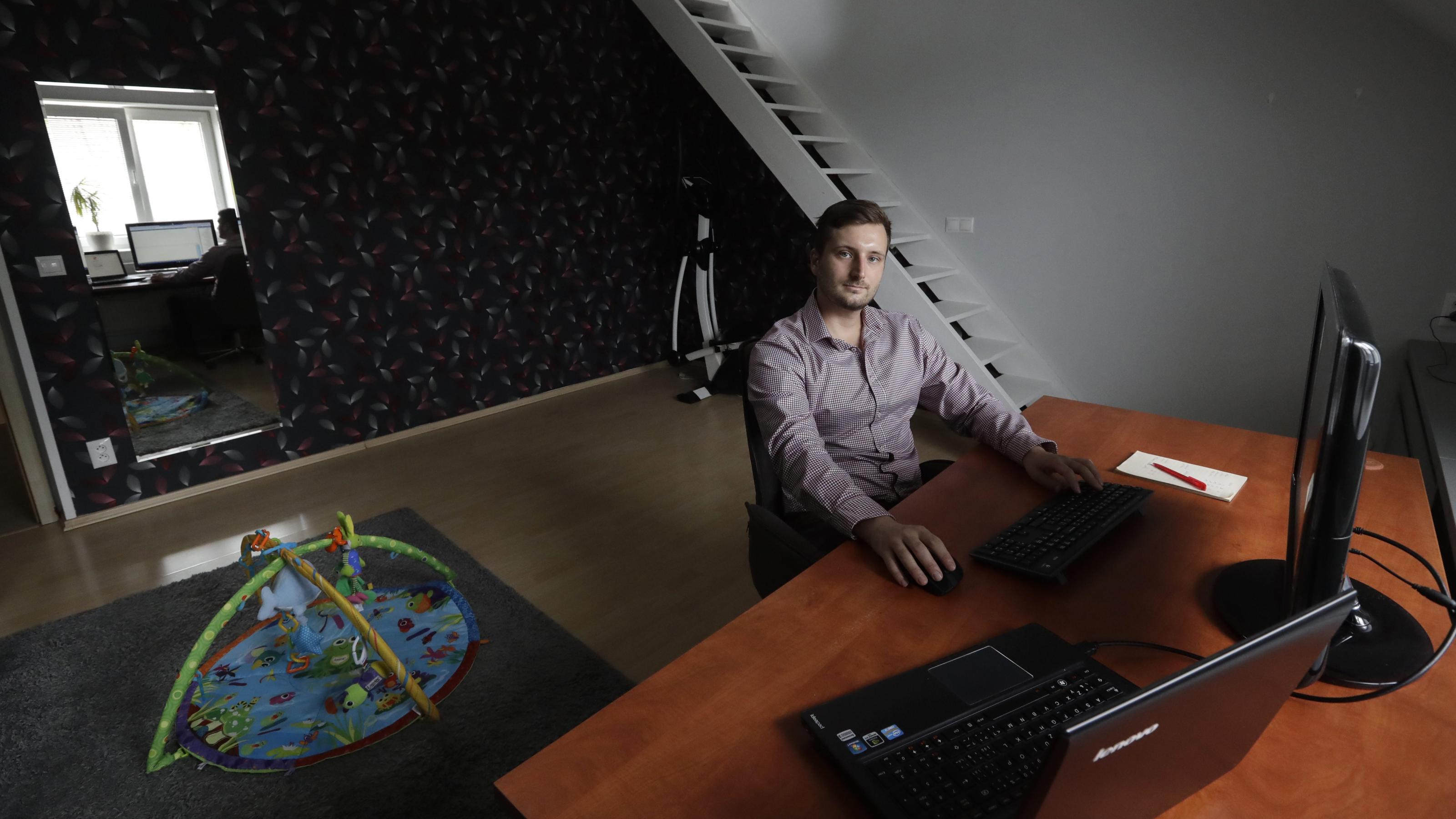 From Accenture Research
1. The notion of the workplace will become increasingly fuzzy
2. Specialists—and even executives—may work for multiple employers
3. Working virtually could be as good as or better than being there
4. Companies that train their people to use—and be augmented by—technology will perform better
5. Companies will have to figure out how to maintain virtual cultures
6. Companies that figure out how to create the best value propositions for workers will win
7. Burnout and abusive work environments could multiply
See the full story here: https://qz.com/work/1707685/how-5g-will-transform-our-ability-to-work-from-home/
scribit + ariana grande’s tattoo artist celebrate women’s empowerment in wall tattoo
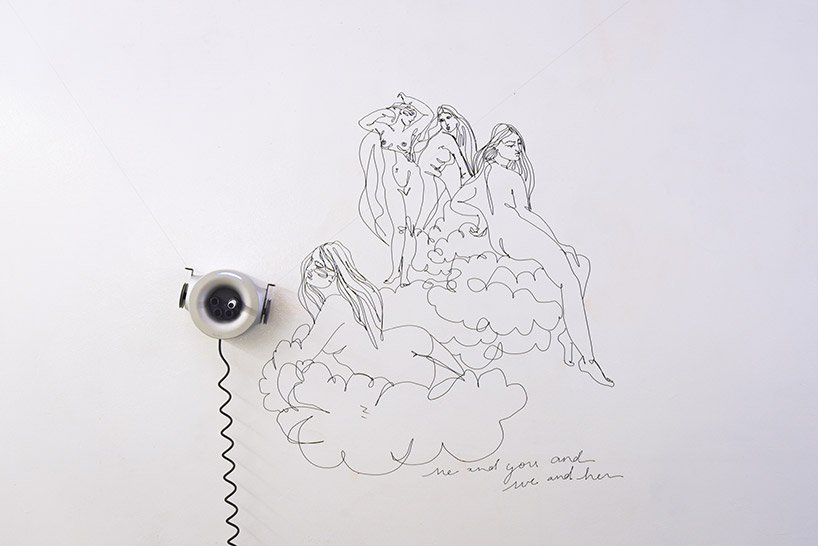 back in 2018, carlo ratti associati unveiled scribit — an intelligent writing robot that can draw and erase images on any vertical surface, from whiteboards to glass or plaster. since then, scribit has joined forces with artist olafur eliasson in an attempt to create the ‘world’s largest mosaic’. continuing with its collaborations with world renowned artists, the write&erase robot is now teaming up with ariana grande’s tattoo artist, mira mariah, to create a wall tattoo that celebrates women’s empowerment.
See the full story here: https://www.designboom.com/design/scribit-wall-tattoo-mira-mariah-09-16-2019/
Ben Ditto creates “dystopian” campaign to launch People by The 1975
 Surveillance culture and climate change are the focus of the campaign for band The 1975's latest release, which features augmented reality, neural networks and glitchy graphics.
Creative director Ben Ditto worked with a group of designers and coders to create the campaign, which aims to investigate "environmental collapse, surveillance culture and the contemporary nihilism that is present on social media".
Designed across several different digital platforms, the campaign comprises a music video, a website and Instagram augmented reality filters that fans can use themselves.
Initially released alongside a climate essay by 16-year-old Swedish activist Greta Thunberg, all the branding for the single is united by a neon-yellow band. This was adapted from the graphic identity created by Samuel Burgess-Johnson for the band's forthcoming album Notes On A Conditional Form.
See the full story here: https://www.dezeen.com/2019/09/16/ar-the-1975-people-ben-ditto/
This immersive exhibit about the intersection of tech and art is hidden underneath Chelsea Market in New York City — check out some of the wild-looking work on display
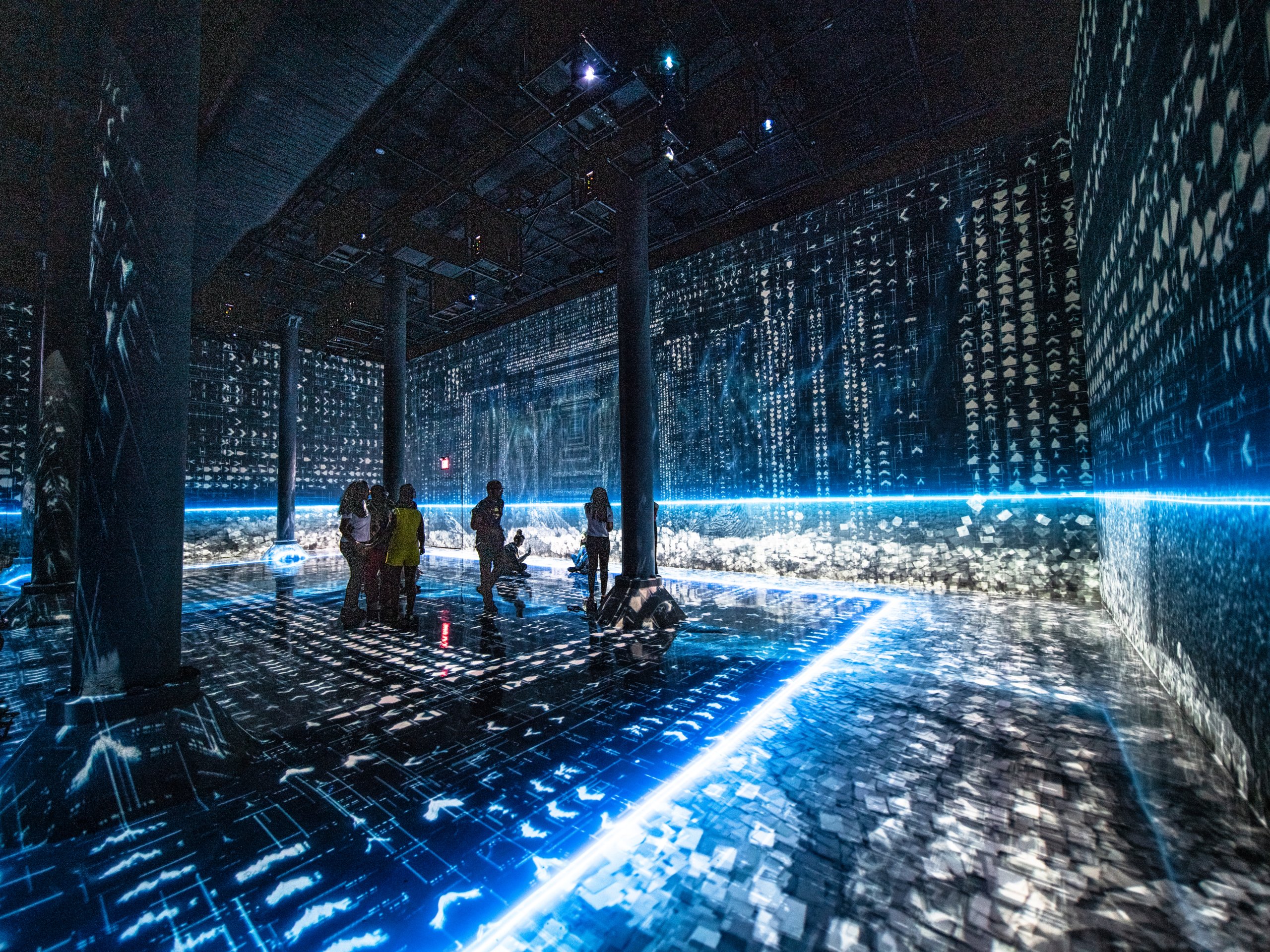 Artechouse, a new exhibition space for projects at the intersection of art and tech, opened to the public in an underground boiler room at Chelsea Market in New York City on Monday.
Its inaugural exhibit, "Machine Hallucination," is by Turkish media artist Refik Anadol, who was an artist in residence at Google through its Artists + Machine Intelligence program. "Machine Hallucination" transports viewers into the mind of a machine by placing them in a vast room covered in projections created by Anadol with the help of AI.