Samsung wins Patent for Augmented Reality Contact Lenses
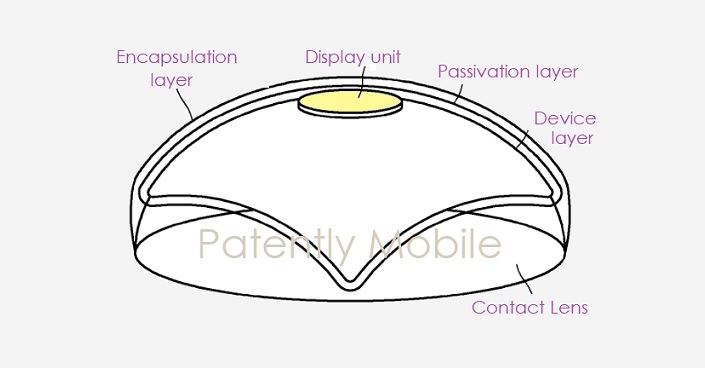 The U.S. Patent and Trademark Office published a granted patent for Samsung earlier this month for Augmented Reality contact lenses.
Samsung invented specialized contact lenses with a hidden camera built--in. The main selling point of Samsung's contact lenses is that they're primarily designed for realizing augmented reality. Samsung notes that an external device like a smartphone may include a program interacting with the smart contact lens.
See the full story here: https://www.patentlyapple.com/patently-apple/2019/07/samsung-wins-patent-for-augmented-reality-contact-lenses.html
Apple offers new augmented reality art sessions
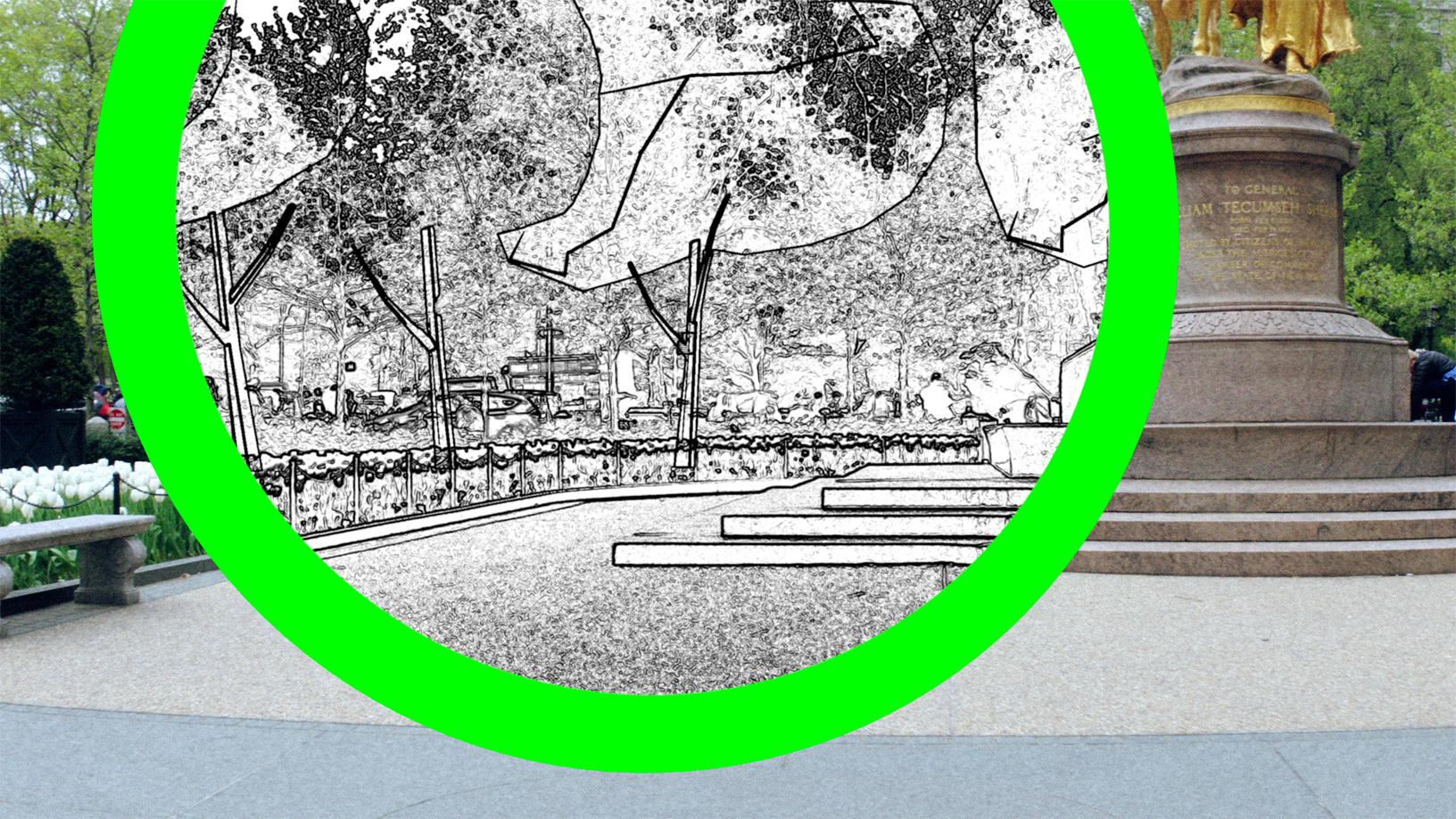
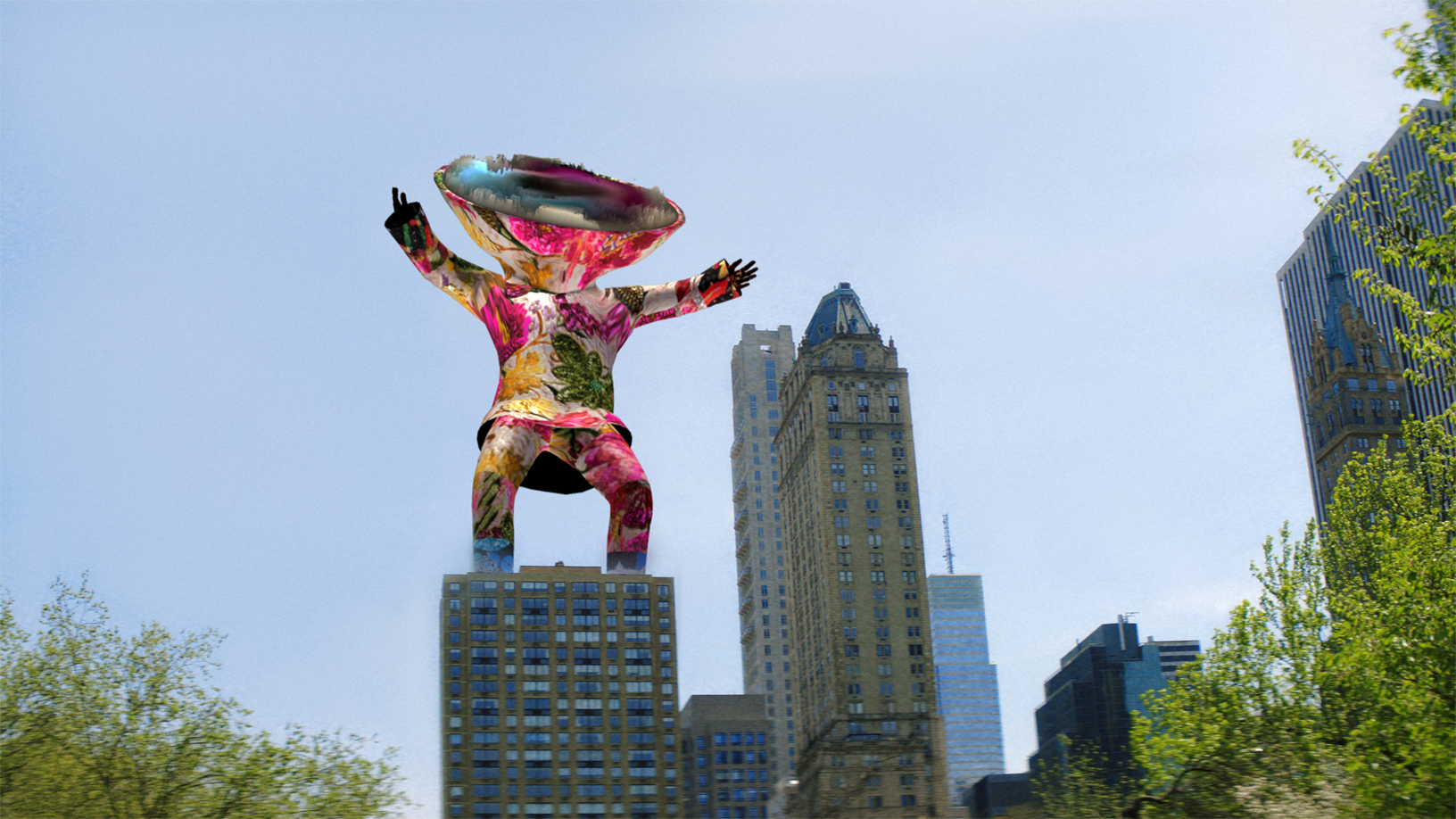 Apple today opened registration for a series of new art-based Today at Apple augmented reality (AR) experiences, called [AR]T, offered at Apple Stores around the world. The three new sessions include an interactive walk featuring works by some of the world’s premier contemporary artists, an in-store session that teaches the basics of creating AR using Swift Playgrounds and an AR art installation viewable in every Apple Store worldwide.
The Encryption Debate Is Over – Dead At The Hands Of Facebook
 In Facebook’s vision, the actual end-to-end encryption client itself such as WhatsApp will include embedded content moderation and blacklist filtering algorithms. These algorithms will be continually updated from a central cloud service, but will run locally on the user’s device, scanning each cleartext message before it is sent and each encrypted message after it is decrypted.
The company even noted that when it detects violations it will need to quietly stream a copy of the formerly encrypted content back to its central servers to analyze further, even if the user objects, acting as true wiretapping service.
Facebook’s model entirely bypasses the encryption debate by globalizing the current practice of compromising devices by building those encryption bypasses directly into the communications clients themselves and deploying what amounts to machine-based wiretaps to billions of users at once.
The problem is that if Facebook’s model succeeds, it will only be a matter of time before device manufacturers and mobile operating system developers embed similar tools directly into devices themselves, making them impossible to escape. Embedding content scanning tools directly into phones would make it possible to scan all apps, including ones like Signal, effectively ending the era of encrypted communications.
Governments would soon use lawful court orders to require companies to build in custom filters of content they are concerned about and automatically notify them of violations, including sending a copy of the offending content.
Putting this all together, the sad reality of the encryption debate is that after 30 years it is finally over: dead at the hands of Facebook. If the company’s new on-device content moderation succeeds it will usher in the end of consumer end-to-end encryption and create a framework for governments to outsource their mass surveillance directly to social media companies, completely bypassing encryption.
See the full story here: https://www.forbes.com/sites/kalevleetaru/2019/07/26/the-encryption-debate-is-over-dead-at-the-hands-of-facebook/#732554825362
New Disney tech to add augmented reality to sports events, more
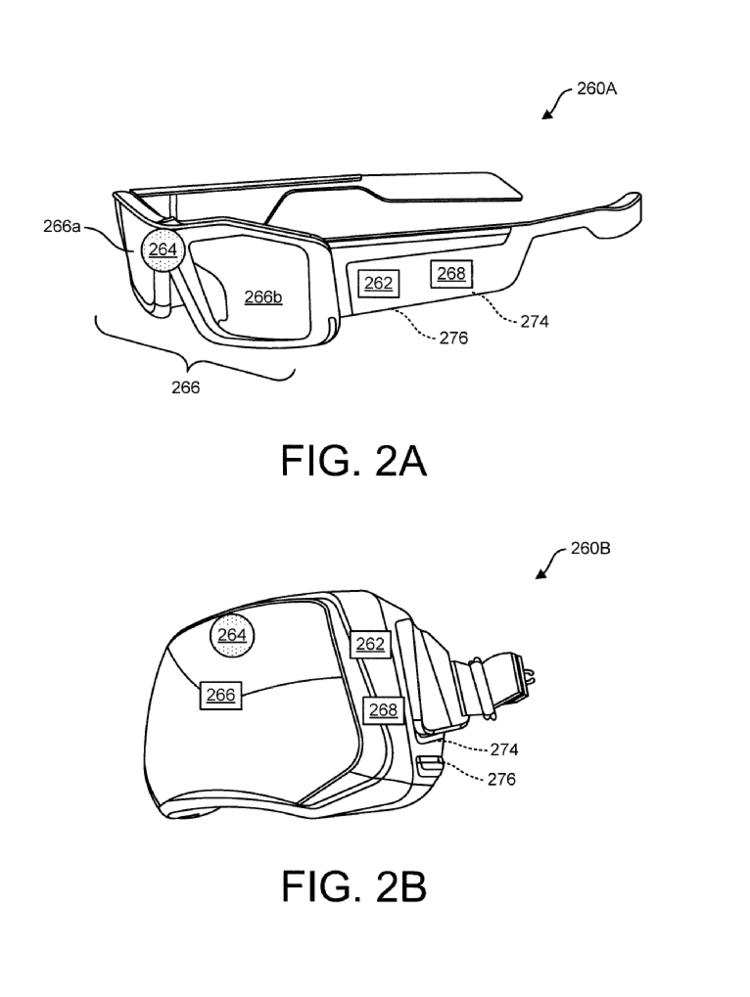 Consider a new patent the company published on July 23 dubbed "event enhancement using augmented reality effect." The technology would look at how event attendees can be provided more insider knowledge of a sports game at at Walt Disney World's ESPN Wide World of Sports, for instance, thanks to the use of an augmented-reality device, like glasses.
For example, those special glasses could provide attendees at the game with a look at the same things viewers watching a game on TV can see, like a superimposed virtual line in football indicating how far players have to go for a first down, or the placement of the strike box in baseball.
Or, the special glasses could provide other details during a live performance in a theme park, such as thought bubbles or song lyrics next to performers.
See the full story here: https://www.bizjournals.com/orlando/news/2019/07/26/new-disney-tech-to-add-augmented-reality-to-sports.html
‘The Lion King’s’ VR helped make a hit. It could also change movie making
 The process for making “The Lion King” was a first for Hollywood. Like other computer-animated films, the studio started with a relatively crudely animated version of the movie, known as a pre-vizualization. Then the camera crew, wearing VR goggles, filmed the action much in the way they would shoot in the real world. The editors could then select from multiple shots to construct each scene. Later, MPC and Favreau brought the characters to life with detailed hair, skin and facial movements.
For a chase scene inside a tunnel, the filmmakers grappled with how to make it look like they were actually filming inside a one-foot diameter space. They miniaturized themselves “Honey, I Shrunk the Kids"-style in the virtual reality set and filmed with handheld cameras to get the shaky-cam look of the action sequence.
But now that the concept has proven successful, virtual reality and video game technology has potential to help on live-action sets, the filmmakers said.
L’Oréal brings augmented reality, artificial intelligence experiences to Shopee
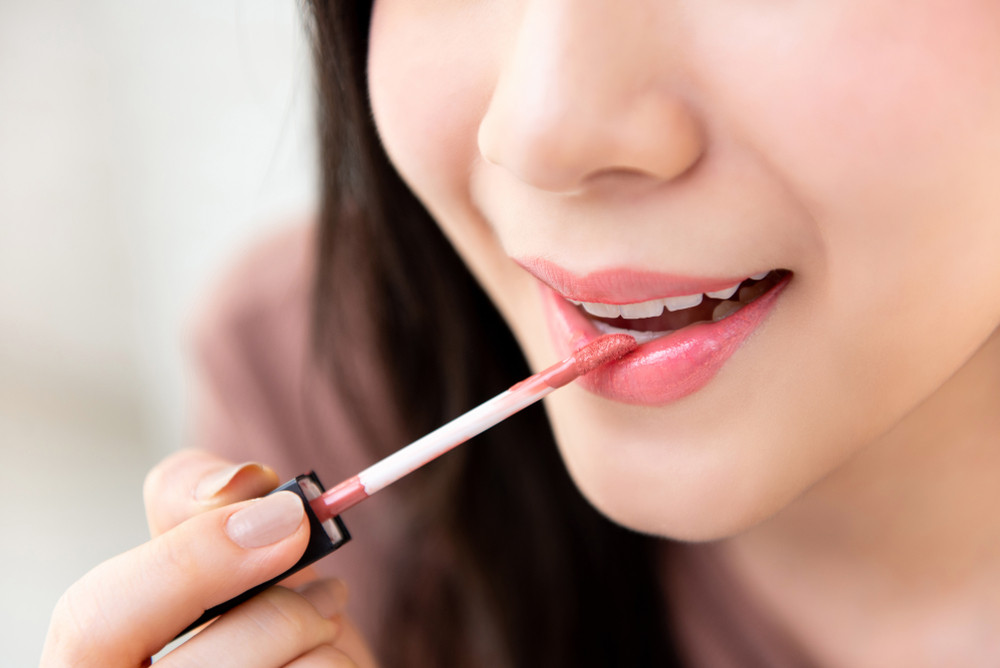 Available in the latest version of the Shopee application, the feature is powered by augmented reality (AR) and artificial intelligence (AI) technologies, allowing users to virtually try different shades of beauty products on their skin before buying them.
The company said in a statement that Shopee BeautyCam was launched following the acquisition of ModiFace, a company that creates augmented reality tech for beauty brands.
See the full story here: https://www.thejakartapost.com/life/2019/07/27/loral-brings-augmented-reality-artificial-intelligence-experiences-to-shopee.html
The Science of Spatial Learning Inside Virtual Reality
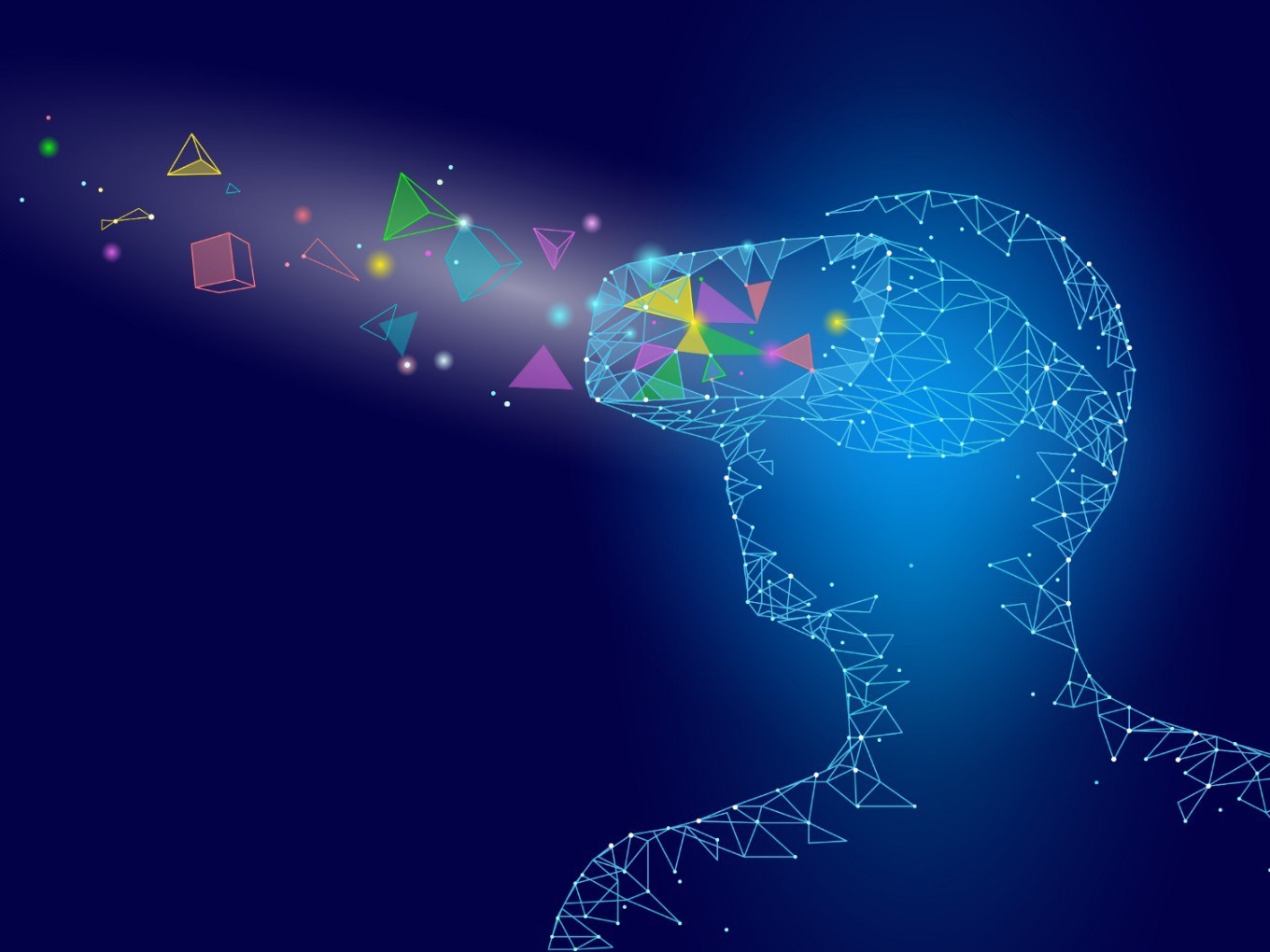 PhilNote: this is an excellent overview of the science behind spatial understanding.
There is a strong underlying truth which continuously fuels the growth of virtual reality technology. It is not the technical supremacy or first of its kind aspects. But the astonishing biological factors which directly influences the human brain in a much deeper way.
“After two weeks, the human brain remembers 10% of what it read, 20% of what it hears and 90% of what it does.” – American educator Edgar Dale – 1946
Carefully crafted Virtual environments are very effective as they follow the same rules of the real world; 3D Objects in motion should obey the law of physics; Realistic shading, texturing and lighting to help us figure out volume, depth and distance of the virtual space; 360-Spatial audio, haptics and aroma also add value for realism.
Embodiment & Sense of Presence In VR Space
Embodiment in virtual reality is the key to induce the level of empathy and understanding. While designing first- and second-person VR experiences it is strongly recommended to use cognitive embodiment in a sensible way to increases the sense of presence and realism. This can be achieved by way of using virtually represented 3D avatars to inhabit ourselves (inside the virtual avatar) and virtual body parts for interactions.
Navigating In Space: The Real World
The Nobel Prize for Physiology in 2014 was awarded to Prof. John O’Keefe, May-Britt Moser and Edvard I. Moser for their interesting findings on how we remember and navigate in different places.
Our brain encodes the sense of space and navigation abilities using two types of nerve cells. When we enter into an environment for the first time, Place-cells inside the Hippocampus area of the brain are activated and a spatial map is created marking the locations.
At the same time, Grid-Cells in the “Entorhinal Cortex” part of the brain measures and records the distances between locations which provides a metric to the spatial maps in hippocampus. There are also “Head direction cells” which acts like a campus and “Border Cells” which stores the information on where the boundaries such as walls are. These complex networks within hippocampus constitute a comprehensive positioning system and act as the inner GPS for the brain.
Navigating In Space: The Virtual World
The interesting finding is that the brain-cells of hippocampus fires and encodes spatial memory equally both in real and virtual environments.
Another interesting finding was that in this study, the hippocampus was involved in episodic memories linking both time and space of VR experiences.
See the full story here: https://inc42.com/resources/the-science-of-spatial-learning-inside-virtual-reality/
The Knight Foundation launches $750,000 initiative for immersive technology for the arts
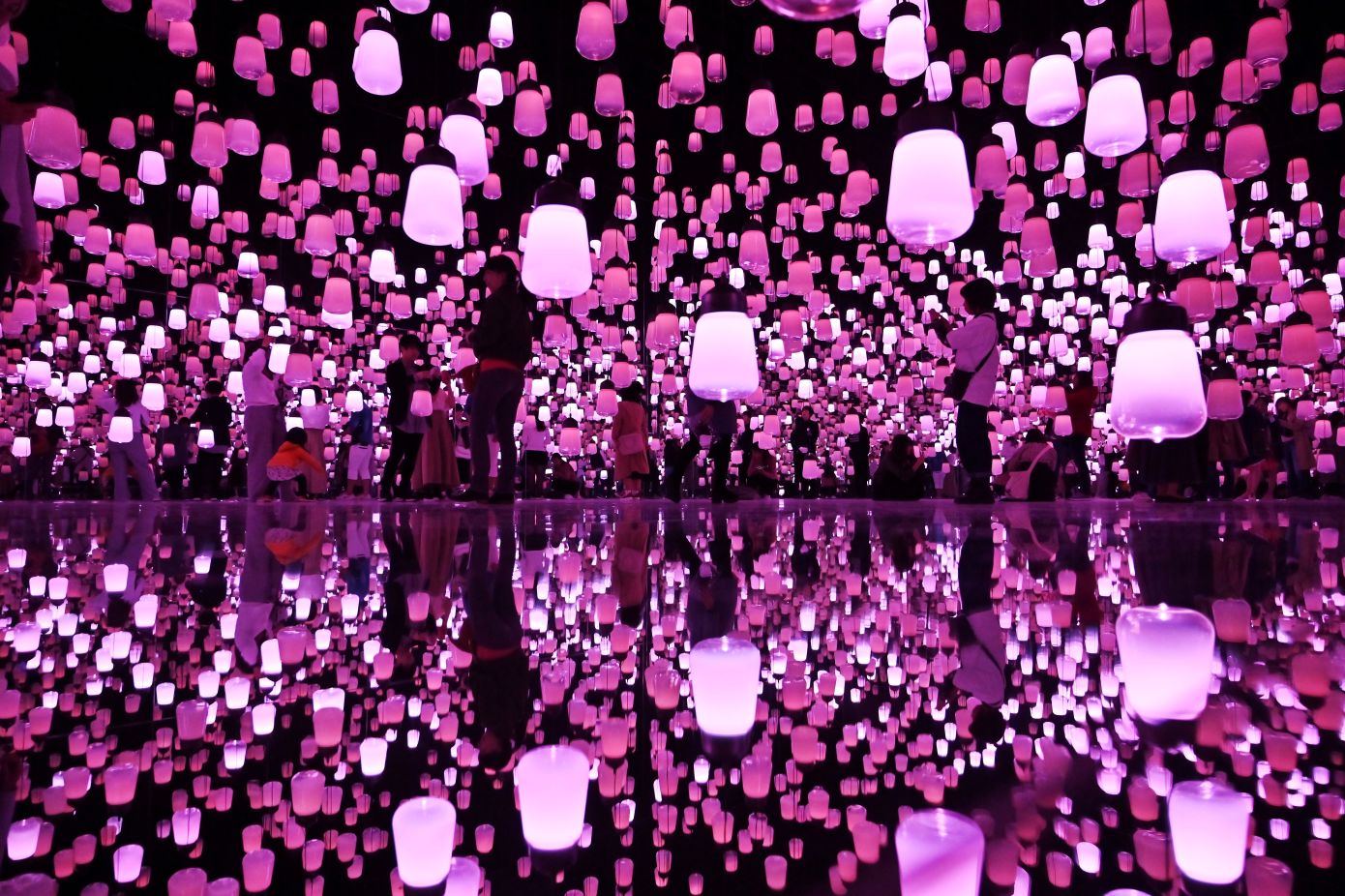
TOPSHOT - This picture taken on April 28, 2019 shows people enjoying their visit at the team lab borderless museum of Tokyo. - Collective teamLab, known internationally for their innovative "digital art" that combines projections, sound and carefully designed spaces to create immersive experiences. (Photo by Charly TRIBALLEAU / AFP) (Photo credit should read CHARLY TRIBALLEAU/AFP/Getty Images)
The John S. and James L. Knight Foundation is looking for pitches on how to enhance and augment traditional creative arts through immersive technologies.
Through a partnership with Microsoft the foundation is offering a share of a $750,00 pool of cash and the option of technical support from Microsoft, including mentoring in mixed-reality technologies and access to the company’s suite of mixed reality technologies.
Specifically, the foundation is looking for projects that will help engage new audiences; build new service models; expand access beyond the walls of arts institutions; and provide means to distribute immersive experiences to multiple locations, the foundation said in a statement.
Here are the winners from the first $600,000 pool: ...
See the full story here: https://techcrunch.com/2019/07/27/the-knight-foundation-launches-750000-initiative-for-immersive-technology-for-the-arts/
Lenovo’s Mirage VR camera
 The camera has been designed to make stereoscopic capture easy. It has also been designed to make the sharing of said content easy as well, where users will be able to opt to have it automatically uploaded to their Google Photos or YouTube account.
See the full story here: https://phandroid.com/2019/07/28/lenovos-virtual-reality-mirage-camera-is-enjoying-incredible-savings-of-200/
LostPyramid purs a virtual reality spin on escape rooms
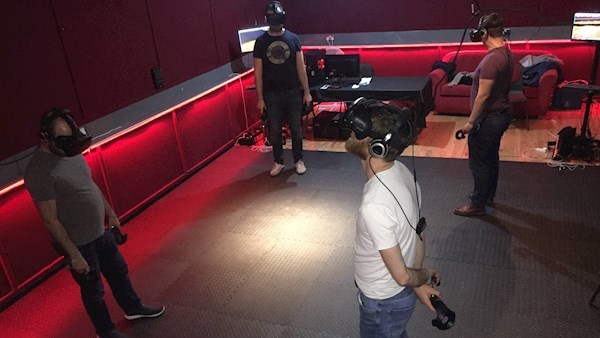 The Lost Pyramid is an ‘escape room’, an experience in which a team of players must work together to escape an area by solving puzzles and reaching a pre-determined goal. For example, the team might find themselves locked in a prison cell and can only ‘escape’ by using clues to unlock codes and by thinking outside the box in order to open the prison door.
The Lost Pyramid is an escape room with a twist — it all takes place in virtual reality. This means the creators aren’t limited by the confines of a real physical space and can let their imaginations fly. In other words, if aliens really had built the pyramids, the result would be something like Ubisoft’s vision of giant revolving platforms, lasers and death-defying drops.
See the full story here: https://www.irishexaminer.com/breakingnews/lifestyle/features/lostpyramid-purs-a-virtual-reality-spin-on-escape-rooms-939924.html