The Best 360 Cameras You Can Get For Under $200
After all, the world isn’t flat – why should your videos be?
1. Samsung Gear 360
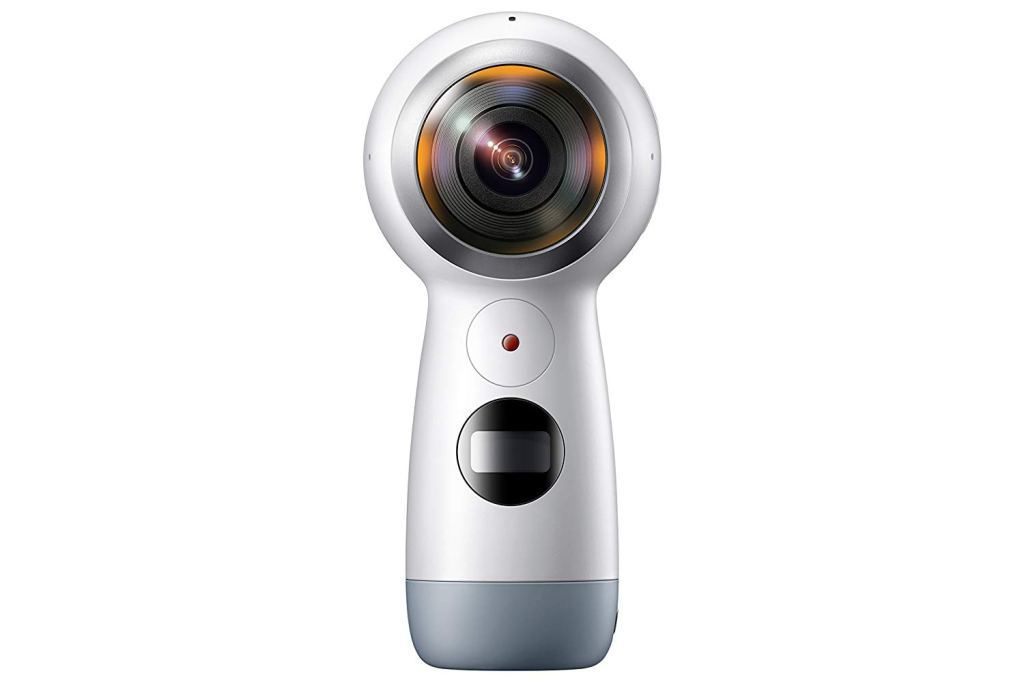
2. Ricoh Theta SC 360° Video and Still Camera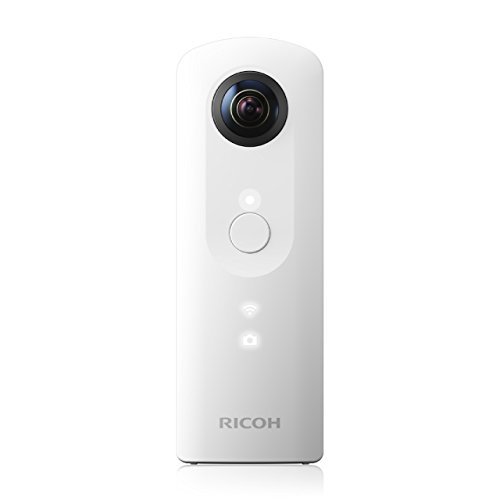
3. YI 360 VR Camera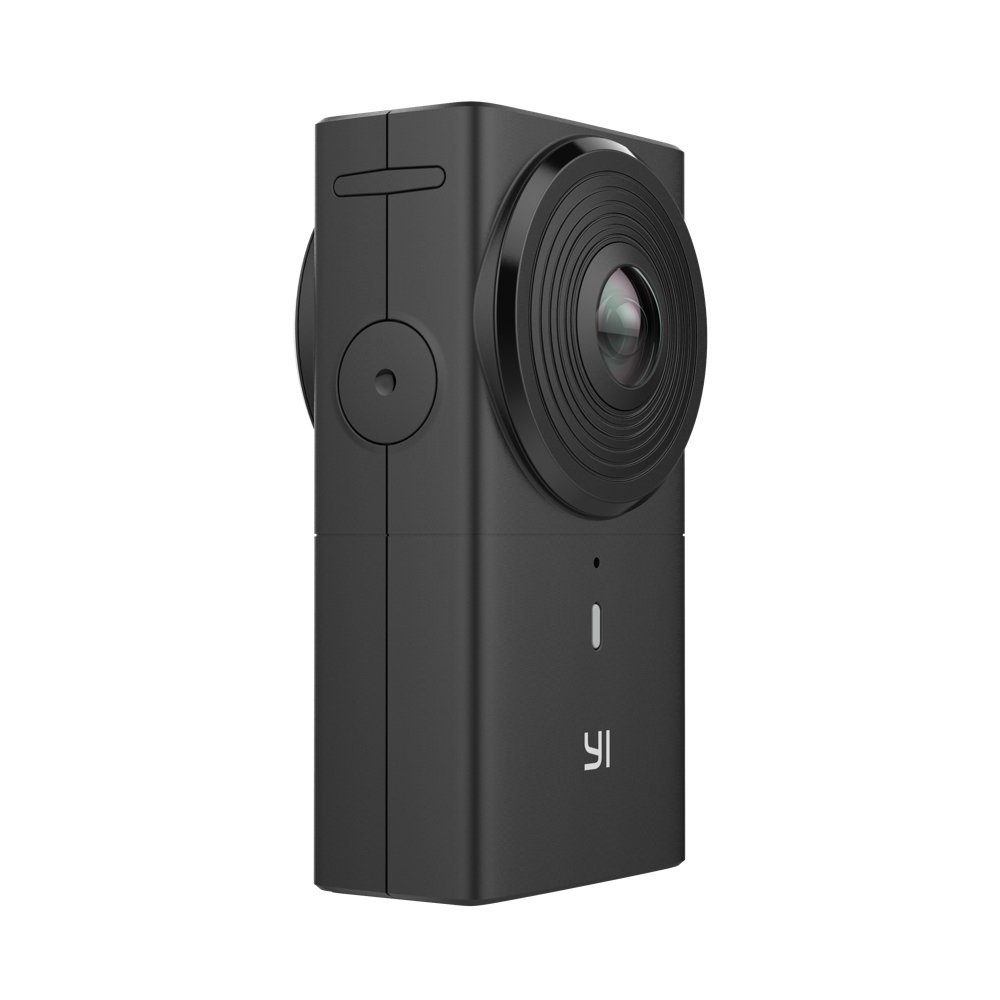
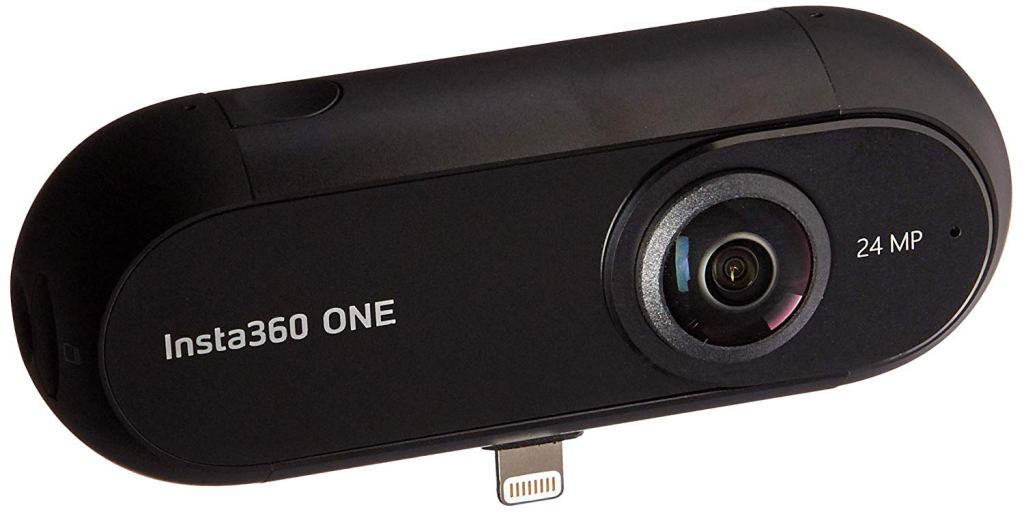
4. Insta360 ONE 360 Video Action Camera
 See the full story here: https://www.rollingstone.com/culture/culture-news/best-360-cameras-affordable-825036/
AI IS SMART. CAN WE MAKE IT KIND?
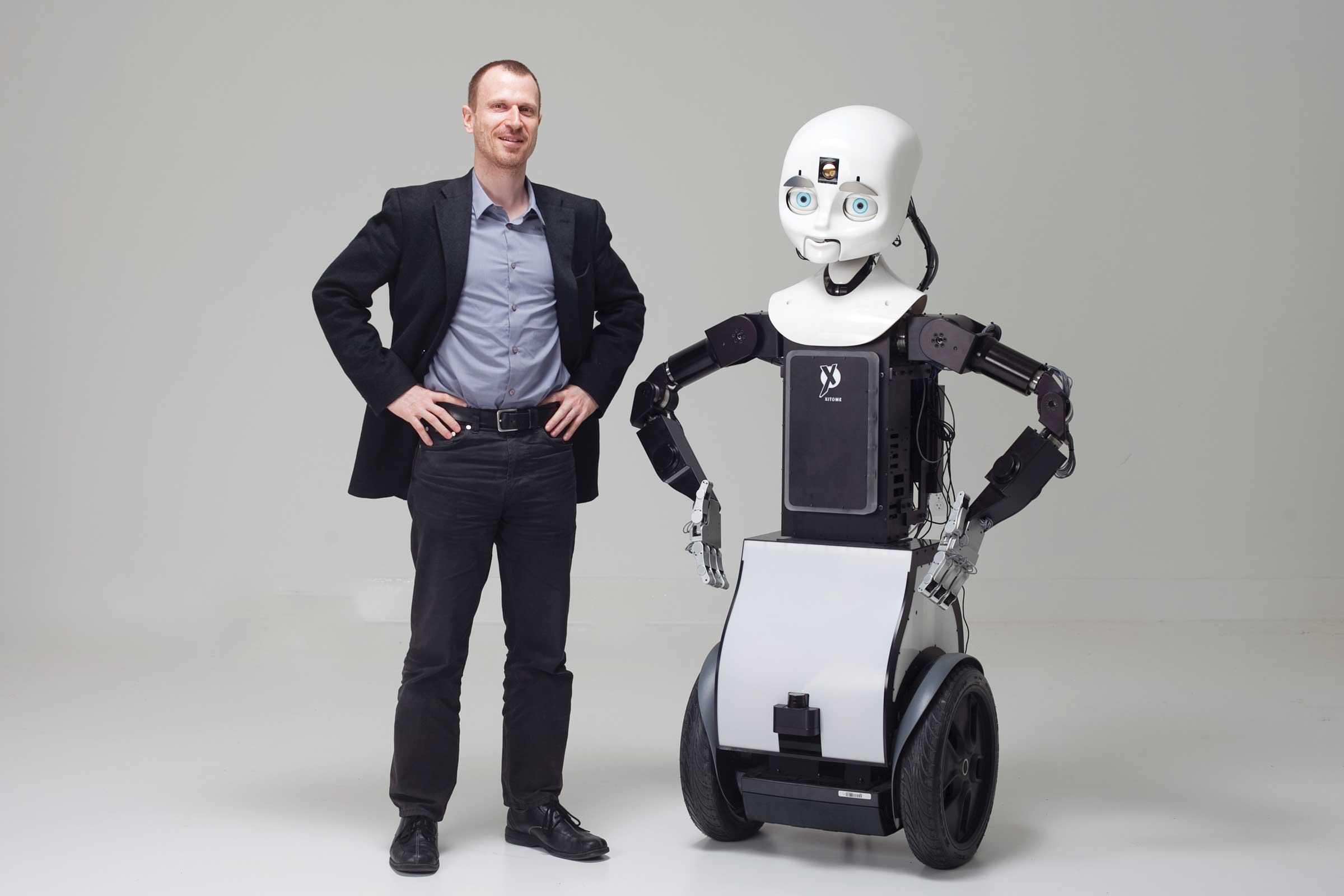 “Even though AIs can do amazing feats, they do what they’ve been trained to do, and they don’t understand what it is that they’re doing.”
This disregard for humans is taken to an extreme in a famous thought experiment dreamt up by Nick Bostrom, the University of Oxford philosopher. The “paperclip maximizer” scenario starts innocently enough, with a hyperintelligent AI assigned to teach itself to maximize a factory’s production of paperclips. But things turn dark when the AI goes on to pursue its assigned task with such single-minded devotion that its factory robots end up converting humanity, the world, “and then increasingly large chunks of the observable universe into paperclips.” That future machine didn’t mean to eradicate humanity, but that wouldn’t matter much to us.
Scheutz and his group are focused more on problems that could arise in the foreseeable future, when we’ll be living and working with robots that may not be able to recognize the consequences of their actions.
For more than fifteen years now, the HRI lab has been working on a solution that sounds like something out of science fiction but is becoming more real every day: Equip AI and AI robots with a core of ethics and awareness about the world. Program machines with a sense of empathy, and right and wrong and socially appropriate, so they can reason their way through a sticky situation. In short, the lab is trying to teach robots to be more like humans. And accomplishing that, it turns out, is just as difficult as it sounds.
DIARC uses some machine learning, too, but what makes it different is that it was designed from the start to fundamentally interact with—and account for—humans. Everything the lab does includes a dissection of the consequences that could follow when robots and humans interact.
More likely, they’d wind up hurting us because they’re not designed to understand the consequences of their actions.
Harms don’t have to be physical, either—they could be psychological. Scheutz often points to the emotional risks posed by a future elder-care robot. If it’s unequipped to show compassion or make small talk when its lonely charge tries to connect—as humans invariably do—hurt feelings could result.
. The two robots didn’t need to issue verbal commands, because they’re operating with a hive mind: one DIARC, two bodies. Some people, according to the lab’s research, may find robots silently communicating a little creepy, but Scheutz hasn’t ruled it out as a useful function, given how efficient it could be during complicated and stressful missions spanning many robots working in multiple locations.
Graduate student Daniel Kasenberg, EG18, is in the beginning stages of studying how to represent moral and social norms—the often unspoken rules we live by—in a language machines can understand and learn. This means reducing actions and effects into algorithmic equations and symbols. “What we have right now are small components of this architecture at a very rudimentary level,” Kasenberg cautioned. “But the ultimate goal is to develop a system that can represent these moral and social norms, and evaluate potential courses of action based on [them].”
Despite cuts, White House looks to agencies to advance AI priorities
 Parker said that while overall research and development budgets have been cut, "AI was protected."
On the civilian side, the White House's budget does specifically propose $850 million for AI funding between the Department of Energy, National Institutes of Health, National Institute of Standards and Technology and the National Science Foundation -- all agencies that face overall and R&D cuts.
Parker also pointed out that the administration wants to see agencies reporting their investments in AI because tracking AI projects is "so hard" right now. "We can begin to get a better holistic view of what our agencies are spending in this area."
See the full story here: https://fcw.com/articles/2019/04/18/ai-workforce-gunter.aspx
This Pop-Up Uses AI to Make Perfect KitKat and Sake Pairings
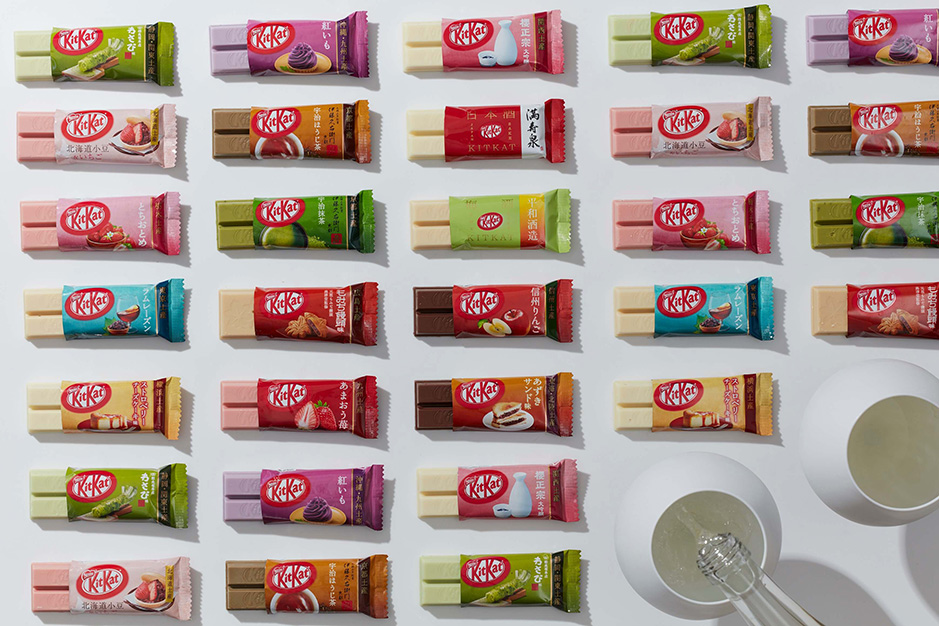 When you try to think of two great tastes that taste great together, what comes to mind? Peanut butter and chocolate? How about a KitKat bar and a nice glass of sake?
You might not know where to begin, but that’s no big deal. The folks at Nestle Japan have just unveiled a pop-up “bar” that utilizes the power of artificial intelligence to determine the perfect KitKat and Sake pairing for customers.
See the full story here: https://www.geek.com/culture/this-pop-up-uses-ai-to-make-perfect-kitkat-and-sake-pairings-1783666/
A futuristic simulation of a Chinese Mars mission has opened in the Gobi Desert
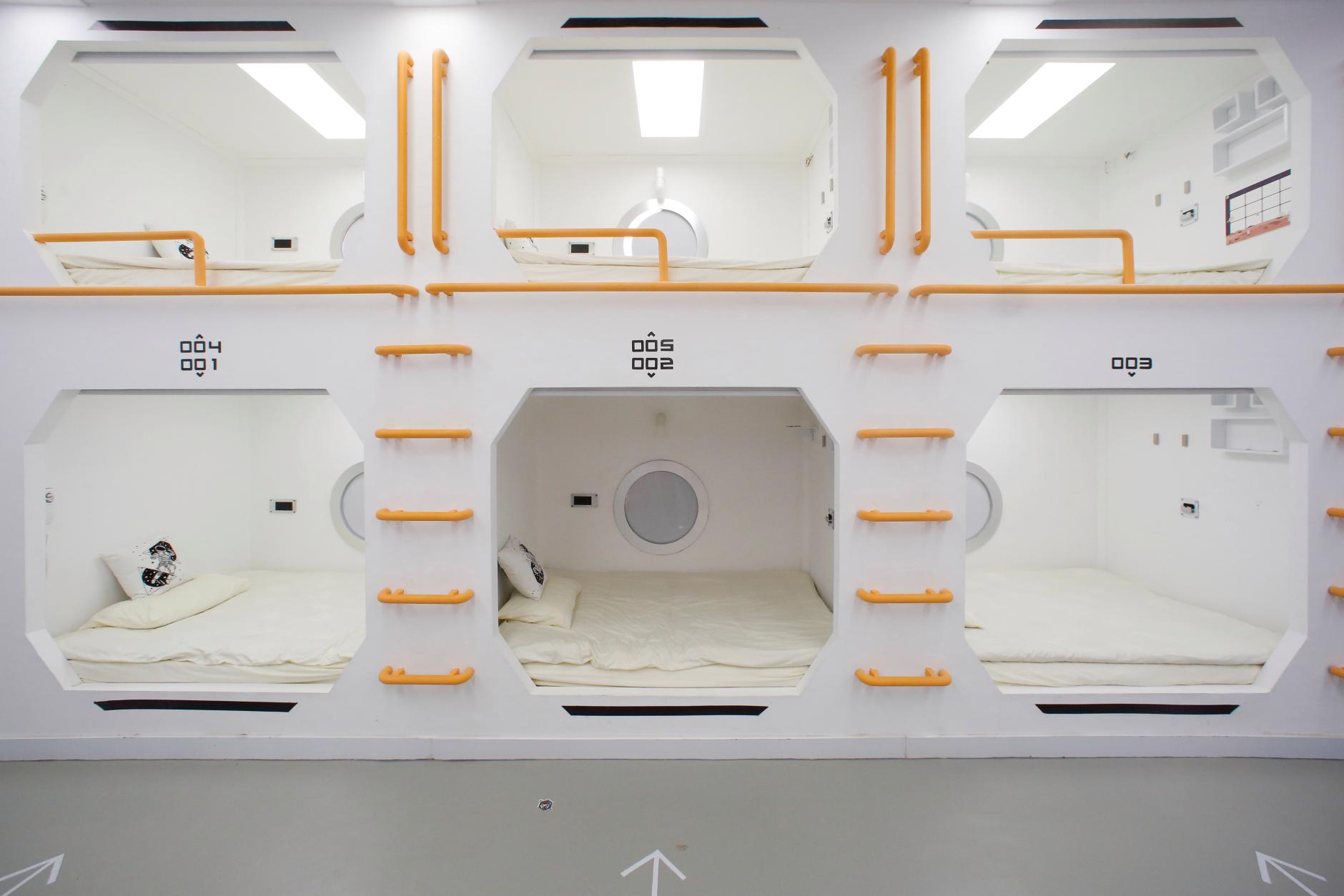
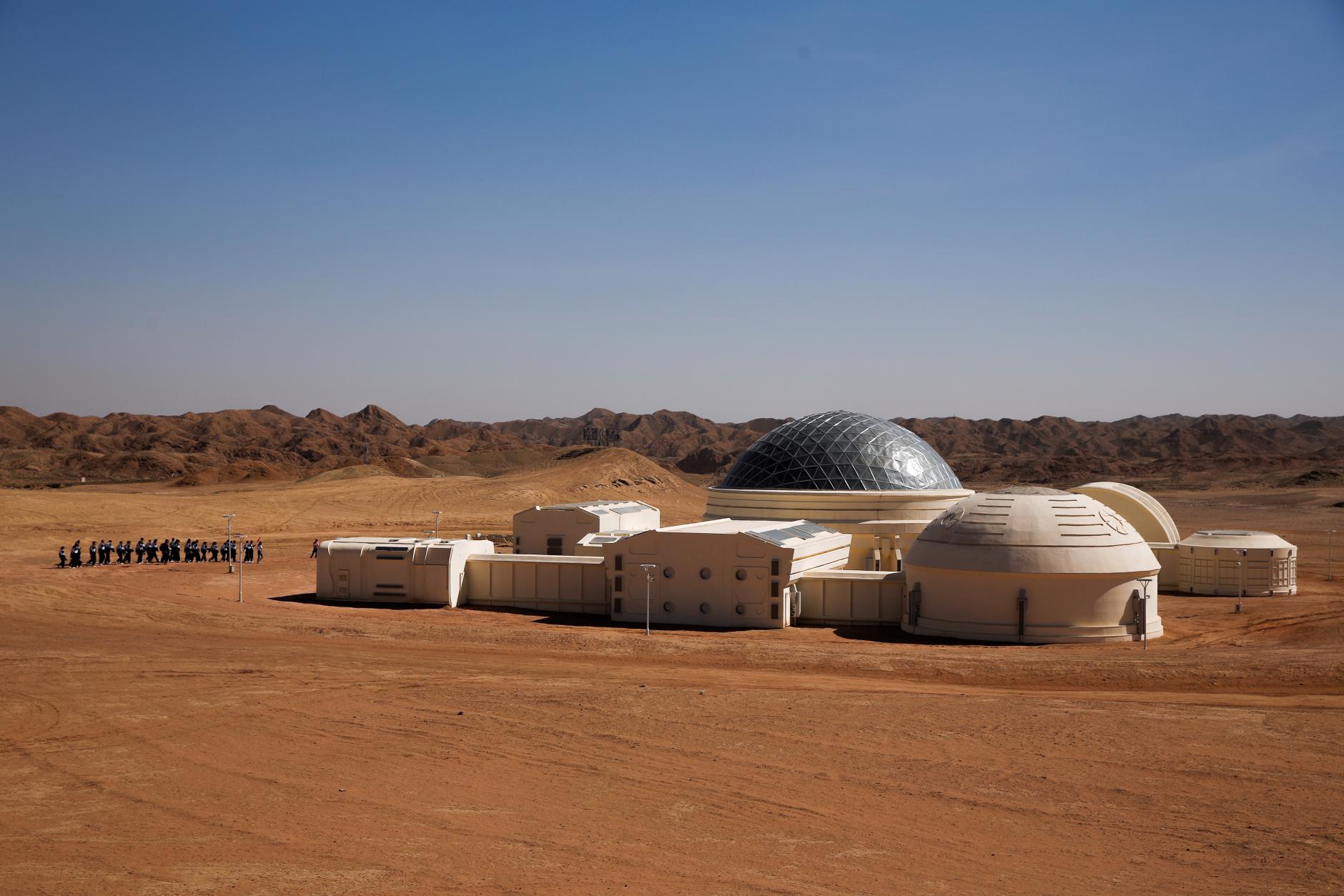 Recently opened in Gansu province, and set among the orange backdrop of the Gobi Desert, C-Space Project Mars simulates a speculative Chinese-led mission to the red planet.
C-Space seems to be more in the realm of speculative science fiction, aimed at the imaginations of school groups and tourists.
Reuters visited the site of the project, which currently occupies a plot about the size of a football field. The developers have lofty goals, to the tune of a multibillion-yuan investment, with the plan of it occupying 26 sq miles (67 sq km), Reuters reports.
See the full story here: https://qz.com/1597863/inside-chinas-mars-simulator-camp-in-the-gobi-desert/?fbclid=IwAR38xdDAXmEyIEoFdCqbwtkL07WdRks_Fe0a5jbs26CeGiW-7TNp9jfvrZk
Augmented reality game designed to attract next generation of techs
Studio apartment living room with a large comfortable sofa standing next to a coffee table. Panoramic windows. 3d rendering mock up
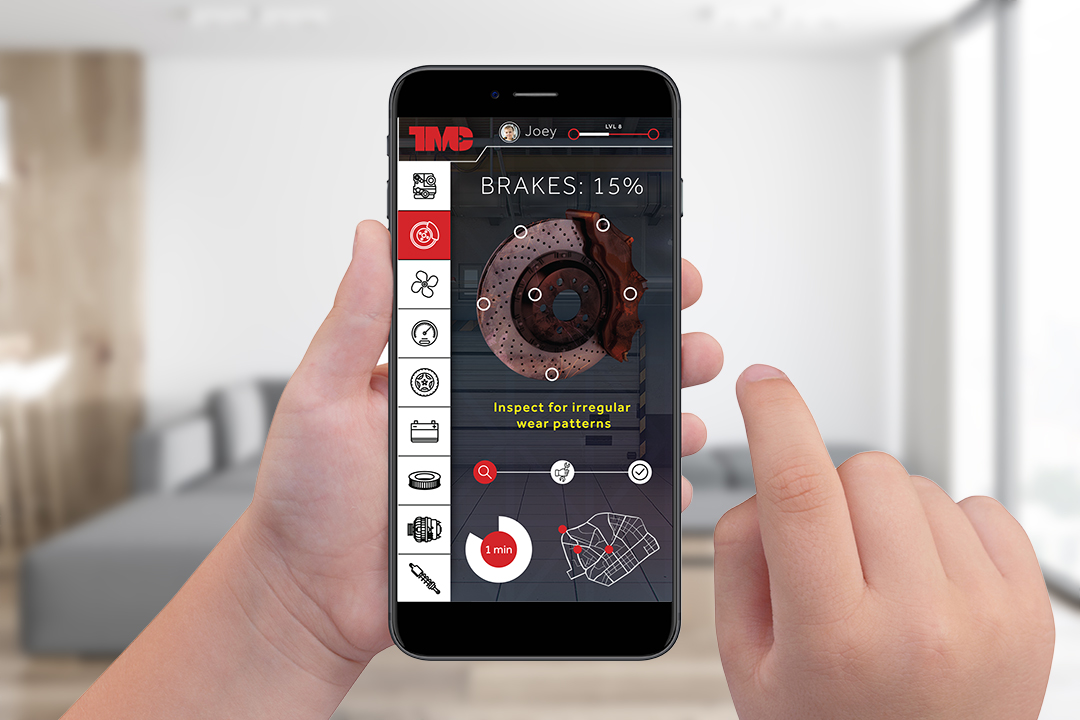
The game is called TMCSuperTech.
“We made the decision to create this game with Design Interactive for two primary reasons,” said Robert Braswell TMC executive director. “To promote awareness of the vocation among middle and high school students who make up the next generation of vehicle maintenance personnel and to help technicians prepare for the TMCSuperTech competition by providing a hands-on training experience for the skills challenges.”
Available on Android and Apple smartphones and tablets, Design Interactive’s gamified TMCSuperTech skills challenge uses AR technology to project a fictional city with a fleet of moving trucks. As the vehicles require service, they are brought into a virtual garage where the game will ask users playing the role of a technician to execute tasks inspired by TMCSuperTech events. Points are awarded for the time trucks are repaired and for the longer they remain in service.
TMC is seeking sponsors to help support the adoption of its next-generation-workforce-focused product —TMCSuperTech: The Game. There are four levels of sponsorships available. TMCSuperTech is an annual two-day event organized by TMC’s Professional Technician Development Committee. The premier skills competition for professional commercial vehicle technicians from all segments of the trucking industry will be held September 15-19, 2019, at the Raleigh Convention Center in conjunction with TMC’s Fall Meeting.
See the full story here: https://www.thetrucker.com/augmented-reality-game-designed-to-attract-next-generation-of-techs/