IU East opens new virtual reality lab
Indiana University East has a new virtual reality laboratory. The Virtual Reality (VR) Lab is located in Hayes Hall Room 024.
Todd Duke, executive director of Information Technology at IU East, said the VR Lab is now open and ready for use.
Duke said the VR Lab made possible through a strong partnership with the IU Advanced Visualization Lab (AVL). The group previously assisted the campus with an IQ-Wall, he said. The IQ-Wall, located in the First Bank Richmond Tech Zone in Whitewater Hall, was the first one of its kind installed at an IU regional campus in November 2017.
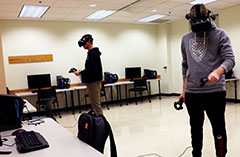
The VR Lab includes 10 stations complete with high-speed computers capable of supporting the software and HTC Vive VR headsets, including 3D sound and hand panels.
Duke said the overall completion time to set up the lab took less than a year, including working out the location and obtaining the hardware. “Once we had the logistics worked out the actual setup time was less than 30 days,” Duke said.
The VR Lab is available for use by students, faculty and staff. The lab benefits all academic disciplines.
Tim Scales, senior lecturer in the School of Business and Economics, has been incorporating virtual reality into his curriculum for four years. He started with an Oculus Rift before adding a 3D printer and Carvy wood carving machine. The equipment was provided with grants through AVL at IUPUI.
“Four years ago, before we had the IQ-Wall, it wasn’t unusual to see my office full of students using the VR equipment,” Scales said. “For students, VR gets them excited about technology and how to use it. For high school students considering IU East, it attracts them here because not all college or university campuses yet provide a hands-on experience with virtual reality.”
See the full story here: https://www.iue.edu/mediarelations/iu-east-opens-new-virtual-reality-lab/
How Virtual Reality Will Transform Medicine
 Developed with Department of Defense funding by Albert “Skip” Rizzo and Arno Hartholt, both at the University of Southern California, Bravemind is used to treat PTSD at about 100 U.S. sites. ... Until recently, large-scale studies of VR have been missing in action. This is changing fast with the advent of cheaper, portable systems. Difede, Rizzo and three others just completed a randomized controlled trial with nearly 200 PTSD patients. ...
See the full story here: https://www.scientificamerican.com/article/how-virtual-reality-will-transform-medicine/
VIRTUAL REALITY’S LATEST USE? DIAGNOSING MENTAL ILLNESS
 In September, the UK-based Alzheimer's Society said it would fund a three-year research project using VR to try to detect early signs of Alzheimer's disease. In an initial study, researchers led by Cambridge University's Dr. Dennis Chantested participants’ spatial navigation and memory by having them don a HTC Vive headset, follow an L-shaped path in a virtual environment (initially mapped out by cones), and then trace their footsteps back to their starting point without the help of any markers.
In a paper describing preliminary results,...
Treating PTSD
Researchers at Emory University in Atlanta have used VR to diagnose and treat veterans suffering from post-traumatic stress disorder related to sexual trauma while in the military. Participants were shown two-minute clips of a simulated foreign military base and a typical American city, while researchers monitored their heart rate and “startle” responses. In a paper published last year, the researchers reported significant reductions “in clinician-assessed and self-reported PTSD symptoms.”....
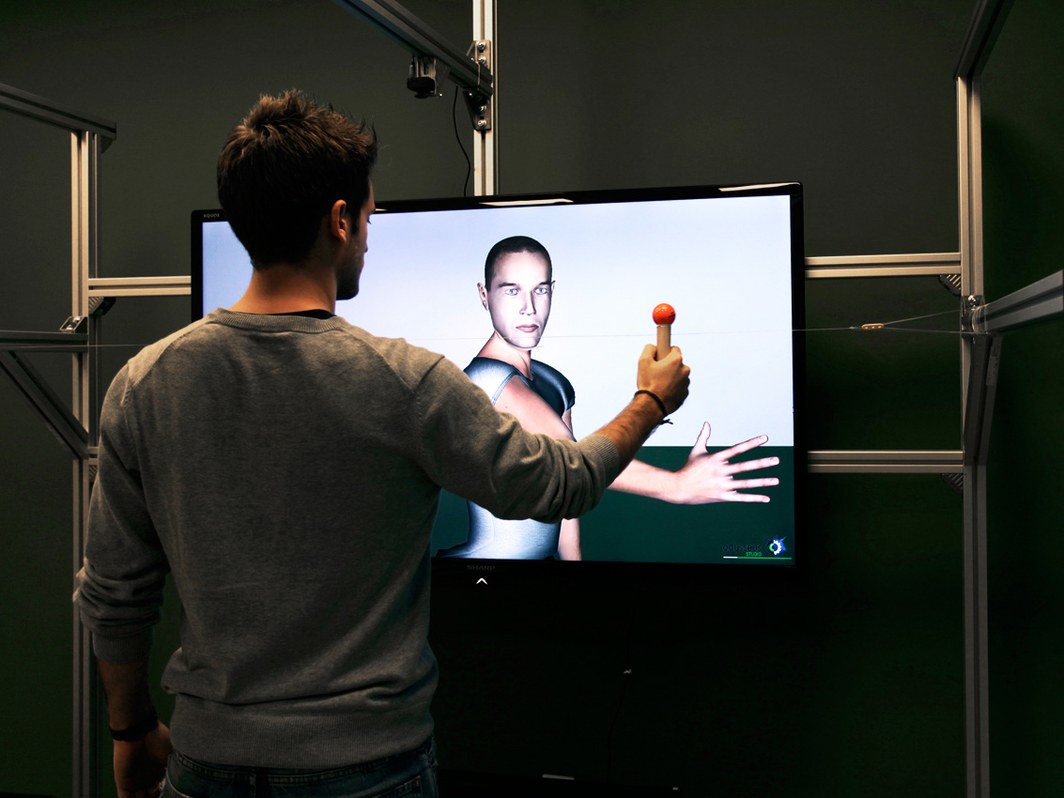
Beyond Alzheimer’s and PTSD, VR is now also being tested for diagnosing a variety of other conditions, such as social anxiety disorder, vertigo, ADHD, and concussions. For example, a team from Exeter University reported in 2017 that a VR-based “mirror game,” which required participants to duplicate the movements, gestures, and facial expressions of a virtual avatar, helped early diagnosis of schizophrenia.
There is, then, every reason to suspect that VR will move beyond being an experimental diagnostic tool for mental health conditions, to a practical, everyday one.
See the full story here; https://www.wired.com/story/virtual-realitys-latest-use-diagnosing-mental-illness/
These slick new AR glasses project shockingly high-quality visuals
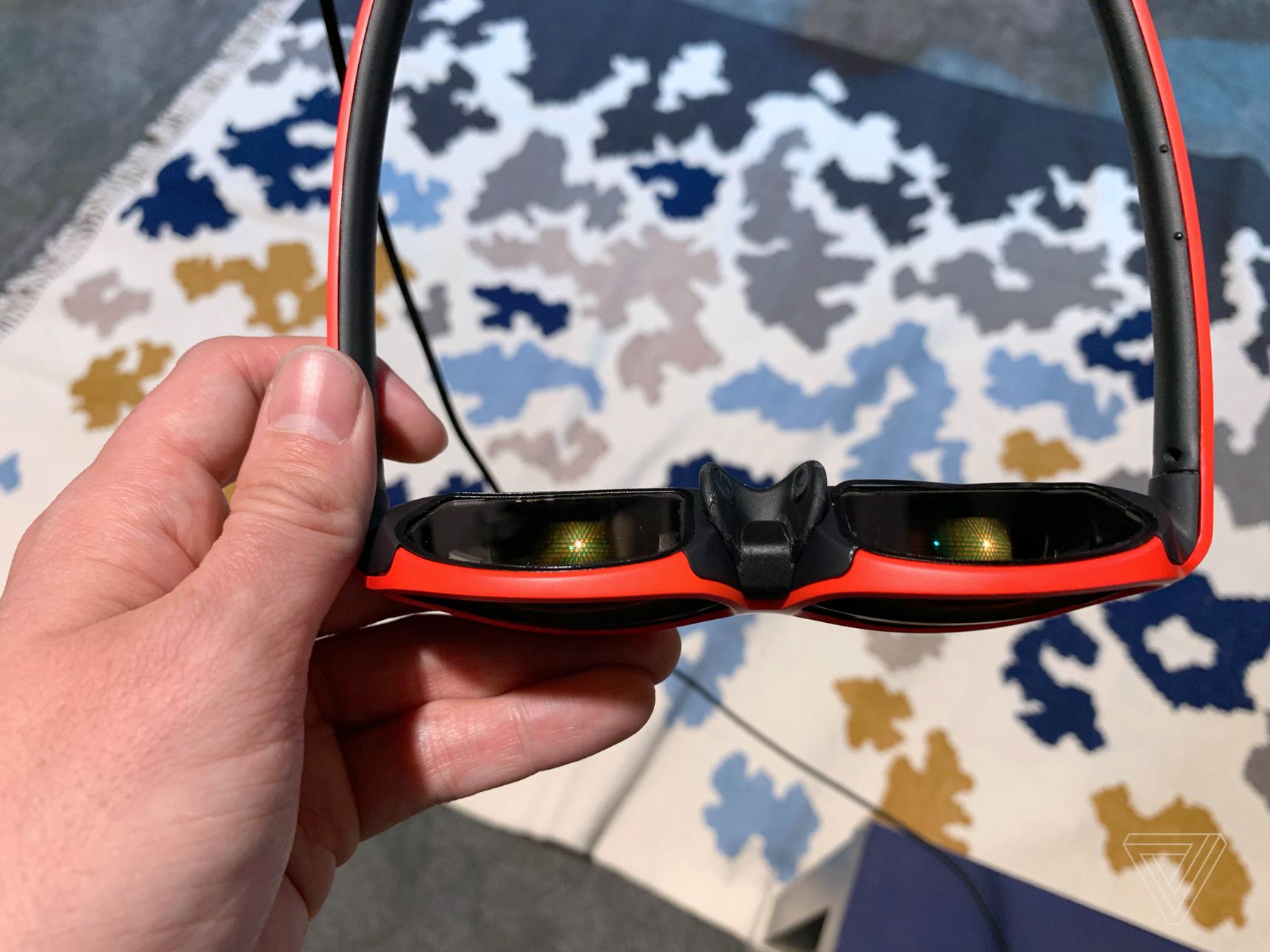
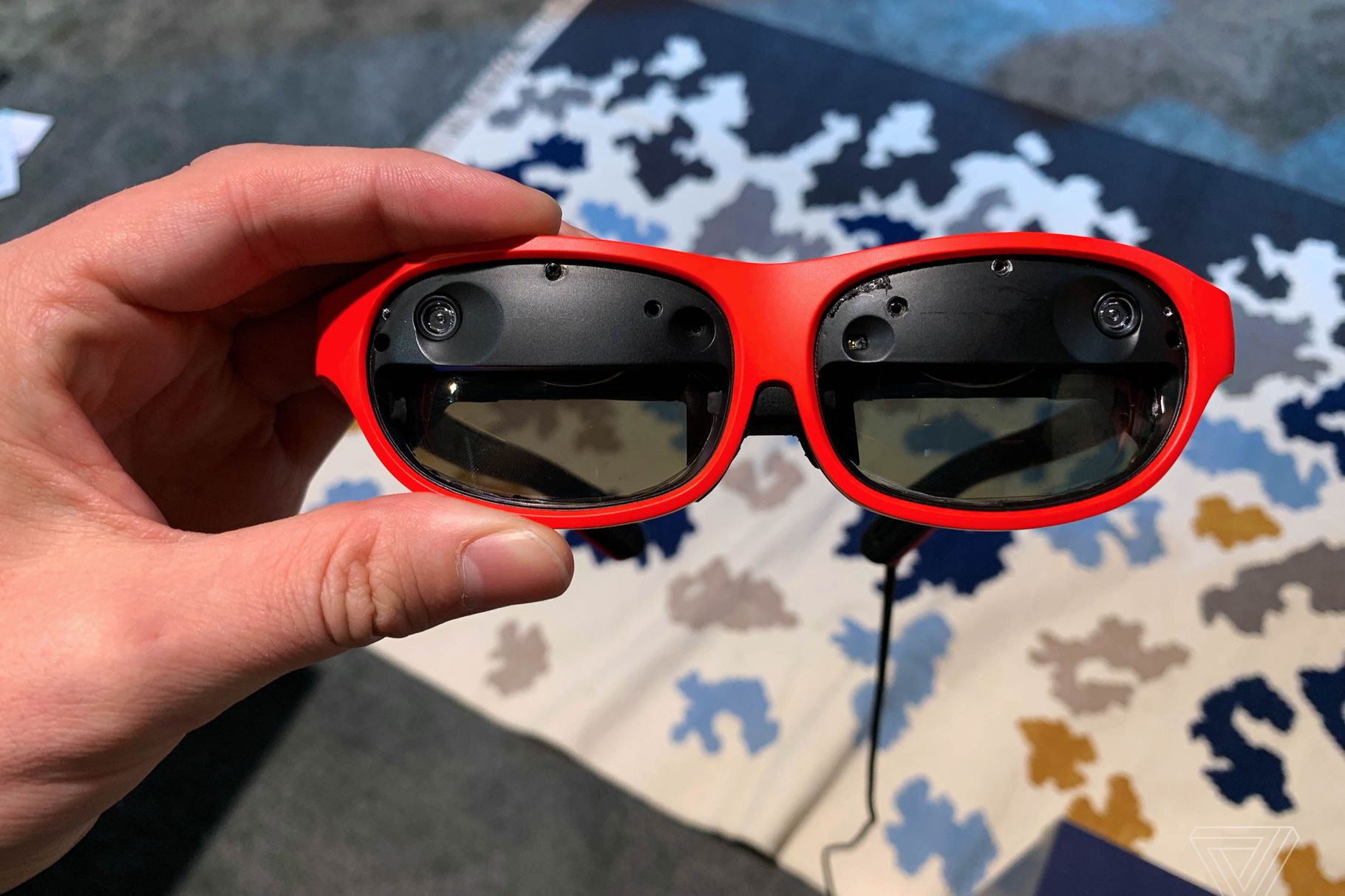
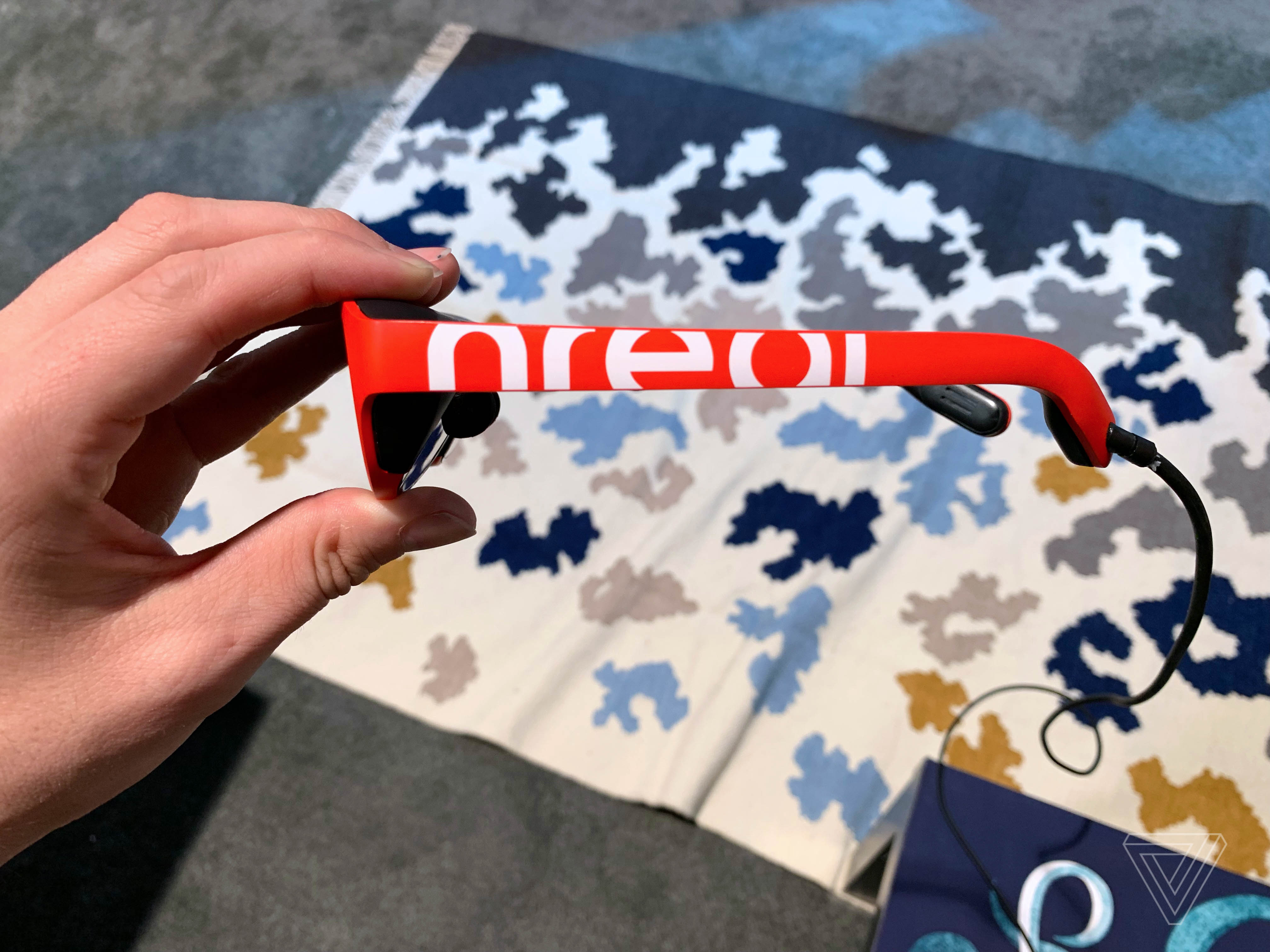
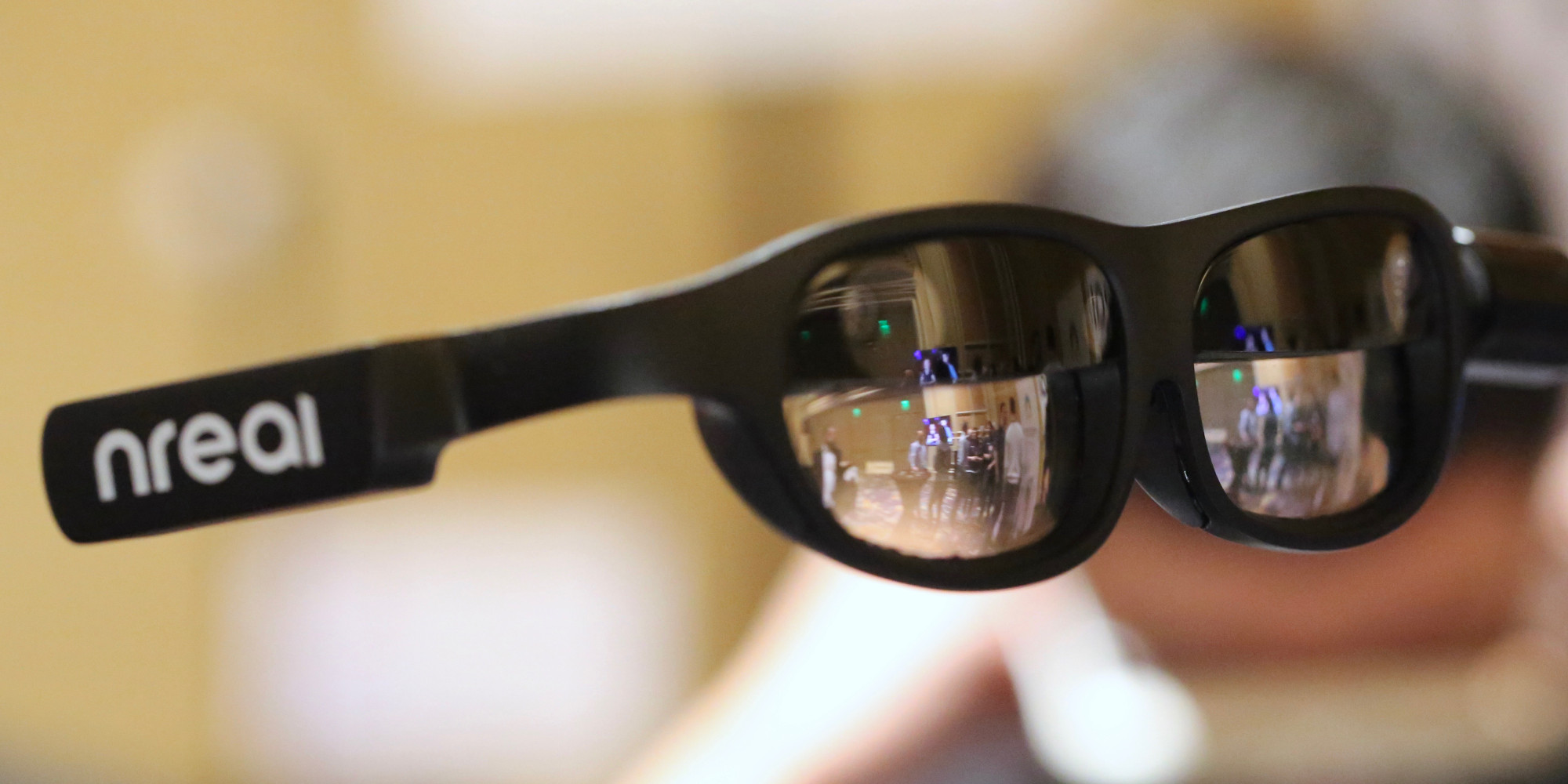
 Chinese startup Nreal has arrived on the scene this week with a surprisingly capable pair of AR glasses scheduled to hit the market later this year.
...
it’s also quite the feat that Nreal packed all that projection gear, sensors, and cameras into a frame that’s way slimmer than, say, the Vuzix Blade glasses. Nreal says the glasses weigh just 85 grams, or less than one fifth of a pound.
The second is that the glasses push 1080p projection through both lenses with a 52-degree field of view, letting them achieve something much closer to the Magic Leap One headsetor Microsoft’s HoloLens than what we’ve seen most AR glasses...
So as a video-watching device, the Nreal is quite capable. But the whole promise of AR is to understand your surroundings and blend the virtual images with real-world objects. That’s where the Nreal isn’t nearly as good as Magic Leap, at least based on the demos the company is showcasing.
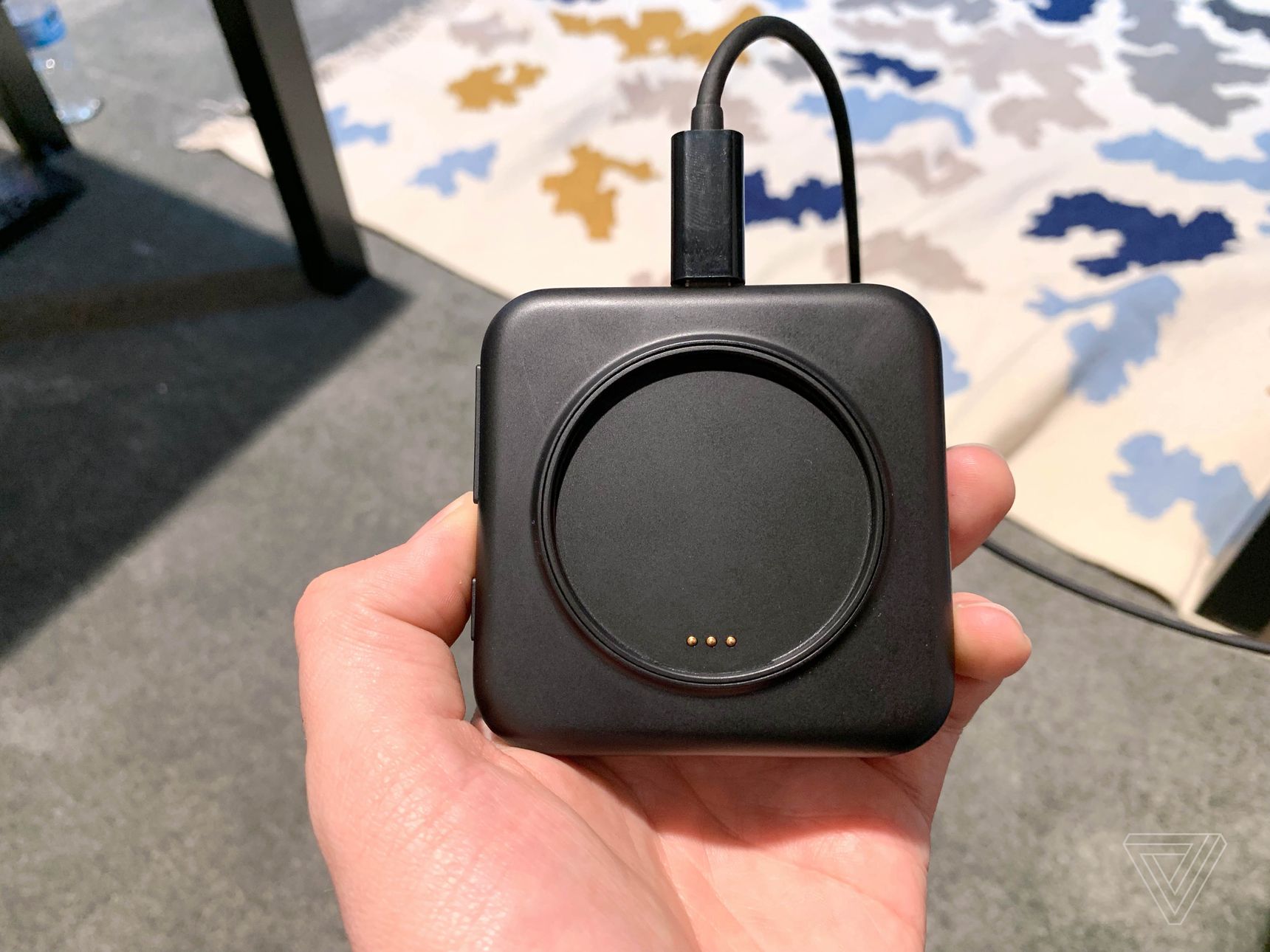
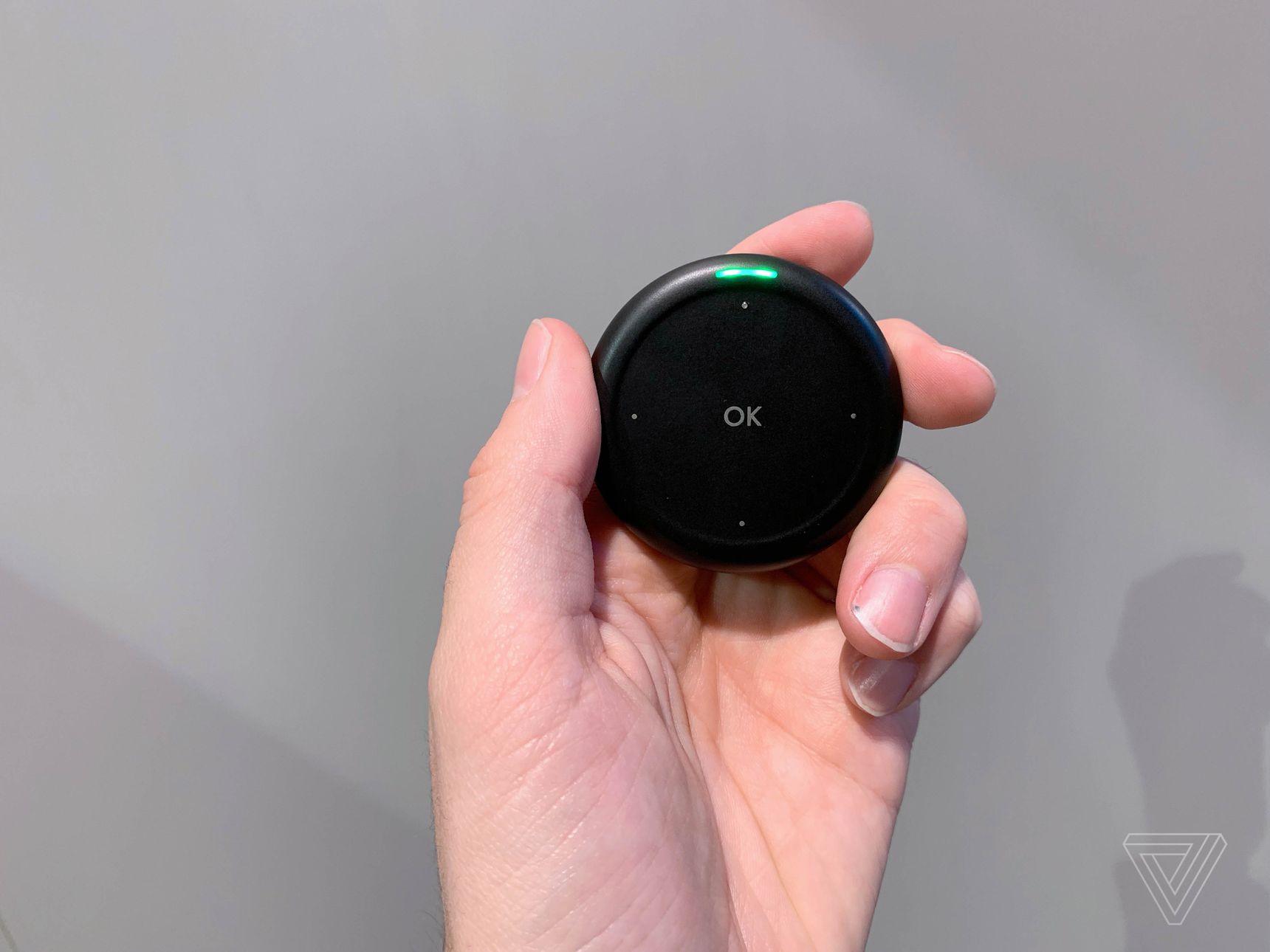
Similar to Magic Leap, Nreal’s device requires a cable into a separate processor pack that’s designed to go into your pocket. It’s of a similar size as Magic Leap’s and it appears to get just as hot or perhaps even more so as it’s running, which is certainly a consideration when for any AR glasses that will want to remotely attempt to deliver all-day use or at the very least any experiences that last more than a few minutes. One neat feature is that the motion controller for Nreal’s glasses is a small circular puck that connects magnetically to the processor pack.
Nreal tells me that because the processor pack uses USB-C, you’ll be able to simply use your phone to power the glasses. However, the company says it’s only working with Samsung right now to make that feature work, and it’s unclear if you’ll be able to use other phones...
As for specs, the Nreal glasses have a Qualcomm Snapdragon 845, 360-degree spatial sound through two speakers, and built-in microphones to enable future voice control and smart assistants. There are other built-in sensors for providing full 3D movement through 3D scenes, known as 6DoF (six degrees of freedom), while the wireless controller is only three degrees of freedom, so it can’t provide the same level of hand interaction as you’d get in a VR headset like the Oculus Rift.
On the front, you have two cameras that are used to perform what’s known as SLAM, or simultaneous localization and mapping, which is the computer vision technique that lets both self-driving cars and other similar AR headsets map a scene and also track objects as they move through it. That last bit is crucial for AR, and the fact that Nreal is only using two cameras, where as Magic Leap has three on each side of the front of its One headset, is likely why it’s not as adept at mapping environments and enabling interactive AR features.
The device is slated to ship some time around the third quarter of the year for a price likely under $1,000.
See the full story here; https://www.theverge.com/circuitbreaker/2019/1/9/18176083/nreal-augmented-reality-ar-smart-glasses-features-pricing-release-date-ces-2019
How patents are shaping up for virtual and augmented reality
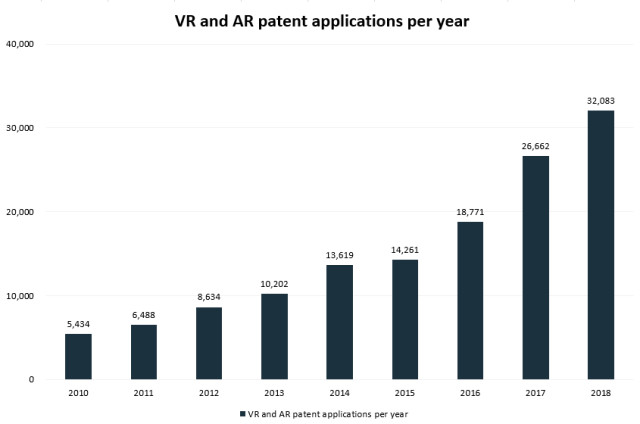
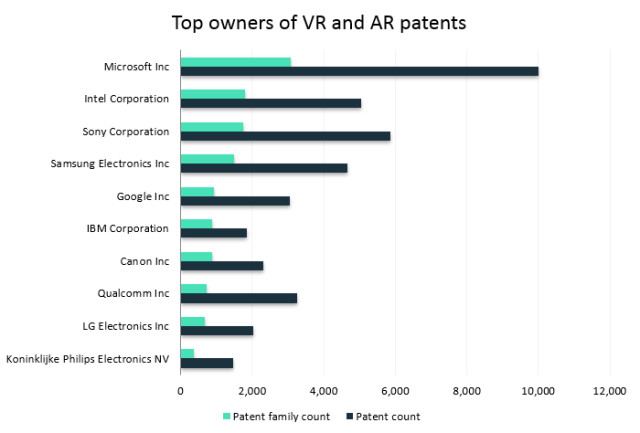
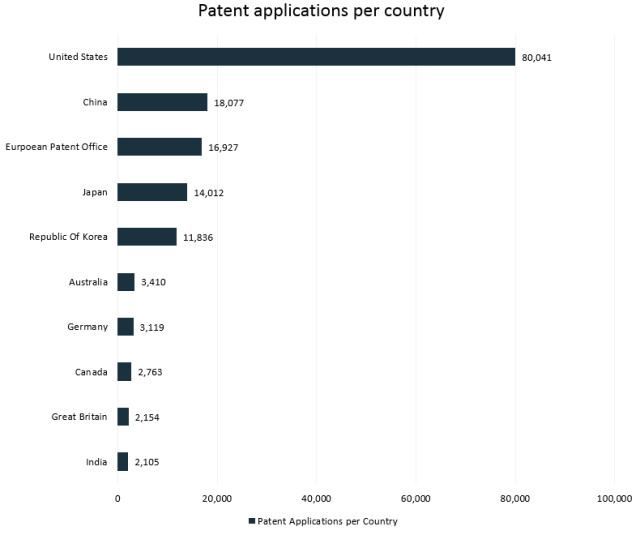
See the full article here: https://www.iam-media.com/how-patents-are-shaping-virtual-and-augmented-reality
For AR/VR 2.0 to live, AR/VR 1.0 must die
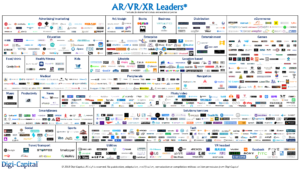 So what’s needed to go from AR/VR 1.0 to 2.0?
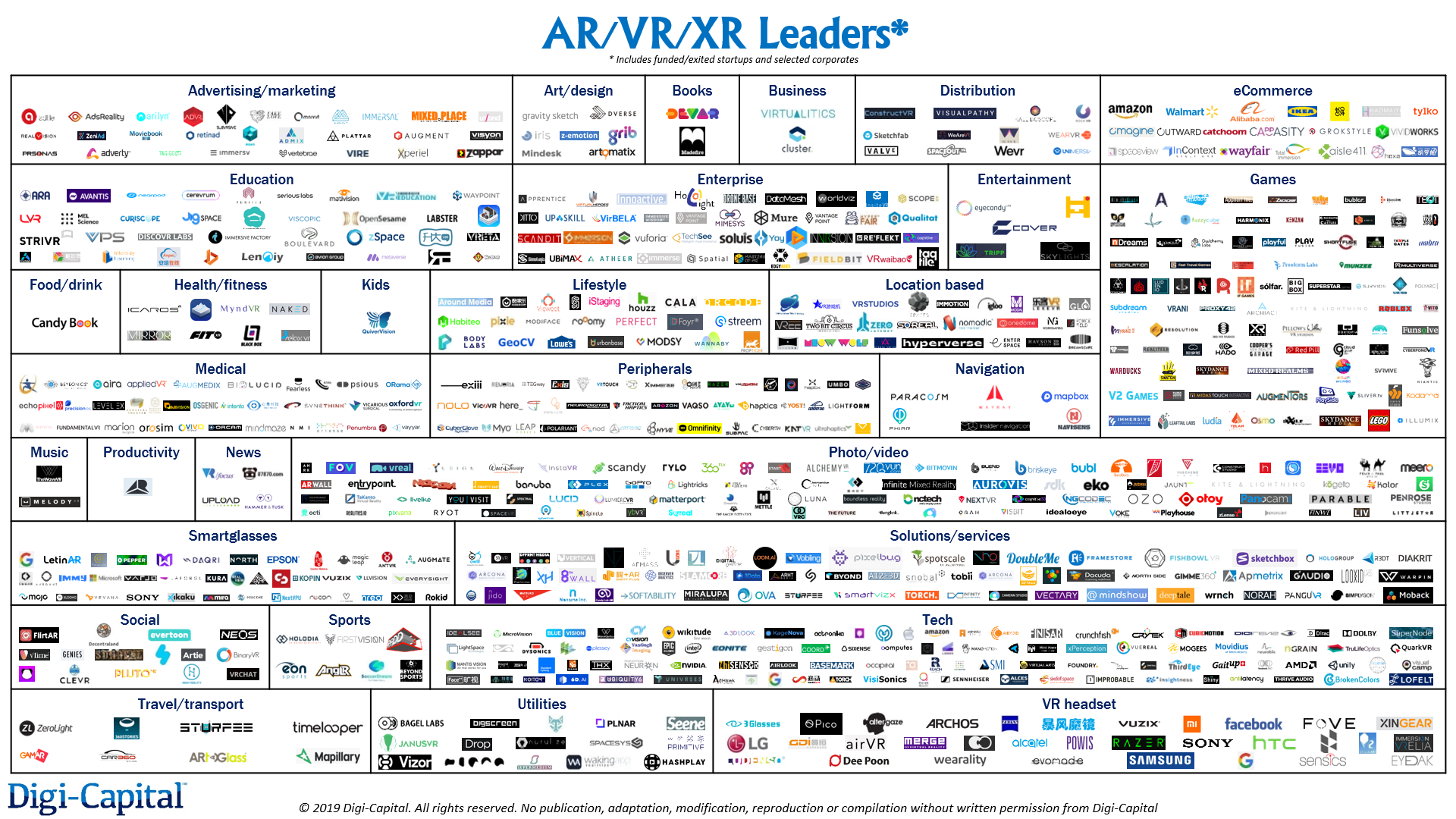
A lot of things might need to change to take us from AR/VR 1.0 to 2.0:
High friction to low friction: A large part of AR/VR 1.0 remains high friction in terms of installation, UX and UI. In many ways the market today looks like the MP3 player market before Steve Jobs launched the iPod (keep that analogy in mind). AR/VR 2.0’s lower friction is in the works, but what’s needed here are Apple smartglasses (whether they call them iGlasses or something else), the second generation of premium standalone VR (that comes after Oculus Quest and HTC Vive Focus) and mobile AR developers innovating beyond the lessons learned from Niantic, Houzz and others.
Experiences to use cases: There have been many “experiences” during AR/VR 1.0, with visually stunning apps not delivering meaningful UX. An AR/VR dragon or portal is impressive the first time you see it, but gets old pretty quickly. The next stage of AR/VR must deliver against critical use cases, with features in critical apps that we use all day, every day.
Standalone to features: The industry has largely focused on standalone apps to date, but major features in apps we use every day could see higher usage and prove more commercially successful. Navigation (Google Maps), e-commerce (Amazon, Walmart, Alibaba) and messaging (Facebook Spark AR, Snapchat Lens Studio) are beginning to show how this might happen.
Expensive to good value: Early AR/VR has ranged from $3,000 HoloLens to $200 Oculus Go to free mobile AR. But competing platforms often deliver more for less outside of specific use cases, particularly where we already own them, as with mobile. AR/VR 2.0 needs to become a great value because of what it delivers to users regardless of price point.
Point solutions to ecosystem: Many early AR/VR apps have been entertainment (games, video) or standalone point solutions to specific problems. As we’ve discussed before, AR/VR needs its own reality ecosystem to scale.
Low ROI to high ROI: For consumers, this means apps that give back more than just a “wow,” and for enterprises, applications that deliver real return on investment. This is beginning to happen in enterprise with companies like Lockheed Martin and Bell.
Pilots to production: Enterprise AR/VR 1.0 has seen many pilot projects, but relatively few full production rollouts. This is beginning to change, with companies like Walmart (with STRIVR) beginning to move into full production.
Inside baseball to brands: The AR/VR industry is still debating the merits of using AR, VR, MR, XR or spatial computing to describe itself, as well as spending a lot of time focused on internal plumbing across the stack. But consumers and enterprises outside of early adopters don’t care. They buy brands that deliver against critical use cases rather than just tech, which requires a clearer focus on users and how to market to them to succeed.
Fragmentation to dominance: AR/VR 1.0 remains fragmented across both hardware and software, despite its early stage and relatively small user bases. The industry now appears to have made up its mind on which platforms matter, so natural selection could thin the herd to a few dominant players in each part of the market.
Blue Sky to data driven: Many AR/VR 1.0 companies have been coy about their numbers, with independent data sources hard to come by in the early market. Developments like Digi-Capital’s AR/VR Analytics Platform have made it difficult to hide, with hard data/analytics now available to answer granular questions about roadmaps, country rollouts, investments, valuations and more.
VC-funded to cockroach/money making: Well-funded pioneers began to exit the market last year, with 2019 potentially seeing a major shakeout of companies that aren’t at least breaking even. The U.S. AR/VR investment market began to reverse its decline in Q4 2018 (even as Chinese investment accelerated), but making money and “cockroaching” burn rate could be more important than VC money in AR/VR 2.0.
Everyone else to Apple: If Apple launches smartphone-tethered smartglasses in late 2020, AR/VR 2.0 could have its “iPod moment,” where a major new form factor introduces the starting point for a long-term mass consumer market. It’s worth noting that this might not be the industry’s “iPhone moment,” as even with this catalyst we aren’t looking at a mass consumer market in the next five years.
Denial to acceptance: 2019 isn’t the “Year of AR/VR,” and Mark Zuckerberg’s “1 billion people in VR” might never happen. Mark’s come to terms with it, so hopefully a sense of cautious optimism could prevail during the next stage of the market.
See the full article here: https://techcrunch.com/2019/01/14/for-ar-vr-2-0-to-live-ar-vr-1-0-must-die/