VRgineers Reveals Improved ‘XTAL’ Professional Headset with Wider FOV
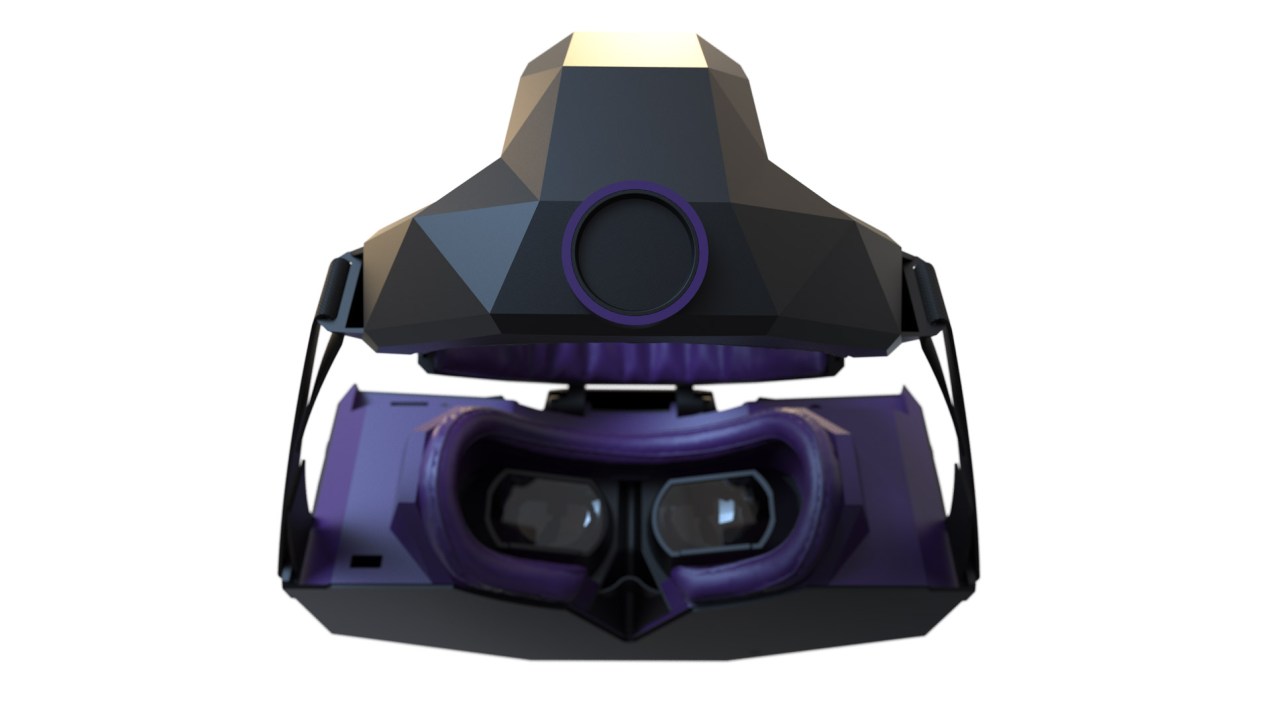
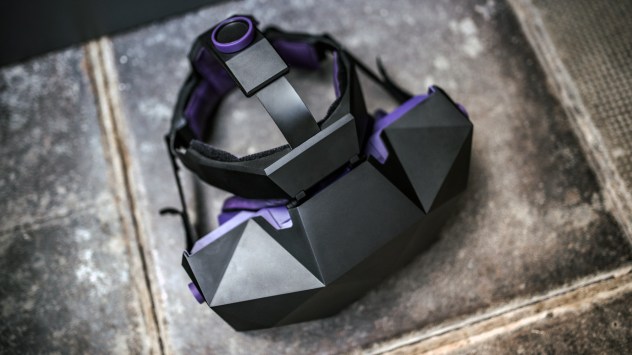 The headset is touted for its pair of 2,560 × 1,440 OLED displays, delivering what the company now claims is a 180 degree diagonal field of view—10 more degrees than the penultimate version.
“XTAL’s new non-fresnel lenses will deliver a wider field of view and binocular overlap, a bigger sweet spot, and much less distortion compared to the existing model,” explained Marek Polcak, CEO & Co-Founder of VRgineers. “This is critically important to our customers. When prototyping a new automobile design, for instance, they’ll be able to see more of the vehicle at once, and come closer than ever to a true-to-life image.
The company is specially targeting the professional and enterprise sectors with XTAL—at $5,800 so much is clear.
the $5,800 XTAL headset by VR startup VRgineers.
We first heard about the XTAL earlier this year, but a new and improved version is about to make its debut at the Consumer Electronics Show — the world’s biggest tech show — in January, TechCrunch reports.
The XTAL
The Prague-based startup’s headset features some amazing specs: two Quad HD (2560 x 1440 resolution) OLED (organic LED) displays, and an impressive 180-degree field-of-view.
See the full story here: https://futurism.com/5800-dollar-vr-headset-vrgineers-xtal
A radical new neural network design could overcome big challenges in AI
 Researchers borrowed equations from calculus to redesign the core machinery of deep learning so it can model continuous processes like changes in health.
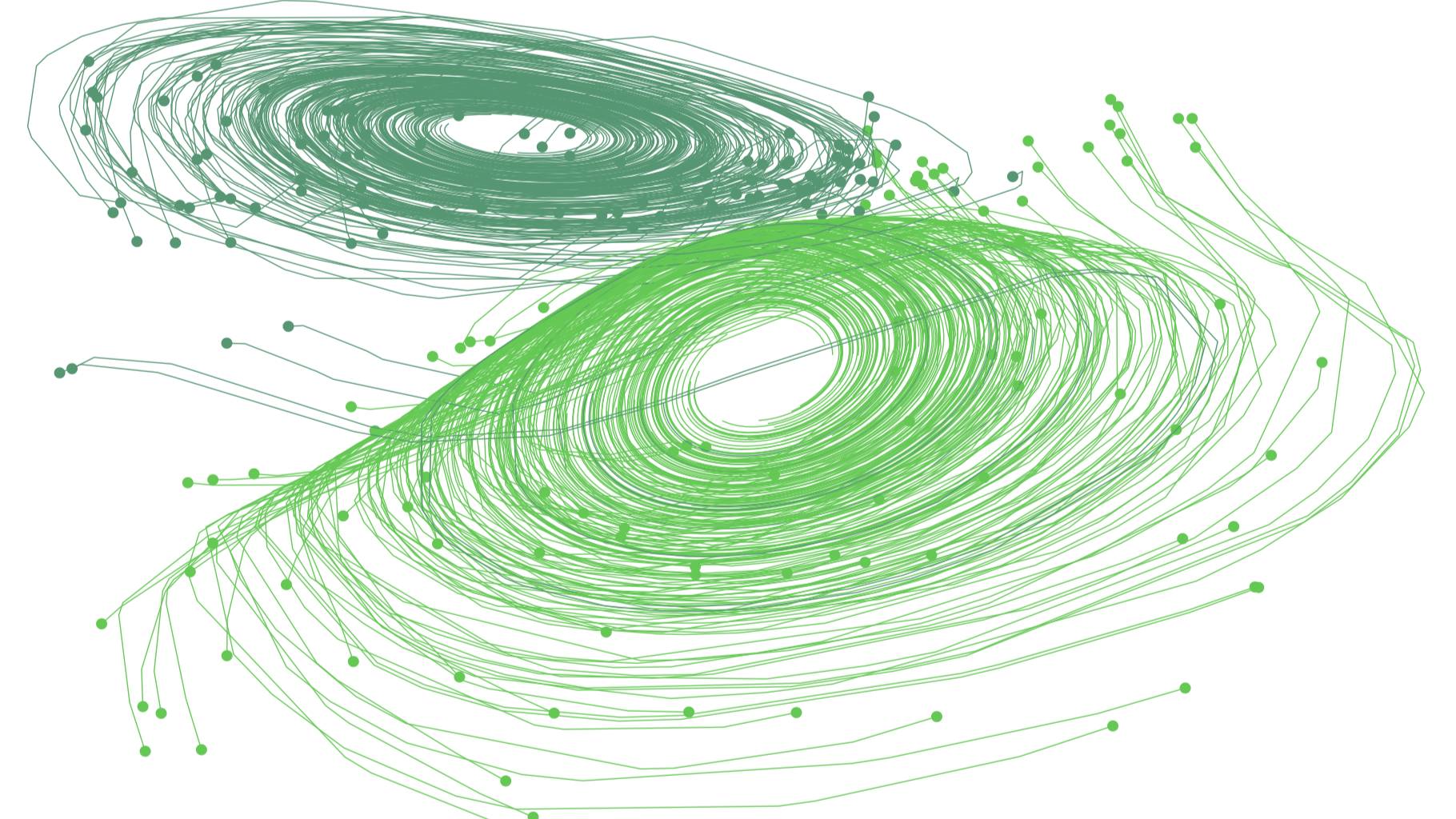
...data from medical records is kind of messy: throughout your life, you might visit the doctor at different times for different reasons, generating a smattering of measurements at arbitrary intervals. A traditional neural network struggles to handle this. Its design requires it to learn from data with clear stages of observation.
A traditional neural net is made up of stacked layers of simple computational nodes that work together to find patterns in data. The discrete layers are what keep it from effectively modeling continuous processes (we’ll get to that).
In response, Duvenaud’s design scraps the layers entirely.
Calculus gives you all these nice equations for how to calculate a series of changes across infinitesimal steps—in other words, it saves you from the nightmare of modeling continuous change in discrete units. This is the magic of Duvenaud’s paper: it replaces the layers with calculus equations.
The new method allows you to specify your desired accuracy first, and it will find the most efficient way to train itself within that margin of error.
Tesla Patent Application Mentions Augmented Reality Safety Glasses
 Tesla’s new manufacturing concept disclosed in this application could be used by a robot or a human. A human could use the AR system to program a robot to better assemble parts. A human or a robot could then use AR to conduct quality control checks, perhaps using computer aided design information to compare what it “sees” with how it’s supposed to be. The AR could be aided by "reference markers” - something like, "a 3-D marker, a sticker, a QR code, or a radio-frequency identification tag” - on the items.
See the full story here: https://www.forbes.com/sites/sebastianblanco/2018/12/07/tesla-patent-augmented-reality-safety-glasses/#20cd93eb1bfd
Cryptocurrency To Gain Massive Adoption In VR, Coinbase CEO Predicts
 [Philip Lelyveld comment: we've seen this for years with in-game economies. The question is whether demand for cross-game and cross-experience economies will develop.]
Innovations in cryptocurrency market will in the near future, challenge traditional banking and finance systems, and bring virtual reality to either change or oust the status quo in this area.
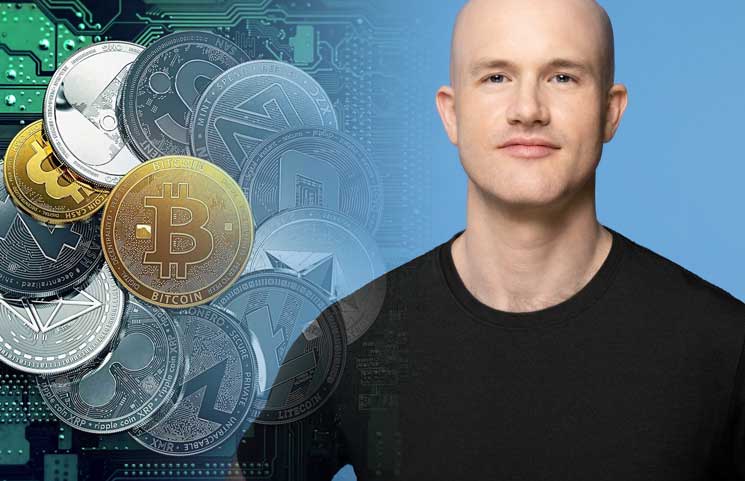
It will most likely do this by becoming the preferred currency in virtual reality. That is the hypothesis and thought of Brian Armstrong, founder of Coinbase in his new blog titled Digital Currency Could Be Widely Used in VR.
In other words, when people trade in virtual worlds, it will no longer be fashionable- or perhaps even rude- to rely on or use the currency of one country. Digital currency at that material time will then become the currency that will be used in these virtual spaces.
See the full story here: https://bitcoinexchangeguide.com/coinbase-ceo-predicts-virtual-reality-to-be-a-major-cryptocurrency-adoption-booster/
Virtual and augmented reality infiltrate art and communication scene
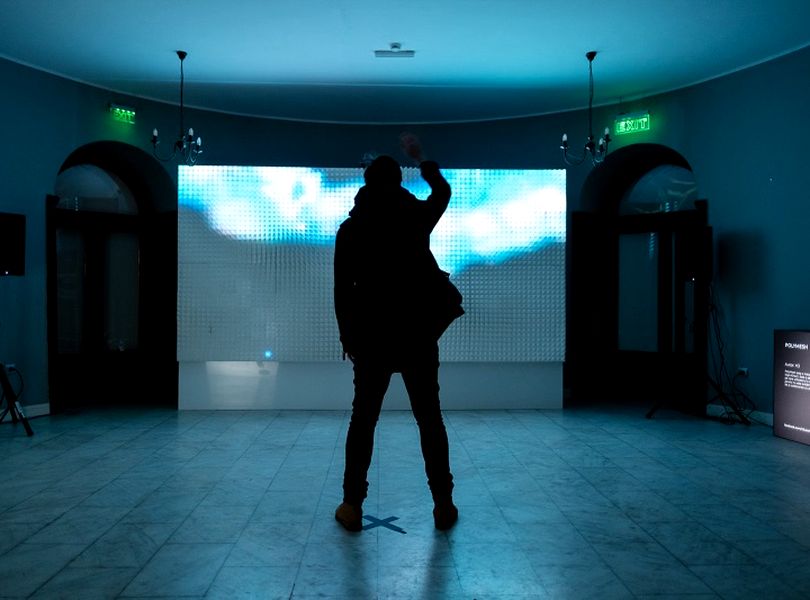 A virtual museum, in VR and AR, will also be created in Timisoara, the app being able to “tell the stories” of Timisoara’s historical buildings, when users pass them.
“Timisoara also had, and I hope still has, the Simultan Festival, which in 2017 had its 12th edition, called Possible Future. The aim is so simple and representative: creating a platform for contemporary cultural projects which use technology as an artistic mean of expression. Moreover, Cristian Vieriu, with his business Wild Draft, is also constantly pushing boundaries and provided a few years back some interesting 360 documentary videos of performances at the Jazz TM festival in Timisoara. His portfolio includes a lot of digital tech animations and sound designs such as Interior8. Last, but not least, I have to mention The Funky Citizens NGO, our neighbors and friends, who have used AR very interestingly with an interactive expo of photographs: Protest, which came to life for the audiences experiencing it through their smart phones,” added Bucureci.
See the full story here: http://business-review.eu/tech/br-analysis-virtual-and-augmented-reality-infiltrate-art-and-communication-scene-192992
Why VR is out of touch with reality for women
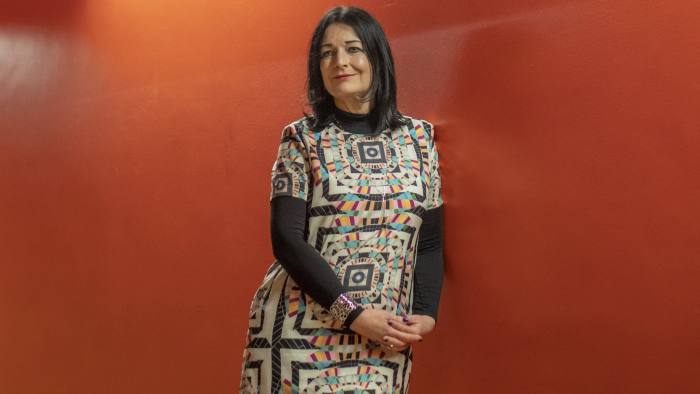 As co-founder and creative director of East London design collective called body>data>space, 56-year-old Ms Boddington focuses on blending the virtual and physical by combining telepresence — using tech to participate in distant events — virtual worlds and experimental environments that can be controlled using physical gestures. These include 210-degree domes or “spheres” — entertainment venues in which a VR immersive experience can become a shared social activity rather than a singular one experienced via a headset.
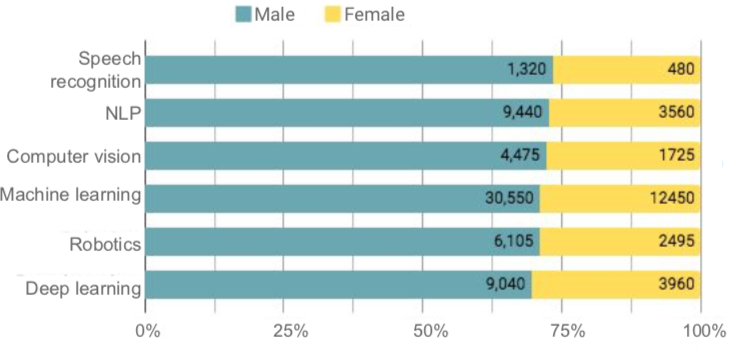
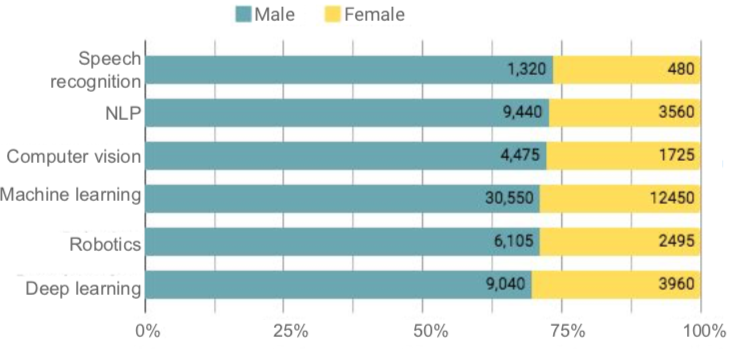
So far, the use of VR technology has gained limited traction among women. Two-thirds say they are unlikely to try either VR or AR, according to a 2017 report by the consultancy EY, compared with half of men. “Like so many technologies, adoption happens when consumers don’t think about the technology itself but what it allows them to do,” says Martyn Whistler, an analyst at EY. Developing real-use applications in areas such as retail, tourism and fitness will demonstrate their value to women, he adds. Ms Boddington agrees. “A high proportion of VR content is male heterosexual porn,” she explains. “Content creators need to think in a much more diverse way” to broaden the technology’s appeal, she adds. She prefers to focus on the body from a different perspective. She uses the phrase “internet of bodies” to encompass the idea that the body should be central to the digital experience.
See the full story here: https://www.ft.com/content/79066ba0-dd43-11e8-b173-ebef6ab1374a