WHAT HAPPENS WHEN ALGORITHMS DESIGN A CONCERT HALL? THE STUNNING ELBPHILHARMONIE
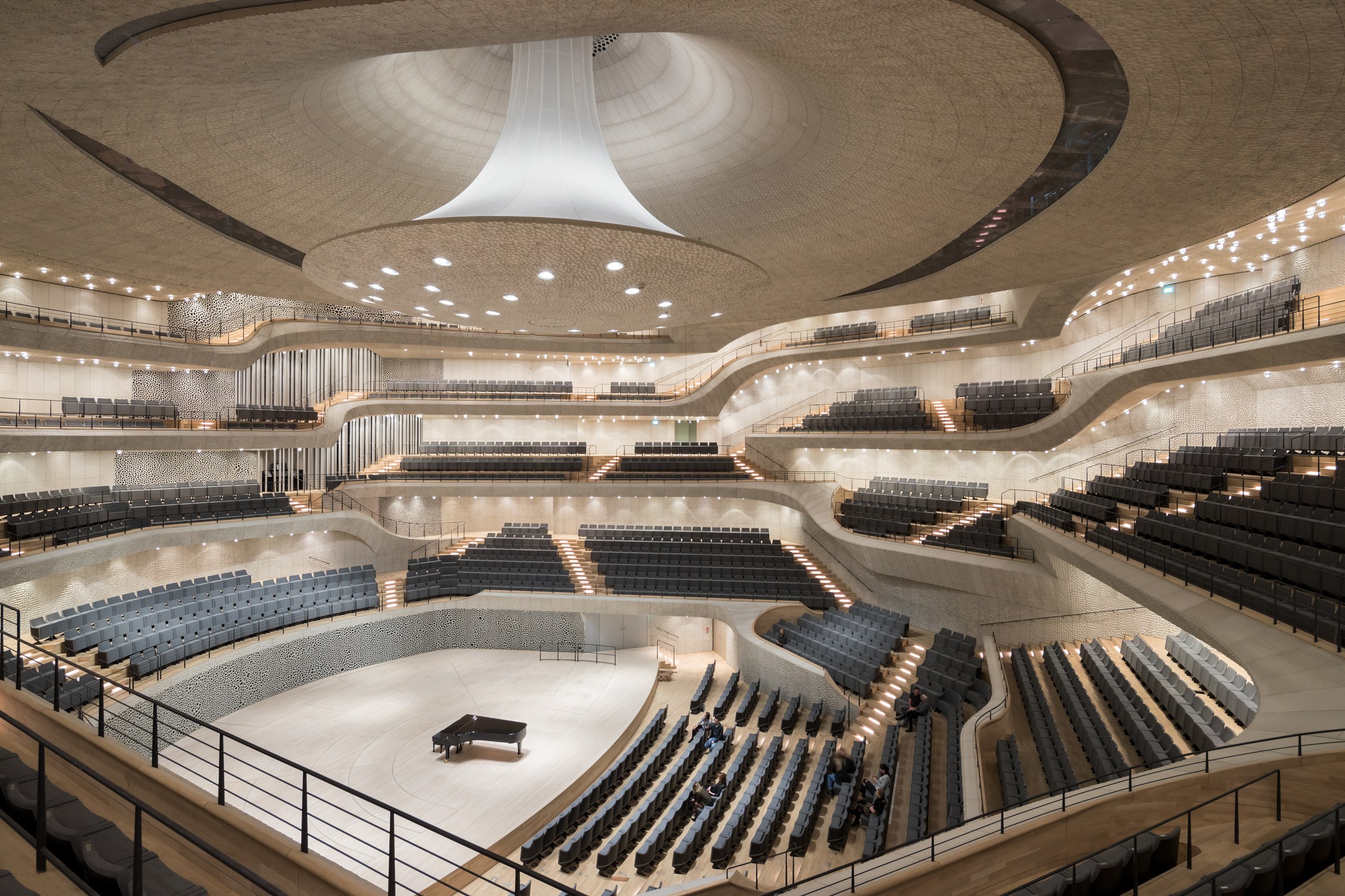 Though Hamburg’s $843 million philharmonic is filled with stunning architectural gems, its most interesting feature is the central auditorium, a gleaming ivory cave built from 10,000 unique acoustic panels that line the ceiling, walls, and balustrades. The room looks almost organic—like a rippling, monochromatic coral reef—but bringing it to life was a technological feat.
The auditorium—the largest of three concert halls in the Elbphilharmonie—is a product of parametric design, a process by which designers use algorithms to develop an object’s form. Algorithms have helped design bridges, motorcycle parts, typefaces—even chairs. In the case of the Elbphilharmonie, Herzog and De Meuron used algorithms to generate a unique shape for each of the 10,000 gypsum fiber acoustic panels that line the auditorium's walls like the interlocking pieces of a giant, undulating puzzle.
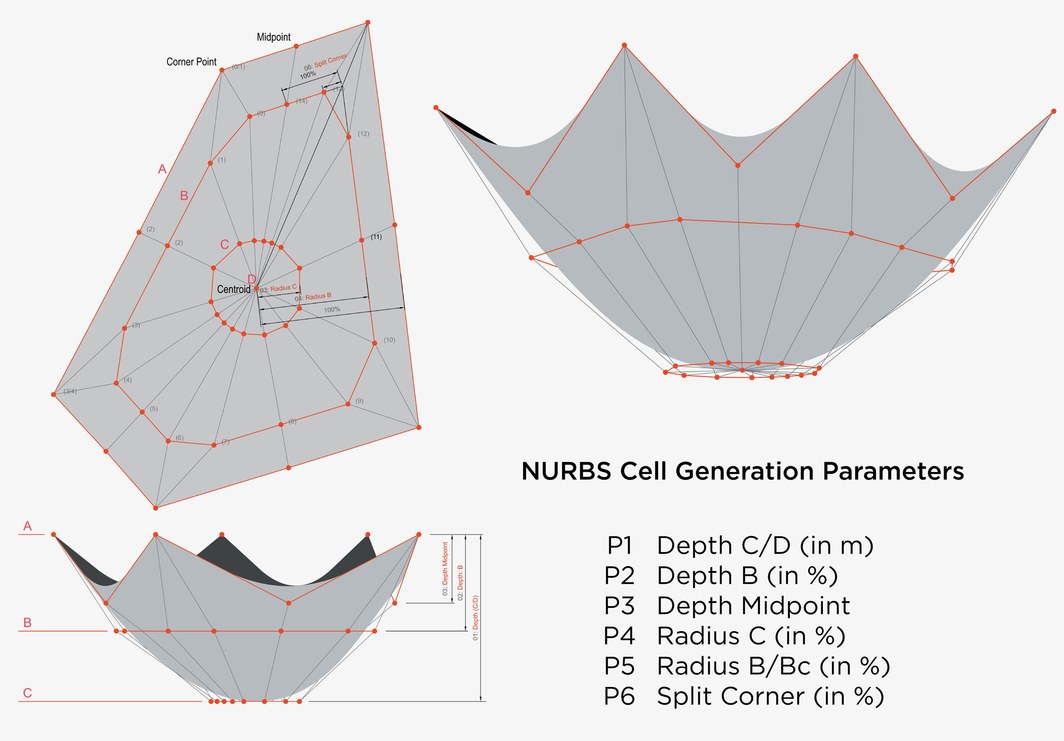 On looks alone, the effect is stunning. The 10,000 panels coalesce into a billowy, off-white skin, punctuated only by 2,150 seats and 1,000 hand-blown glass light bulbs. But beauty was only part of the architects’ intention when they began designing the building more than 13 years ago. “Every panel has a function,” says Benjamin Koren, founder of One to One, the studio that worked with Herzog and De Meuron to design and fabricate the panels.
See the full story here; https://www.wired.com/2017/01/happens-algorithms-design-concert-hall-stunning-elbphilharmonie/