NextVR brings virtual reality broadcasts to the Oculus Rift
 Now, the platform has finally rolled out support for the Oculus Rift and even for its standalone sibling, the Oculus Go. NextVR chief David Cole said the VR community has been asking for the feature for a long time, and the company is merely answering the call.
Oculus users can now download the free app from their headset's store, though it's also available for the PlayStation VR, HTC VIVE Pro, HTC VIVE, Windows Mixed Reality, Samsung Gear VR and Google Daydream devices. Cole said the company is targeting Steam next "to further meet the requirements of the PC community."
See the full story here: https://www.engadget.com/2018/09/22/nextvr-vr-broadcast-oculus-rift/
WCE 2018: Patient-Specific Virtual Reality Simulation Improves Visuospatial Recognition of Renal Masses
 Paris, France (UroToday.com) As an introduction to his talk, Arun Rai stated that for greater than 60,000 cases of RCC, 61% of all renal masses are T1-T2 and that Robotic-assisted laparoscopic partial nephrectomy is now accepted as standard of care for most T1 tumors and has been suggested as standard for T2 masses as well. He also stated that education and training for this procedure requires delicate tissue handling without haptic feedback, and the need for excellent visuospatial understanding.
Dr. Arun Rai concluded that the use of the dV-Trainer improved renal tumor visuospatial recognition and the selection of closer renal mass compared to standard 2D imaging alone. He added that in this study, trainees who had access to the dV-trainer, on average were 50% closer to the correct renal mass. Lastly, he stated that all other factors such as age, 3D aptitude score, dV-Trainer score, ability to assign the correnct R.E.N.A.L nephrometry score, MS year, and desired future specialty did not associate with tumor localizing ability.
At This High-Tech Farm, the Boss Is an AI-Powered Algorithm
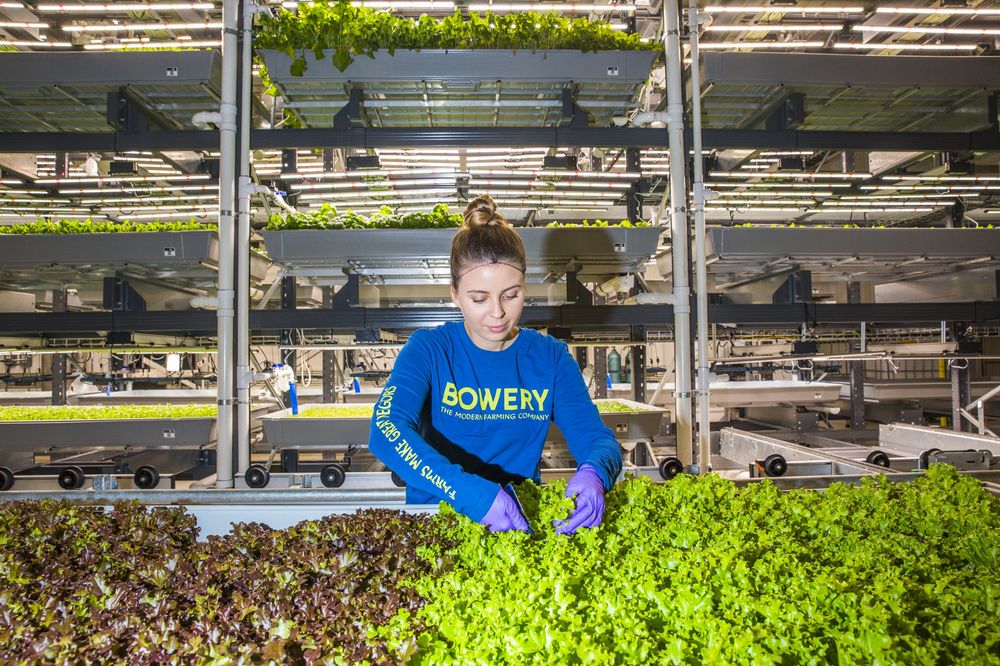 Bowery Farming says its proprietary software can top the intuition of a seasoned farmer.
See the full story here: https://www.bloomberg.com/news/articles/2018-09-20/at-this-high-tech-farm-the-boss-is-an-ai-powered-algorithm
Democrat Cyber Defenders Are Purging Androids In Favor Of iPhones
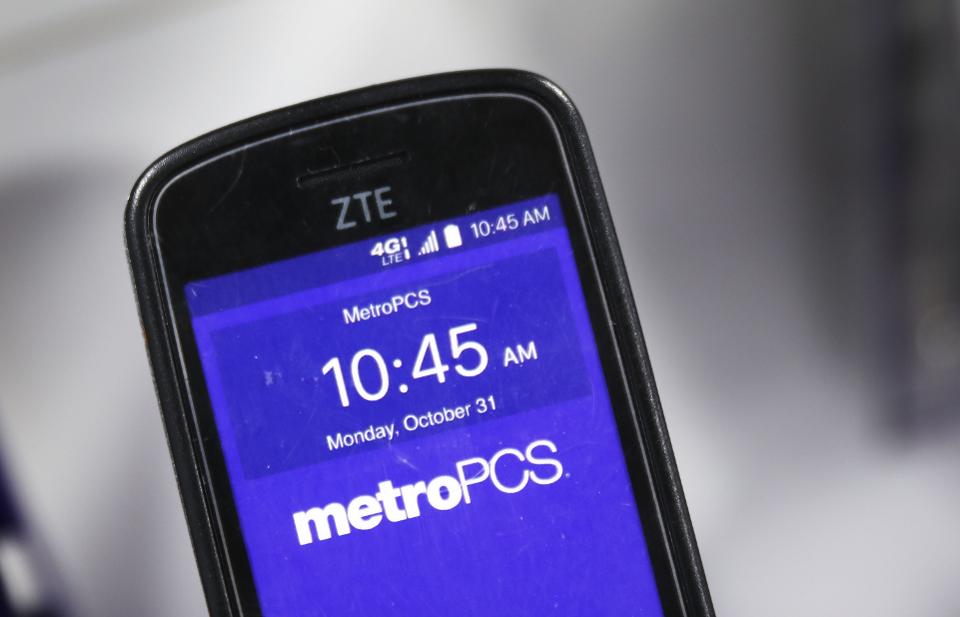 With the midterm elections and concomitant online threats looming, the Democrats are keen to avoid another digital disaster. As part of improving the digital defences across the party, the DNC is trying to get rid of Android devices, ZTE in particular, following the U.S. intelligence communities warnings about the Chinese manufacturer. A previous Reuters report noted Huawei was getting much the same treatment. And the DNC is choosing Apple over Google, promoting iPhones across not just its own staff, but campaigns, committees and state Democratic bodies too.
...one key reason for choosing iPhones over Androids was that Apple provided patches for security weaknesses quicker than Google's myriad device manufacturers.
See the full story here: https://www.forbes.com/sites/thomasbrewster/2018/09/19/dnc-cyber-defenders-want-democrats-to-purge-androids-in-favor-of-iphones/#3a1143596f7e
Creating Virtual Reality Journalism: A Guide For Best Practices
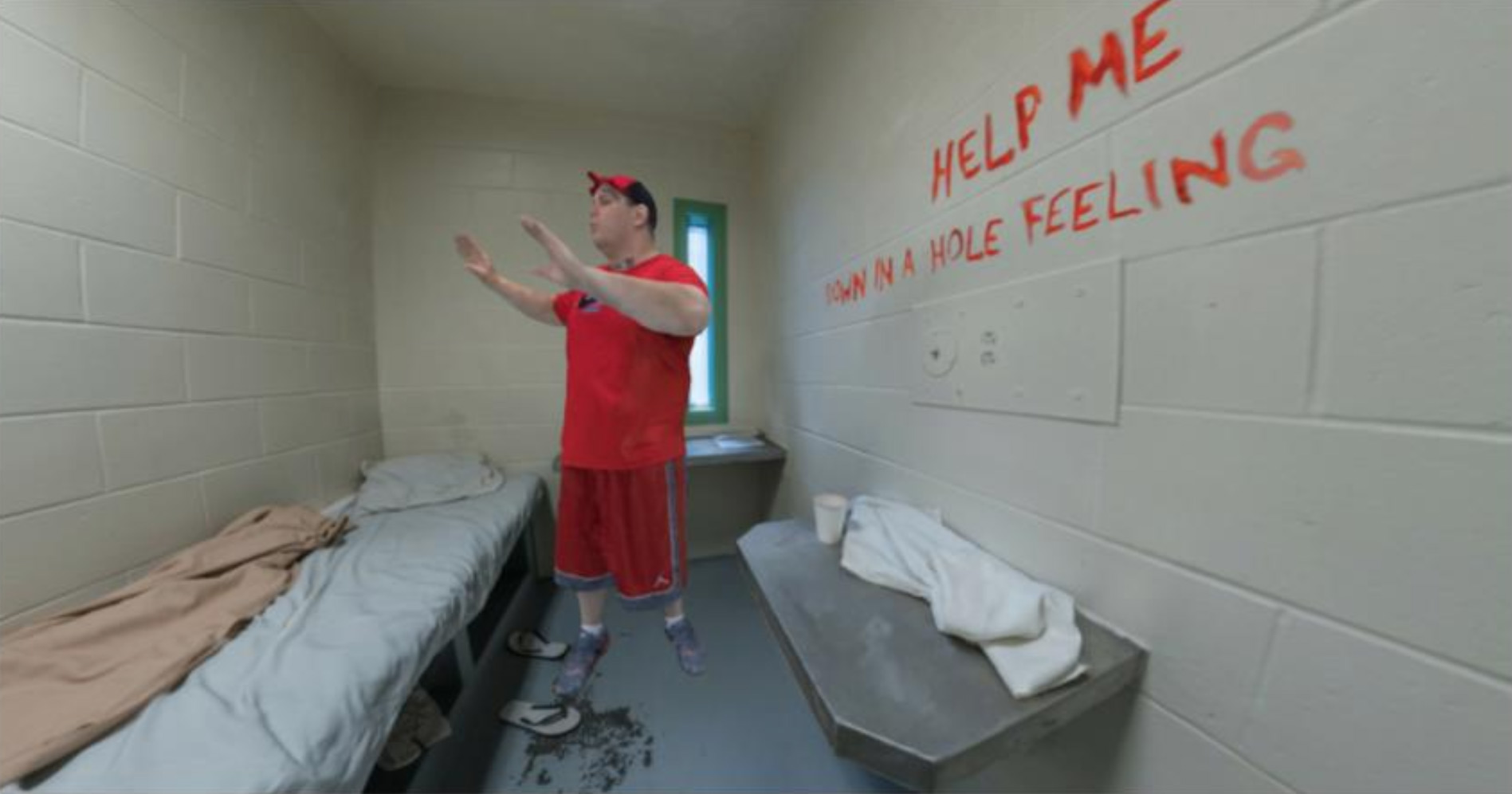 In this best practices guide, FRONTLINE and Emblematic Group report on the state of VR technology, and lay out some of the challenges they faced working to create informative and fair – yet compelling and immersive – walk-around VR journalism experiences. The lessons gleaned throughout the collaboration are shared in effort to be transparent, advance VR journalism, and help establish standards to guide other journalists and media organizations exploring storytelling in this developing field.
See the full story here: http://apps.frontline.org/vr-report/
Excerpt:
VR JOURNALISM GUIDING PRINCIPLES
Virtual reality journalism is an emerging genre, practiced by innovative storytellers who regularly encounter new ethical and editorial issues, as demonstrated in the case studies above. These guidelines are informed by the experiences and insights of these early practitioners, who have negotiated some of the thorniest issues presented by this immersive medium to date. They are not intended to be comprehensive, nor could they be. They are based upon existing, widely adopted ethical standards and practices from other media, and will sound familiar to journalists who have worked for reputable news organizations. Just as with other media, journalists working in VR are encouraged to seek guidance and feedback on these issues from senior editorial managers and colleagues when ethical issues arise.
VR is a powerful medium, combining visual, aural and physical material to create an intensely immersive, informative and emotional experience. Producers should always consider this extraordinary potential impact and strive to use it in a way that satisfies the traditional standards of journalism: accuracy, fairness and transparency.
Accuracy
- As in all journalistic media, the core value of VR journalism is accuracy. The layers of visuals and sounds comprising a 3D environment must present the viewer with an accurate representation of reality.
- In creating a 3D environment, producers should consult multiple sources in recreating such environments to ensure the original space is accurately represented.
- As a general rule, while VR producers must often adjust images in a 3D environment for scale and proportionality, elements within the images should not be added, subtracted or rearranged in a way that is not supported by the facts. If an element is placed into an environment for storytelling purposes that does not appear in the original space, producers must make it clear to viewers that this has taken place.
- Natural sound and sound effects are often used to create a more authentic and immersive 3D experience. Sound should only be added or edited if it helps convey an accurate understanding of the scene or story to the viewer.
- Music should be appropriate and in keeping with the narrative. As with other sound effects, VR producers should guard against using music that will create an impression for the viewer that is either distorted or inaccurate.
- Current procedural and technological limitations make it challenging to capture every scene or element within a VR story in 3D. As a result, the use of animation, re-creation and dramatizations can be very effective and, in many cases, necessary. In some instances, viewers may be confused as to the authenticity of these elements. In any situation that presents a risk of confusion or misleading viewers, they should be clearly labeled or otherwise signaled.
Fairness
- As with all ethical journalism, VR producers must treat their subject matter and the people featured in the piece fairly in order to ensure the credibility of the report.
- Early research suggests that viewers may identify more strongly with perspectives presented in VR than to more traditional, 2D media. While fairness does not demand that equal time be accorded to all conflicting viewpoints or opinions, it does require the acknowledgment and responsible statement of significant conflicting views. In presenting alternate viewpoints, producers should keep in mind that research suggests viewers may not register some forms of data, including titles and voice-overs, in a VRexperience, as a result of being preoccupied by the visceral, physical sensation of “being there.” As viewers become more accustomed to the medium, this effect may diminish, but more research to determine whether this is indeed the case is required.
- While a viewer’s agency within a walk-around 3D environment can create a more immersive experience, the audience may miss key facts or pieces of information if they choose not to explore or interact with certain story elements. Producers may find it helpful to use tools such as text, sound and light to alert viewers to such key elements, and/or find ways to ensure they are communicated regardless of a viewer’s choice to interact.
- Because of the visceral impact of a virtual reality experience, producers should consider providing appropriate warnings if the production includes scenes that may be shocking, gruesome, explicit or sensitive. And, as with any kind of journalism, producers should be sensitive to the potential impact of the story on people featured in it or on those close to them; e.g., victims of violence or their families. In many cases, producers and editors may find it appropriate to blur such images or to depict them in a stylized way.
Transparency
- Because VR can give viewers the agency to explore a story firsthand, they may be unaware of the extent to which a piece has been intentionally directed and designed. In an effort to address this, producers should be transparent about their production techniques and how those techniques impact the perception of reality or recreations. In all cases, a guiding principle should always be to avoid misleading viewers. Many news organizations provide stories accompanying VR productions to explain to viewers how the piece was produced and answer likely questions about the authenticity of the story. Alternatively, these disclosures can be provided by whatever means will ensure that viewers have a clear understanding.
- Current technological limits require 3D interviews to be succinct and that each bite of sync used is from one continuous take. As a result, producers must sometimes prep interviewees more extensively than they would in more conventional mediums. In doing so, producers should have a goal of helping an interviewee communicate clearly and concisely, without changing the meaning of their statements. In cases in which significant prep work has been required for an interview, this process should be disclosed to viewers.
These Virtual Reality Films Are Blazing a New Trail in Storytelling and Art
 Other shorts involve an interactive element. In Kalina Bertin’s Manic VR, you use controllers to interact with what it’s like to live with bipolar disorder, at one point popping imaginary bubbles that float into view. For Asad Malik’s Terminal 3, visitors step into a replica airport security room and put on, not an Oculus, but a HoloLens, which projects an image of a young woman on the empty chair opposite them. The woman has returned to the US from a trip to visit family in Pakistan, and you take on the role of a Homeland Security interrogator — the short is programmed to respond to questions you ask aloud, and changes depending on which ones you choose to ask from those presented.
See the full story here: https://hyperallergic.com/460566/ciff-storyforms-virtual-reality/
FOR MUSEUMS, AUGMENTED REALITY IS THE NEXT FRONTIER
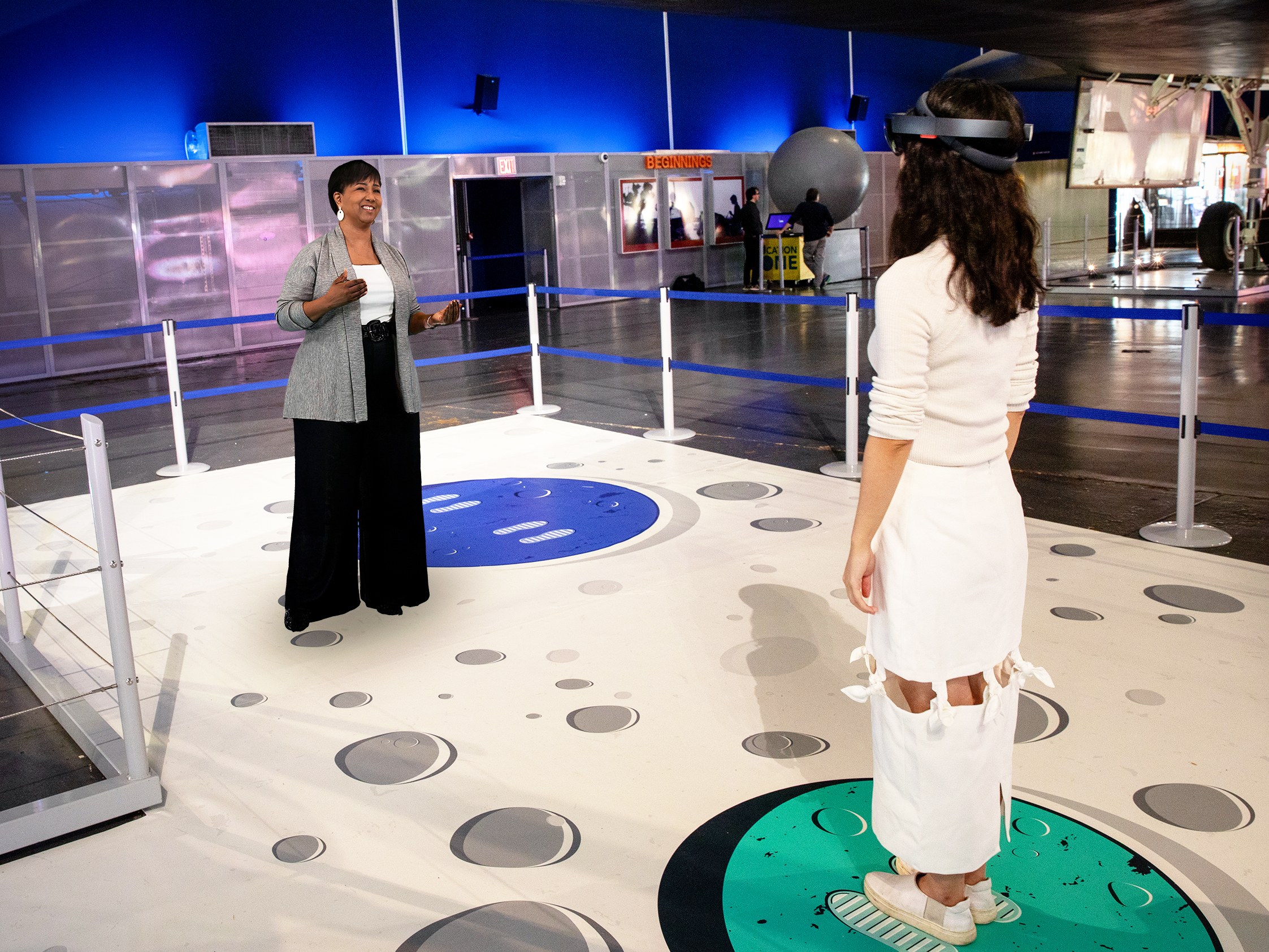 "Cultural institutions are asking, ‘How do we ensure our relevancy in the future?’" says Chris Barr, the director of arts and technology innovation at the Knight Foundation, which gave over $1 million this year to support museums using new forms of technology. "We’re looking at tech as part of the toolset that they use to do that. There’s a tremendous opportunity, especially around technology like augmented reality, to engage visitors."
Illumix will use $8.6 million in funding to make augmented reality games
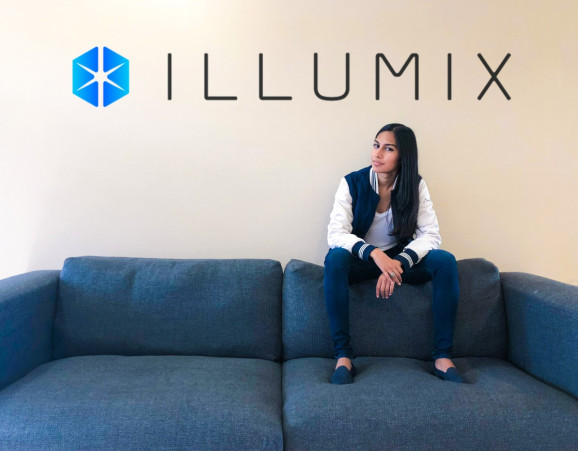 Illumix has raised $8.6 million to fuel its augmented reality technology and build games based on it.
Kirin Sinha, CEO of Menlo Park, California-based Illumix, said in an interview with GamesBeat that the company has cool technology that could be used as a platform for others, but for now the startup will focus on making its own smartphone-based augmented reality games. Sinha believes the company’s AR tech will distinguish itself because it handles occlusion well, meaning that virtual objects will look more realistic against the backdrop of the real world.
Sinha doesn’t necessarily believe that AR glasses will be adopted en masse anytime soon. Rather, she believes great AR experiences can be built on top of existing smartphones.
“We believe in providing a meaningful and compelling game using the smartphone that millions of people already have in their hands,” Sinha said.
Sinha doesn’t necessarily believe that AR glasses will be adopted en masse anytime soon. Rather, she believes great AR experiences can be built on top of existing smartphones.
“We believe in providing a meaningful and compelling game using the smartphone that millions of people already have in their hands,” Sinha said.
See the full story here: https://venturebeat.com/2018/09/19/illumix-will-use-8-6-million-in-funding-to-make-augmented-reality-games/