Alphabet Backs Augmented Reality Platform Company
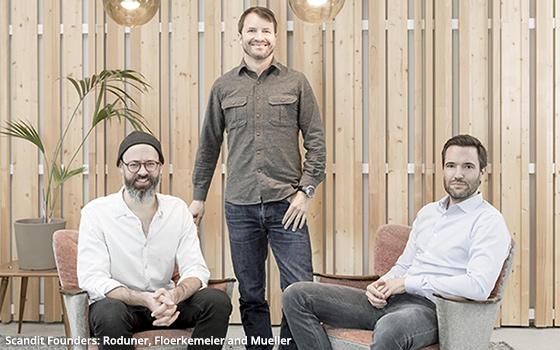 Scandit, a technology company that develops mobile computer vision, barcode scanning and augmented reality, has raised $30 million in Series B funding led by Alphabet’s GV, formerly Google Ventures.
The company, which previously raised $13 million, plans to use the new funds to accelerate global expansion and further develop its mobile computer vision platform.
Scandit’s technology enables the capturing and decoding of text, object and other visual identifiers using wearables, drones, robots or stationary cameras, allowing the identification and tracking of everyday objects, which then can be identified via augmented reality.
Brands using the technology include Sephora, Louis Vuitton, DHL and Levi Strauss & Co.
See the full story here: https://www.mediapost.com/publications/article/322984/alphabet-backs-augmented-reality-platform-company.html
NEWS Snapchat Adds Speech-Activated Lenses to Its Augmented Reality Capabilities
 At launch, Snapchat will only respond to a select list of English words, with on-screen prompts for the user to repeat.
The new capability is an extension of the sound recognition capability that Snapchat rolled out earlier this year.
In fact, Snapchat's engineers have been extra busy adding new capabilities to the AR experiences of late, including body tracking and sky segmentation.
See the full story here; https://mobile-ar.reality.news/news/snapchat-adds-speech-activated-lenses-its-augmented-reality-capabilities-0186307/
What Does a UX/UI Designer Do? [Interview]
 What is the difference between UX and UI design?
In short, UX is the high-level interpretation of what a product should look like or work like, and UI is the specific details of your prototype.
...
...For instance, in an e-commerce UI, you will want to design to attract traffic, whereas in a data analytics UI, you will have to represent the data in a way that it is meaningful and understandable to your audiences.
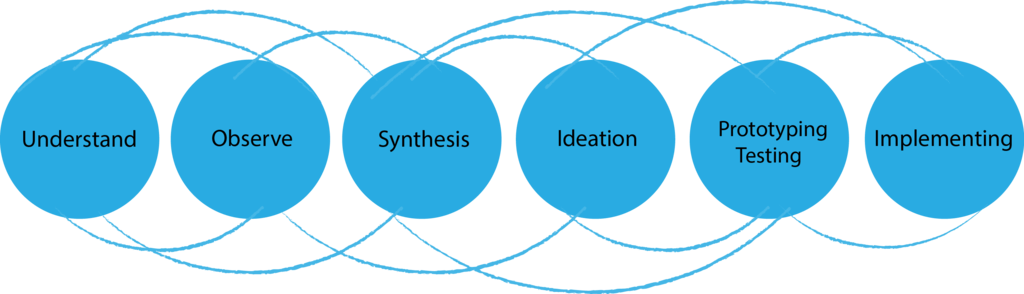
...Interaction design and screen design is when I get to create a new feature/entirely new product or make a better version out of the current one. This is where it gets fun! I would follow the normal Design Thinking process – Empathize, Define, Ideate, Prototype, and Test.
Einstein once said, “If I had an hour to solve a problem and my life depended on the solution, I would spend the first 55 minutes determining the proper question to ask. For once I know the proper questions, I could solve the problem in less than 5 minutes.”
See the full story here: https://techacute.com/what-does-a-ux-ui-designer-do/
Simplicity and accessibility: the beauty of digital design at airlines
 Any new branding both in digital and material, should be launched together. A universal roll-out of digital can be completed more quickly than repainting liveries, outfitting cabins, and refurnishing lounges and check-in desks. That time advantage can be used to set the scene for everything that follows, but digital should be planned as carefully as the selection of materials and furnishings.
KLM has long been best-in-class for its digital touchpoints. The airline maintains its azure, the iconic crown symbol, and a whimsical, very legible proprietary font “Noa KLM” used in all assets. KLM’s website is fully accessible, including easily recognized buttons that change the color scheme for high-visibility and legibility. The lay-out is simple, structured around primary functions including flight search and self-service. Even advertising is sectioned in such a way that it neither clutters nor confuses. This simple, powerful UX and UI design extends to mobile, self-service kiosks, and to IFE. The result is a harmonious, user-friendly digital and material brand.
Another example of elegant UX can be found on Norwegian Air, which updated its digital branding in 2015. It is minimalistic, but manages to be warm and cheerful – helped in large part by the charming pictograms that embellish simple menus. ...
See the full story here: https://runwaygirlnetwork.com/2018/07/31/simplicity-and-accessibility-the-beauty-of-digital-design-at-airlines/
A SEATTLE MUSEUM’S TECH BONANZA, FROM CLASSIC VIDEO GAMES TO VIRTUAL REALITY
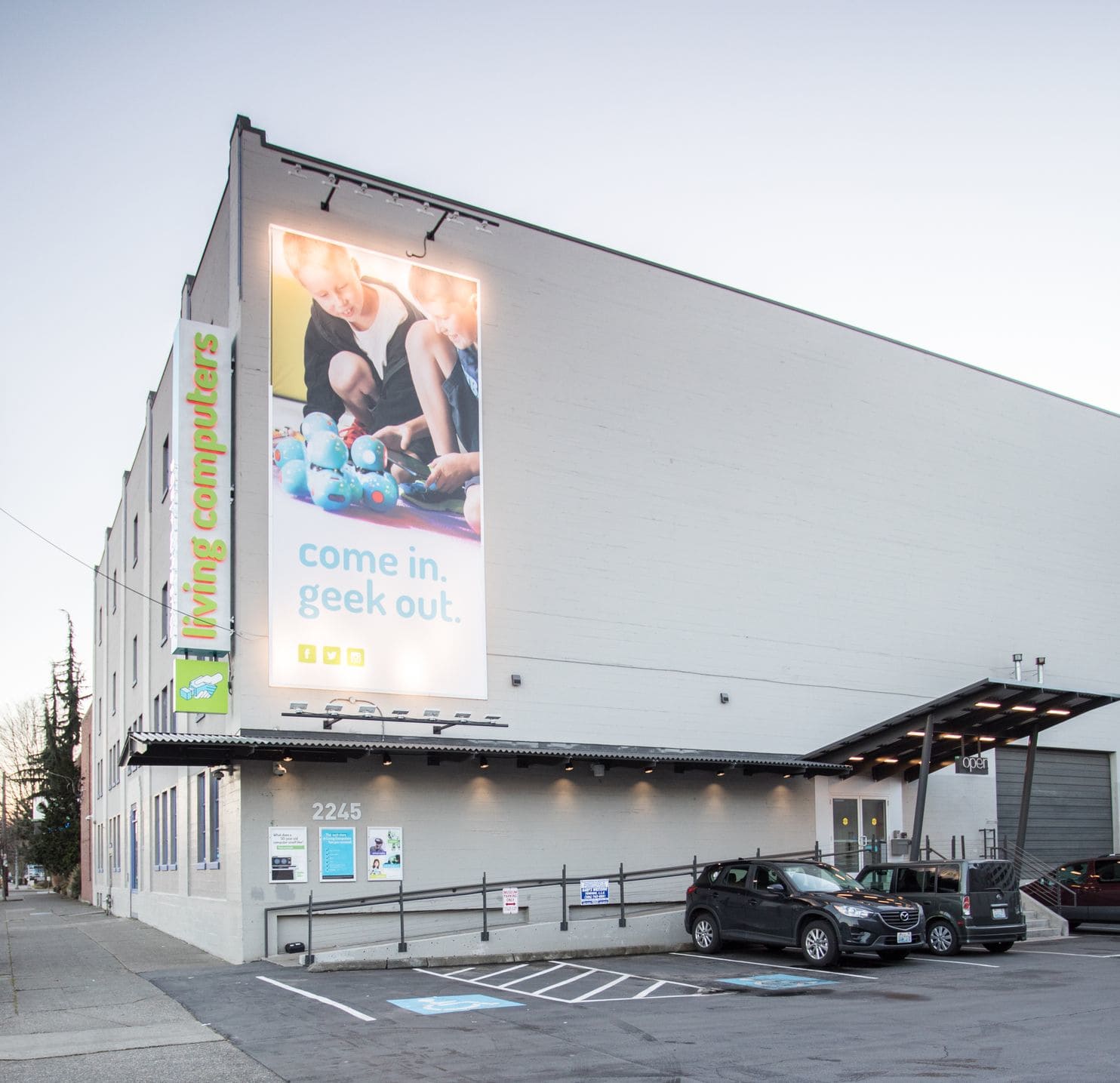 The museum began in 2012 as a modest repository for Microsoft co-founder Paul Allen’s collection of old computers: a PDP-10 from his Harvard days, a working MITS Altair 8800, a (Tandy/Radio Shack) TRS-80. It started adding and restoring donated machines, and now has the largest publicly accessible collection of vintage operating computers in the world.
Operating is the key word here. The institution’s motto is: “Most museums put glass in front of their stuff — we put a chair.”
Indeed, one of the few things encased in glass is a tattered Atari version of the 1980s arcade classic Defender, excavated from a landfill in 2013 by a Canadian entertainment company as part of the documentary “Atari: Game Over.”
See the full story here: https://www.vi-mm.eu/2018/07/31/a-seattle-museums-tech-bonanza-from-classic-video-games-to-virtual-reality/