SNAP TEAM BRINGING AUGMENTED REALITY FESTIVAL TO ORLANDO THIS FALL
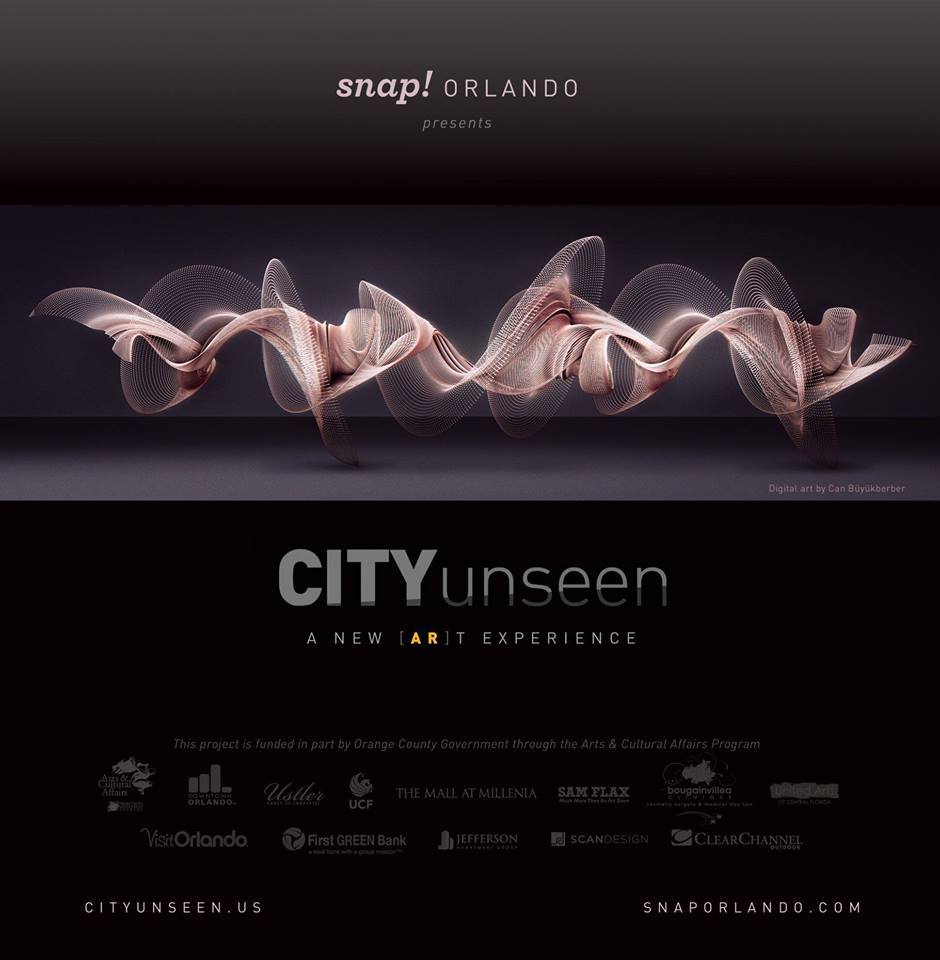 Artists include Miami-based multidisciplinary artist Felice Grodin, Turkish digital artist Can Büyükberber, Los Angeles artist Nancy Baker Cahill, German street artist Mark Gmehling, and Central Florida installation artists Mark Gerstein and Synthestruct, among others.
A CITY UNSEEN app will let users enjoy the full range of art installations and immersive AR experiences at each installation site.
See the full story here: http://bungalower.com/2018/07/24/snap-team-bringing-augmented-reality-festival-to-orlando-this-fall/
Disney Research Creates Avatars That Can Strike a Pose to Match a Person’s Movements in Augmented Reality
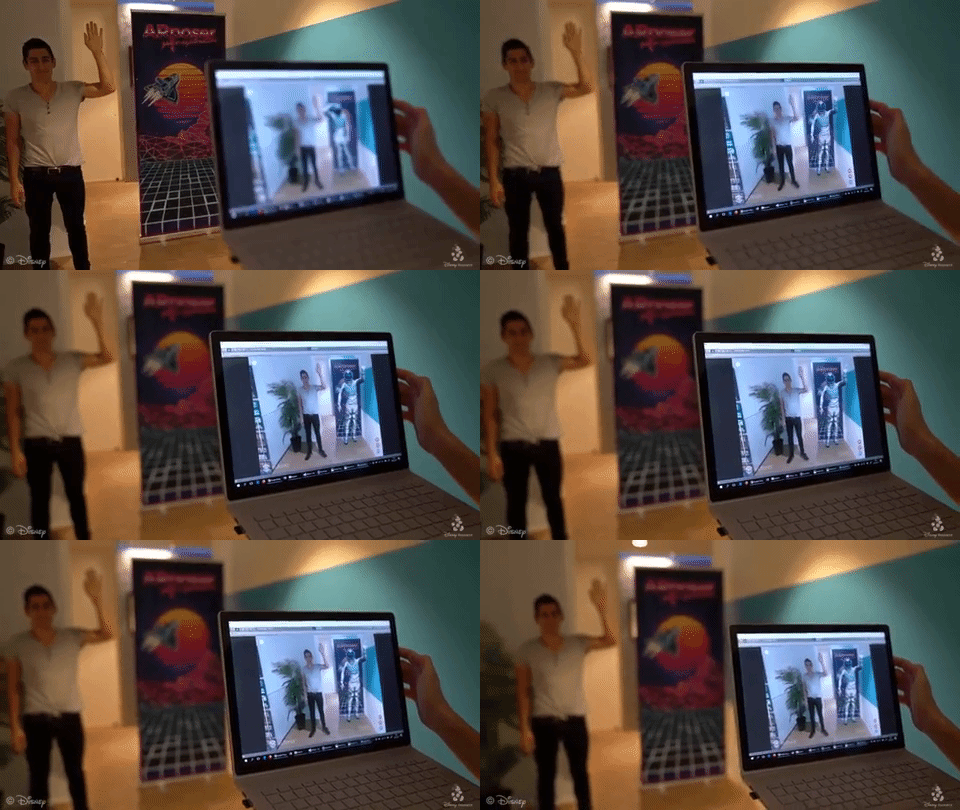 A new augmented reality framework from Disney Research could make it possible for fans to take selfies with an augmented reality Mickey Mouse, Darth Vader, or Iron Man that mimic the user's poses.
Called AR Poser, the prototype experience relies on image recognition to anchor the virtual content and computer vision to identify a person in the scene and estimate the pose. After identifying the person, the application, built with Vuforia's AR platform, then displays a digital avatar with the closest pose match among a set of predefined poses.
The 28-page research publication, co-authored by Robert Sumner, associate director of Disney Research, and fellow researchers Gokçen Çimen, Christoph Maurhofer, and Martin Guay, is available for download from Disney Research's website.
"At the heart of our solution is a set of predefined poses (selfie poses) utilized to reduce ambiguities," wrote the team. "In a nutshell, our method consists of two reliable steps: we first perform 2D pose estimation, and then perform a projection onto the 3D subspace to find the closest matching 3D pose. With our method, we are able to automatically create augmented reality selfies for a variety of different poses."
The solution is not unlike recent research from Facebook's full-body AR camera effects, published earlier this year and slated to arrive soon for the Facebook app.
Applied to film promotion, AR Poser could be integrated into movie posters and make it possible for moviegoers to create personalized selfies with digital characters (as opposed to posing with the cardboard cutouts found in movie theater lobbies, as I've done in the past).
See the full story here: https://next.reality.news/news/disney-research-creates-avatars-can-strike-pose-match-persons-movements-augmented-reality-0186149/
Supermedium scores $1.1M in seed funding for its web-first vision for virtual reality
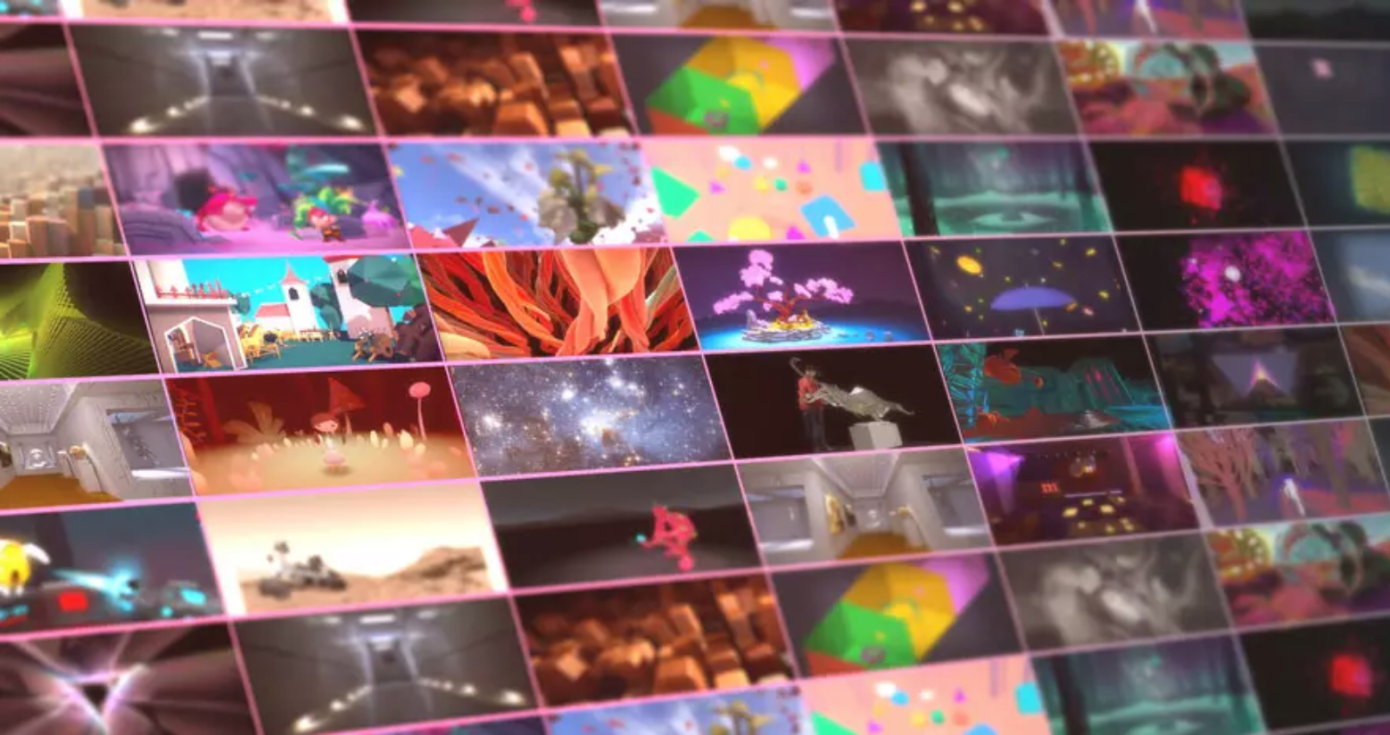 Supermedium, a recent Y Combinator graduate, wants a more open future for virtual reality, one that’s built on the web. The company launched earlier this year and now it’s raising some seed funding as it looks to keep things moving along.
Supermedium was founded by a couple of Mozilla alums that were behind some of the company’s foundational work on the WebVR standard. WebVR has been admittedly slow to catch on as major stakeholders have largely been looking to direct nascent attention toward their sandboxed platforms and stores rather than to something so democratic as a browser that can work with all major headsets.
The process of getting up-and-running in desktop WebVR might just mean navigating to a particular URL and tossing on your headset. It’s really not much more difficult than that, and Mozilla has already introduced some early projects that show just how simple it is. As more and more momentum aligns behind standalone systems, the Supermedium browser exists as a bespoke solution for VR devices that is structured around VR controls in VR environments.
The startup sees the shift to WebVR as an inevitability; now the company says their challenge is staying lean and keeping their noses to the ground in a bid to gather an early passionate base of users that can grow exponentially as more substantial hardware comes to market.
Right now, Supermedium is focusing on higher-end systems like the Rift and HTC Vive that support positional tracking and hand controllers.
Supermedium certainly has some tough challenges ahead as the startup looks to work its way into a tight niche and find ways to promote WebVR development, but the company has some key cross-platform strengths of the web moving with it, which shouldn’t be underestimated.
See the full story here: https://techcrunch.com/2018/07/24/supermedium-scores-1-1m-in-seed-funding-for-its-web-first-vision-for-virtual-reality/
RETINA Are Bringing Augmented Reality To Air Traffic Control Towers
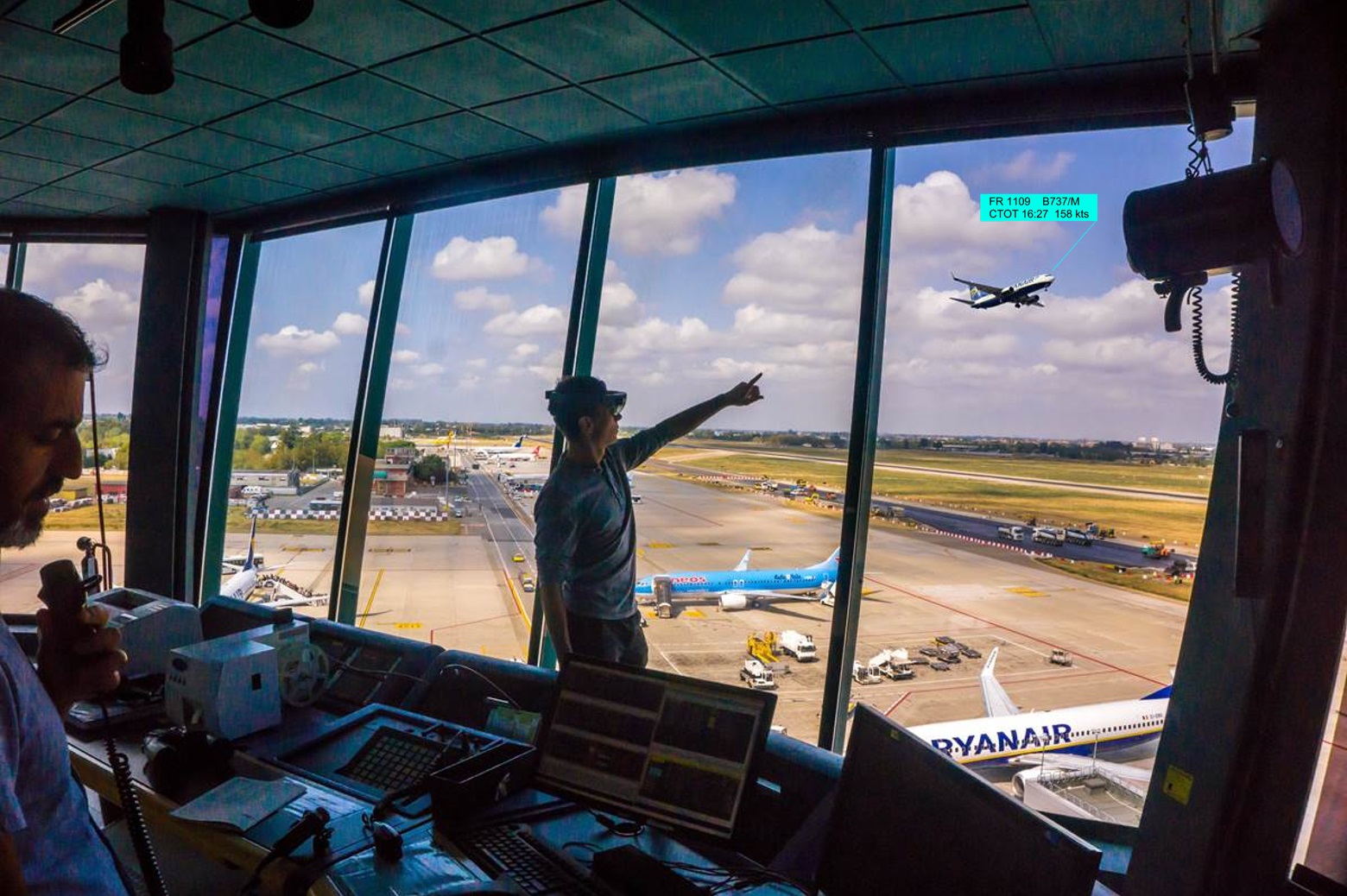 Funded by the European Union, the RETINA project has investigated the potential and applicability of synthetic vision tools along with the use of AR display techniques for air traffic control staff. “Built upon technology developed by the SESAR project, RETINA aimed to enhance sight capabilities and situational awareness of air traffic controllers in control towers, allowing them to better manage traffic especially when bad weather sets in,” Said Professor Sara Bagassi, reports pddnet.
This is handled via head-mounted displays (HMDs) which display over the actual ‘out-of-the-window’ view and leverage the technology to superimpose the required information to the wear all while allowing them to maintain their view of the busy airport environment.
The validation campaign for the project was completed in the VR and Simulation Laboratory at the University of Bologna, Italy.
See the full story here: https://www.vrfocus.com/2018/07/retina-are-bringing-augmented-reality-to-air-traffic-control-towers/
Curious Directive Presents New Augmented Reality Show GASTRONOMIC
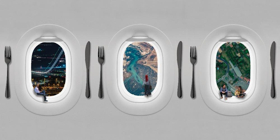 Experimental theatre-makers curious directive's new show, Gastronomic is an Augmented Reality dining experience set on board an Airbus A380. The show places the audience on a long-haul flight where passengers are looked after by three chefs. 40 audience members are treated to a five-course tasting menu, all simultaneously with their own in-flight screen.
As we fly over oceans, deserts and rainforests, food accompanies stories about why and how these chefs came to be here.
The cast includes Janet Etuk (Love, NT), Georgina Strawson (Frogman, curious directive) and Craig Hamilton (Jubilee, Chris Goode & co.) with dramaturgical support from National Theatre Immersive Storytelling Studio and dramaturgie by Stewart Pringle.
See the full story here: https://www.broadwayworld.com/westend/article/Curious-Directive-Presents-New-Augmented-Reality-Show-GASTRONOMIC-20180720