This guppy is more than an AR Tamagotchi — it eats your feelings, too
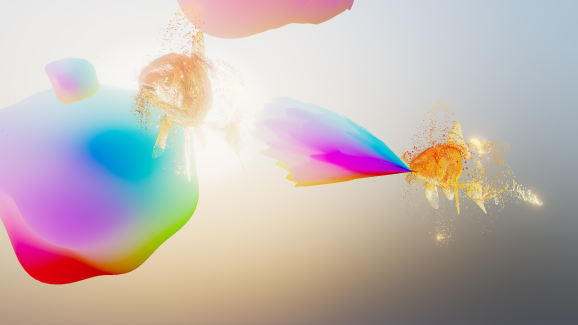 TendAR. The augmented reality mobile game is the latest from indie studio Tender Claws, and it stars an adorable guppy that eats your feelings and craves information from the real world. But it’s much more than just a new take on a Tamagotchi. TendAR will be available in July for Android devices.
TendAR actually starts out as an “emotion fortune-telling app” that you can take to parties and play with other people. You hold your phone up and scan a friend’s face, and the app will detect the emotions in their expression. You then capture these feelings — which appear as colorful blobs — and get a comedic little readout for your trouble.
“As the narrative of the game evolves, you learn that it’s the character, the guppy, that’s an AI algorithm that’s deciphering these emotions behind the scenes,” said Tender Claws cofounder Samantha Gorman in an interview with GamesBeat. “He wants to start coming into your world. He starts to subtly appear in different parts of the game, and then becomes more and more present as the game goes on.”
I got a taste of what it’s like to interact with an AR creature when I tried the demo at the Game Developers Conference in San Francisco last week.
The entire experience wasn’t just me making faces, though. Eventually, the guppy asked me to find interesting objects in the environment to show it. And it was social, as well — I played with another person, and the guppy asked us to sync up our facial expressions as best as we could. It was a very charming demo, especially since it felt like its mechanics were cleverly AR-native rather than just plopping a virtual game world in a real-world space.
Gorman says that TendAR can be an “AR Tamagotchi indefinitely,” but the guppy does have his own narrative arc that evolves over several sessions. At first, he’s not a sentient being, then as you interact more with him, he becomes increasingly curious about the world.
Gorman is the game’s interactive narrative designer, and she works with a writer’s room of six to eight writers including a playwright.
See the full story here: https://venturebeat.com/2018/03/31/this-guppy-is-more-than-an-ar-tamagotchi-it-eats-your-feelings-too/
Magic Leap ships its much anticipated augmented reality device under tight security
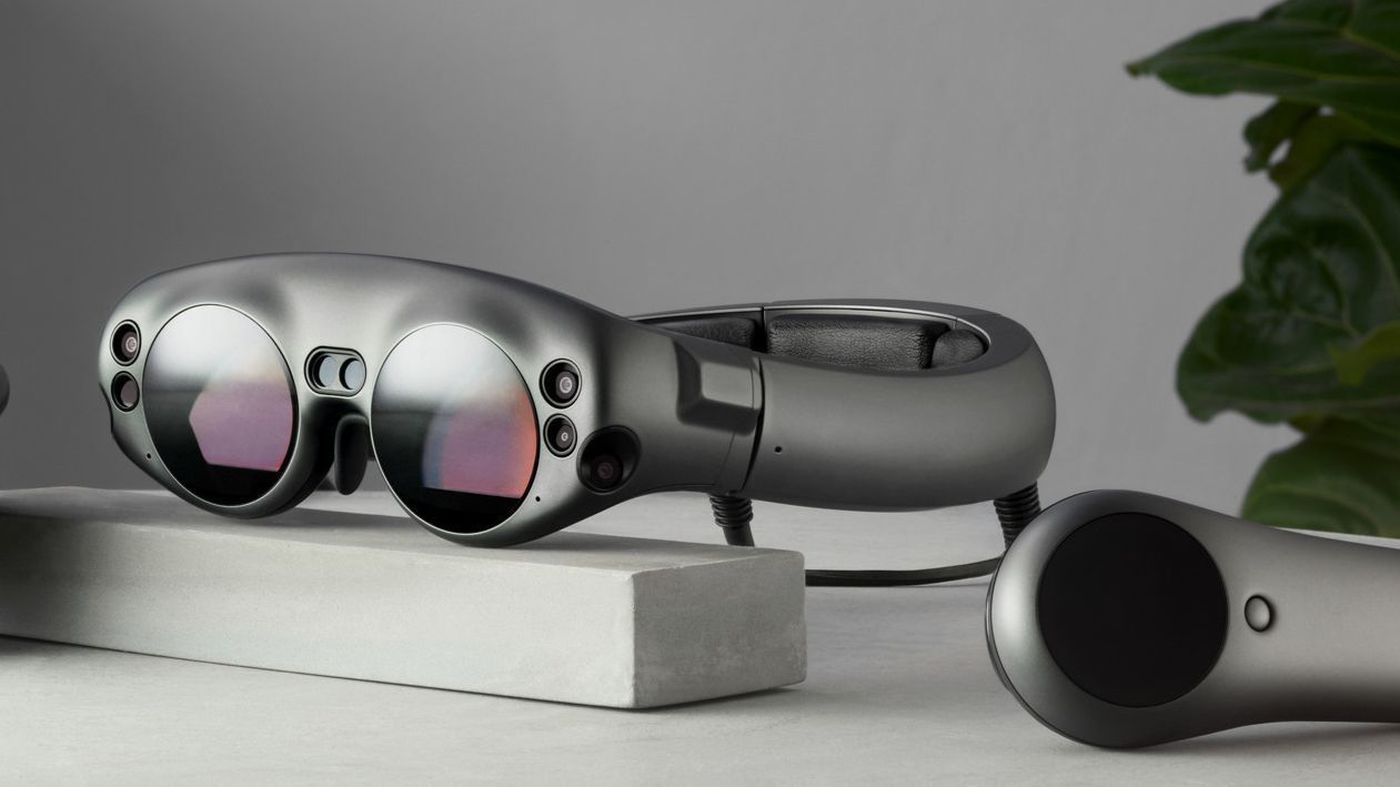
 A small group of software developers recently received devices at their offices, according to people familiar with the matter. But access to the gadget comes with an unusual caveat: They must commit to keeping them in locked safes.
The security requirements associated with being an early user were deemed too burdensome by some developers. At least one company decided it wasn't worth the hassle and declined a test device, said a person familiar with the matter, who asked not to be identified due to Magic Leap's tight information rules.
The biggest difference between Magic Leap's and Microsoft's headsets is the way they create the illusion of depth. Previous iterations of augmented- and virtual-reality headsets do this by showing slightly different versions of an image to each eye.
The Magic Leap One, the name of its initial product, goes an extra step by slightly blurring objects depending on their distance from a user's gaze. This mimics a function of the human eye. If developers take full advantage of this capability, the difference can be as significant as a TV in standard or high-definition, one of the people said.
See the full story here: http://www.latimes.com/business/la-fi-tn-magic-leap-augmented-reality-20180331-story.html
Experiencing Burning Man in Virtual Reality
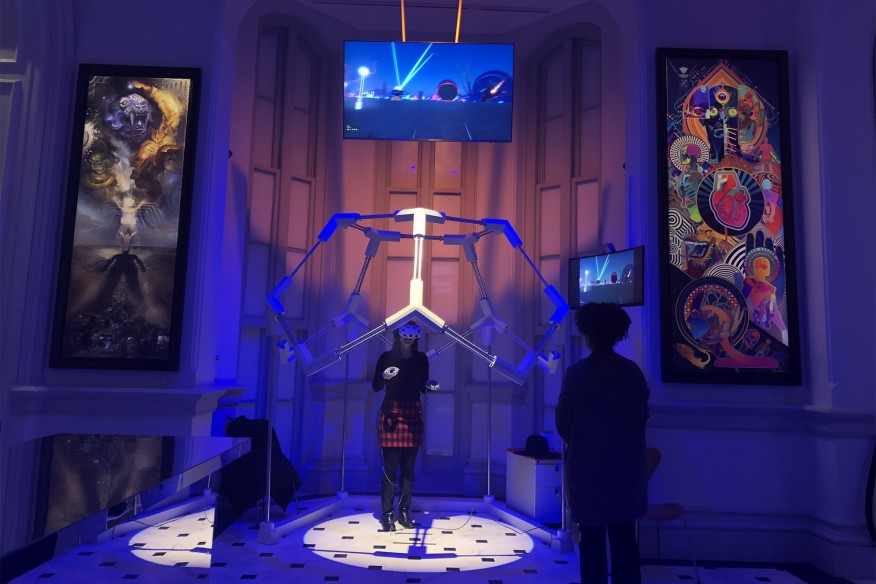 The Smithsonian American Art Museum's Renwick Gallery's latest exhibition, "No Spectators: The Art of Burning Man", is a facility-wide show featuring sculptures, art, photographs, videos, costumes, and jewelry created for the infamous Burning Man festival, which takes place every year in the Black Rock Desert of northwest Nevada. Museum visitors and festival fans wanting a first-hand experience of the gathering need not travel to the Silver State: The virtual reality (VR) Android Jones Deep Playa Experience, by artist Android Jones and his immersive media company, Vision Agency, allows users to "walk" straight onto the desert and "see" what the hype is all about.
Situated on the first floor of the gallery, the two open honeycomb chambers made of aluminum and wood measure approximately 8 feet in height, and provide a defined space for visitors to turn and walk in while interacting with the digital experience.
How did the project come about?
I’ve been going to Burning Man every year since 2003, and the last three or four years we’ve brought 60-foot dome art galleries. The last two years we had a 24-minute, 360-degree show in the dome.
What components of the temporary Burning Man city did you include in the virtual architecture?
Out of respect for the intellectual property of different artists, only a few pieces are direct one-to-one Burning Man pieces, most of which I’ve worked on, such as the Space Whale. I was also part of the team that made Abraxas, the golden dragon art car. A lot of the pieces are homages to things I’ve seen.
What happens after "No Spectators: The Art of Burning Man?" Will the experience be available on other platforms for more people to see?
We are having conversations right now. This is the first time Burning Man organizers have given permission for anyone to make a Burning Man VR experience, so it will be based on [the organizers'] reactions and how people feel about it.
"No Spectators: The Art of Burning Man" is on view at the Smithsonian American Art Museum's Renwick Gallery until Jan. 21, 2019.
See the full story here; http://www.architectmagazine.com/technology/experiencing-burning-man-in-virtual-reality_o
VR Installation of Crossing U.S.-Mexico Border Comes to Nation’s Capital
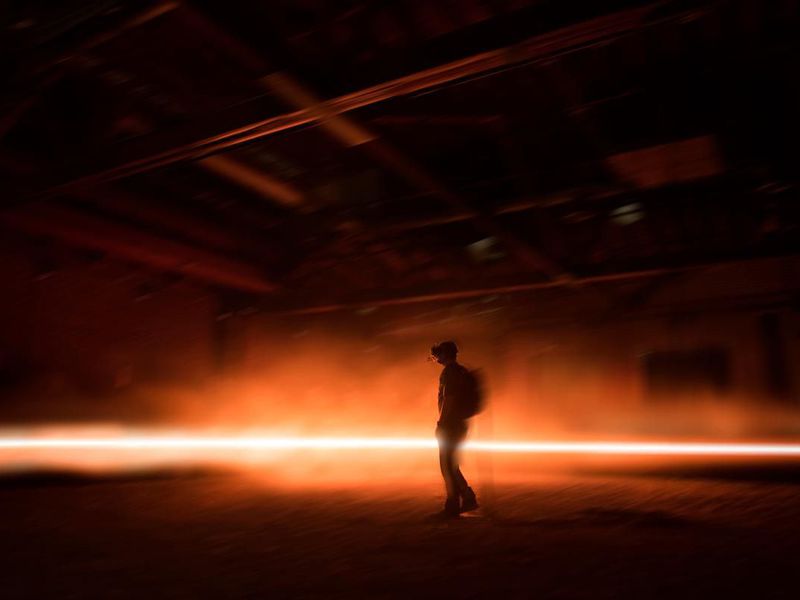 “Carne y Arena,” by Academy Award-winning Mexican filmmaker Alejandro G. Iñárritu, will run in D.C. through August.
The installation is temporarily housed in a Baptist church wrapped in panels reclaimed from a border wall.
The installation is free and open to the public, but registration is required through the project’s website.
See the full story here: https://www.smithsonianmag.com/smart-news/virtual-reality-experience-crossing-us-mexico-border-opens-washington-dc-180968610/
Annual BBC report says the service is struggling to keep up with Netflix and Amazon
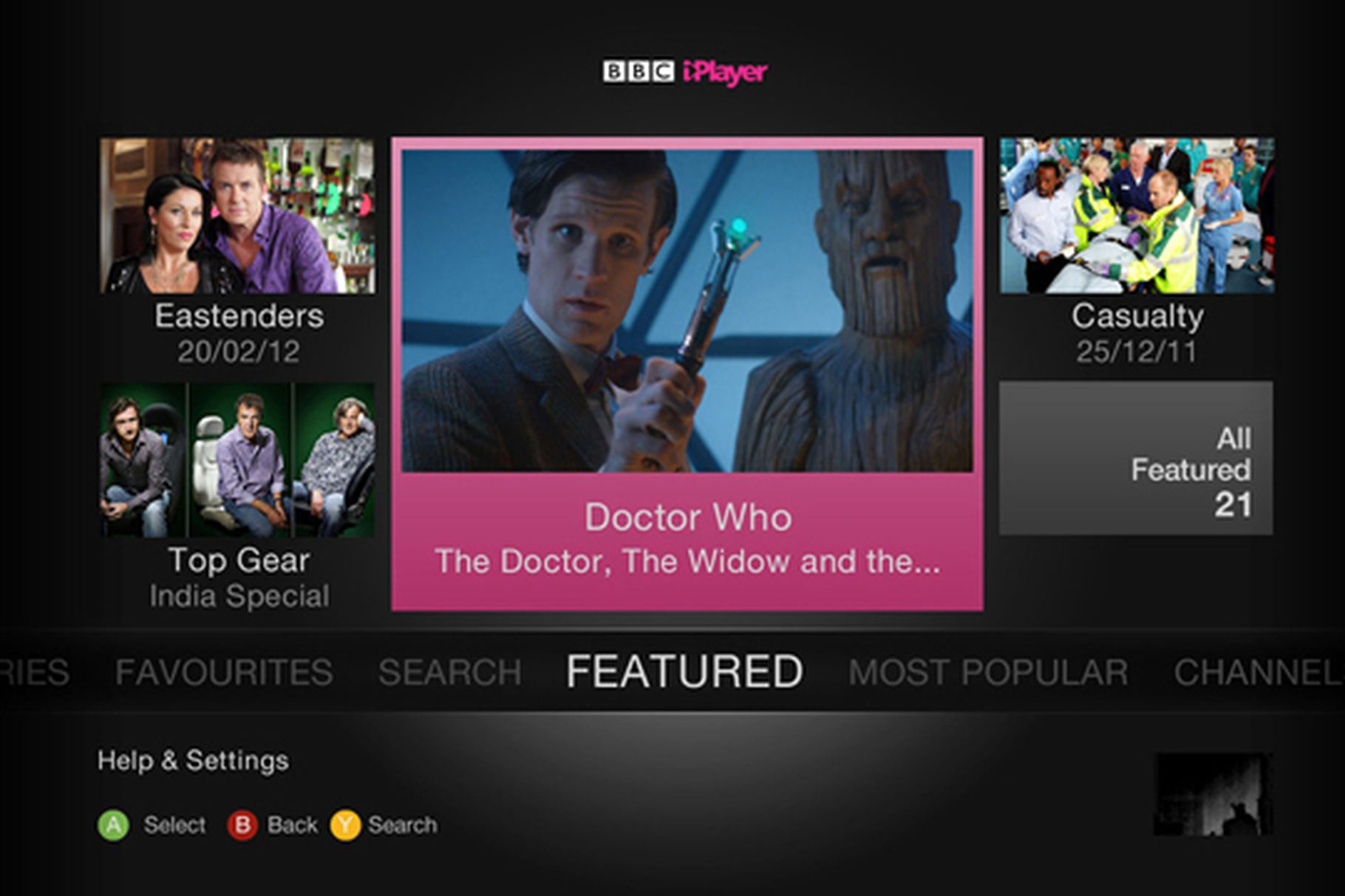 BBC director general Tony Hall says the BBC is going to have to reinvent itself, and that this year, they’ll be working to increase efforts in online video and its iPlayer application, focusing on personalization, UX improvements, and more content. The companion radio application will also receive some upgrades, which will include a “growing range of podcasts.” The report notes that iPlayer will need to be more than just a place for people to catch up on something they missed live: it needs to be a destination for viewers and listeners.
The report concludes with a stark plea: there is only so much that the BBC can achieve with cutting costs, and if it wants to remain competitive in a marketplace dominated by US streaming companies, it will need new revenue to survive.
See the full story here: https://www.theverge.com/2018/3/28/17173218/bbc-annual-report-budget-amazon-netflix
Disney’s ultra-realistic Millennium Falcon flight simulator will need 8 GPUs to run
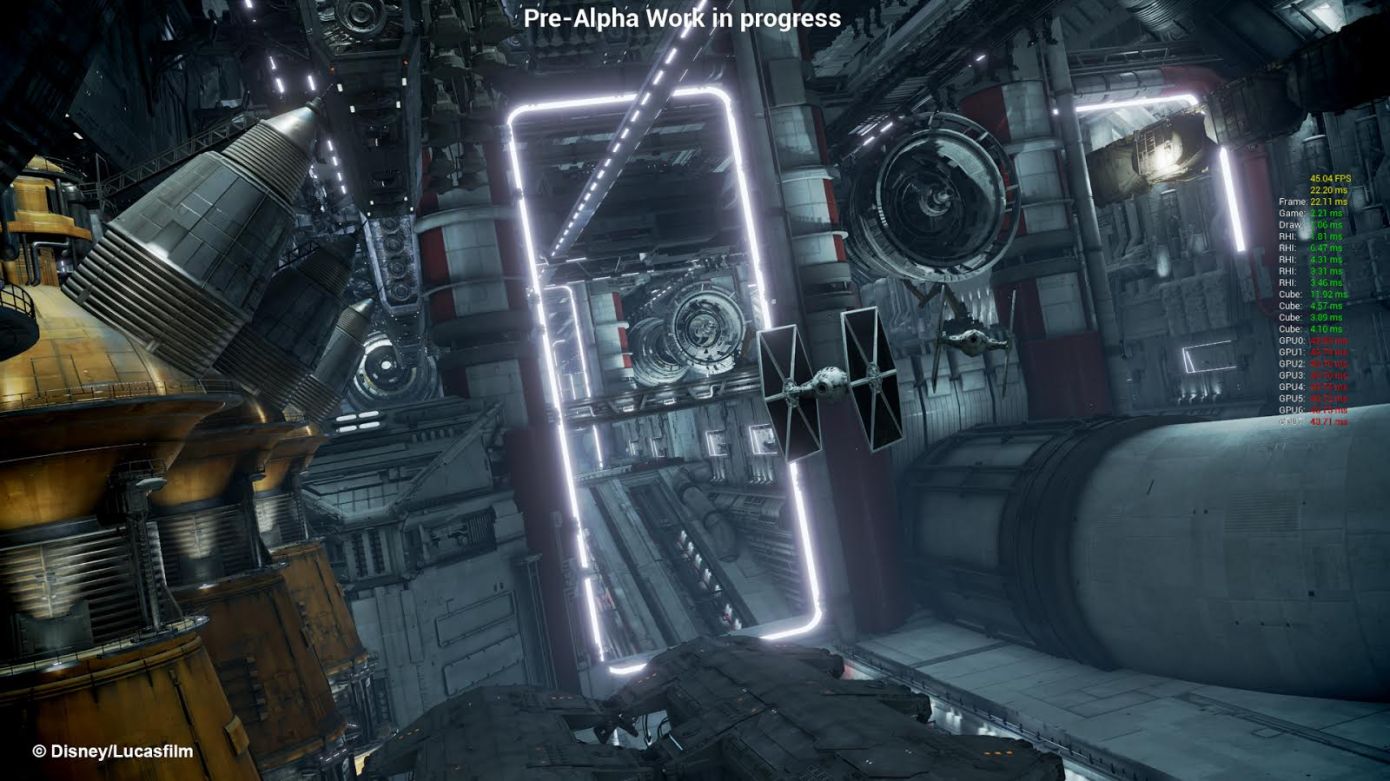 Disney is building a real-time, ultra-high-res flight simulator for the Millennium Falcon and they’re powering it with eight daisy-chained high-end Nvidia GPUs.
Each and every implementation of the sim will be powered by a Boxx workstation running eight Nvidia Quadro P6000 GPUs connected via Quadro SLI, so this definitely won’t be something available to consumers. Disney had to build multi-GPU workflows, which they helped Epic Games integrate into the company’s Unreal Engine which will continue to use that code moving forward.
This whole experience will be just one part of Star Wars: Galaxy’s Edge, a new section of Disneyland Park at the Disneyland Resort in California and Disney’s Hollywood Studios at Walt Disney World in Florida, which will encapsulate a lot of the nerd canon of the Star Wars universe into awesome experiences that take Disney’s theme parks and resorts to new technical ends.
See the full story here: https://techcrunch.com/2018/03/29/disneys-ultra-realistic-millennium-falcon-flight-simulator-will-need-8-gpus-to-run/
The immersive audio you’ve never heard that could revolutionize virtual reality
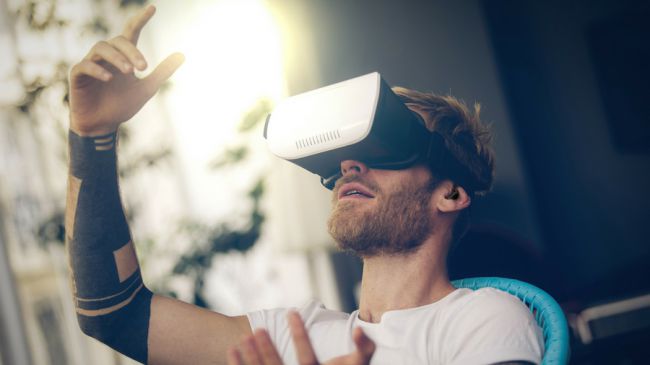 Built around a 360-degree sphere, so-called immersive or spatial audio tech is being designed by the likes of Dirac, DTS, Dolby and THX primarily for virtual reality (VR) headsets, but who can ignore the world’s 2.5 billion smartphones? The race is on to produce the definitive format for 3D audio.
Designed primarily for VR, but also for mobile devices, immersive audio has three parts to it.
The first is channels...
The second part of immersive audio is ambisonics.
“Ambisonics are spherical sounds that are captured using specific microphones that capture sound pressures coming from every direction,”...
The third part of immersive audio is audio objects.
An audio object is a mono track accompanied by metadata that specifies the exact position of that sound....
See the full story here: https://www.techradar.com/news/the-immersive-audio-youve-never-heard-that-could-revolutionize-virtual-reality
How an L.A. Hospital Is Using Virtual Reality to Prep Staff for High-Stress Scenarios
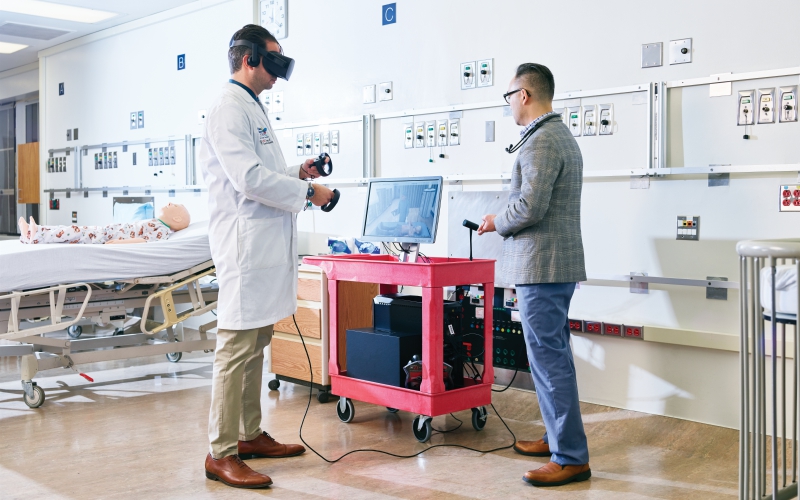 I’m in the Culver City offices of BioflightVR, testing a virtual reality simulation that Children’s Hospital Los Angeles relies on to help train doctors.
In my case, the effect is the opposite: The ordeal has made my heart race and my palms sweat, but that’s sort of the point, says company president and CEO Randy Osborn, who’s talking me through the simulation (“You win,” he laughs after guiding me to the right meds to save our patient). Unlike medical training with mannequins—the method of choice to practice for pediatric emergencies of this sort—the immersive nature of VR intensifies the experience. Even if the animation isn’t always Pixar-worthy, you’re pulled into the scene, owing to what designers call “psychological fidelity.” They want medical residents to feel stress, but not so much that it’s incapacitating.
See the full story here: http://www.lamag.com/mag-features/childrens-hospital-los-angeles-vr/