Blocker is a Revolutionary AR Application for Filmmakers
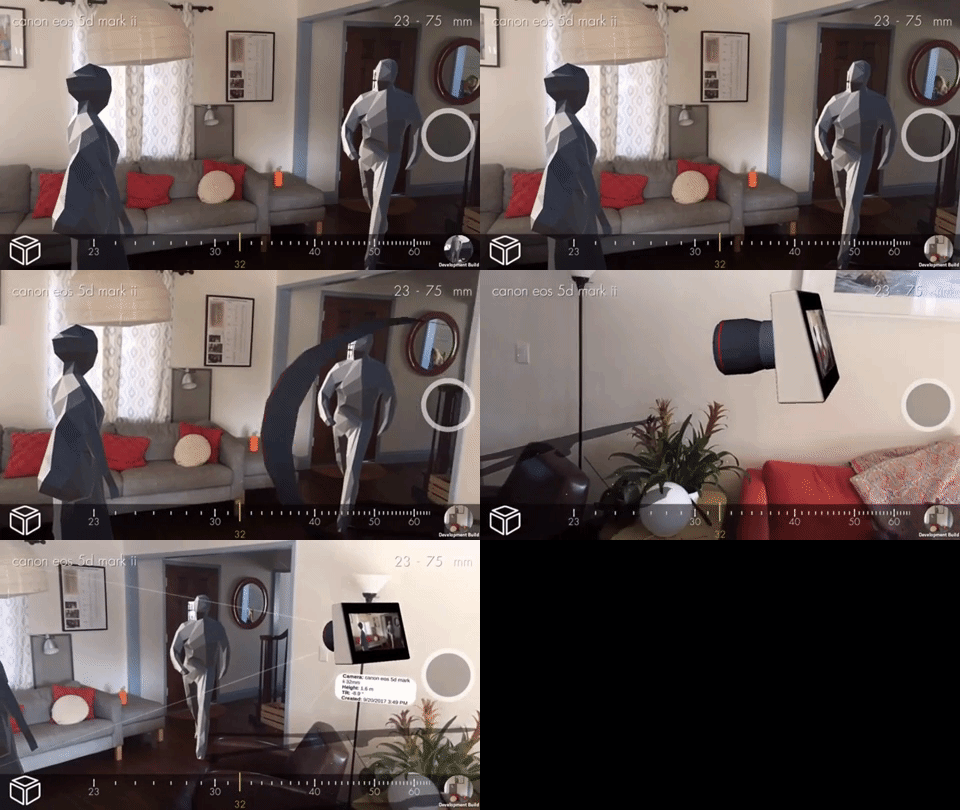
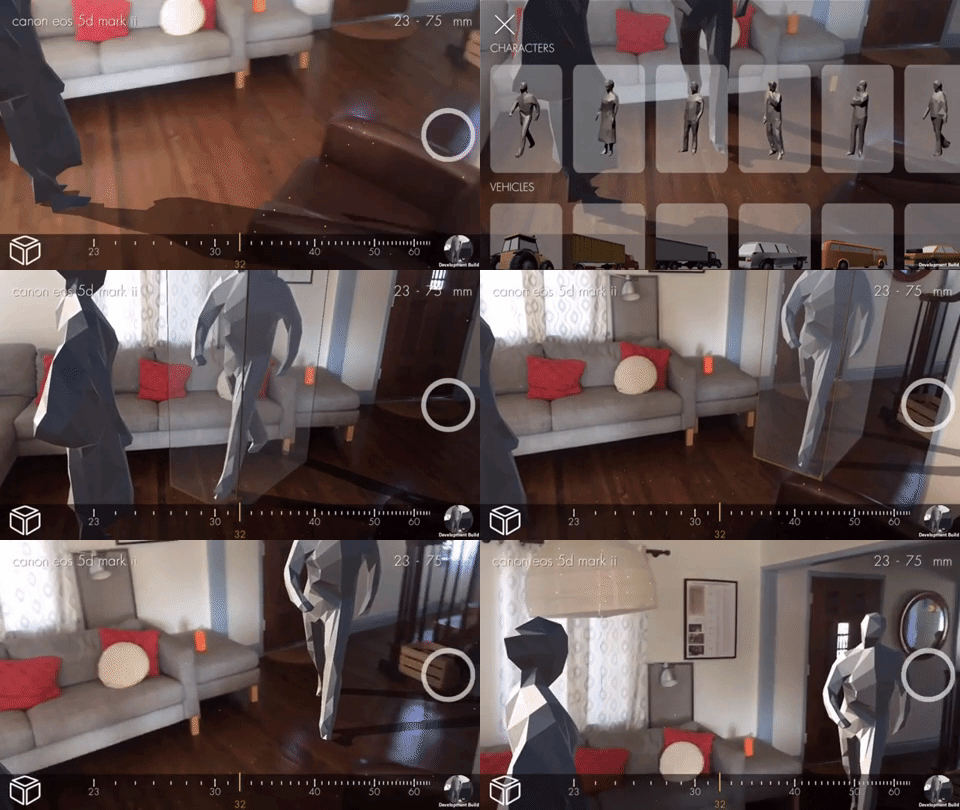
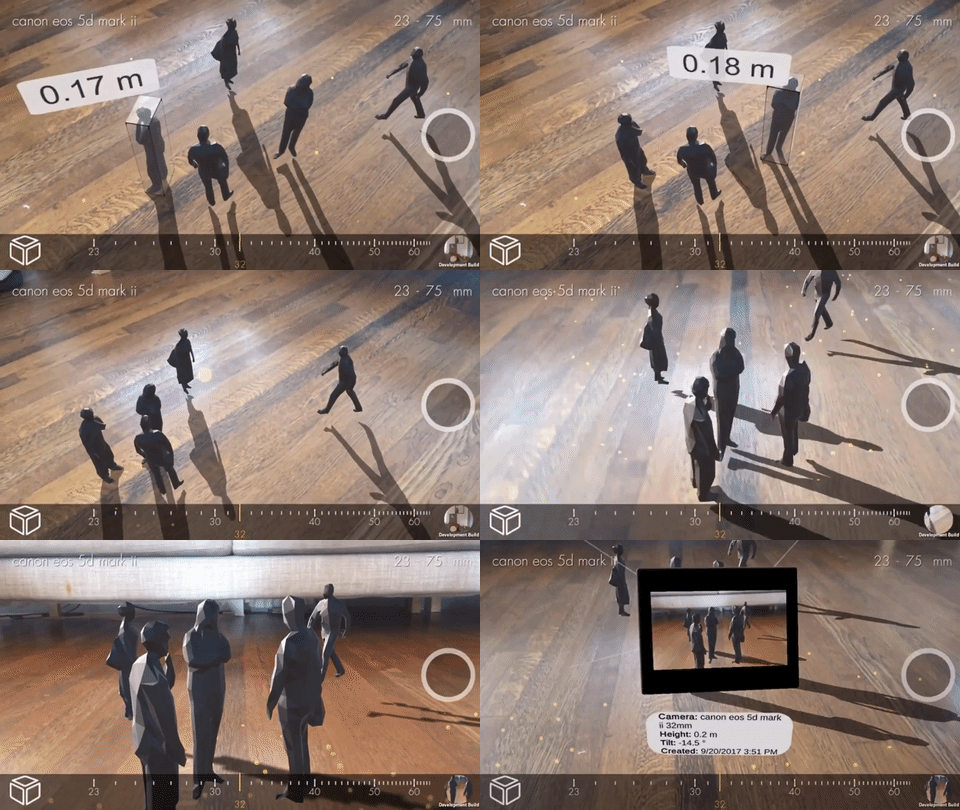 Blocker sets its sights on cinema, letting creatives worldwide optimize the filmmaking process by harnessing the power of mixed reality for conception, composition, and collaboration.
“Our goal is to pull storyboarding and shot blocking into the real world, so that it’s intuitive and expressive,” said Jesse Vander Does, the Director of Technology at AfterNow, the company behind the application, in a statement.
If AfterNow sounds familiar to you, it’s probably from the the line-around-the-building Mixed Reality Easter Egg Hunt the company put on at VRLA.
Of course, this tool provides viewfinder and storyboarding features through the camera, but the functionality of Blocker extend beyond basic recording of the world around you. Creators can augment their scenes with 3D models that allow them to actually see what the blocking of a given scene might look like—down to a surprising degree of detail.
As you can see in the image above, the app includes presets for cameras (400, to be precise) to let creators replicate the end result as closely as possible. This is an especially useful tool for directors wanting to block out their scenes without involving crew-members who don’t necessarily need to be there otherwise.
What’s more, the app includes a physical model of the sun to let creators simulate shadows and color—providing invaluable help in grasping what the basic lighting needs of a scene will be during production.
These stills can be sequenced into storyboards for export to any existing workflow—including all the important information in each, such as camera and lens type.
Blocker is now available for download on the Apple App Store for iPhone 6S and newer running iOS 11.
See the full story here: https://vrscout.com/news/blocker-ar-app-filmmakers-afternow/
Advancing Immersive Computing with Intel’s Virtual Reality Center for Excellence
 Intel is investing in the future of immersive computing through their Virtual Reality Center for Excellence. They’re pushing the boundaries of high-end of VR gaming experiences, pursuing initiatives to help VR reach critical mass, and exploring how RealSense depth sensor cameras and WiGig wireless technologies fit into the VR ecosystem. I was able to demo an early prototype demo of an HTC Vive game rendered on a PC and transferred wirelessly to a mobile headset, and it’s part of a research project to search for additional market opportunities for how high-end PCs could drive immersive experiences.
I was able to sit down with the Kim Pallister, the director of Intel’s VR Center for Excellence to talk about their various initiatives to advance immersive computing, their WiGig wireless technology, RealSense and Project Alloy, and some of the experiential differences between their lower-end and higher-end CPUs.
No Mercy / No Malice: The Worm Has Turned
 For the past decade, the loudest arguments waged regarding the Four(Amazon, Apple, Facebook, and Google) were about which CEO was more Jesus-like or should run for president. These platforms brought down autocrats, were going to cure death and put a man on Mars, because they are just so awesome. Media outlets were coopted into serving as the investors relations departments of the Four while drinking up the biggest lie in modern business — “Information wants to be free.” They let big tech crawl, parse, and resell their IP, catalyzing an extraordinary transfer in wealth from the creators to the platforms.
The biggest opportunity for the Four
The Four could pull off one of the greatest moments in business, addressing a huge social issue while disrupting an enormous, wildly profitable sector that hasn’t innovated in decades. One or more of the Four should launch a tuition-free university that blends offline and online learning, and charges firms to recruit. Student debt and corporate profits are at an all-time high, meaning we need to flip the model — charge firms, not students, for education.
See the full story here: https://www.l2inc.com/daily-insights/no-mercy-no-malice/the-worm-has-turned
Virtual reality technology could be a powerful tool in diagnosing social anxiety disorder
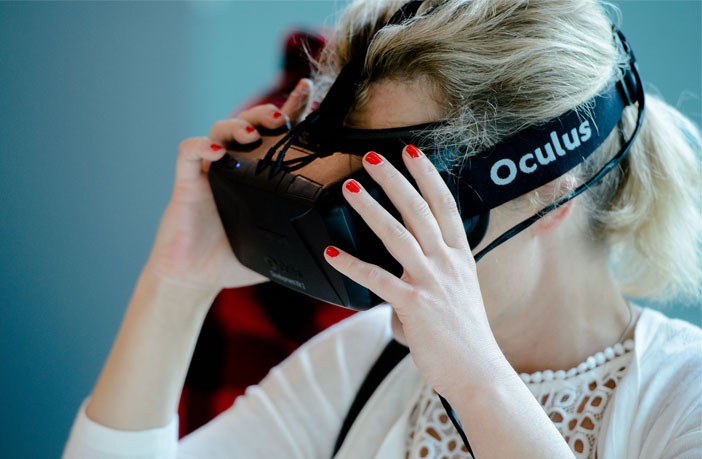 This is one of the first studies that used VR as a possible diagnostic tool (in this case for social fear),” explained study author Youssef Shiban of the University of Regensburg.
“Once validated in other studies, this could open new doors for us as therapists and researchers, as we can use behavioral and psychophysiological data to better diagnose.
The study of 19 low- and 18 high-socially-anxious participants used two different virtual social environments. One environment involved the participant obtaining a train ticket. The second virtually recreated the waiting room of a doctor’s office.
The researchers monitored the participants’ eye movements and skin conductance while they navigated the virtual worlds — but only observed a higher skin conductance response in high-anxious participants in the train scenario. However, they observed that in both virtual environments the high-anxious group concentrated their gaze for a significantly shorter time on the faces of the avatars.
Previous research has found that anxious individuals are quick to gaze at potentially threatening stimuli but subsequently avert their eyes, which serves as a defensive reaction to reduce anxiety.
The study, “Potential Of Virtual Reality As A Diagnostic Tool For Social Anxiety: A Pilot Study“, was also co-authored by Martin Dechant, Sabine Trimpl, Christian Wolff, Andreas Mühlberger.
See the full story here: http://www.psypost.org/2017/09/virtual-reality-technology-powerful-tool-diagnosing-social-anxiety-disorder-49717
Sony Says It’s “Not Entirely Comfortable” Leading Virtual Reality Market
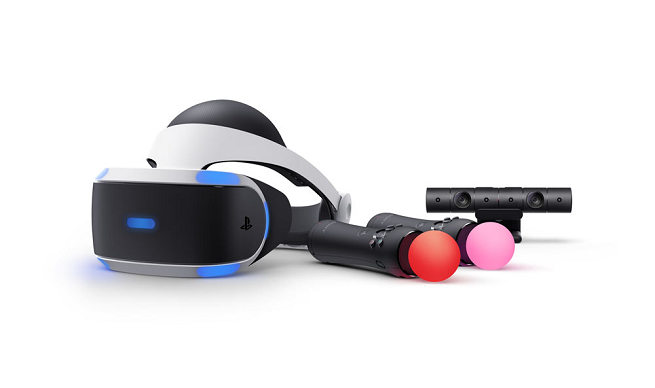 House went on to say that Sony would actually prefer that other companies were performing better than they currently are, saying that it would bode better for both Sony and the entire VR market in general.
“With such a brand new category you want a variety of platforms all doing well to create that rising tide and create the audience,” House said.
According to data pulled from the International Data Corporation that backed up the claim of Sony’s dominance, the VR market has grown since last year with Sony leading its competitors in sales. Samsung actually boasted the largest share in the VR department ahead of Sony during Q2, but Sony is still beating those companies that compete directly against it such as Facebook with their Oculus Rift and HTC with the Vive.
See the full story here: http://comicbook.com/gaming/2017/09/24/sony-not-comfortable-leading-virtual-reality-market/
Israeli Startup Augmedics Lands $8.3M for Augmented Reality Glasses for Spinal Surgery
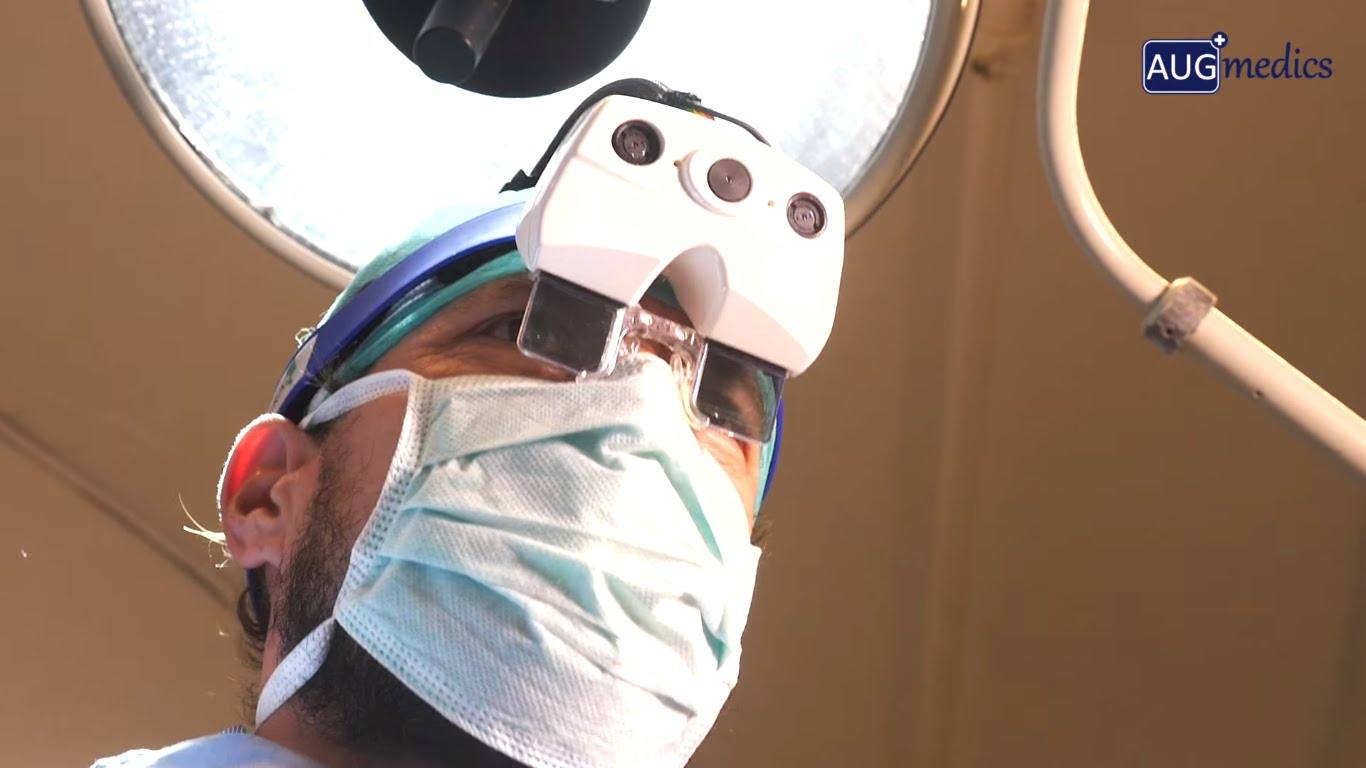 Augmedics, a Yokneam, Israel-based developer of an augmented-reality (AR) surgical visualization system has raised $8.3M in Series A funding led by AO Invest, Israeli Innovation Authority, Terra Venture Partners and other undisclosed investors. The company plans to utilize the latest round of funding accelerate research and development as well as pre-clinical and clinical trials of its ViZOR System. In addition, the company plans to establish strategic distribution partnerships, and seek 510(k) clearance for The ViZOR from the FDA.
The company’s ViZOR System is an augmented reality surgical visualization solution designed to allow surgeons to see inside a patient’s anatomy during complex procedures. First intended for use in minimally invasive spinal surgery, The ViZOR can help improve procedures by allowing surgeons to see the patient’s spine through skin and tissue, as if they had X-ray vision, eliminating some of the limitations of minimally invasive spine surgery.
In the future, the ViZOR System will leverage various sensors to collect big surgical data to process and analyze using deep learning algorithms. Ultimately, it will also make suggestions, provide alerts, and perform other surgical assistance during the procedure. The technology was designed to save time during surgery, reduce radiation exposure and reduce the number of unnecessary repeat operations and hospitalizations.
See the full story here: http://hitconsultant.net/2017/09/22/augmedics-series-a-funding/
Now you can watch the Mets lose with augmented reality
 The high-tech initiative, run in conjunction with MLB Advanced Media, will begin with each fan coming to Citi Field Monday through Wednesday getting a baseball card-sized AR card featuring images of the Mets’ iconic Home Run Apple.
Using their smartphone to scan this image through the “AR” button in the MLB’s Ballpark App will bring the Home Run Apple to life.
This AR animation will then segue into a highlight reel of Mets home runs from the 2017 season.
See the full story here: http://nypost.com/2017/09/22/now-you-can-watch-the-mets-lose-with-augmented-reality/
Botnets of Things
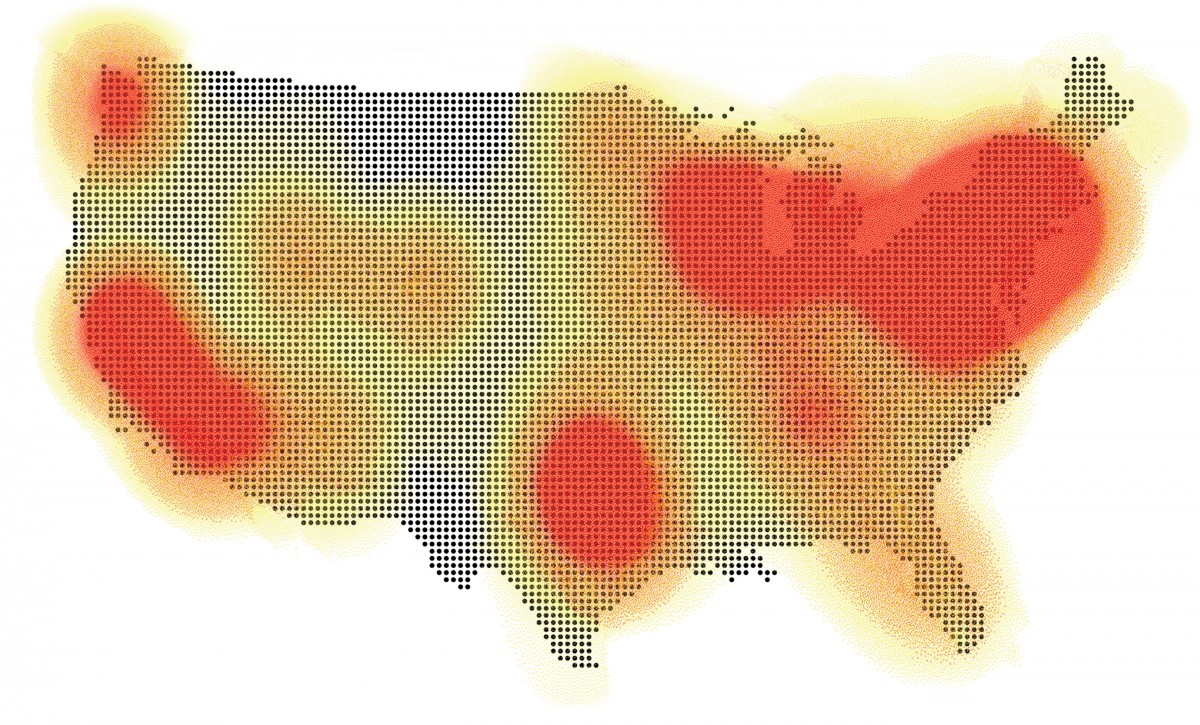 The best defense would be for everything online to run only secure software, so botnets couldn’t be created in the first place. This isn’t going to happen anytime soon. Internet of things devices are not designed with security in mind and often have no way of being patched. The things that have become part of Mirai botnets, for example, will be vulnerable until their owners throw them away. Botnets will get larger and more powerful simply because the number of vulnerable devices will go up by orders of magnitude over the next few years.
Botnets are used to commit click fraud.
Similarly, botnets can be used to evade spam filters, which work partly by knowing which computers are sending millions of e-mails. They can speed up password guessing to break into online accounts, mine bitcoins, and do anything else that requires a large network of computers. This is why botnets are big businesses. Criminal organizations rent time on them.
But the botnet activities that most often make headlines are denial-of-service attacks. Political groups use them to silence websites they don’t like.
But overall, the trends favor the attacker. Expect more attacks like the one against Dyn in the coming year.
Bruce Schneier, chief technology officer at IBM Resilient, is the author of 13 books on cryptography and data security.
Photo courtesy Intel Intel Scraps Plans to Launch Project Alloy Reference Headset, Pursuing Other VR R&D
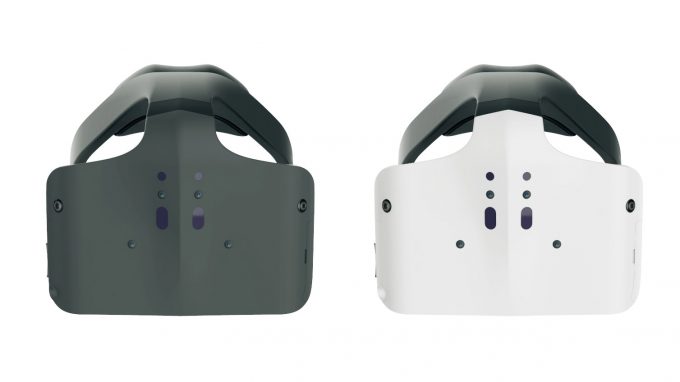 Intel is scrapping plans to launch the Project Alloy headset as an open reference design, citing lack of partner interest.
Intel has made the decision to wind down its Project Alloy reference design, however we will continue to invest in the development of technologies to power next-generation AR/VR experiences. This includes: Movidius for visual processing, Intel® RealSense™ depth sensing and six degrees of freedom (6DoF) solutions, and other enabling technologies including Intel® WiGig, Thunderbolt™, and Intel® Optane™. All of these Intel technology solutions are supported by a robust portfolio of software capabilities, and we’re building out a VR support ecosystem, from software design kits to reference designs, to spur innovation that’s enabling rich and immersive content. Project Alloy served as a great proof of concept for Intel and the industry – showing what’s possible in a high-performance, immersive and untethered VR experience. What we’ve learned through Project Alloy will inform future efforts.
Another complicating factor could be that a number of potential partners had already committed resources to building headsets based on Microsoft’s Windows VR reference design—major PC players Dell, HP, Lenovo, Acer, and Asus are all launching Windows VR headsets in Q4, the same timeframe in which Project Alloy was initially slated to launch as an open reference design.
Though they’re backing away from Project Alloy, Intel insists they’re full steam ahead on various VR and AR R&D, including the WiGig-based wireless VR system the company is working on with HTC, and other projects such as the proof-of-concept PC-to-phone streaming system that we saw recently. The company is also supporting VR content development and VR eSports initiatives.
Stunning ‘Field of Light’ Surrounds Iconic Australian Rock
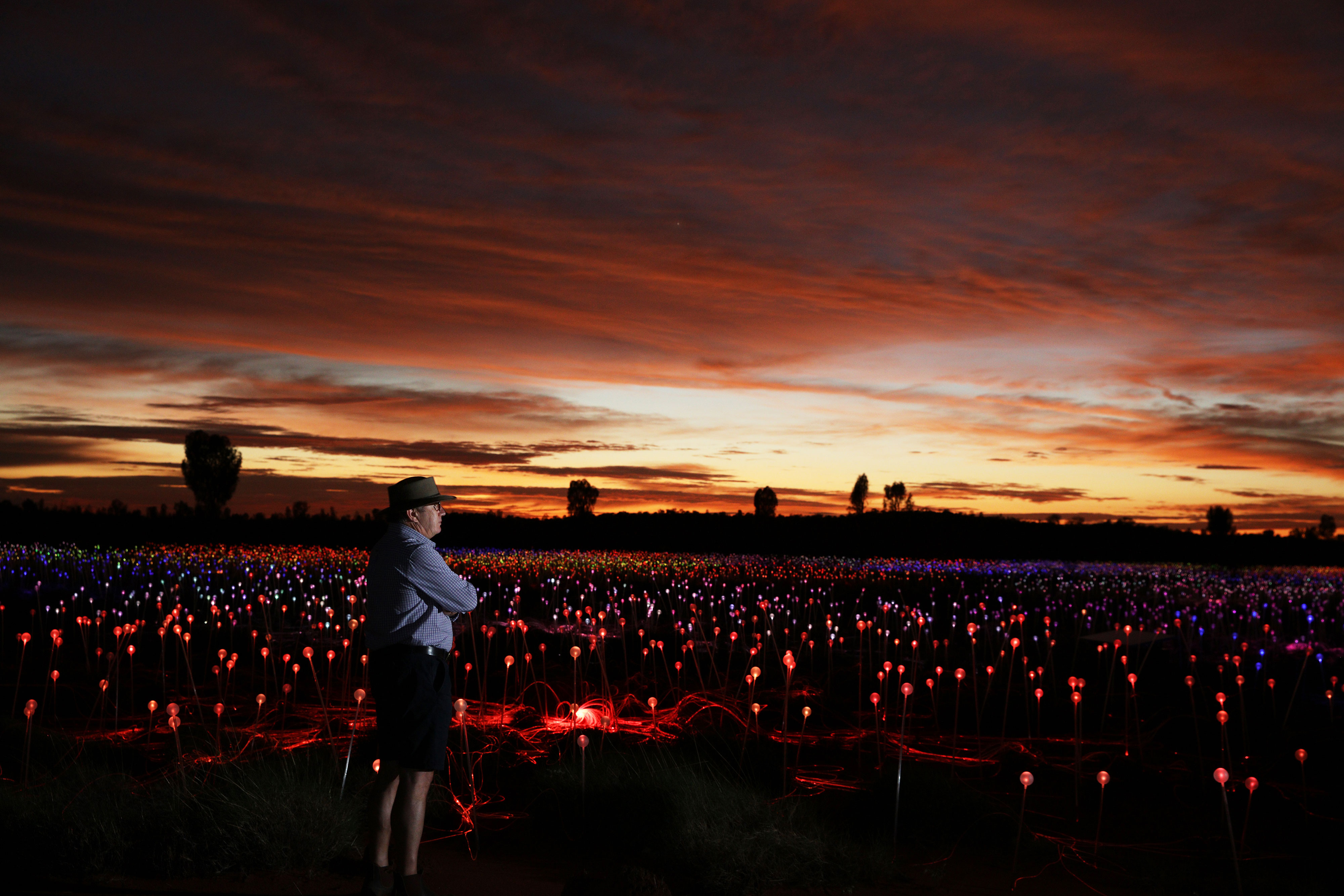

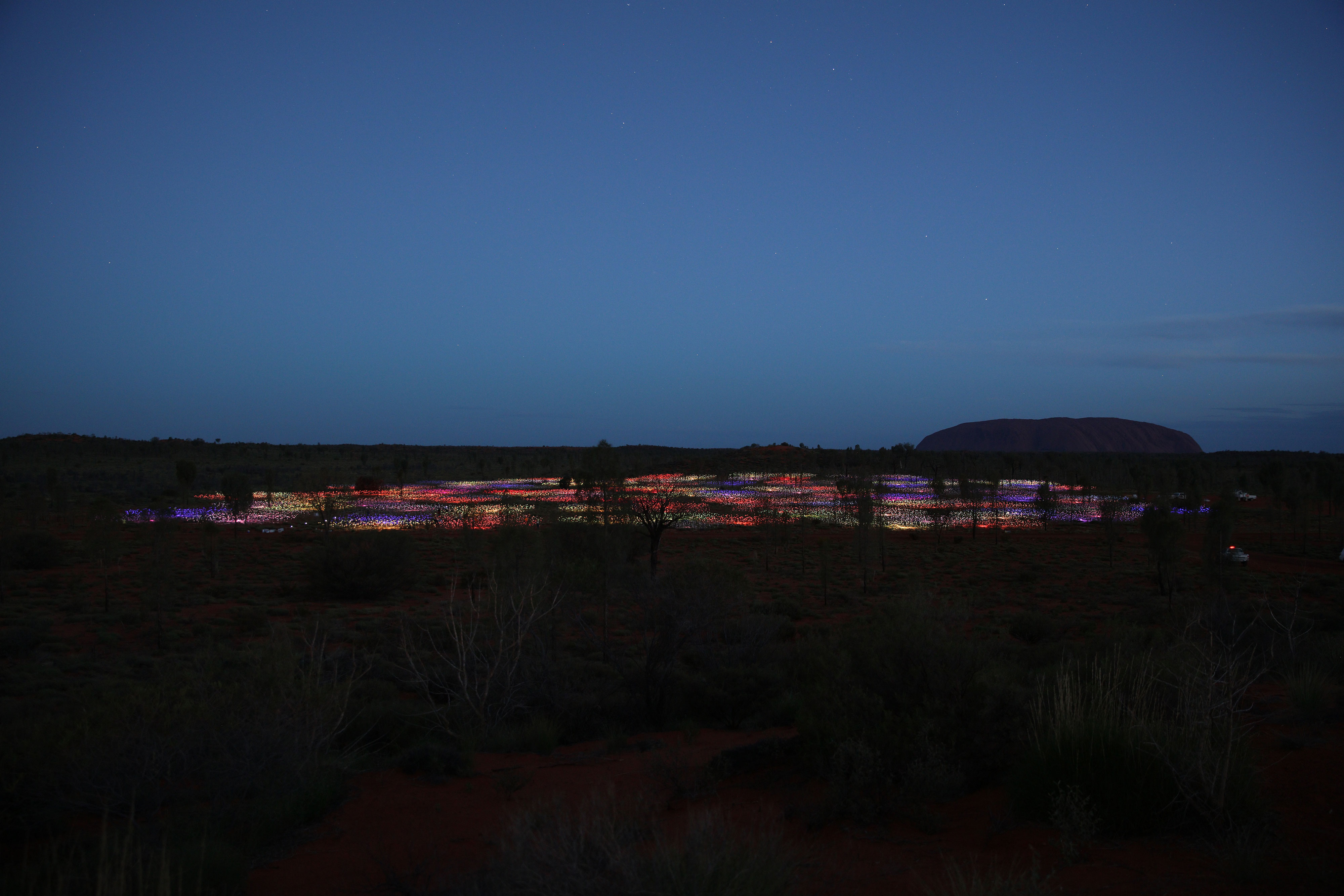 If you visit Australia's iconic Uluru rock after dusk in the next few months, you'll see the iconic sandstone formation surrounded by a stunning "field of lights." The nighttime art installation, which is on view until March 31, 2018, is the work of Bruce Munro, reports Jim Byers of National Geographic, a British artist who has long used light to create large works that sparkle and shimmer around the world.
More than a decade later, Munro created the first forms of "Field of Light" in his backyard in Wiltshire, England. The installation then traveled to the United Kingdom and North America, evolving based on the physical landscape of each location. Fittingly, last March, the largest and most remote staging of "Field of Light" yet arrived in Australia, according to the Guardian.
The year-long installation near Uluru features more than 50,000 delicate glass stems topped with frosted glass spheres that coat acres of the desert floor, with lights inside them coming to life as the Sun sets.
More than just a beautiful piece of work, the installation is also environmentally friendly, Byers of National Geographic notes. The whole show runs on solar power, and the 236 miles of optical fiber that illuminate it will be recycled after the display ends in March.
See the full story here: http://www.smithsonianmag.com/smart-news/field-light-surrounds-iconic-australian-rock-180964906/