Apple’s ARKit and The Future of Augmented Reality
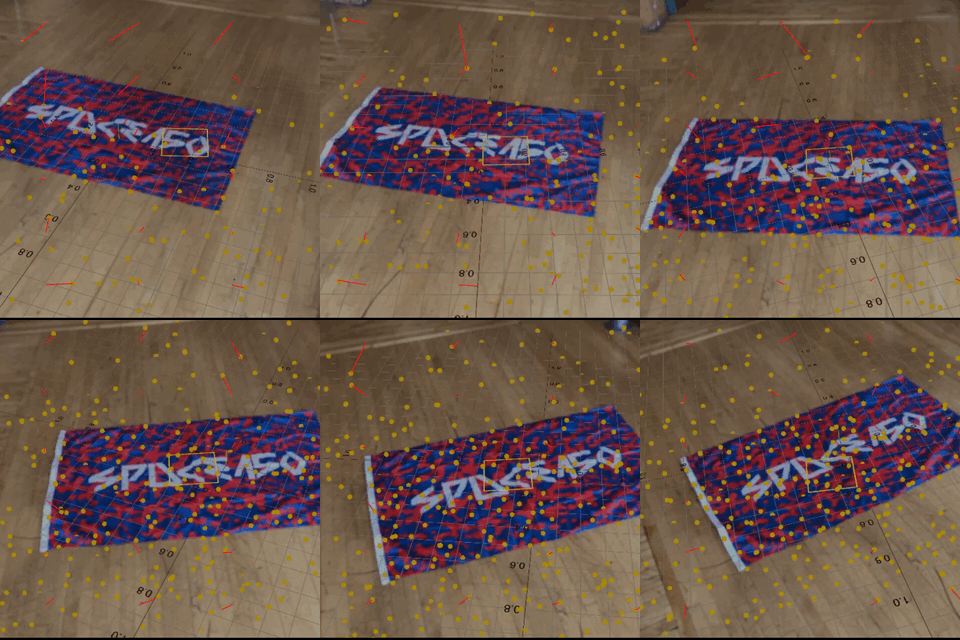 Facebook is also embracing AR, but they don’t own the mobile platforms (iOS / Android), so they are limited by what iOS and Android allow them to do. The camera effects and social aspect of their tools will make it a player with consumers, but we haven’t seen consumers adopt the camera tools for Facebook to date. That said, Facebook has some amazing technologists at work on this, and we should see more this year.
See the full story here: https://www.space150.com/the-future-of-augmented-reality/
5 Reasons Why UX Is Important For AR & VR
 What’s UX and how it affects site designs?
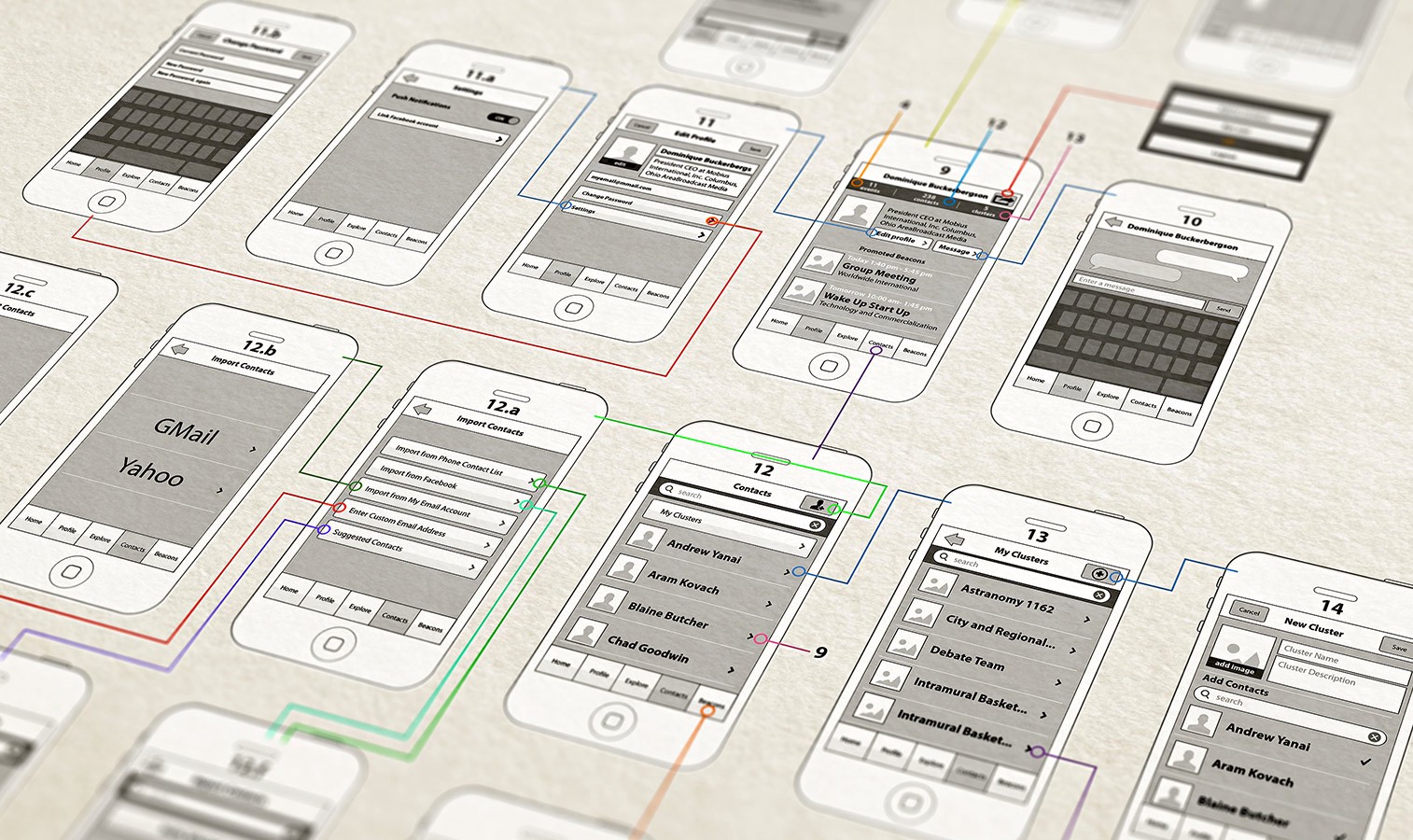
Smooth and hassle-free navigation is the key
Integrating UX into the future ‘reality
1 – Mobile app development
These concepts and innovations seem to be interdependent where VR and AR technologies are helping designers create real-world experiences
2 – Immersive experience
Users are always looking for something different,.... There’s been a paradigm shift, where UX determines the performance or appeal of an AR or VR device.
3 – Developing the design ecosystem
Virtual Reality devices such as the Oculus Rift is no less than innovation. ... it’s none other than UX helping you out.
4 – Action automation
Personal interactions seem to be of paramount significance, and it’s a lot about how users interact with a particular app or game.
5 – Intuitive and Interactive
Last, but certainly not the least, UX designing brings along the element of intuitiveness and interactive behavior.
See the full story here: https://www.goodworklabs.com/5-reasons-why-ux-is-important-for-ar-vr/
Virtual Reality Reaches The Big Leagues With Intel
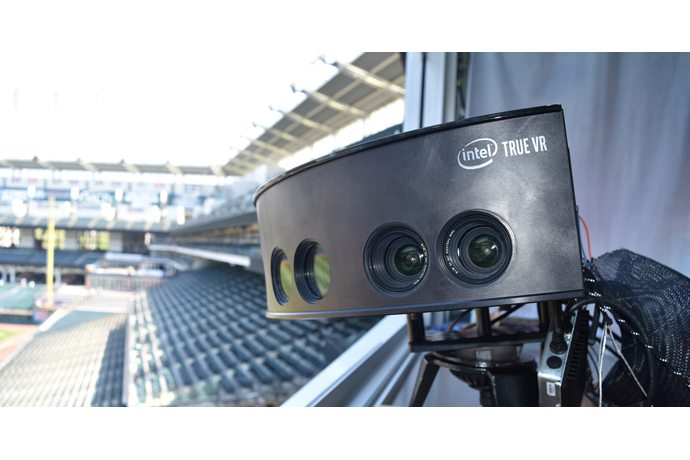 Beginning during the 2017 MLB regular season, Intel True VR is livestreaming one MLB game every Tuesday. Available via the Intel True VR app, the technology uses multiple panoramic, stereoscopic camera pods to create a more natural, realistic and immersive view that brings MLB fans closer to the action. (Credit: Intel Corporation)
Only a few dozen ticket holders in Queens could see under the dugout overhang, but anyone from Hoboken to Hong Kong could witness the same ritual and feel like they, too, were mere feet away. This otherwise hidden moment became an accessible experience through Major League Baseball’s new, weekly virtual reality broadcast powered by Intel True VR.
For this baseball game, the 11th Intel has produced in VR in addition to NCAA tournament games and The Players Championship golf event, the dugout camera was one of five installed with four stereoscopic panoramic units in the sport’s classic high-home placement providing an overheard view of the entire field, down the first-base line, in the right-field corner and a low-home view thanks to a camera box embedded into the backstop. Viewers at home could opt to watch a director-led “VR-Cast” that resembled traditional television game watching or choose a particular viewpoint for as much of the action as they like. The user can become his or her own cameraman.
See the full story here: https://www.sporttechie.com/virtual-reality-mlb-intel/
New Virtual, Augmented Reality Lab to Prepare Students for Technology Jobs
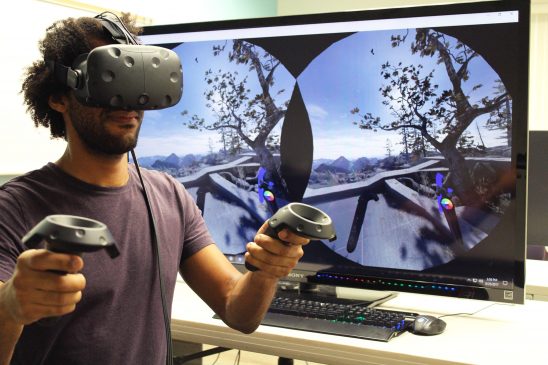 The University of Central Florida’s new virtual- and augmented-reality lab that will open Tuesday is designed to give hands-on experience for students to better prepare them for high-tech jobs in the field.
The Interactive Computing Experiences Virtual Reality Lab, located in the Barbara Ying Center on UCF’s main campus, provides the space and the same cutting-edge technology used in industry so that anyone at UCF can develop projects using virtual and augmented reality, and at the same time contribute to advancing the technology forward.
Orlando recently ranked as the ninth-best city beyond Silicon Valley for getting software jobs, according to Glassdoor’s 2017 study of high-tech job growth.
Equipped with five virtual-reality stations and one augmented-reality station, the lab will be open around the clock to allow students and their team members to work on their projects.
See the full story here: https://today.ucf.edu/new-virtual-augmented-reality-lab-prepare-students-technology-jobs/
EON Reality plans $50m investment for Lagos
 Lagos—Governor Akinwunmi Ambode of Lagos State, will between today and tomorrow receive the executives of EON Reality Incorporated in Lagos as the global leader in Virtual Reality is set to collaborate with the state to establish the second African institution in Nigeria. The first one was located in South Africa.
Lagos State has been identified as potential host of IDC hub for West Africa region to benefit from the EON’s $50 million investment. The technology is already shaping knowledge transfer in education, industry and edutainment and clearly essential to future of development across the world.
30 forward-thinking governments, academic institutions, and corporations in France, South Africa, China, United Kingdom, United States, India, Singapore, and other locations have already joined the EON Human 2.0 initiative that targets to empower 3.8 Billion people to grow beyond current human constraints, democratize access to knowledge and create new smart jobs of the future.
See the full story here: https://www.vanguardngr.com/2017/08/eon-reality-plans-50m-investment-lagos-2/
Isobar Creates VR Emotional Measurement Platform
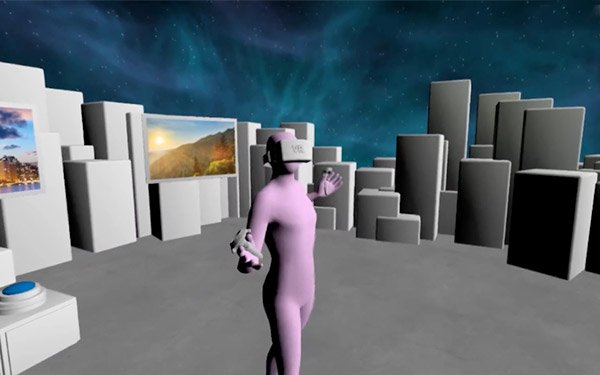 Working with the MIT Media Lab, Isobar developed a way to understand emotional states created by virtual, augmented and mixed reality experiences.
Isobar’s new emotional tracking system uses eye tracking, electroencephalography (EEG), galvanic skin response, EKG and facial electromyography (EMG).
“The issue is for us to understand emotions enough to tell when a person is open to a transaction,” said Meeker. “This is about brand commerce. It’s all about measuring content in 3D spaces.
The goal is to measure the emotions of individuals as they go through a VR experience to validate that a campaign is eliciting the desired responses.
Testing is pretty straightforward, as about 15 people get wired and go through a VR experience of fewer than 10 minutes.
The results can be viewed remotely, and the person viewing the results can go into the VR application to replay and see where the emotional states are and when they change.
See the full story here: https://www.mediapost.com/publications/article/306233/isobar-creates-vr-emotional-measurement-platform.html
HBR – A Survey of 19 Countries Shows How Generations X, Y, and Z Are — and Aren’t — Different
 Relying on Technology

When we asked which technologies are likely to revolutionize work in the coming decade, we learned that Gen Z was most enthusiastic about the potential of virtual reality (VR). This was stronger in certain countries such as Mexico and Singapore and weaker in countries such as India. Gen Y professionals also saw VR as the technology most likely to revolutionize their work in the coming decade, putting it ahead of wearable technology, project management, and audio/video conferencing. Companies may want to consider virtual reality as a tool for recruiting these cohorts.
Gen X, on the other hand, believed virtual reality technologies would have a low impact on their work. They had the most enthusiasm for project management tools, with certain countries, such as Germany, Japan, and Russia, also expressing excitement about cloud computing and e-learning tools.
We also asked whether respondents saw technology as helpful to or hindering their work lives. More older professionals considered technology a hindrance in Britain, Sweden, and Norway. Technology was most viewed as helpful by Gen Xers in Denmark, Sweden, and Mexico. Among Gen Y, respondents in Mexico, Sweden, and Germany perceived technology most favorably. And Gen Z students in Germany, Japan, and Mexico also saw technology as useful, while those in China, the U.S., and Canada were more likely to view technology as a hindrance to their work.
See the full story here: https://hbr.org/2017/08/a-survey-of-19-countries-shows-how-generations-x-y-and-z-are-and-arent-different