AltspaceVR is Closing Down
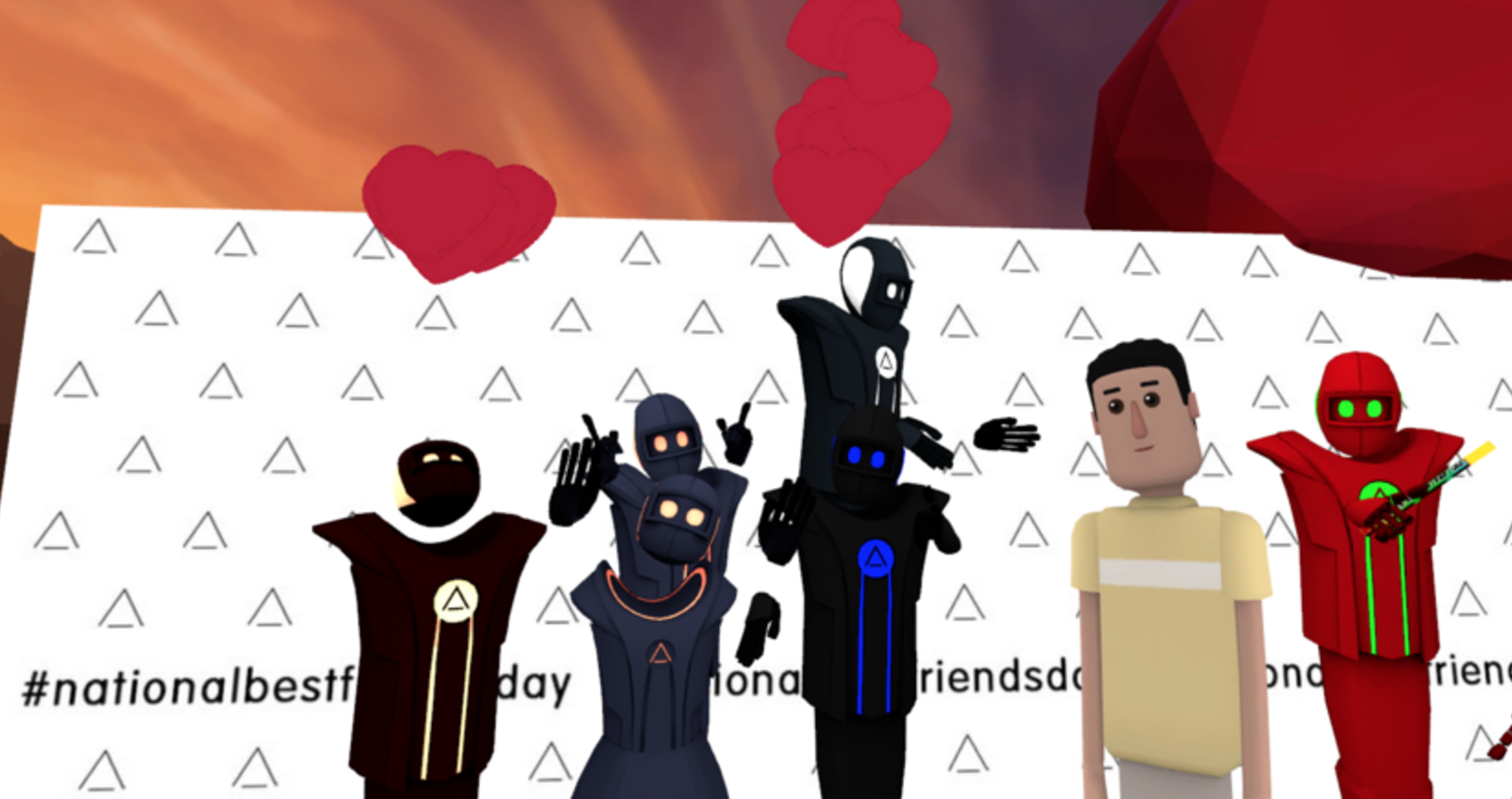
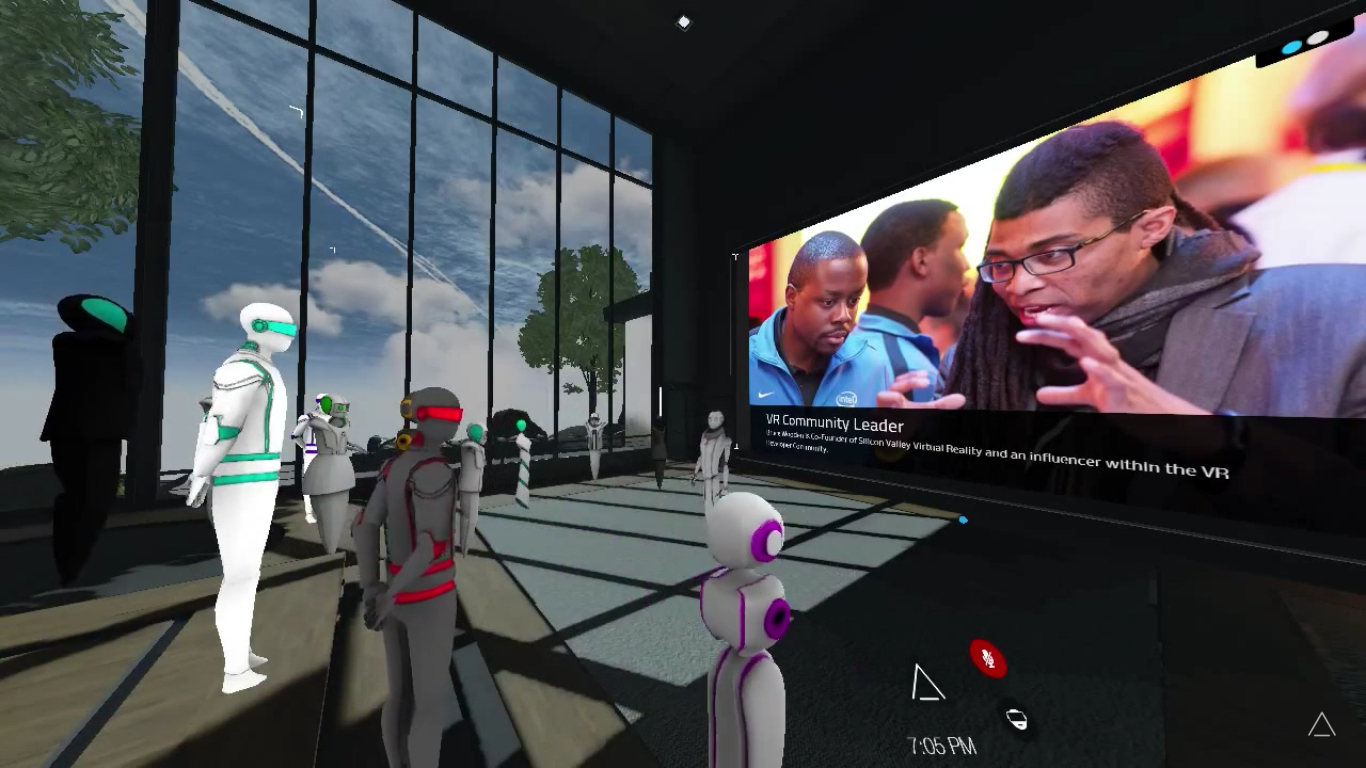 In an statement delivered earlier this evening, it was announced that AltspaceVR is closing down due to “unforeseen financial difficulty” related to their upcoming round of funding falling through.
AltspaceVR will officially close on August 3rd from 5-7pm, and the team advised all enthusiasts to make sure to meet up with friends before the shutdown. They also explained that all users’ photos and friends lists can be saved at: https://account.altvr.com/
See the full story here: https://vrscout.com/news/altspacevr-is-closing-down/?utm_content=buffer9adb5&utm_medium=social&utm_source=linkedin.com&utm_campaign=buffer
HTC Vive Reveal First Standalone VR Headset
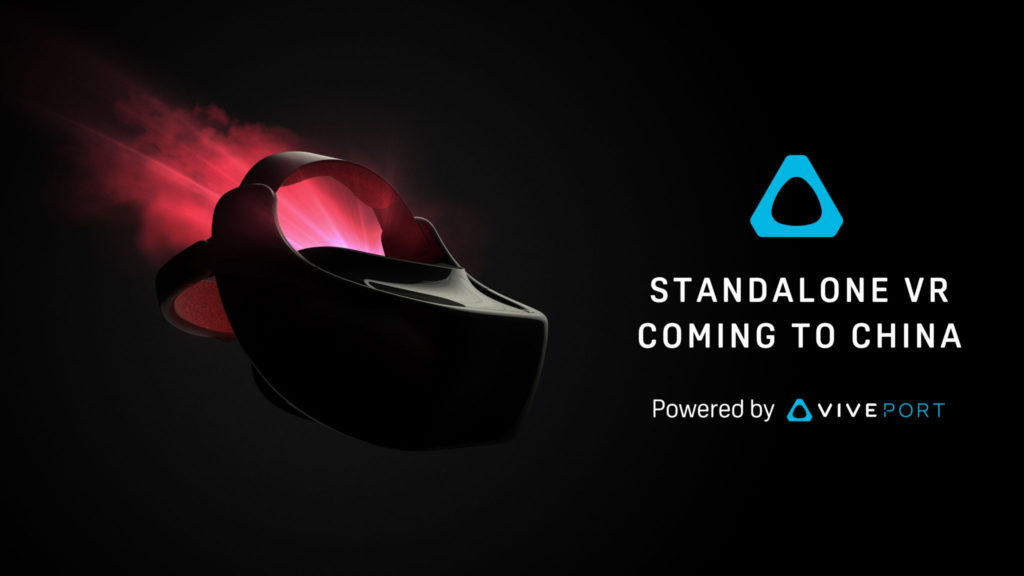
Qualcomm will be powering HTC Vive’s all-in-one VR headset, but only for the Chinese market currently.
Without the requirement for an external PC or smartphone to operate, the Vive Standalone will utilise advanced features of the Qualcomm Snapdragon 835 mobile VR platform designed to support built-in VR functionality and allow developers to more rapidly release compelling content.
“China is the leading mobile market in the world today, and has the momentum to lead the global VR market as well,” said Alvin W. Graylin, China Regional President of Vive, HTC. “Partnering with Qualcomm to deliver an easy to use and more affordable Vive VR system will enable us to make premium standalone VR widely accessible to the masses in China.”
See the full story here: https://www.vrfocus.com/2017/07/htc-vive-reveal-first-standalone-vr-headset/
Presence Capital Has Made 33 VR and AR Investments in Less Than 2 Years
 Presence Capital — one of the earliest venture capital firms to focus on virtual reality and augmented reality startups — is today announcing that it has made 33 investments.
That’s a lot of investments for a fund that was announced in December 2015. Presence Capital has invested in Baobab Studios, Bigscreen, Harmonix, Nomadic, Meta, Resolution Games, Scope AR, Strivr, TheWaveVR, and Visbit. While Facebook bought Oculus in 2014, Presence Capital contends that its was the first VC fund to focus on VR/AR. Six of its investments are in game companies.
See the full story here: https://uploadvr.com/presence-capital-made-33-vr-ar-investments-less-2-years/
Facebook has acquired a content rights startup called Source3 to help fight video pirates
 Facebook has had a lot of issues with pirated content in the past, and it has been two years since the company first announced “Rights Manager,” technology to detect and remove video clips shared by people who don’t have rights to the video. YouTube offers something similar, though more advanced, called Content ID.
In April, Facebook added another option for rights holders: Leave the content up, and make money off the views that these pirates are generating for you.
Given the acquisition of Source3, it’s clear that Facebook hasn’t yet perfected its rights management technology. The company would ultimately like to be home to lots of professionally produced video, which is why it’s paying publishers and movie studios to make videos exclusively for the social network.
Update: This isn’t the first time Source3’s founders, Patrick Sullivan and Ben Cockerham have sold a content rights startup. They sold their previous company — RightsFlow, which focused on music IP — to Google back in 2011.
See the full story here: https://www.recode.net/2017/7/24/16021448/facebook-acquisition-source3-video-rights-management-ip
An Oral History of the Funniest Podcast Ever
 Comedy Bang! Bang! is the rare comedy podcast that’s actually funny. That’s because instead of talking about comedy, Aukerman and his guests—typically one celebrity appearing as him or herself and one or more comedians playing outrageous characters—actually do comedy on the show. Specifically, they do the type of long-form improv made popular by the Upright Citizens Brigade theater in an audio medium that allows listeners’ imaginations to take over, leading to blissfully surreal and demented scenarios to unfold week after week.
See the full story here: http://www.thedailybeast.com/comedy-bang-bang-500-episode-milestone-funniest-podcast-scott-aukerman?curator=MediaREDEF
Wi-Fi could protect you from getting lost in virtual reality
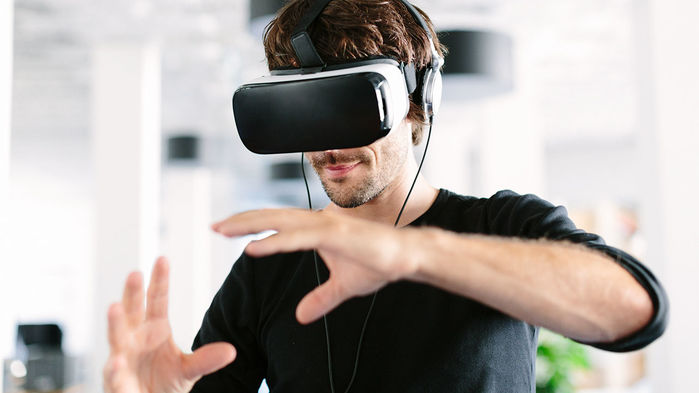 Their solution, which they call WiCapture, requires two parts: a standard Wi-Fi chip, such as the one you might find in your phone, and at least two Wi-Fi “access points,” which are transmitters such as the ones found in home routers. Communication between the chip and a transmitter comes in high-frequency radio waves. In order to track a Wi-Fi signal source with millimeter-level accuracy, one needs to measure the time it takes a signal to travel from the chip to the transmitter with picosecond-level accuracy. However, the chip and transmitter have different clocks, and no two clocks in Wi-Fi devices are perfectly synchronized.
To get around this problem the researchers took advantage of the fact that signals reach the transmitter through many paths. Some radio waves travel directly to the receiver to create the main signal, whereas others bounce off walls to create echoes. Kotaru wrote an algorithm that looks at signals from two different paths, identified by triangulating among the transmitter’s multiple antennas. Those signals will be equally affected by clock asynchrony, so the algorithm can just compare their relative change as the chip moves and ignore the drift of the clocks’ timing. Still, this method measures distance to only one transmitter; using two or more transmitters in combination allows the algorithm to use triangulation to track motion in two dimensions. (The researchers will eventually expand WiCapture to track motion in three dimensions.)
He notes that 1 centimeter is not a high enough accuracy for head tracking, but would work for hand tracking. In a fighting game, “I’m not sure I’m going to do any small delicate movements with a sword.”
The authors acknowledge that WiCapture still has a slower reaction time and lower accuracy than infrared cameras, but they think they can improve both by combining it with an accelerometer to add another source of data and fill in the gaps. In any case, Kotaru says, the technology is basically ready to use.
See the full story here: http://www.sciencemag.org/news/2017/07/wi-fi-could-protect-you-getting-lost-virtual-reality
Intel shuts down wearable division, here’s why
 According to the latest reports, #wearables are out and have been replaced by AR or #augmented reality at Intel. CNBC report that #Intel has downed the shutters on its wearables division two weeks ago and is now focussing on augmented reality. The New Technologies division which looked after the development and manufacture of wearables was shifted to now oversee the augmented reality division.
See the full story here: http://us.blastingnews.com/tech/2017/07/intel-shuts-down-wearable-division-heres-why-001871577.html
Spielberg warns VR will rule the future at Comic-Con

SAN DIEGO, CA - JULY 22: Director Steven Spielberg attends the Warner Bros. Pictures Presentation during Comic-Con International 2017 at San Diego Convention Center on July 22, 2017 in San Diego, California. (Photo by Kevin Winter/Getty Images)
"The only reason I say it is dangerous is because it gives the viewer a lot of latitude not to take direction from the storytellers but make their own choices of where to look.
"I just hope it doesn't forget the story when it starts enveloping us in a world that we can see all around us and make our own choices to look at."
Now he seems to have, if not changed his mind, at least embraced the future.
The 70-year-old director now sees VR as the opening of new possibilities, where humans are able to do "anything you can possibly imagine".
Directing Ready Player One, Spielberg was faced with 80s nostalgia and pop references related to his own work in the past, and said he feared being "vilified for some kind of grand act of grand larceny of vanity".
Ready Player One premieres 30 March 2018.
See the full story here: http://news.sky.com/story/spielberg-warns-vr-will-rule-the-future-at-comic-con-10958385