Intel Teams with Sony Pictures Virtual Reality to Create ‘Spider-Man: Homecoming’ Virtual Reality Experience
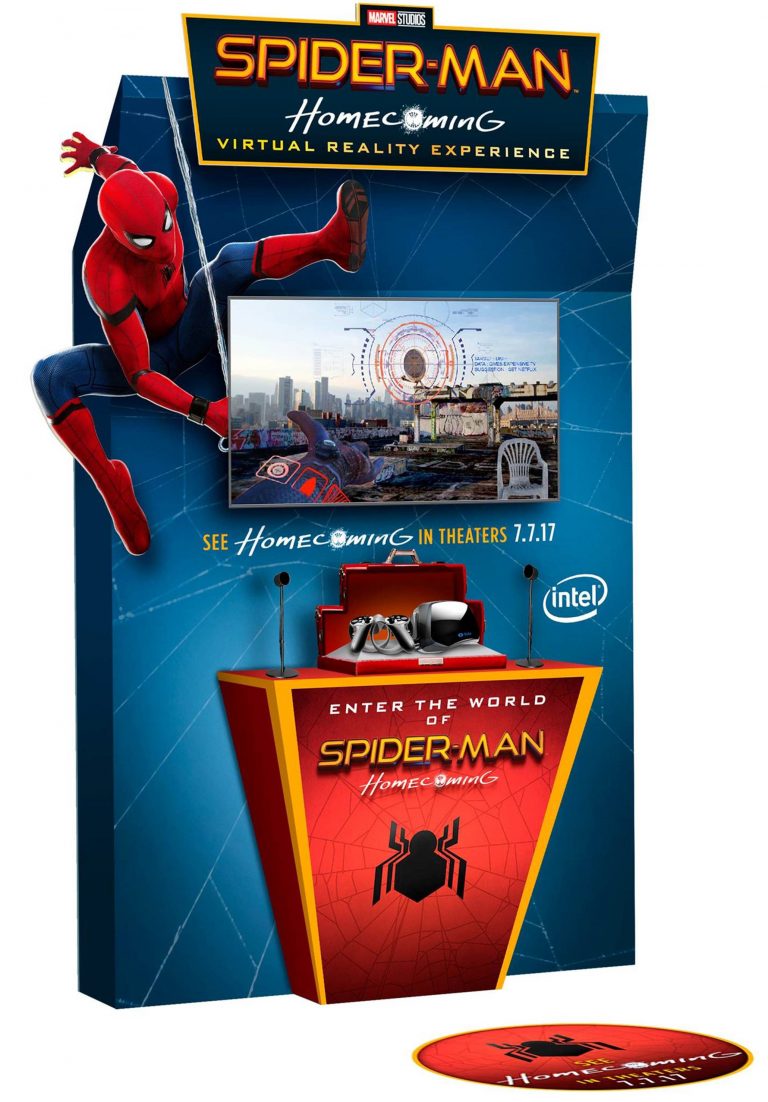 In continuation of Intel’s leadership in creating amazing VR experiences, the company collaborated with Sony Pictures* Virtual Reality to create a virtual reality experience (VRE) that complements Columbia Pictures upcoming “Spider-Man: Homecoming,” the most highly anticipated movie of the summer, arriving in theaters July 7. The VRE offers users the chance to suit up as Spider-Man, hone their web-shooting skills, and sling high above New York City in pursuit of the Vulture.
Starting today, the VRE is available in select Cinemark* locations across the U.S. and at special events worldwide. On June 30, availability extends across all major VR platforms, including PlayStation VR*, HTC Vive* and Oculus Rift* for free. “Spider-Man: Homecoming” opens in theaters July 7.
See the full press release here: https://newsroom.intel.com/news/intel-teams-sony-pictures-virtual-reality-create-spider-man-homecoming-virtual-reality-experience/
Mkt Res Report: Public VR Awareness Almost Doubling Annually with PSVR & Gear VR Leading the Way
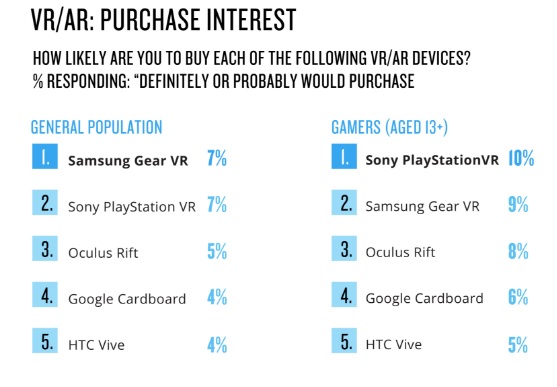 A new report from Nielsen suggests that not only is public awareness of virtual reality at record levels, it’s nearly doubled year on year.
Nielsen’s ‘U.S Games 360 2017‘ report states that from over 2000 people (50% male/female split) interviewed, 27% of people aged between 25-34 said that they intended to buy a VR headset, with 17% of 18-24 year olds saying the same. Of that group, 69% were men, 31% were women.
Download the full report for free here: http://www.nielsen.com/us/en/insights/reports/2017/us-games-360-report-2017.html
Kopin’s Prototype VR Headset is Incredibly Thin & Light, More Than 3x the Pixels of Rift and Vive
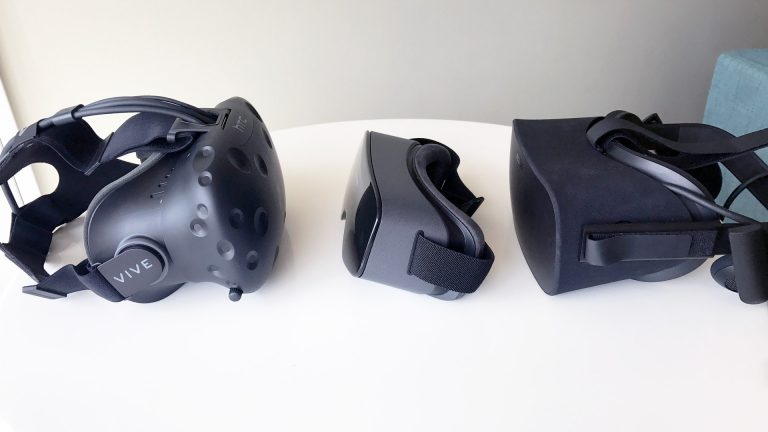 Kopin is touting a new prototype VR headset featuring their 4K OLED ‘Lightning’ microdisplay that they say is made specifically for VR. At nearly half the size of other headsets, and made from lightweight materials, the device feels featherlight compared to VR products on the market today.
Kopin is a publicly traded display manufacturer that was founded in 1984. With the massive buzz generated by VR, the firm has turned developed a roadmap for manufacturing displays specifically for VR headsets.
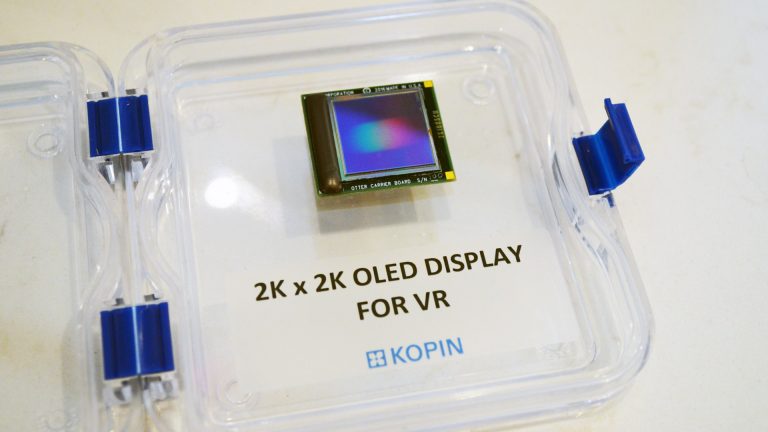 The first microdisplay that Kopin is positioning for VR is what they’re calling ‘Lightning’, a 1-inch display with 2,048 x 2,048 per-eye resolution and running at a whopping 120Hz.
The tiny size of the microdisplay also brings another advantage: the potential for a much shorter focal length.
Kopin has worked with Chinese ODM Goertek to develop a prototype VR headset that employs their Lightning microdisplay.
Meanwhile, microdisplays benefit from having incredibly tiny and dense pixels, but when it comes to VR, the challenge is—counterintuitively—actually making them larger. ... the image needs heavy magnification in order to achieve a wide field of view. They claim their current Lightning display is capable of delivering up to a 110 degree diagonal field of view using a dual-element Fresnel lens. They are also working in conjunction with 3M to develop an even smaller ‘pancake’ optic which they say can achieve a 100 degree field of view.
Technicolor Experience Center Opens, Launches Mars Project
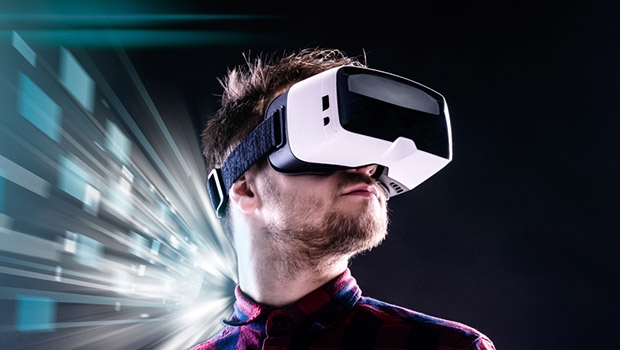 Technicolor officially opened its Technicolor Experience Center (TEC) for augmented reality, virtual reality and mixed reality last week, and announced an ambitious new project based on NASA research and images. The facility, on La Cienega in Los Angeles, launched last year and has been experimenting with immersive media. TEC has partnered with Hewlett-Packard and Nvidia to create a realistic simulation of what life could be on Mars for 1 million people. A community of engineers, designers, architects and artists will work under the direction of Technicolor to create this immersive experience. The project also involves Unreal Engine, Fusion, Autodesk and HTC Vive.
See the full story here: http://www.etcentric.org/technicolor-experience-center-opens-launches-mars-project/
Sphero’s new toy is a chatty Spider-Man
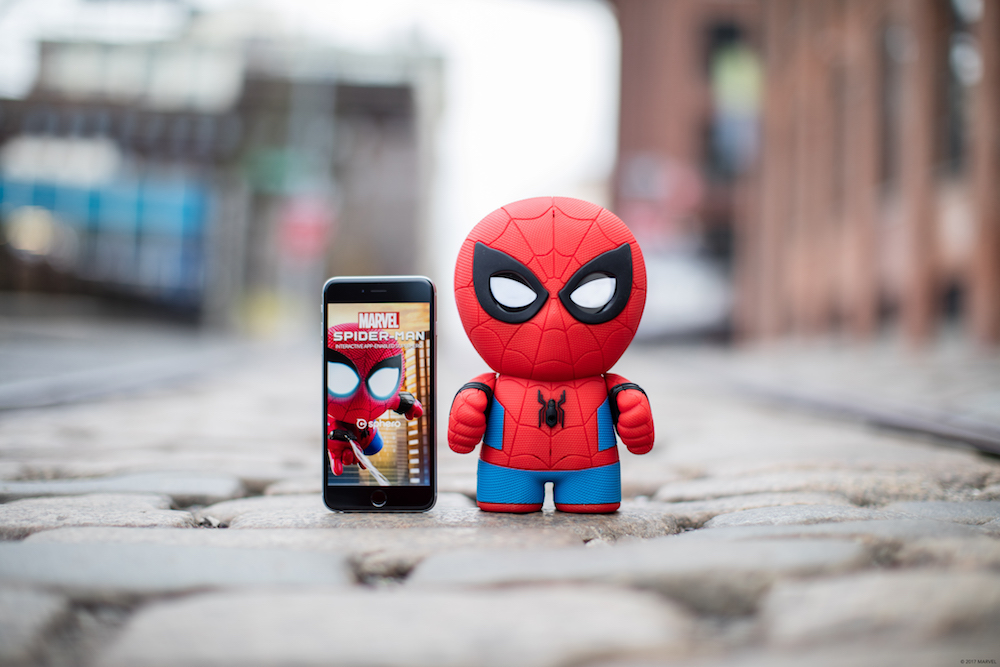 The toy includes expressive LCD eyes, a microphone, a speaker and an accelerometer — so he’ll offer enthusiastic commentary if you pick him up and pretend to fight with him. There’s even an infrared sensor, allowing Spider-Man to go into “guard mode,” warning off any intruders who enter his owner’s bedroom.
Aside from using third-party speech recognition technology, Wilson said Spider-Man’s conversational engine was built “from scratch” — in essence, he’s “a full Android device” inside a superhero-shaped toy. (While your main interactions will be through voice, you’ll also need either an iOS or an Android app to control him.)
Wilson also emphasized the importance of privacy and security. He said Spider-Man is only listening when the spider on his chest lights up, and the user’s voice is never stored or shared. (The security measures are certified by AppliedTrust.)
See the full story plus video here: https://techcrunch.com/2017/06/15/spheros-next-toy-is-a-chatty-spider-man/
YouTube knows exactly what 360-degree VR viewers care about
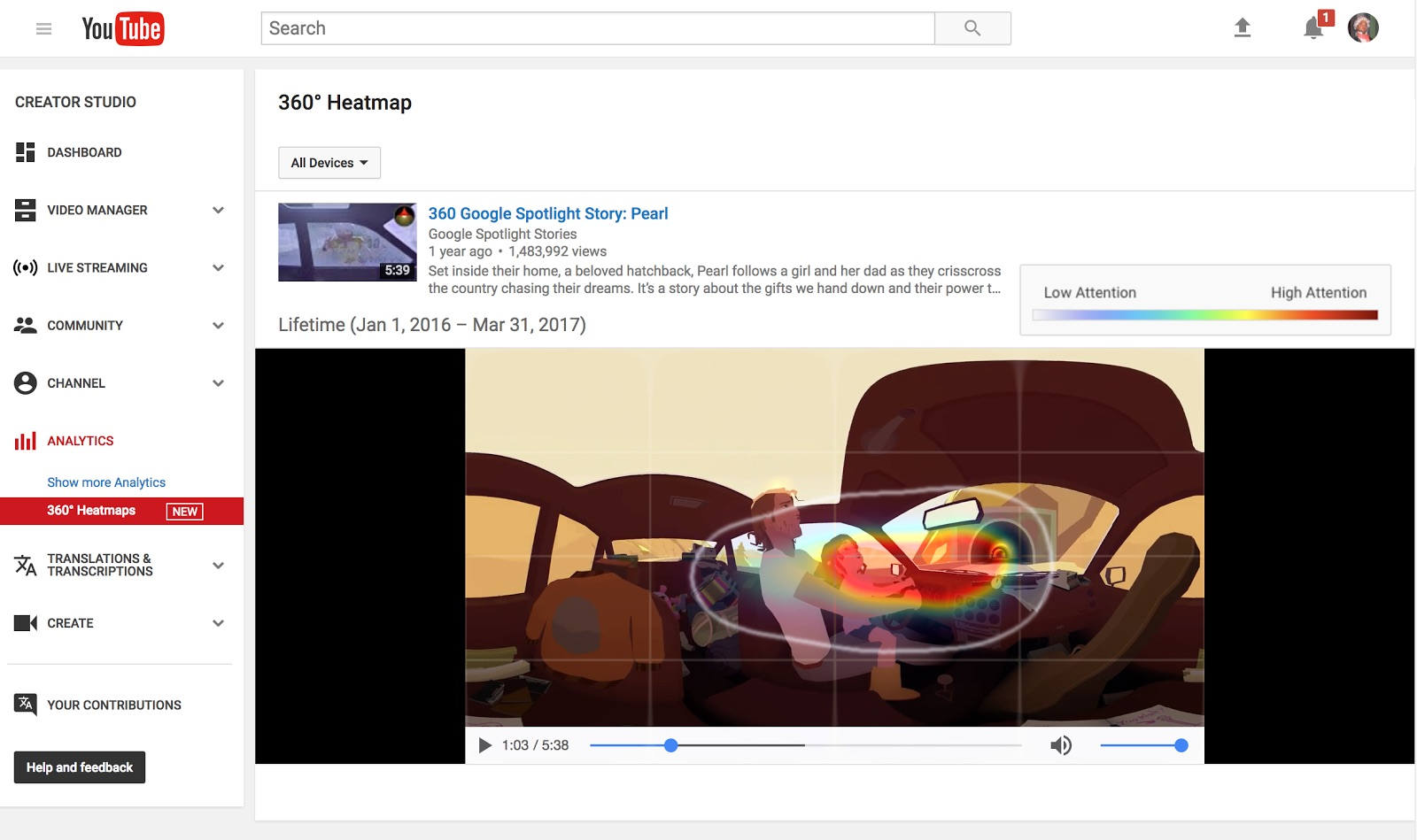 YouTube has launched a new 360-degree heatmaps system to spell it all out. That uses color-coded overlays to show exactly where people are looking in the frame, spanning from blue for low attention, up to red for high attention.
Already, there are a few insights: some of which don’t really come as a great surprise. Biggest, probably, is that viewers spent 75-percent of their time within the front 90-degrees of a video; in other words, they either didn’t move their head if they were watching in a VR headset, or they didn’t drag the YouTube viewer around if they’re watching on the desktop. “So don’t forget to spend significant time on what’s in front of the viewer,” YouTube recommends.
The other big insight is that it can take signposting for people to appreciate what’s around them in the scene. For the most popular VR videos, YouTube says, people were more likely to look around: indeed, almost 20-percent of the views on the hottest clips were at what was going on directly behind them. “Try using markers and animations to draw attention to different parts of the scene,” YouTube suggests.
360-degree heatmaps are rolling out in the analytics tab in your YouTube account. The video itself will need to have 1,000 views or more before it’s activated, too. While it may suggest that even with the growth of VR, many people aren’t bothering to get the best out the experience, it should also help content creators to figure out how to maximize 360’s value.
See the full story here: http://www.virtualrealitypulse.com/edition/daily-samsung-microsoft-2017-06-17
How L’Oreal uses virtual reality to make internal decisions at its New York HQ
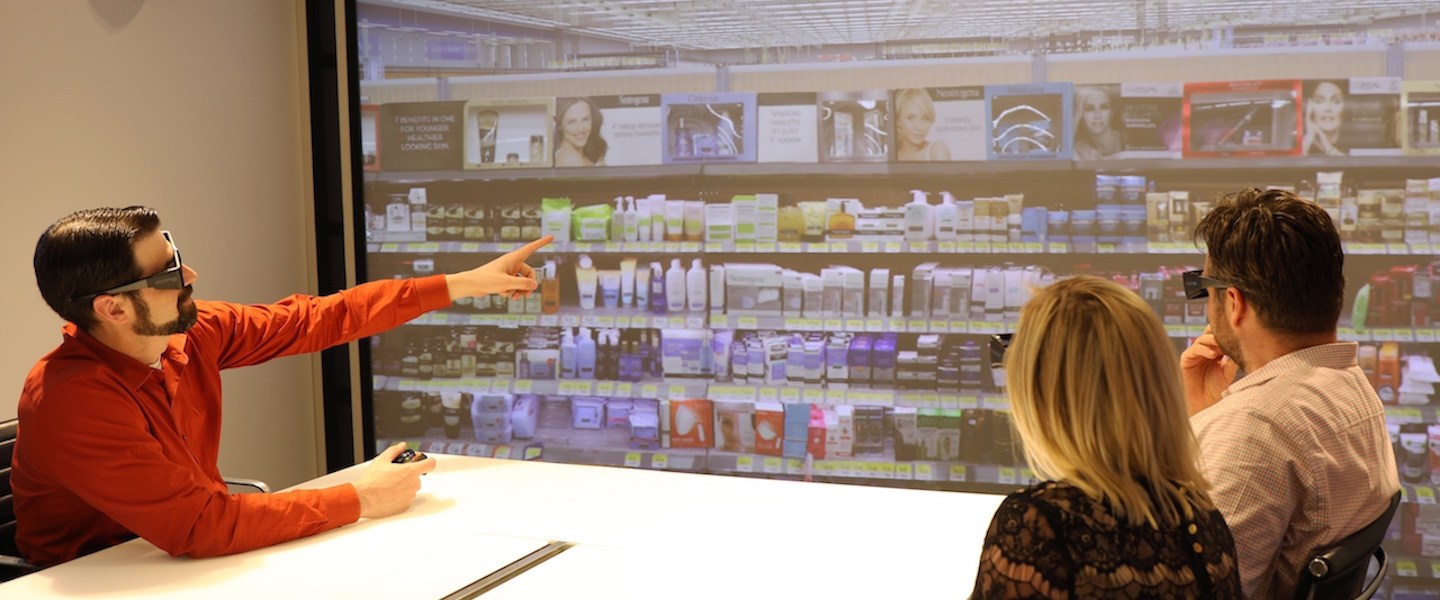 It looks like a typical conference room. But the L’Oréal Beauty Lab, as it’s referred to internally, is stacked with virtual reality glasses and installed with a VR screen that occupies a full floor-to-ceiling space on the wall. Two other screens in the room are used to display 3D modeling demonstrations.
In order to drive real use from its in-house VR Beauty Lab, L’Oréal is turning the technology away from consumers, and focusing it instead on internal teams.
The company’s 42 cosmetics, hair-care and skin-care brands are encouraged to use the virtual reality room in order to drive efficiency and productivity when making decisions around product merchandising, packaging and overall branding. These processes — which can take months, from brainstorm to launch — can be turned around in a matter of weeks in the Beauty Lab. Thanks to the visuals of the virtual reality and 3D renderings, brands can save money and time on creating prototypes and recreating in-store demos.
See the full story here: https://digiday.com/marketing/loreal-uses-virtual-reality-make-internal-decisions-new-york-hq/
Membrane AR: Varifocal, Wide-Field-of-View Augmented Reality Display from Deformable Membranes
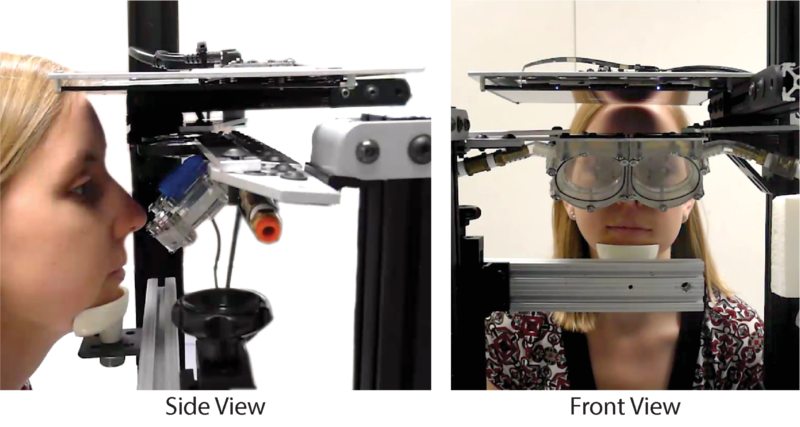 It is a new new hybrid hardware design created by combining hyperbolic half-silvered mirrors and deformable membrane mirrors (DMMs). The key components are two see-through DMMs controlled by airtight cavities to change the effective focal power and present a virtual image at a target depth plane. The benefits of the membranes include a wide field of view (100 diagonal) and fast depth switching (from 20 cm to infinity within 20 ms). The display promises to address vergence-accommodation conflict caused by lack of accommodative cues and offers wide-field-of-view capabilities.
See the full story here: http://research.nvidia.com/publication/2017-07_Membrane-AR%3A-Varifocal%2C
Virtualitics raises $4.4 million to power its ‘Excel for VR’
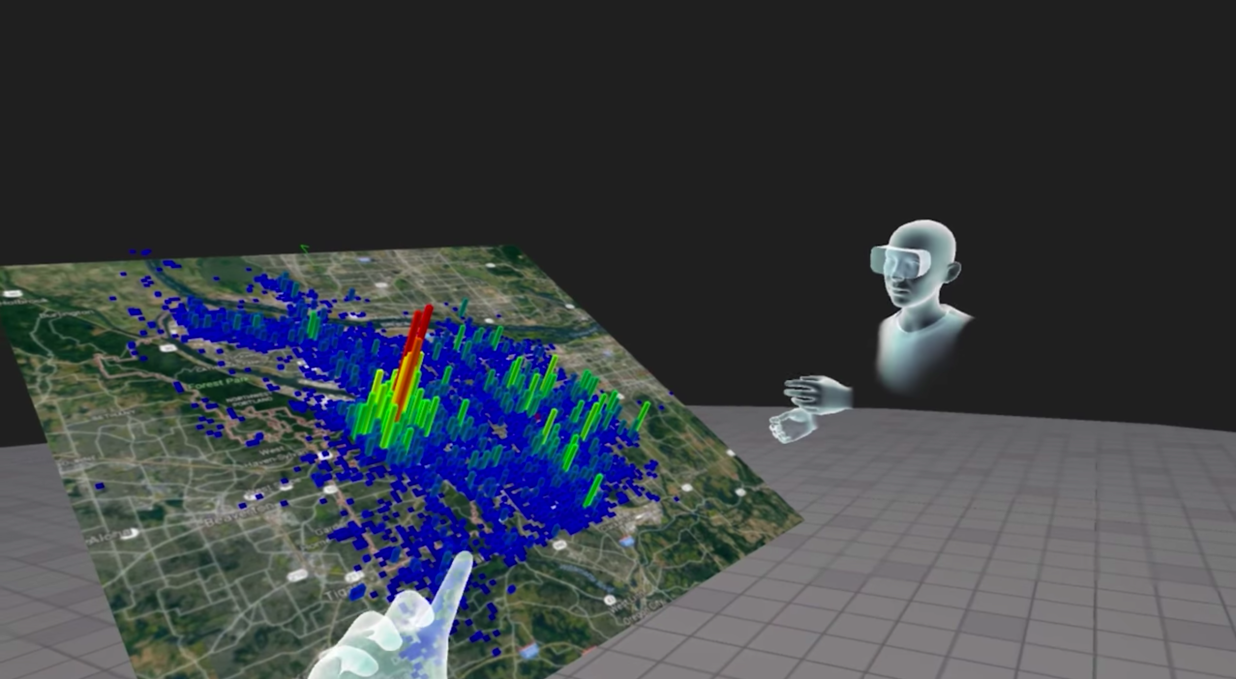 Virtualitics is aiming to bring insight through isolation, visualization and manipulation, giving you a chance to get up-close and personal with your data while wearing a VR headset.
Today, the startup announced that it has closed a $4.4 million Series A led by The Venture Reality Fund.
Business productivity use cases in VR are still a bit on the lacking side. While many expect tasks like training and orientation to be aided greatly by virtual reality, the level of fidelity isn’t quite there yet. Many are hoping that telepresence tools will allow deeper levels of collaboration inside environments that can be more easily manipulated.
See the full story with video here (Tipatat's investment):
Virtualitics raises $4.4 million to power its ‘Excel for VR’