Mark Zuckerberg’s ambitious 10-year plan could literally change our reality — and that’s scary
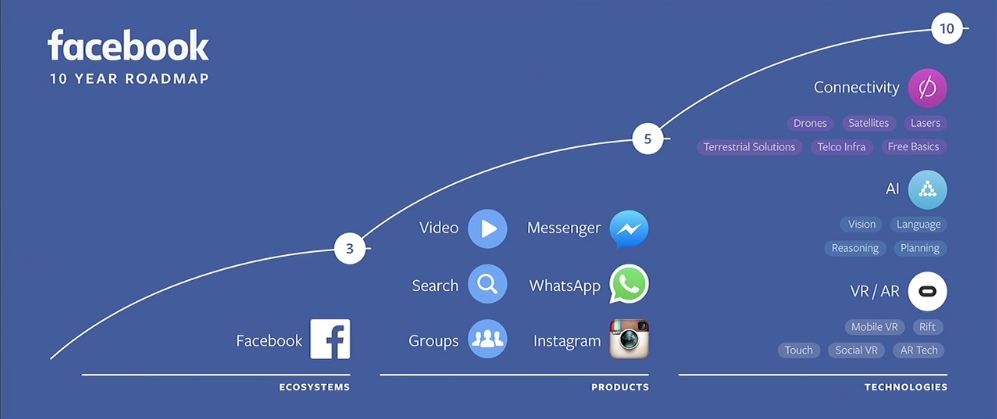 From the controversy over allegedly censoring conservative news sources from Facebook's trending topics, to the recent discussion over "fake news" and fact-checking in the wake of the presidential election, we're starting to explore how social media, and this company in particular, affect what we read, and perhaps what we think.
In the virtual reality world that Facebook is building, the company could actually control what we see, and what we experience. Facebook's mysterious algorithms will be at work in ways we've never really experienced before, interfacing directly with our senses.
This raises fresh concerns. For instance, a Facebook glitch in November suddenly caused two million or so users, including Zuckerberg himself, to be declared dead. That's distressing when it's just on a screen.
What if a Facebook algorithm change means that people who disagree with you are literally rendered invisible?
See the full story here; http://www.businessinsider.com/facebook-fake-news-and-virtual-reality-2016-12?r=UK&IR=T
Real-Time Virtual Reality (VR) – The Ultimate Experience
So what do we need to make this all happen?
- Humanoid robot that can walk
- Method to control said robot
- Wetsuit could allow full body haptic feedback
- VR camera attached to robot that can record in real-time
- Data feed that is fast enough to capture the data and relay in in real-time

Founded in 1999, Seattle based company Streambox has taken in an undisclosed amount of funding to develop “unique IP based video streaming solutions over low bandwidth connections“. Now they have added a VR offering to that which is currently in beta and support Oculus Rift. It’s not like this is something that ground breaking since 360 degree video support was released last year by YouTube allowing users to view and upload 360-degree videos.
Voysys produces a multi-camera live VR/360° production software solution called VOYSYS VR PRODUCER which supports any sort of VR hardware you might have on hand.
This software solution is built for real-time, with typical latency of 50-200 ms measured from light entering a lens to light exiting a VR headset or display. We were quite surprised to see just how quickly these hardware packages start to add up:

In addition to their VR software platform, Voysys also markets industrial solutions under the OdenVR brand.
See the full story here: http://www.nanalyze.com/2016/12/real-time-virtual-reality-vr/
How Alibaba deployed Big Data to combat China IPR pirates and counterfeiters
 As the world’s leading manufacturing center for authentic products, it is unsurprising that China has also been a source of a large share of counterfeits entering the market.
What sets Alibaba — and “Cloud Sword” — apart from other IPR enforcement efforts, is that we are one of the few e-commerce platforms — if not the only one — to also have a proactive, offline investigations program. That means we’re able to use our “big data” and analytics to help law enforcement not just identify and go after those who traffic in counterfeit goods, but also ensure that when they apprehend them, they have strong evidence to prosecute them. We even cut off the upstream source where counterfeit goods are produced.
See the full story here: http://www.recode.net/2016/12/20/13988264/china-alibaba-counterfeit-pirates-data-cloud-sword-ipr
Lenovo is releasing another Tango AR phone in 2017
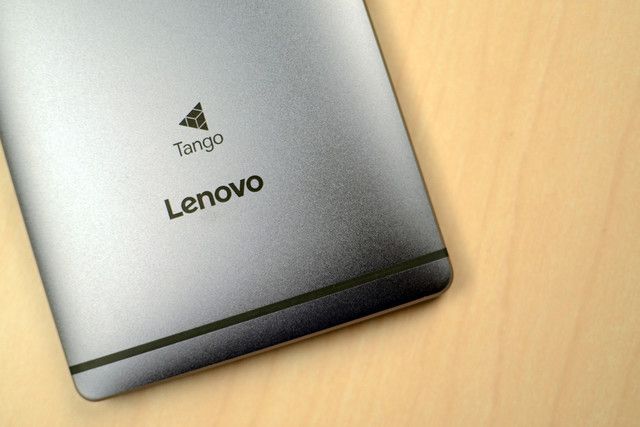 According to Lenovo, around 4,000 developers purchased the Phab 2 Pro, followed by another 2,000 at a hackathon. Still, most reviews for the device have been a little lackluster, suggesting that while Tango is interesting, it’s still in its very early days and needs a lot of work.
See the full story here: https://www.yahoo.com/tech/augmented-reality-anyone-lenovo-releasing-193047149.html
VRStudios installs multi-player virtual reality gaming system at Muckleshoot Casino
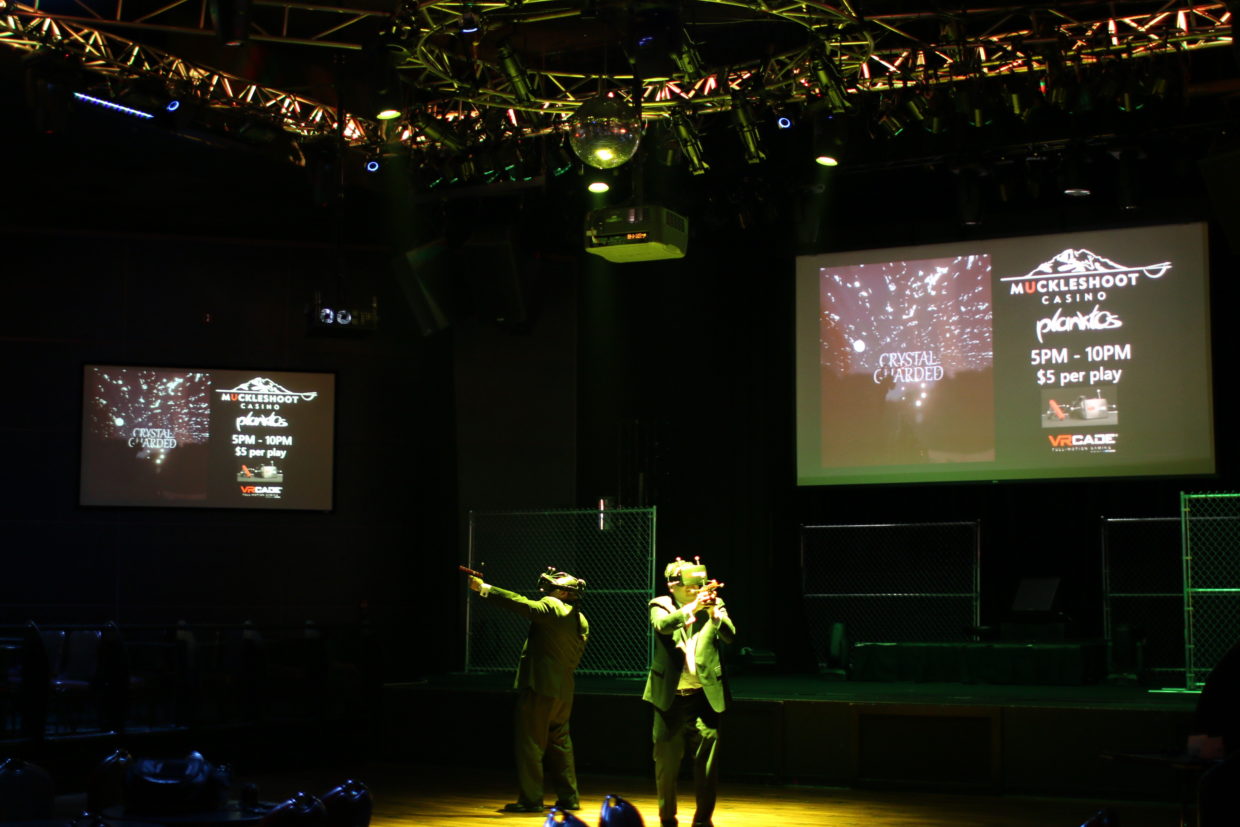 People visiting Muckleshoot Casino that want a break from the slot machines and blackjack table can now try out new virtual reality technology.
Seattle startup VRStudios this month opened a full-motion multiplayer virtual reality system inside Muckleshoot Casino, which is the first casino nationwide to offer wireless streaming VR.
The games, which range from a Western-style shoot-out title called Barking Irons to a shooter called Time Zombies, let one or two people put on a VR headset and use an accompanying weapon as they walk around in an open space. Other casino guests can watch and hear the gameplay via TV screens that live-stream the action. It costs $5 per session and you must be over 21 years of age.
See the full story here: http://www.geekwire.com/2016/vrstudios-installs-multi-player-virtual-reality-gaming-system-muckleshoot-casino/
Virtual reality is actually here (good 2016 summary editorial)
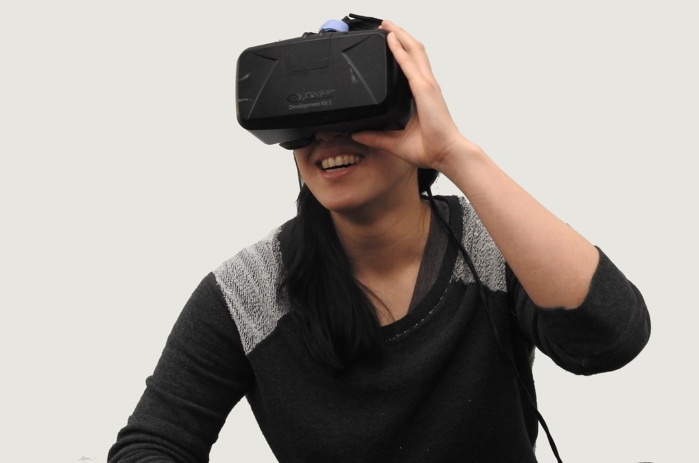 If you think virtual reality exists today primarily in the gaming industry, you are seriously behind the times! VR springing up all over, and in some rather surprising places. VR videos are already available on YouTube, Android PlayStore and the Apple Store. Equipment prices and quality vary dramatically, from Google’s inexpensive Cardboard to incredibly expensive and complex systems.
See the full story here: http://www.computerworld.com/article/3151971/virtual-reality/virtual-reality-is-actually-here.html