Trouble in the House of Rothenberg
 This is a lengthy profile of Rothenberg Ventures, River, and Mike Rothenberg.
Warner Bros., OTOY, Mattel Bring Batman Virtual Reality Experience to View-Master
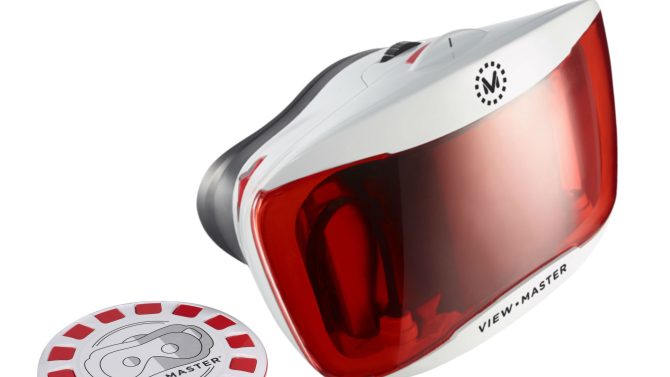 Batman is coming to View-Master: Warner Bros. has partnered with DC Entertainment, Mattel and Los Angeles-based cloud graphics specialist OTOY to bring a virtual reality (VR) experience based on “Batman: The Animated Series” to the latest version of the View-Master.
Warner Bros. tasked its Blue Ribbon Content studio to cooperate closely with OTOY, which is known for cloud-based graphics processing and holographic imagery.
“OTOY is the perfect partner to create new VR content for View-Master,” said Mark Morse, Director Advanced Concepts at Mattel. “The Batman experience (is) just a glimpse into the incredible things to come from this collaboration.”
See the full post here: http://variety.com/2016/digital/news/view-master-mattel-batman-otoy-vr-warner-bros-1201859547/
Why augmented reality means augmented risk to networks
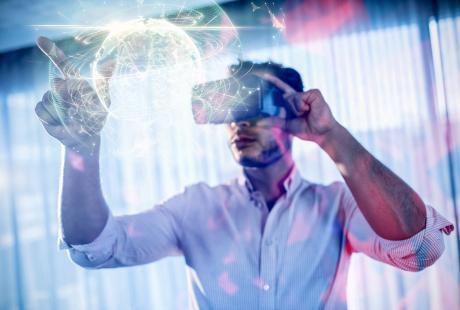 The traffic that enables all this magic to happen is crossing your network, revealing details such as IP addresses, location, type of device, user permissions, and more.
If a hacker intercepts that traffic – as they have already been able to with Pokémon GO traffic – what could it reveal about the user, and the network?
As such, it is no surprise that the US Pentagon and the Israeli Defence Force have banned their employees from playing Pokémon GO because of the potential impact of the app on their security postures. ...
As such, it’s easy to see the types of user-specific data that AR apps reveal as part of their normal functions – and the possibilities this presents to hackers for snooping and data manipulation if the application’s security has any vulnerabilities.
The key point is that the very nature of AR is that it is personalised to the individual user’s situation.
...
Three important factors to consider are your mobile device management (MDM) solution, since AR apps like Pokémon GO are focused on the smartphone market.
Employee training and awareness is also crucial, since human error and carelessness is often a key vulnerability for cybercriminals to target.
The third key factor in an AR risk mitigation strategy should be visibility of app traffic on your network.
See the full story here: http://www.information-age.com/technology/security/123462006/why-augmented-reality-means-augmented-risk-networks
SpaceoutVR to allow Facebook photo browsing in virtual reality
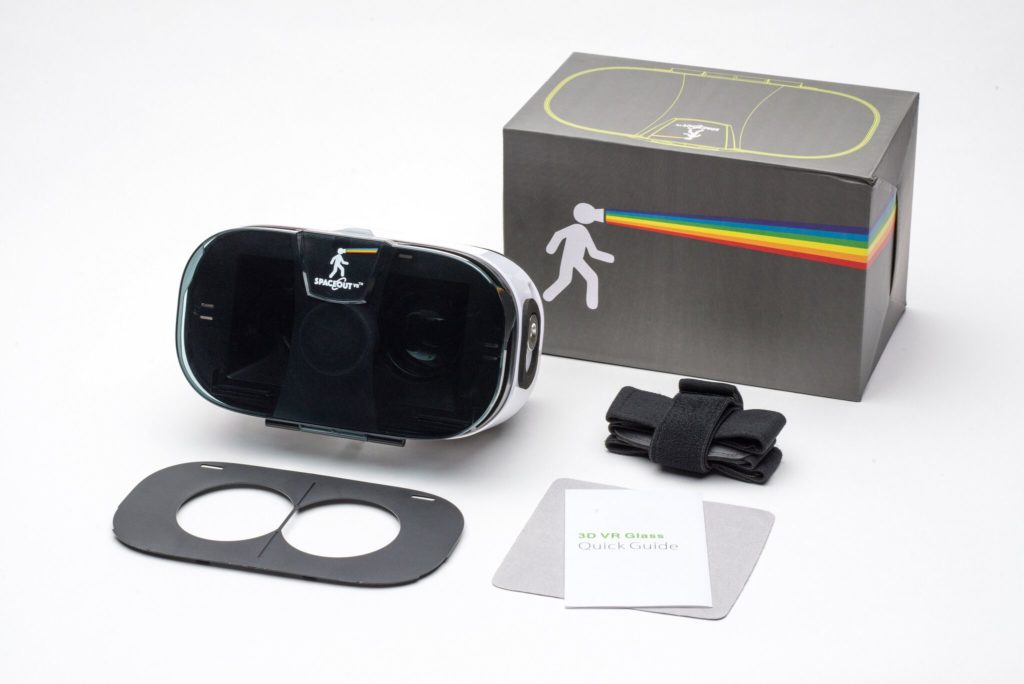 A virtual reality startup is launching a new feature this week that enables Facebook photo browsing in virtual reality. The company is also introducing a click-through advertising feature that unobtrusively transitions users from their VR experience to mobile sites.
Yesterday, the company released a “VISION.VR” teaser, which they believe is the first virtual reality application that lets Facebook users browse their photos in a VR setting. Once in the demo version, VISION.VR users log in to their Facebook account and the software automatically retrieves photos from their Facebook photo library. The app then displays those photos on billboards along a 360-degree view of a virtual reality highway. Players also have the option to select music from their own Soundcloud account or smartphone.
See the full story here: http://www.valuewalk.com/2016/09/spaceoutvr-facebook-photo-browsing-in-virtual-reality/
VR Review: Jon Favreau’s ‘Gnomes & Goblins’
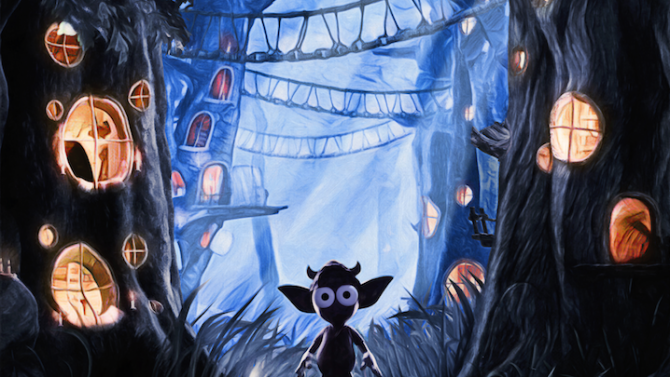 Fresh off his blockbuster success with “The Jungle Book,” Jon Favreau is trying his hands at an entirely different medium. With “Gnomes & Goblins,” Favreau is pushing the boundaries of virtual reality storytelling, and laying the foundation for the creation of a magical world of immersion.
a free preview for the HTC Vive ..., which offers users the ability to move about within a space of up to 10 by 10 feet. It’s what’s being called a room-scale experience, and in this instance it puts participants right into a small clearing between a few trees that turn out to be anything but ordinary.
...
At first, there is no sign of the tiny inhabitants who have made these trees their home, and there’s no task or puzzle that would suggest the need to do anything. Instead, the viewer is free to explore this world on their own terms. The will-o’-the-wisps also help to guide one’s attention, pointing out various objects to look at and places to explore.
...But then, a tiny goblin appears. Timid, yet curious, he tries to keep his distance, looking at the viewer and responding to their motions. Extend your hand towards the goblin, and he will move out the way. Move your head or change your position in the room, and his eyes will follow you around.
“Gnomes & Goblins,” which was created by Favreau, has been developed by Venice, California-based virtual reality studio WEVR in cooperation with Reality One, with Jake Rowell as creative director and Andrew R. Jones as animation director.
And it is definitely a process. Favreau and WEVR plan to add to “Gnomes & Goblins” over time, and want to use the preview release to gather feedback from the community to plot their future course.
In many ways, that’s actually fitting for a magical forest. You don’t know what adventures lie ahead of you. What’s clear, even with this early preview, is that “Gnomes & Goblins” is going to be exciting. In fact, the title is so impressive that it will quickly become one of the handful of experiences any HTC Vive owner will use to show off the world of virtual reality to their friends and family.
See the full story here: http://variety.com/2016/digital/reviews/vr-review-jon-favreaus-gnomes-goblins-1201858143/
A virtual reality future means changing broadband reality today
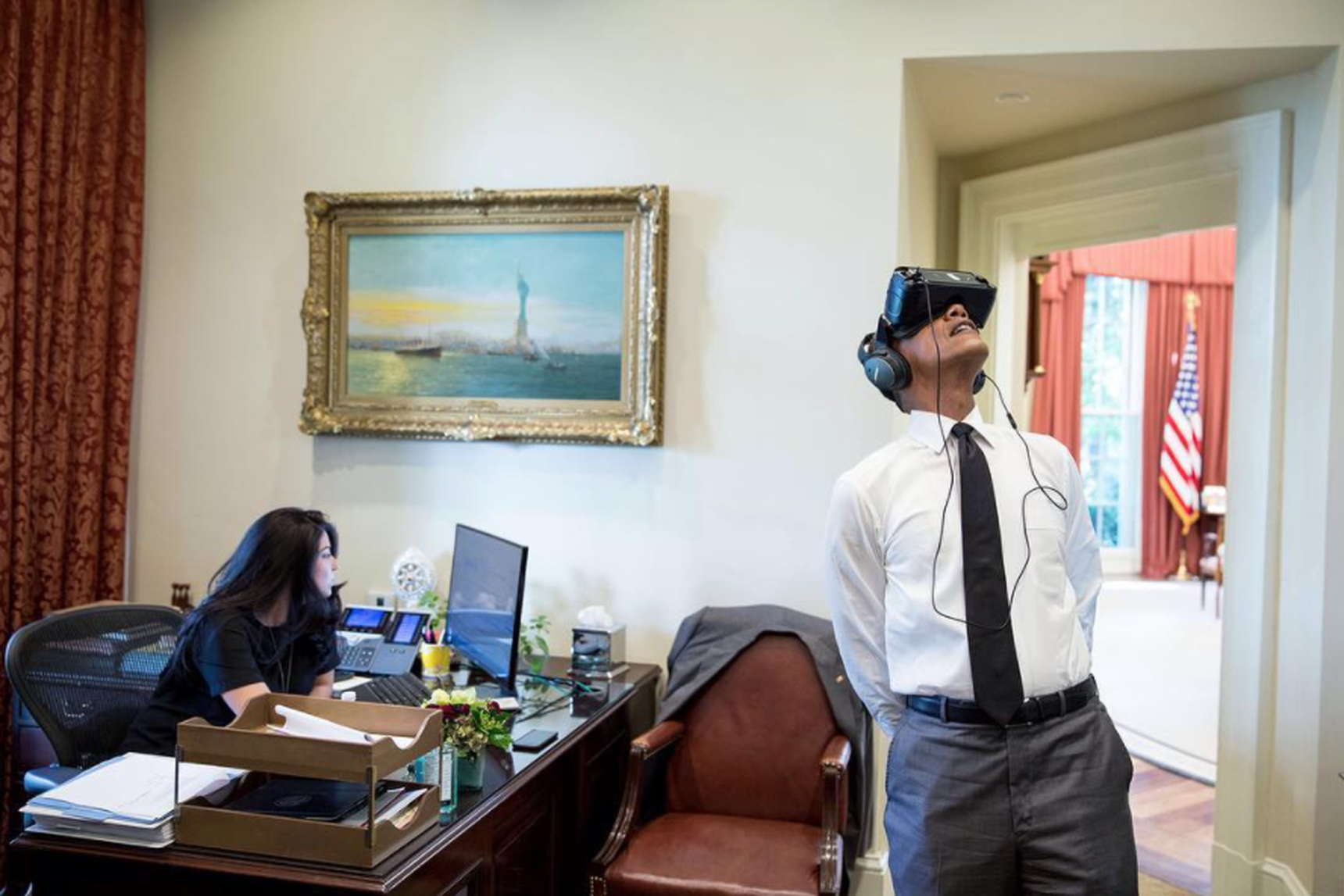 Some 30 years ago, some policymakers understood that HDTV would start a digital video revolution. Forward-thinking policymakers today should anticipate the virtual reality needs of tomorrow. President Obama and the rest of us have been given a glimpse of our media future. Now we need to make the policy decisions to ensure that future becomes reality.
Larry Irving served for almost seven years as assistant secretary of commerce for communications and information during the Clinton Administration and is president and CEO of the Irving Group. Reach him @larry_irving.
Jamal Simmons is co-chairman of the Washington, D.C.-based Internet Innovation Alliance (IIA). Reach him @JamalSimmons.
See the full story here: http://www.recode.net/2016/9/12/12890386/virtual-reality-broadband-policy-spectrum-barack-obama-strivr
Scroll through the History of AR
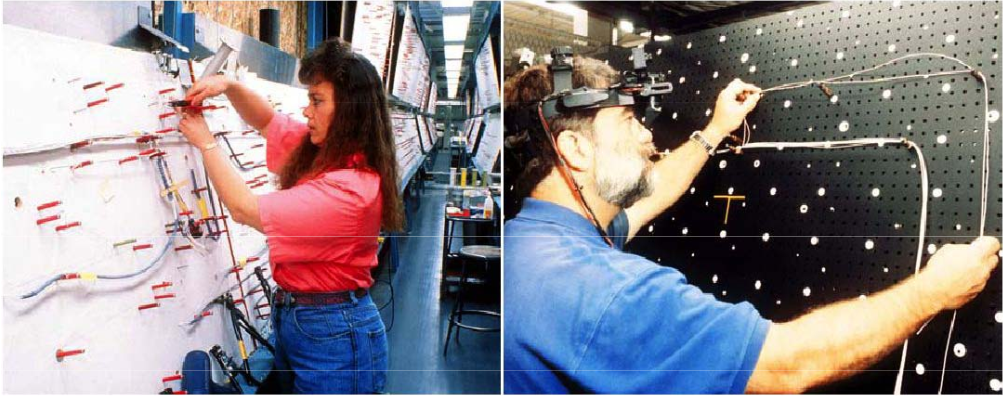 In the past century, virtual and augmented reality devices have taken our eyes and imaginations to new heights. The first recorded reference to augmented reality (AR) came in 1901 from L. Frank Baum (author of The Wonderful Wizard of Oz) via his description of the “Character Marker”, a pair of electronic spectacles that overlays people’s moral character data onto their foreheads. Fast forward to 1957, cinematographer Morton Heilig began creating the world’s first virtual reality (VR) machine, patenting it in 1962 and starting the inevitable merging of the physical and digital worlds.
here’s the comprehensive history of how we’ve gone from Heilig’s Sensorama to the groundbreaking HoloLens and Meta 2 headsets. Whether you're studying augmented reality, developing for it, or just excited to use it yourself, this definitive guide will give you all the background you need to know about the applications and implications of AR.
Scroll through our interactive timeline below, or jump to the points in time that most interest you.
See the full story and interactive timeline here: https://blog.metavision.com/comprehensive-history-of-augmented-reality
Google’s VR Cardboard Camera app is coming to iOS
 The odds of you using Cardboard Camera, Google’s simple app for creating 360-degree VR images, just got significantly higher. The tool, which has so far only been available on Android, is now available on the iOS App Store. And both versions now include sharing features that realize the app’s raison d’etre: showing your friends and family the cool places you’ve visited. Where the old app made users share images through the generic Android photo gallery, the new one will support creating and sending links to either single images or collections.
As we’ve mentioned before, Cardboard Camera isn’t meant to be a professional-grade VR camera system. It’s like a VR version of Google’s Photo Spheres, stitching together images that it captures by asking you to rotate slowly and steadily in a circle. It's a far cry from something like Google's Jump camera platform, but it’s not bad even on things like my aging Android phone.
Google is widely expected to reveal more information about its new, Android-based Daydream VR platform at an event on October 4th, but this is another small signal that it’s not abandoning Cardboard — or iOS — in the process.
See the full story here: http://www.theverge.com/2016/9/12/12867110/google-cardboard-camera-vr-app-ios-sharing-update