Koski is like Lego with augmented reality, but more fun than that sounds
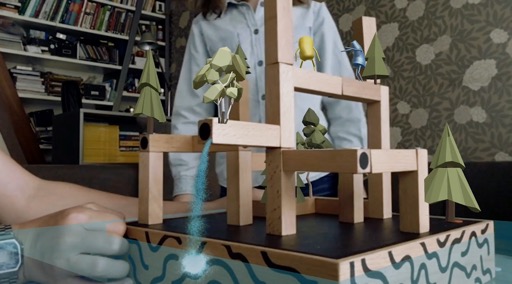 The magnetic discs allow stable structures to be built, no matter how complex, which can lead to a more imaginative digital landscape once the Koski iPad app is activated. Augmented reality is already a big deal given the meteoric rise of Pokémon Go, but the way Koski combines physical toys with AR is a new and innovative take that may get kids interested in building things with their hands instead of exclusively using a phone or a tablet.
See the full story with Video here: http://www.theverge.com/circuitbreaker/2016/7/12/12159490/koski-lego-augmented-reality-but-more-fun
New WSU virtual reality Cave uses cutting-edge technology
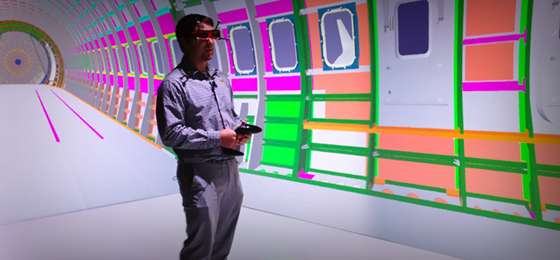 "Our primary vision is to transform manufacturing across multiple industries – aerospace and defense, life sciences and industrial equipment – through innovative technology," says Jeff Fisher, WSU's virtual reality lab manager.
That includes enhancing concept and design processes; user experience testing; virtual prototyping, facilities planning and certification; and significantly shortening product development timelines for various industries.
See the full story here: http://phys.org/news/2016-07-wsu-virtual-reality-cave-cutting-edge.html
This Chinese Startup OnePlus Set Up a Virtual Reality Store in Space to Sell Its Flagship Smartphone
 For last month's launch of the OnePlus 3—the third flagship smartphone created by OnePlus—the China-based company created a virtual reality experience that brought viewers to a space station where they could learn about the latest features of the flagship phone. Around 60,000 people tuned in, and within the first hour, 10 percent of those who viewed the video bought a phone. Within six hours, the conversion rate had grown to nearly 30 percent. That might sound like a small sum in an era of YouTube videos that reach millions, but the initiative could provide a glimpse into the future of virtual shopping.
When users put the headset on, they see a rendering of the OnePlus office in China. But when they enter, they see a note that says the company has moved. Soon, they're taking an elevator that takes them up to the space station. There, there are four rooms, each featuring one characteristic of the phone. For example, one describes the phone's "dash charge" feature, which provides a day of power in a half hour. Another focuses on the camera, while another features the design.
OnePlus wouldn't say how many phones they've sold so far, but if it's going to compete with Apple and Samsung, it certainly has a long ways to go. According to a May report from Gartner, Samsung led the way in global market share in the first quarter with 23.2 percent, followed by Apple's 14.8 percent and Huawei with 8.3 percent.
See the full story here: http://www.adweek.com/news/technology/chinese-startup-oneplus-sets-virtual-reality-store-space-sell-its-flagship-smartphone-172409
Fading Acer Makes Virtual Reality Gambit to Turn Things Around
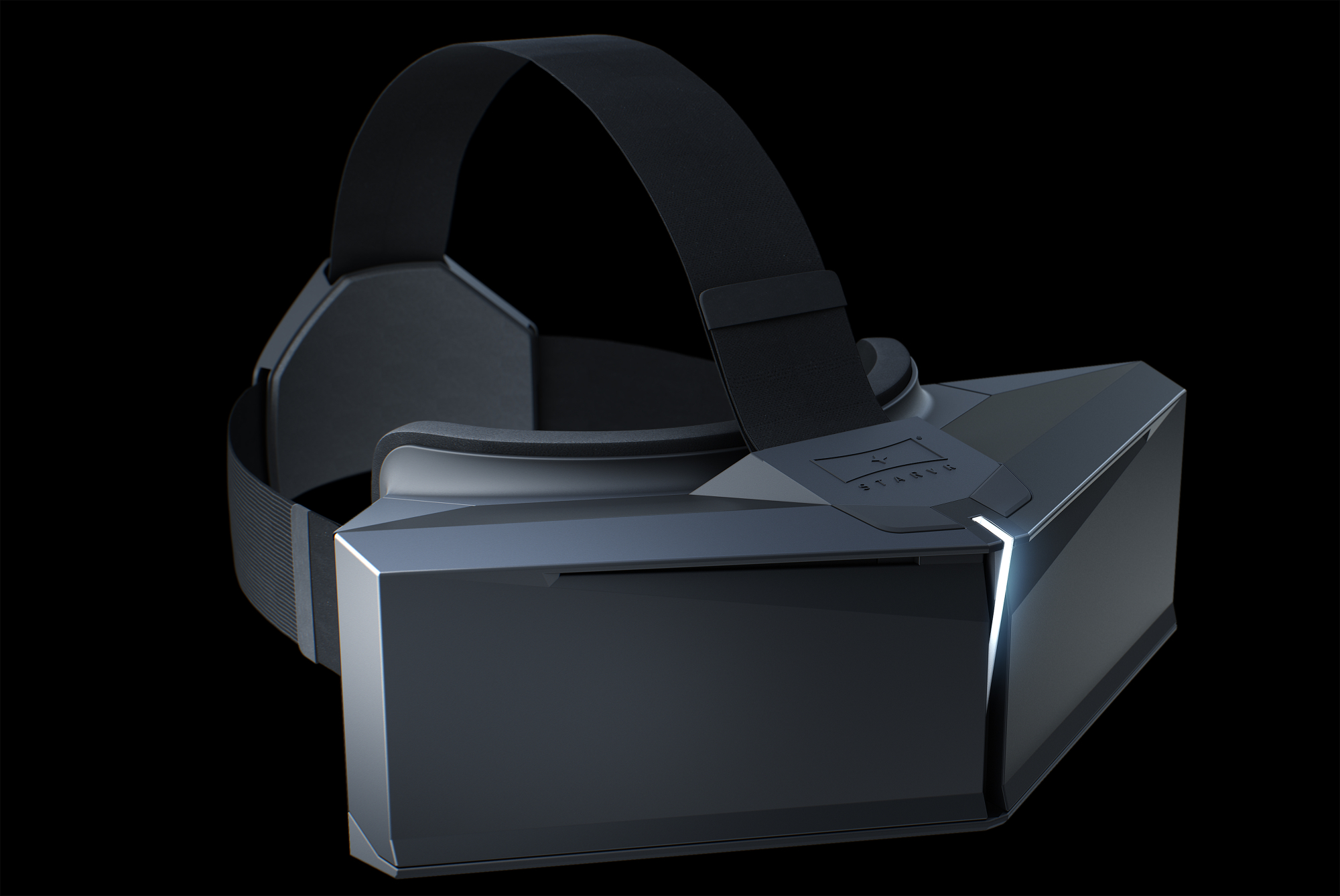 Acer is looking to grab a slice of a headset market expected to yield $20 billion in revenue by 2020, and it’s enlisted some big names in the effort.
The company formed a venture with Swedish game developer Starbreeze AB to make the StarVR, a headset Chen says sports superior resolution and a wider 210-degree field of view. But with a price tag in the “four-digit range,” the gadgets are geared toward commercial buyers such as movie theaters, amusement parks and arcades. IMAX Corp., the Canadian company that popularized outsized movie screens, announced in May the StarVR will be installed in future virtual-reality theaters. The first headsets will grace an IMAX experience center envisioned for Los Angeles this year, Acer says.
Acer is in discussions with others but Chen for now is keeping mum on details.
See the full story here: http://www.bloomberg.com/news/articles/2016-07-10/fading-acer-makes-virtual-reality-gambit-to-turn-things-around
Virtual reality sex festival (Japan)
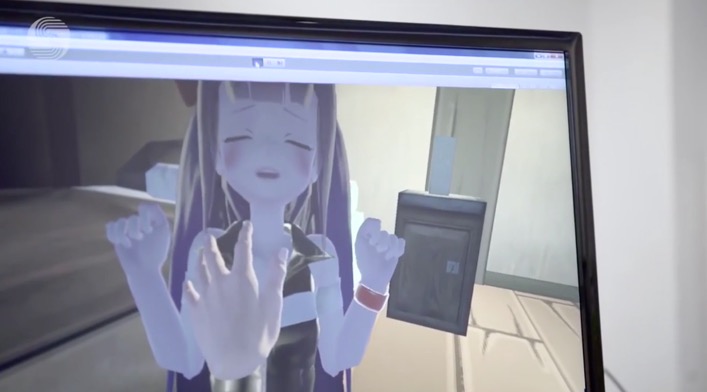 The immense popularity of virtual reality pornography in Japan led the country's first ever VR porn festival being cancelled last month amid crowd trouble.
The authorities were forced to act to end the festival prematurely, because of concerns that the over-excited mob might work themselves into a riotous frenzy if not able to enter the venue.
Don't worry if you missed the festival, robot sex fans will be able to check out all the new VR porn gadgetry at Adult VR Festa 02, scheduled for August.
You will need a ticket for that one though. And probably some wet wipes.
See the full story here: http://www.mirror.co.uk/tech/virtual-reality-sex-festival-organisers-8388426
Whatever happened to 3D printing?
 “We proved we could be very successful for early adopters, but when we tried to cross the chasm into the mainstream market, there were production and financial troubles we couldn’t solve on the capital timeline we had,” Cervantes said.
Dozens of 3D printer companies had cropped up with the intent of building beginner-friendly options.
At the end of 2015, 3D printing veteran 3D Systems ceased production of its easy-to-use Cube printer. Its competitor, Stratasys, announced layoffs for the second time in six months for its consumer-oriented MakerBot division.
Except, desktop manufacturing is still growing. Shoppers bought more than 275,000 desktop 3D printers in 2015, up from 160,000 in 2014, according to the 2016 Wohlers Report. In 2013, the market had just broken 80,000 units. While growth has slowed, it’s still moving fast.
So, who is still buying 3D printers and CNC machines? And will everyone else want one anytime soon?
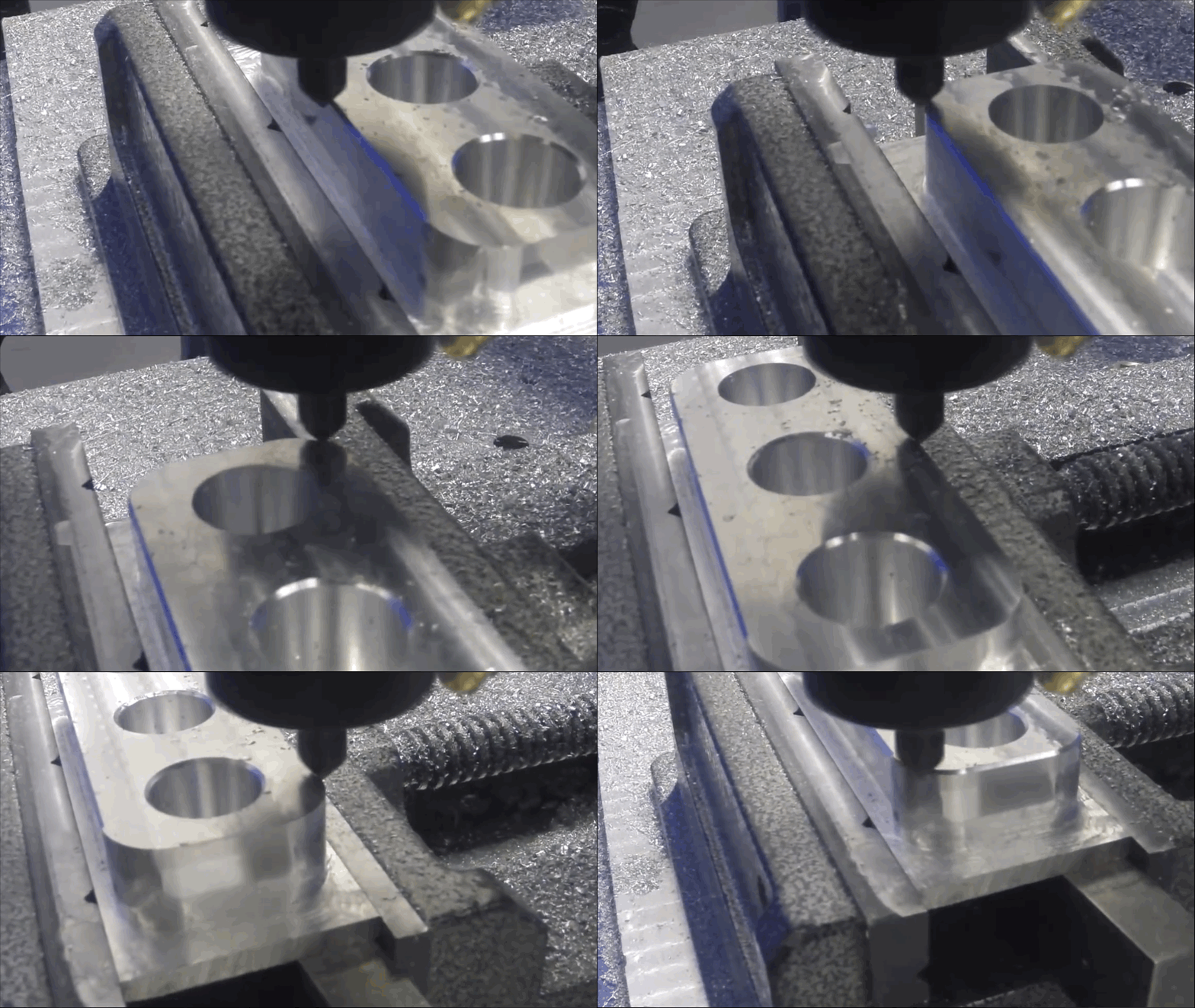
Other Machine CEO Danielle Applestone mostly sees her customers using Othermills for prototyping.
The thing about prototyping with 3D printers is that the end product doesn’t have to look great. It’s a way to get a sense of scale and feel, but not usually expected to be buyer-ready. There are certainly exceptions to this.
So while Gerhardt said Studio Neat has never been compelled to upgrade from its relatively vintage MakerBot Replicator 2, consumers demand perfection. And that’s where the printers offered in the last five years still fall short.
“I think the hype surrounding 3D printing has waned — or is at least decreasing — because people realized it’s just a lot harder to design specific things than they thought,” Applestone said. “You can’t get around the fact that you have to learn (computer-aided design).”
The industry knows this and has focused on building big libraries. This leaves 3D printers focused on generic items like toys and decorations — not that specific IKEA drawer handle you broke and would like to replace. There’s no shortage of things to print, but the truly useful use cases are still reserved for experienced makers.
Most desktop 3D printers have a similar design. A metal nozzle moves along a gantry system as it lays down melted plastic on a flat bed. The best 3D printers take this basic design and make it bulletproof. They use high-quality parts and make them easy to swap out. The worst put low-quality, proprietary parts in a closed box.
Newer companies like New Matter are testing alternate options. The Mod-T moves its print bed around on two spinning rods, while the print head moves up and down. It’s an unusual design that simplifies how the printer works and allows the company to keep costs low.
Engineers are injecting new energy into the industry by rethinking 3D printing altogether. Lately, interest has risen in printers that use a laser or projected light to cure liquid plastic layer-by-layer. HP’s secretive printer also uses light to speed up the printing process and open new material possibilities.
Other 3D printer makers are diving into specific applications, such as carbon fiber and food to draw interest in their machines.
See the full story here: https://techcrunch.com/2016/07/10/whatever-happened-to-3d-printing/?ncid=tcdaily
‘Pokémon GO’ Is A Terrible Pokémon Game, But An Augmented Reality Home Run
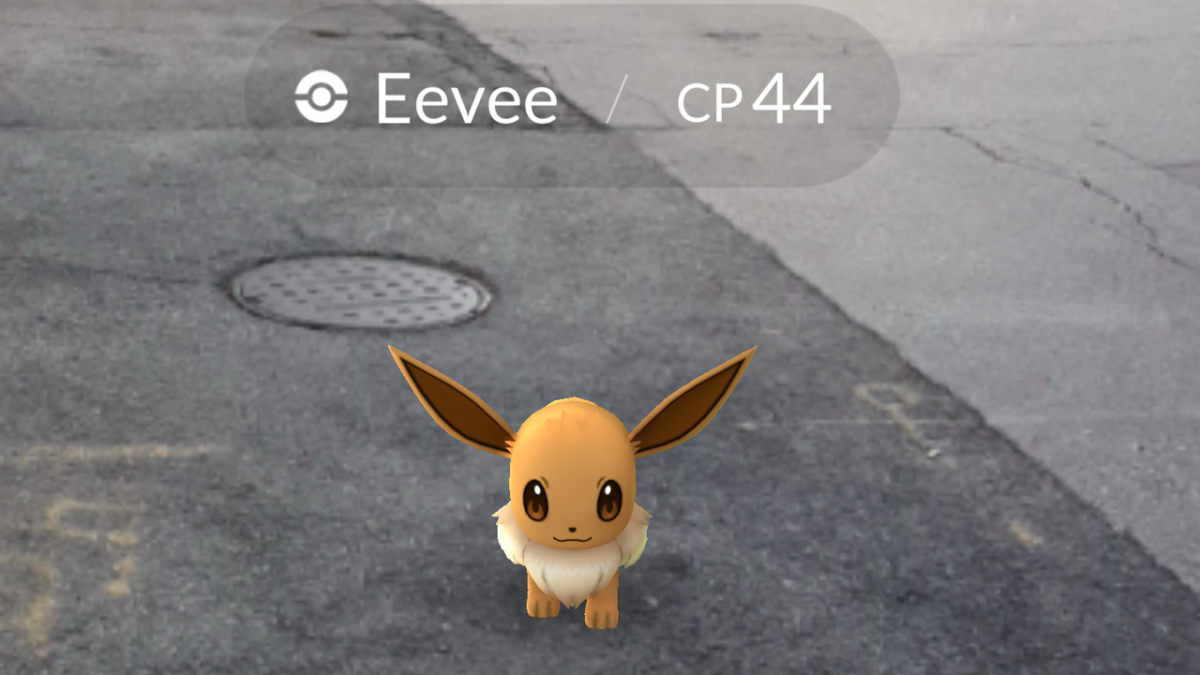 Am I having fun? Yes. Is this a very good Pokémon game? Absolutely not.
Pokémon GO is weird.
It’s simultaneously a huge disappointment and also something that has exceeded my expectations. Those two things sound mutually exclusive, but I’ll try to explain why that isn’t actually the case. I’ll start with the bad.
Pokémon GO is a pretty awful Pokémon game. It lacks everything everyone likes about Pokémon other than the existence of the Pokémon themselves. Everyone knew the game would be simplified to some degree for AR gameplay, but what we’re left with is just…such a bummer.
The only one of these points I’m willing to concede is the capture system. Given that the game is about walking around (hence the “GO”) if I had to stop and fight every single one of the 80 Pokémon I’ve caught in the last day with my Poke-team, that would have been a lot of standing around in the middle of sidewalks for an extremely long time. To keep things moving, I think the “headshot them with a Pokeball” system is actually not all that bad as a compromise.
Also unforgivable is what Pokémon GO has done with battling. Turning Pokémon battles into a button-mashing tap-fest is just embarrassingly bad.
And yet, the game is crazily addicting, a lot of fun, and possibly the most significant advancement in the battle against obesity in recent memory. I’m not kidding.
But for all the health benefits, I worry about a few of the health risks as well. For as much cardio as you may get from Pokémon GO, because the game essentially forces you to keep the app open and check it constantly, you are really not paying attention to where you are much of the time. Add in headphones, and the game can feel downright dangerous because of how much it engrosses you.
See the full story here: http://www.forbes.com/sites/insertcoin/2016/07/08/pokemon-go-is-a-terrible-pokemon-game-but-an-augmented-reality-home-run/#50aedce55b1c
Pokemon GO launches in Liverpool as augmented reality characters appear on city streets
 Users will be abkle to see the character projected on the street via their smart phone and can catch it by 'throwing' a Pokeball. The game also includes strategically placed 'training gyms' for the Pokemon and other power ups scattered around the city.
The game means Pokemon will appear in Liverpool city centre and surrounding areas, including famous landmarks and heritage buildings. Some Pokemon will be exclusive to this part of the country.
The creator of the game, Niantic Labs, says: "Some wild Pokémon appear in their native environments—for example, Water-type Pokémon may appear near lakes and oceans. Once players have encountered a Pokémon, they can catch it by using their smartphone’s touch screen to throw a Poké Ball. Poké Balls and other special items can be found at PokéStops located at interesting places, such as public art installations, historical markers and monuments."
The game, which includes in-app purchases, is currently ranked number in the App Store and has users across the world playing.
However, it has attracted criticism due to its high battery usage, with many users taking alternate power sources on their 'Pokemon hunts'.
See the full story here: http://www.liverpoolecho.co.uk/whats-on/shopping/pokemon-go-launches-liverpool-augmented-11585417