Virtual Reality Studio Kite & Lightning Raises a $2.5 Million Seed Round to Create Cinematic Social Gaming Universe
 Kite & Lightning, the technology startup known for pioneering work in cinematic virtual reality (VR), today announced it raised a $2.5 million seed round led by Raine Ventures. The funding will enable Kite & Lightning to expand its team to create Bebylon Battle Royale, a world built around competitive spectator gaming. The hybrid film and gaming studio will continue to expand the universe around its core three VR pillars: gaming, social & story.
“This marks a pivotal moment for us as we transition to expanding beyond our two-person team,” said Ikrima Elhassan, co-founder and CEO of Kite & Lightning. “We’re elated to have world-class investors that share our vision and believe in our ability to pioneer groundbreaking VR experiences melding cinematic storytelling with interactive gaming.”
See the full PR here: http://www.businesswire.com/news/home/20160726005337/en/Virtual-Reality-Studio-Kite-Lightning-Raises-2.5
A VR Tutorial for Journalists
New Tools Open Up Virtual Reality to Journalists
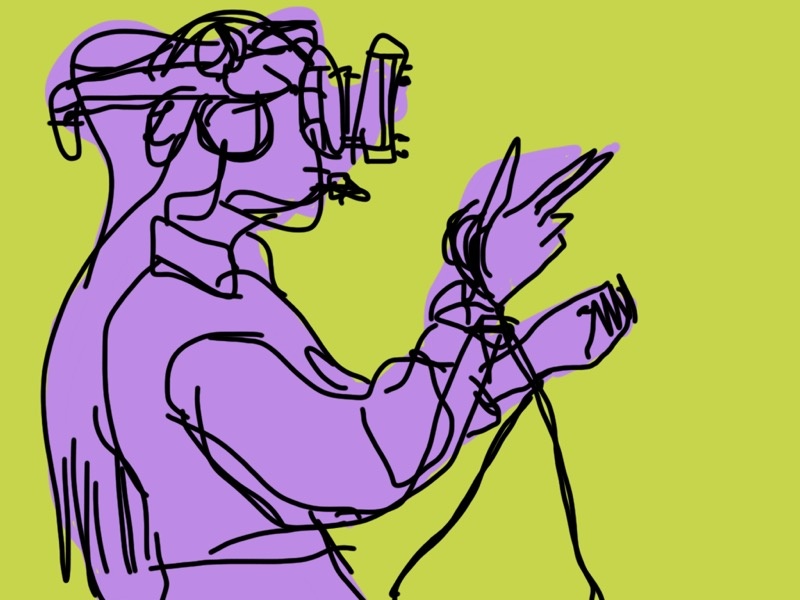 I got really interested in the development of WebVR technology and the impact it could have in journalism. This led me to explore a variety of tools for making VR easier to develop, both for journalists and for developers without graphics programming knowledge.
Here are three tools for making VR in the open web, in descending order of required technical skills. But even if the first are harder to use for non-technical people, I’ll bet that if you can write just couple of lines of JavaScript, you’ll be able to create amazing VR scenes.
See the full write-up here: http://gijn.org/2016/07/26/new-tools-open-up-virtual-reality-to-journalists/
Veeso wants to share your smiles and eye-rolls in VR
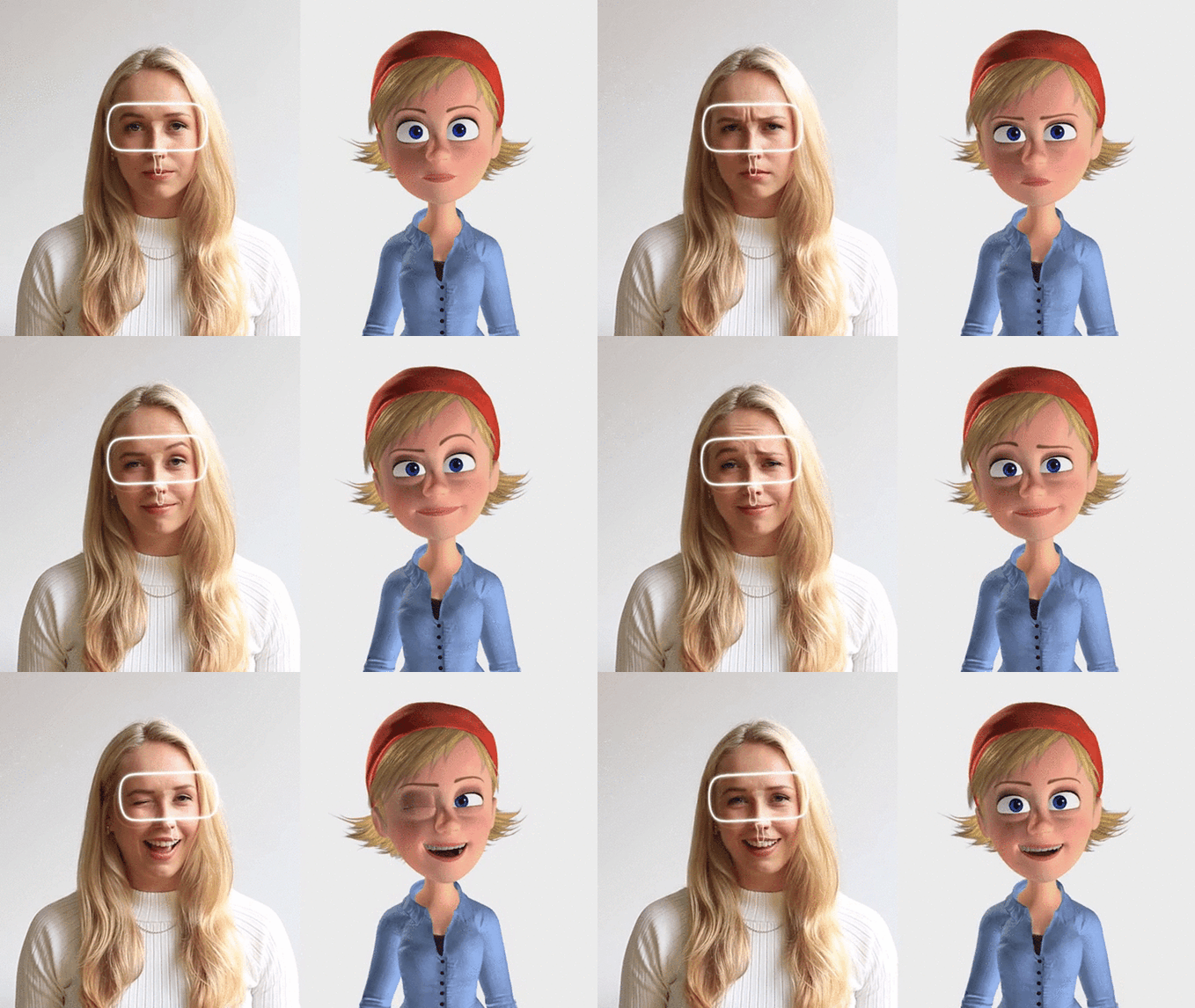 The Veeso headset not only tracks the user’s mouth and jaw but also has infrared eye-tracking sensors built into the headset to track the user’s line of sight. This is especially effective for social VR, saving you from weird interactions with avatars with dead eyes.
See the full story here: https://techcrunch.com/2016/07/25/veeso-wants-to-share-your-smiles-and-eye-rolls-in-vr/
Exploring Methods for Conveying Object Weight in Virtual Reality
 ...could we throttle the speed of a user’s actions when picking up objects to make things feel heavier or lighter?
As far as production software, we were torn between our familiarity with Unity and the rendering potential of Unreal. We stuck with Unity for now, and hope to explore Unreal more in future explorations.
Step 1: Becoming Pick Up Artists
You can’t explore weight without first nailing down the basic physics of how objects can be picked up and moved around, and we quickly found that these concepts were one in the same.
Step 2: Exploring Other Sensory Cues
In addition to the mechanics of lifting and grabbing, we felt it was important to explore other forms of feedback that could help convey an object’s weight. This manifested in two forms: visual and haptic feedback. In both cases, we tried to reinforce the amount of “strain” the user would feel as their controller approaches the thresholds of tension for a given object.
Step 3: Testing and Tweaking and Testing
With all of these factors, we had a seemingly endless list of permutations to explore. So to test and compare, we started working with multiple implementations in the same environment
Most of the primary differences weren’t even based on the physics — instead, they focused on the impact of secondary visual and haptic feedback on the physical interaction.
Testing
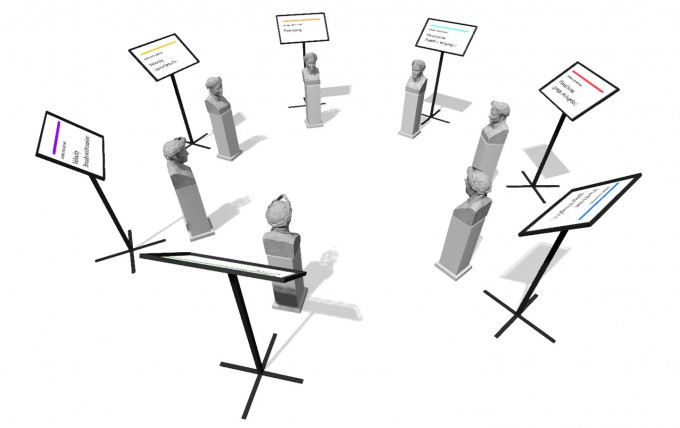
We created two scenes for user testing. In both, we arranged seven stations around the user. Our first scene had a single object per station, so testers could directly compare how it felt to pick something up using each method. As they worked through the stations, we asked a series of questions: Which object felt heaviest? Which method would you prefer if you had to pick up many objects? Which method felt the most natural?
Takeaways
While we saw a few high-level trends in our tests, no single implementation was a consensus top pick. This wasn’t unexpected; going into this exercise, we didn’t think there would ever be a ‘right’ answer. But we were able to draw plenty of conclusions from the input we received.
Loose Links Work Best When the Connection Can be Broken
But Unless It’s Vital to the Interaction, Weight Is an Annoyance
More Feedback is Welcome — and Don’t Forget Sound!
When we chose to add sound to this exercise, we didn’t think much of it. But it turned out to have a huge impact on how our testers perceived weight. The thuds of heavy objects hitting the ground or rubbing against each other reinforced the differences in mass.
‘Basic’ Interactions in VR Are More Complicated Than They Seem
See the full story here: http://www.roadtovr.com/b-reel-simulating-object-weight-mass-virtual-reality-motion-controllers
‘Zombie Survival’ Opens In Tokyo: The World’s Most Advanced Free-Roam VR Experience
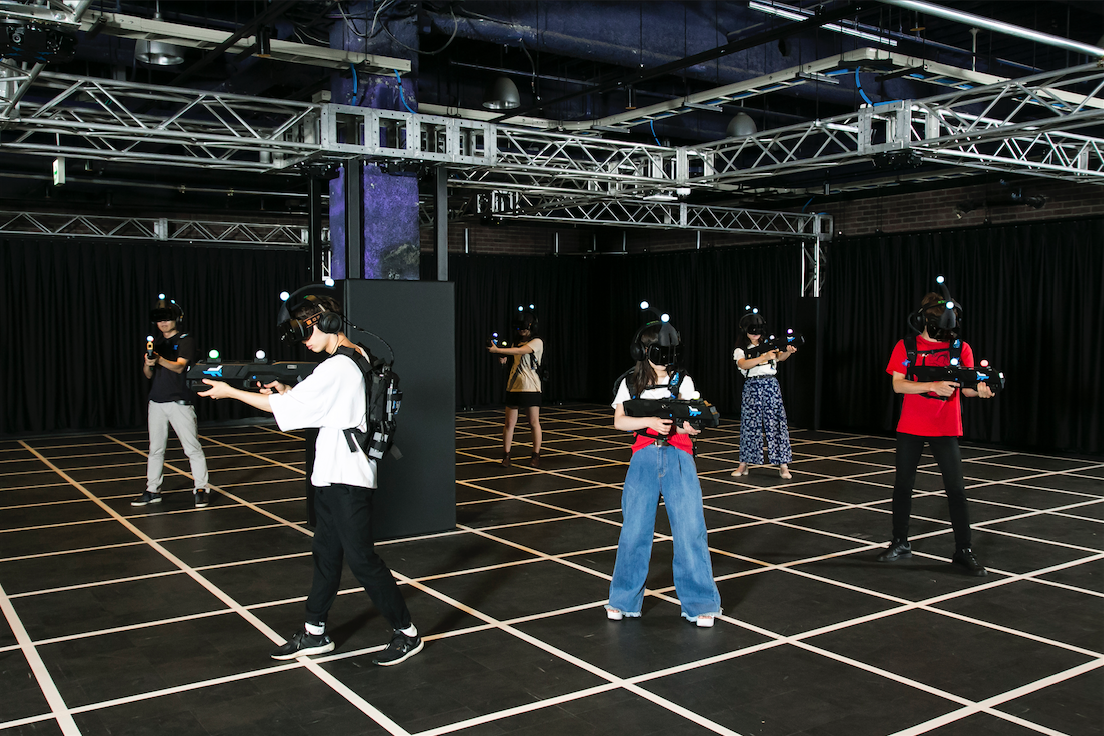
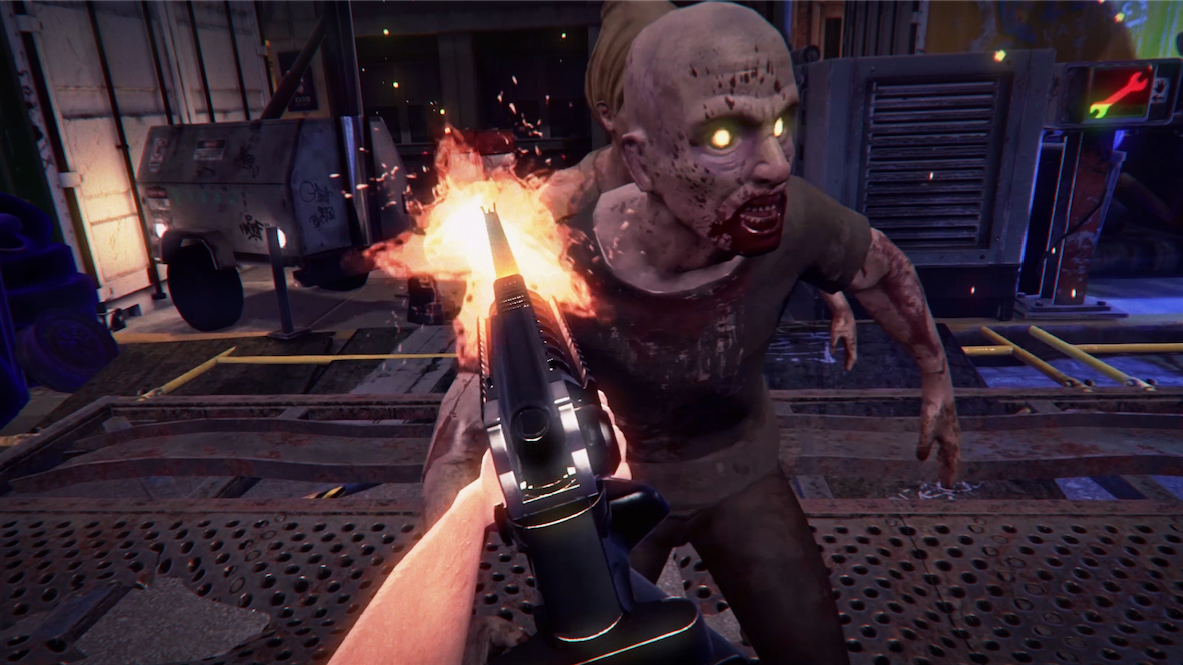 Developed by Australian start-up, Zero Latency, the game and platform have been updated for the Japanese market, and will be operated by game giant Sega. Playable by up to six gamers at once, Zombie Survivalis a specially tweaked version for the format in Joypolis, and is the first rollout to the public. It is also the first permanent installation for Zero Latency VR.
... spend 12-minutes as part of the six-man “Alpha Team” roaming a 280 square meter space blasting away at hordes of zombies as they tried to overrun our position. I felt like I was on the set of The Walking Dead TV series, but acting out the battle inside Star Trek’s holodeck. Zombie Survival is uncannily real, frightening, technically brilliant and above all epic fun.
See the full story here: http://www.forbes.com/sites/peterlyon/2016/07/22/zombie-survival-opens-in-tokyo-the-worlds-most-advanced-free-roam-vr/#b3f24433ff76
The Makings Of A Brilliant Virtual Reality RTS
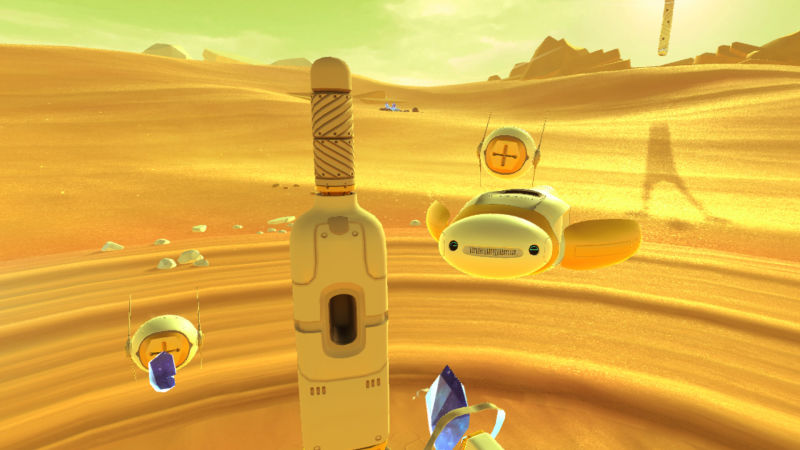 It’s funny how much more important defending your base is when you’re standing in the middle of it. Cosmic Trip for the HTC Vive uses virtual reality to deliver a intimate perspective on real-time strategy.
See the full story, with a game-play video, here: http://kotaku.com/the-beginning-of-a-brilliant-virtual-reality-rts-1784240890
MIT made a movie screen that brings 3D to all seats – without the glasses
 [Philip Lelyveld comment: I don't see anything here that goes beyond lenticular display tech.]
‘Cinema 3D’ that uses a complex arrangement of lenses and mirrors to create a set number of parallax barriers (think of Venetian blinds that show a slightly different set of pixels to each of the viewer’s eyes to simulate depth) that can address every viewing angle in the theater based on seat locations.
So far, the prototype isn’t nearly ready for market – it’s about the size of a letter-sized notepad, and it needs 50 sets of mirrors and lenses.
Researchers figured out you can do this in movie theaters because, unlike at home, you pretty much know where audience members are going to be: the seats are in fixed locations, and people tend not to move around, change seats or otherwise vary their angle of viewing too much during the screening of a movie.
See the full story here: https://techcrunch.com/2016/07/25/mit-made-a-movie-screen-that-brings-3d-to-all-seats-without-the-glasses/
THE MOST EXPENSIVE VR EXPERIMENT YOU’LL SEE ALL WEEK
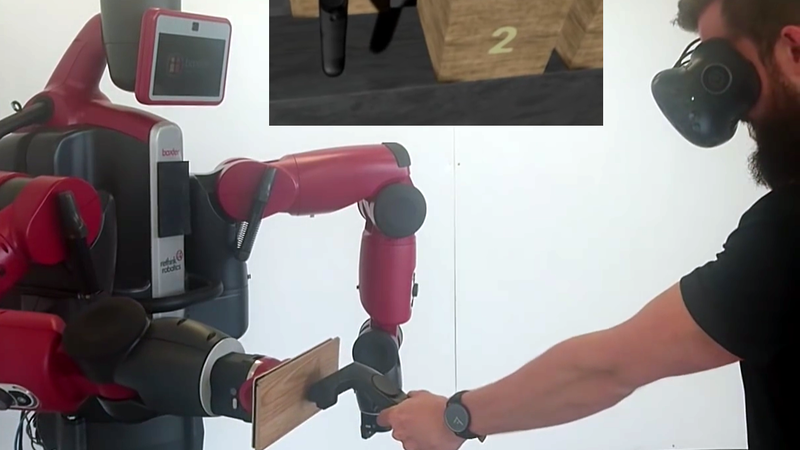 There isn’t a lot of detail to be found behind this short demo of robot-based physical feedback for VR, but the video (embedded below) demonstrates things well. It’s an experiment in generating force feedback for virtual objects using a Baxter robot and the HTC Vive. When the user presses against a wooden block in VR, the robot presses back which simulates the mass of the virtual object. Force feedback is one of these areas in which research is ongoing, and in a variety of different directions.
Like so many other things in life, nothing beats the real thing for actual physical feedback. Also, there’s something great about giving a $25,000 robot the job of impersonating a few simple wooden blocks in VR, just so you can strap on a VR rig and basically give a robot a realistic-feeling fist bump.
See the full story with video here: http://hackaday.com/2016/07/24/the-most-expensive-vr-experiment-youll-see-all-week/