Oculus Rift review – VIRTUAL REALITY IS ALWAYS ALMOST HERE
 But after nearly four years, the finished Oculus Rift has shipped to its very first group of customers, and it’s time to see whether the headset that started it all is still pushing the cutting edge of virtual reality.
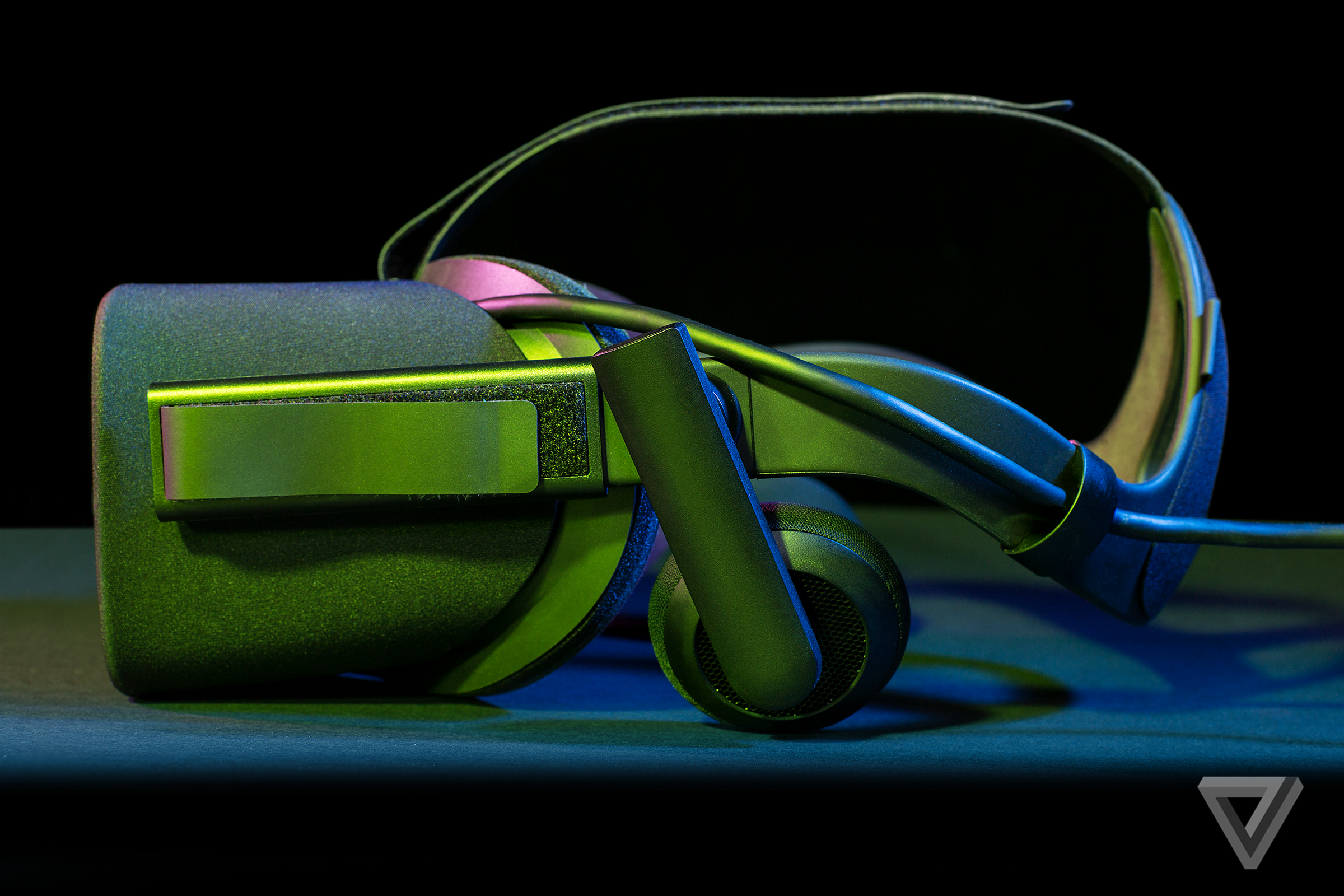
The all-black headset is downright understated by gaming hardware standards, with a front of smooth rubber, sides coated in coarse cloth, and lenses surrounded by a web of lycra. It’s tethered to a PC by a single wire, which runs out your left temple and along one of the adjustable side straps.
But once you get used to wearing it, the headset feels lighter and more comfortable than most of its competition, sealing against your face with a firm but pliable ring of foam.
Along with a cylindrical black tracking camera on a slender 8-inch stand, the Rift comes with two accessories: an Xbox One gamepad and a small, simple device called the Oculus Remote.
The 4-meter headset tether ends with one USB and one HDMI port, and the tracking camera is plugged in with its own USB cable — there’s no external power cable or controller box for either piece. You’ll just download Oculus’ Windows app and run through a short, though descriptive, setup checklist before getting into VR.
None of this matters if the view from inside the Rift is no good — and fortunately, it holds up. The headset contains a pair of lenses, a gyroscope and accelerometer, a pair of decent-quality removable earphones, and two 1200 x 1080 screens. The image they produce is bright and relatively clear (although it still has a bit of the graininess that almost all VR headsets struggle with), and the overall resolution is about the same as the single-screened Gear VR.
The biggest problem is that it’s impossible to tell where that space ends until you step outside it, causing a sickening jerk as the world stops responding to your motion.
The result is a lot of games where VR feels like an addition, not a transformation. Most of the first-person experiences could translate to flat screens without much trouble, and some — like space exploration game Adrift — are already coming to both VR and flatscreen platforms like PC and PlayStation 4.
VR-friendly design occasionally hampers a game. Chronos, a beautiful fantasy game that’s become one of my favorite Rift launch titles, uses the same combat mechanics as Dark Souls. Unlike Dark Souls, the camera moves between fixed angles for each area instead of directly following the player. This gives you a perfect view of its beautiful environments, and it cuts the risk of motion sickness to almost zero. But it also means that large enemies can block your view of the protagonist, and the camera will disorientingly pop to a completely different location if you move too far during a battle.
The high cost of buying and running high-end VR headsets makes them inaccessible to many people, and the Rift in particular is relentlessly focused on gaming. Within these limitations, though, the Rift makes a good case for seated VR, and it lays a solid foundation for what’s to come. The headset you can buy today is not Oculus’ most ambitious vision for virtual reality — but it’s a vision that Oculus has successfully delivered on.
See the full story here: http://www.theverge.com/2016/3/28/11284590/oculus-rift-vr-review
Netflix Party lets long distance friends watch together
 [Philip Lelyveld comment: Social VR will lead the way for VR adoption. This is one form it will take, and it is also a great way to monetize catalog.]
But now there’s Netflix Party, a chrome extension that lets viewers sync their Netflix viewing session across time and space and adds a group chat sidebar for good measure. Remember Xbox Live’s Netflix Party? Yeah, it’s like that but in a browser window.
This extension is not from Netflix so install at your own risk.
See the full story here: http://techcrunch.com/2016/03/28/netflix-party-lets-long-distance-friends-watch-together/?ncid=tcdaily
PlayStation 4K is reportedly real, so what kind of performance can we expect?
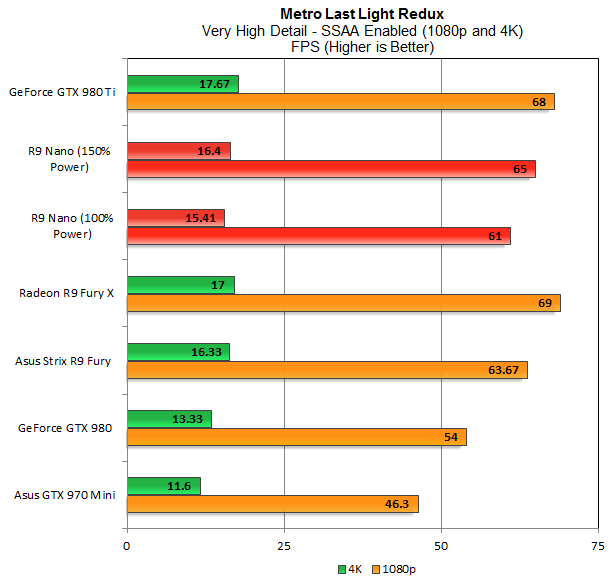 Let’s get one thing out of the way up front. Regardless of whether Sony calls this a PlayStation 4K, there’s no modern GPU that can pack into a console and offer a consistent 30 FPS at 4K within a $400 system price point. Teardowns of the original PlayStation calculated a $121 bill of materials (BOM) cost for its various processors. Even if we assume AMD’s next-generation Polaris architecture could deliver a 2.5x performance increase, the power envelopes and raw frame rates just don’t add up.
If “true” 4K isn’t available, what can Sony offer?
Sony’s best bet with any hardware refresh is to focus on delivering significant gaming improvement at existing resolutions while simultaneously supporting 4K media playback. Upgrade the Blu-ray player to Ultra HD, add HDMI 2.0 support for 4K output, take advantage of the HDR support AMD is building in next-gen hardware, and you’ve got a potent upgrade option. 4K at 30 FPS might not be achievable, but 900-1080p at 60 FPS probably is.
Alone together: my weird morning in a virtual reality chatroom
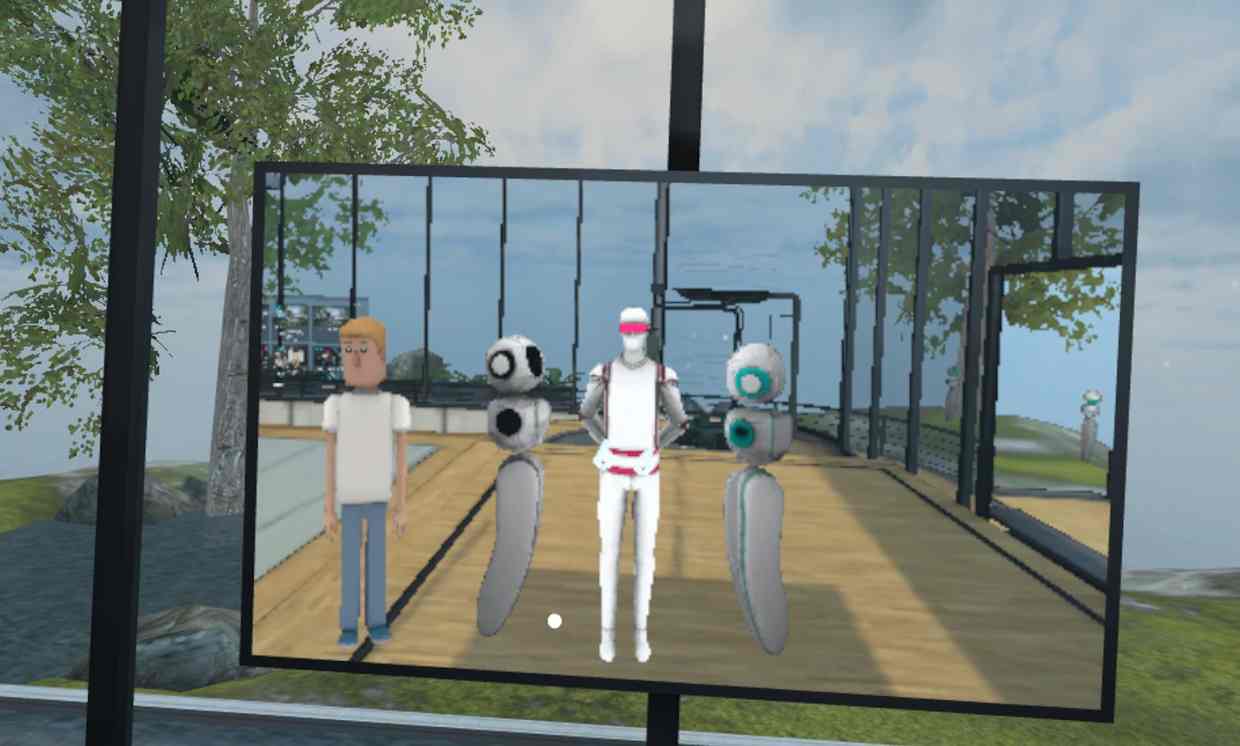 AltSpace VR has already attracted more than $15m (£10.6m) in venture capital funding, and Mark Zuckerberg has talked about multi-user VR as the future of social media. There are alternatives to AltSpace, such as vTime and VRChat but this one is getting a lot of interest due to its multi-platform compatibility and array of features.
Organisers of real-life events can also arrange to stream live footage into AltSpace – there’s even a plush cinema viewing room where you can stand and watch. Facebook streamed the recent Oculus Connect 2 conference into the world.
We don’t have to ask about age or sex because those come through, to some extent, in our voices. That’s the first really intriguing thing about VR chat – if you talk, it’s harder to disguise your gender; you’re giving away much more real-world information about yourself.
At the same time, there’s no aural intimacy. If you’re in the same room with other people, you can hear everyone chatting at once and there’s little positional detail (even though the Rift and Vive support that function), so everyone is more-or-less the same volume.
But it’s all so strange at the moment because our brains are still adapting to this brave new world. It is crazy to be both embodied and not embodied in a space. To have the visual cues of physical intimacy without any physical intimacy at all. There were times when I cocked my ear towards another speaker in the room to hear them better. Of course it made no difference but some part of me thought it would. All those little indicators of mood and intention that accompany our movements and facial expressions in the real world are lost here. We have our voices and weird, unresponsive metal bodies. We are souls in an alien world.
See the full story here: http://www.theguardian.com/technology/2016/mar/24/alone-together-my-weird-morning-virtual-reality-chatroom-alt-space
Samsung’s New Headphones Trick Your Inner Ear to Move You in VR
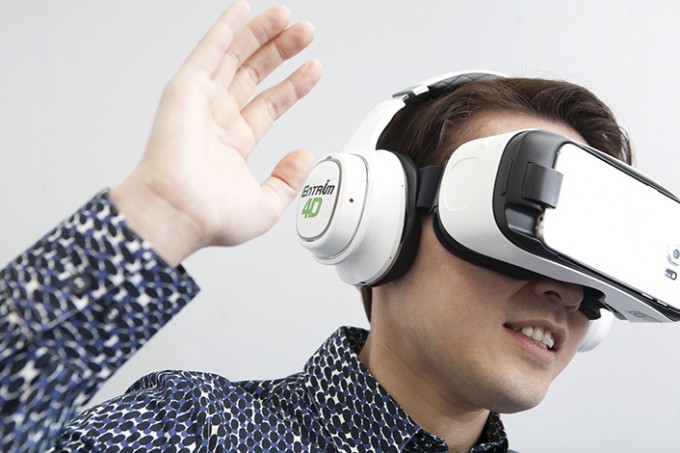 Samsung’s to bring a new set of experimental headphones to SXSW that uses electrical impulses to fool your inner ear into thinking your body is physically moving. What’s more, they seem to be pitching the new headgear for virtual reality use alongside the company’s Gear VR headset.
The process in question is known as Galvanic Vestibular Stimulation (GVS) and it’s long been a technique talked about in the virtual reality community as a way to bridge the gap left by visually and aurally induced psychological immersion, or presence. That is, you can only do so much with sight and sound, no matter how good your picture and audio is, you won’t physically feel movement with those methods alone.
GVS uses tiny electrical impulses to stimulate your vestibular system, the sensory system of your inner ear that controls your sense of balance and inertia, into thinking you’re moving when you’re not. The practical upshot is, if you’re able to take output from a game you can in theory simulate the physical sensation of travelling at speed around a race track or riding a roller coaster for example.
The Entrim 4D is describes as a “motion headset that lets you feel (and not just see) VR”.
Counter-intuitive as it may sound, this kind of trickery of the inner ear may help reduce the chances of nausea...bringing your physical sensations in line with those in the virtual world...
Entrim 4D has been declared as “safe”, having been tested on some 1500 human guinea pigs, resulting in the development of 30 ‘movement patterns’...
See the full story here: http://www.roadtovr.com/samsungs-new-headphones-trick-your-inner-ear-to-move-you-in-vr/
Pornhub gets immersive with new virtual reality category
 Pornhub, one of the most popular adult entertainment sites in the world, is getting into the VR biz.
The company will be teaming up with BaDoinkVR, which has already been creating premium VR adult content for quite a bit, to add a new “virtual reality” content section to its site. The company announced the news via a mostly SFW infomercial-like launch video.
The company says the content will be viewable on Google Cardboard, Samsung Gear VR, and the Oculus Rift.
A report from Piper Jaffray suggests that the virtual reality adult content segment will be worth $1 billion by 2025 which is wild because that is predicting that VR porn will be the third-largest market for VR content behind NFL-related content and, of course, video games.
See the full story here: http://techcrunch.com/2016/03/23/pornhub-gets-immersive-with-new-virtual-reality-category/
HP Software Updates their Augmented Reality Application, Aurasma
 HP Software, a part of HP Inc., recently unveiled on its website, new updates for their augmented reality platform, HP Aurasma. The latest features will help guide various marketers toward a more content-centric approach. This will help agencies and brands to create excellent experience with the augment reality platform’s expertise that is built directly in the product.
The Aurasma application is completely redesigned and features newer in-built experience to scan, create as well as share the augmented reality experiences. The application is more streamlined and lighter along with numerous screens that are cut by almost half.The new update will introduce newer templates for use cases like packaging, statements, direct mails, event engagement and more. KPIs will vary by use case and customer.
Aurasma has also expanded its services by offering Aurasma with the brand’s own branding as well as provides with advanced aura building. Marketers will now be able to assemble, measure, and launch a more successful augmented reality marketing campaigns.
The new upgraded platform includes a software development kit (SDK), white-label application services, self-serve studio. The app is currently available in both, Google Play and Apple App Store.
See the full story here: http://www.martechadvisor.com/news/hp-software-updates-their-augmented-reality-application-aurasma/