Is virtual reality the future of the fashion show?
 This week, Balenciaga announced that they would be streaming their AW16 show – the first under new creative director Demna Gvasalia of Vetements – to a mobile and tablet app in the form of 360 degree, virtual reality footage. Calling it “a new panorama, for a new era of Balenciaga”, the house described the gesture as “an egalitarian proposition, allowing a worldwide audience the unique opportunity to view a Balenciaga show like never before…immediate and real-time for the new creative identity of the maison.” While details on how this will look are sparse, we can assume that giant VR headsets won’t be necessary – viewers will most likely be able to simply move their phones or manipulate their screens to control the direction of the camera.
Yesterday morning, renowned runway experimenter Hussein Chalayan announced that shortly after his show today, a 360 video will be available to view online.
For Chalayan, who is working in collaboration with Swarovski, it’s far from the first time he’s dabbled in the high tech and futuristic – he’s previously shown LED-lit dresses, transformative robotic outfits, and last season, models wore garments that simply melted away beneath streams of water.
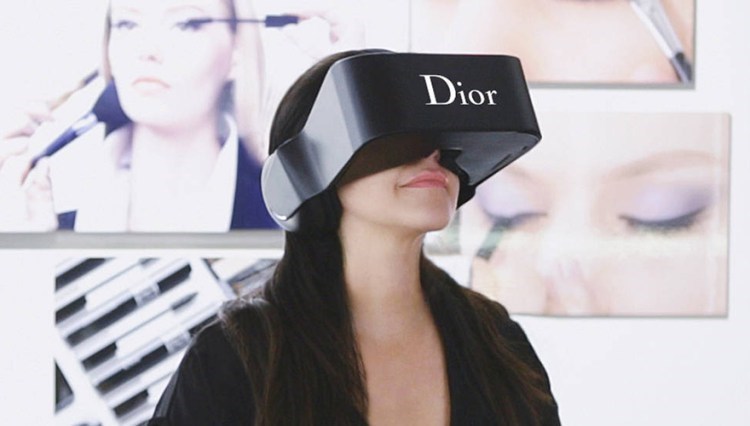
360 filming is a technique that’s already been employed in several high-profile cases – last season, for what was later revealed to be Raf Simons’ final show for Dior, the house made a post-show video available in this style where viewers could use a click wheel to view different aspects of the runway. Back in June, they also debuted Dior Eyes, a 3D printed virtual reality headset found in select stores that promised to “lift the curtain” on the house’s latest ready-to-wear show, giving shoppers an immersive look behind the scenes. Björk also famously used the technique for her recent Dazed-premiered “Stonemilker” video, and (unsurprisingly) companies have started exploring the pornographic, first-person POV possibilities of VR headsets.
The adoption of 360 is evidence that this digital democracy is ever-expanding, and gaining pace – with brands increasingly prioritising fans and consumers over now seemingly archaic systems (as with the See-Now, Buy-Now trend embraced to different extents by everyone from Burberry to Prada).
See the full story with video here: http://www.dazeddigital.com/fashion/article/30163/1/is-virtual-reality-the-future-of-the-fashion-show?curator=FashionREDEF
Augment Raises Series A Funding to Expand its Augmented Reality Enterprise Solution
 Augment, an augmented reality platform that allows users to envision any object in their current environment through a simple mobile app, today announced a Series A funding round, bringing the total funding since launch to $4.7 million from Salesforce Ventures and other investors.
The company, headquartered in Paris, France, has experienced tremendous growth over the past year and will use its funds to expand global sales and partnership programs, accelerate product development, and scale its global reach, which includes the onboarding of several key hires.
Over the last year, Augment has increased its revenue by over 200 percent and expanded its customer base to include AccorHotels, Coca-Cola Germany, Engie and L'Oreal.
See the full story here: http://www.itbusinessnet.com/article/Augment-Raises-Series-A-Funding-to-Expand-its-Augmented-Reality-Enterprise-Solution-4319690
HoloLens Developer Documentation Reveals Interesting Details About The Augmented Reality Headset
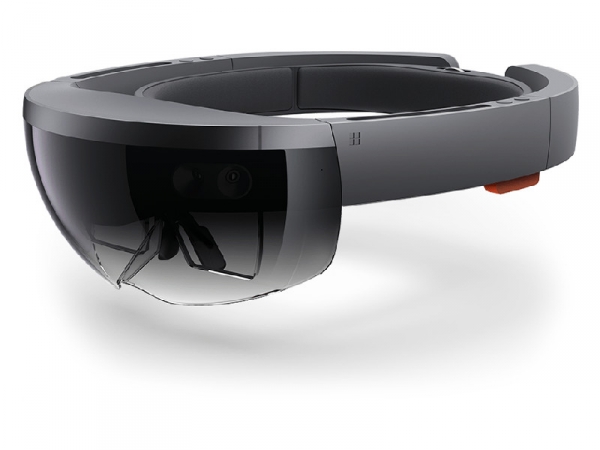 Low Resolution 1,268 x 720p.
Automatic App Killing "If HoloLens exceeds its thermal capabilities, the foreground application will be shut down to allow the device to cool off," says the documentation.
Holographic Density According to the company, the HoloLens has a holographic density of 2.5K radiants and the holographic resolution is 2.3 million light points.
Holograms Distance Limitation The HoloLens has a limited field of view, which means the displays are fixed at an optical distance of 2 meters (6.56 feet). Once the user moves closer, the holograms begin to fade at about 1 meter (3.28 feet) and disappear completely when one nears 0.85 meters (2.79 feet).
Memory Limitations 900 megabytes
See the full story here: http://www.techtimes.com/articles/138243/20160303/hololens-developer-documentation-reveals-interesting-details-about-the-augmented-reality-headset.htm
Intel Working on Augmented-Reality Headset
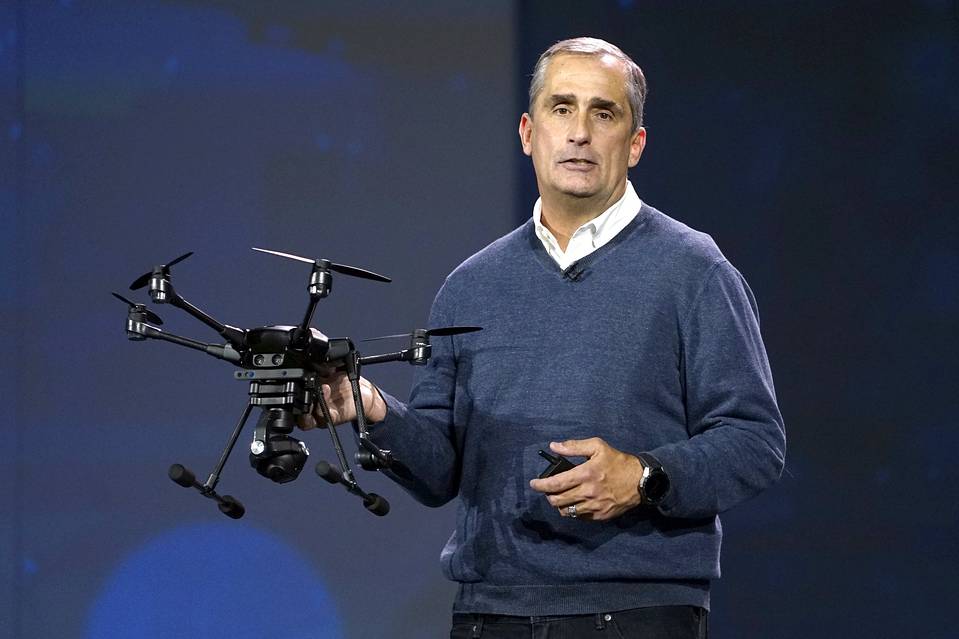 Under Chief Executive Brian Krzanich, Intel has been developing components for new markets like wearable fitness trackers, smart jewelry and drones. Augmented reality presents an additional opportunity, requiring not only the company’s microprocessors but also special-purpose image-processing chips and 3-D camera components.
Intel has acquired at least five companies working on augmented-reality technology and has invested in and joined with with others. In June 2015, for example, the company bought Recon Instruments, whose goggles for sports enthusiasts project information like maps and distances on a small display near the wearer’s right eye.
See the full story here: http://www.wsj.com/articles/intel-working-on-augmented-reality-headset-1456954081
Virtual Reality Studio Felix & Paul Taps New Regency’s Ryan Horrigan (Exclusive)
 Horrigan, who served as a senior development and production executive on projects including 12 Years a Slave at the production company that was also behind The Revenant andBirdman, will remain based out of Los Angeles and will build out an office there for the Montreal-based company.
See the full story here; http://www.hollywoodreporter.com/news/virtual-reality-studio-felix-paul-872199
This Wall Street Firm Says Virtual Reality Is Like Smartphones Nine Years Ago
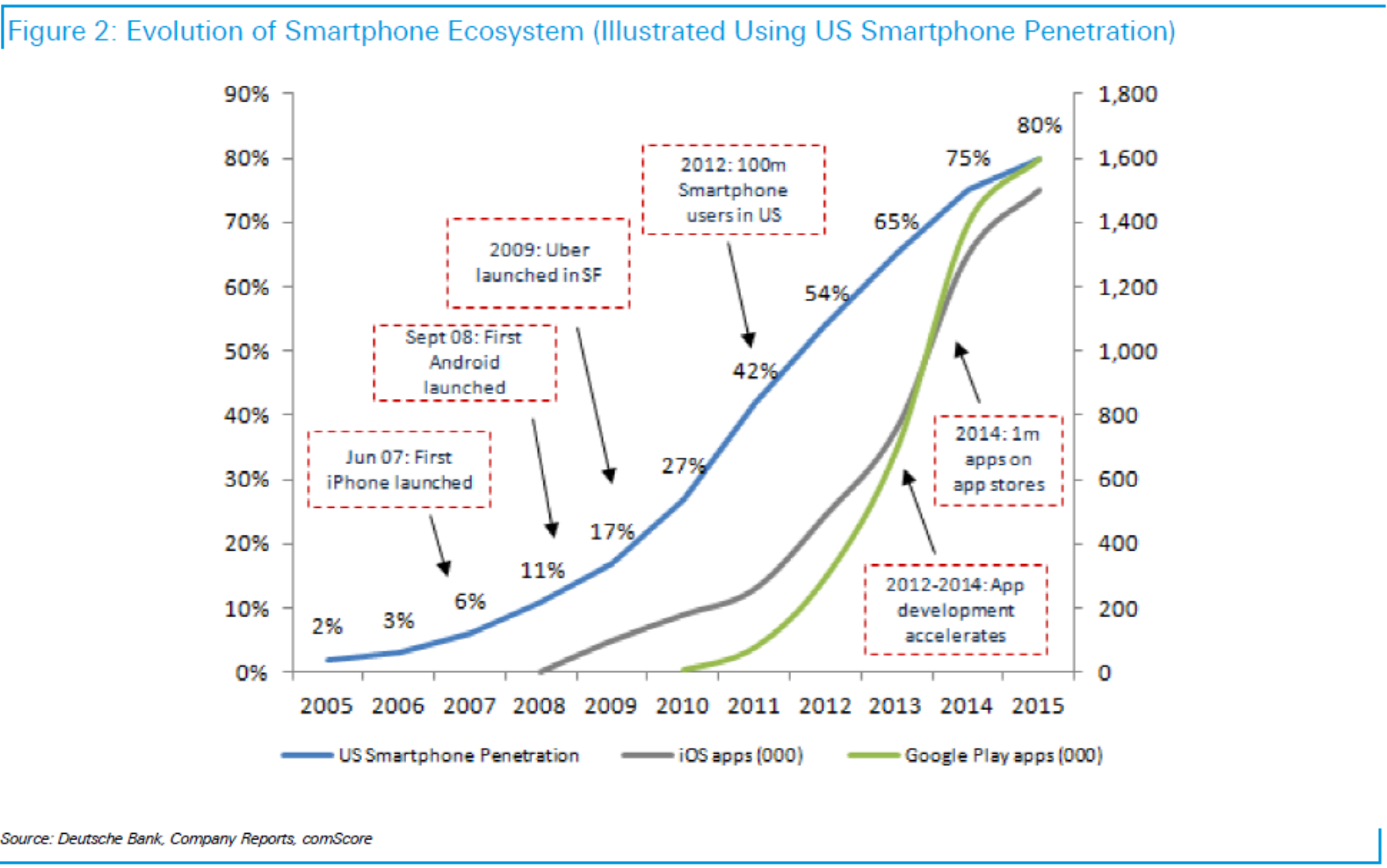
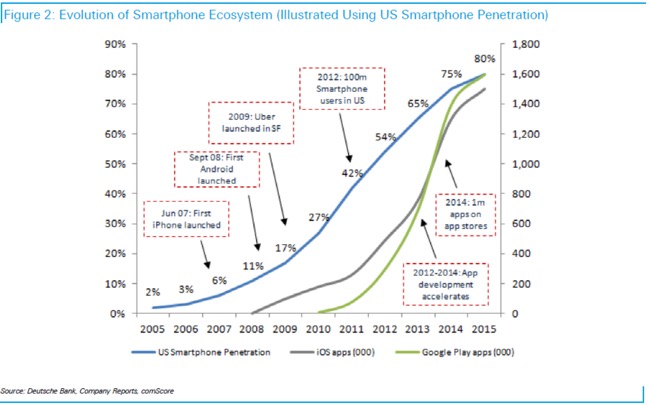 Deutsche Bank AG analysts led by Ross Sandler draw a parallel to early sales of smartphones by companies that include Apple Inc.
"We think the VR [virtual reality] ecosystem is in its '2007-smartphone' moment in terms of the adoption cycle," the analysts write in a 68-page note published on Thursday. "It took four to five years for smartphones to reach 100 million users in the U.S., we expect a slower adoption curve for VR, but still strong enough for an enormous market."
The risk, however, is that the next two years could bring about a period when people actually turn negative on the space due to a high rate of hardware sales without the accompanying content needed to be truly "wowed." They draw a parallel once again with the launch of Apple's iPhone in 2007 and the extra time it took for popular apps from Snapchat Inc., Facebook, or Uber Technologies Inc. to be launched and help build a user following and drive sales.
See the full story here: http://www.bloomberg.com/news/articles/2016-03-03/this-wall-street-firm-says-virtual-reality-is-like-smartphones-nine-years-ago#media-4
This Virtual Reality Startup Wants to Make Characters Talk Back
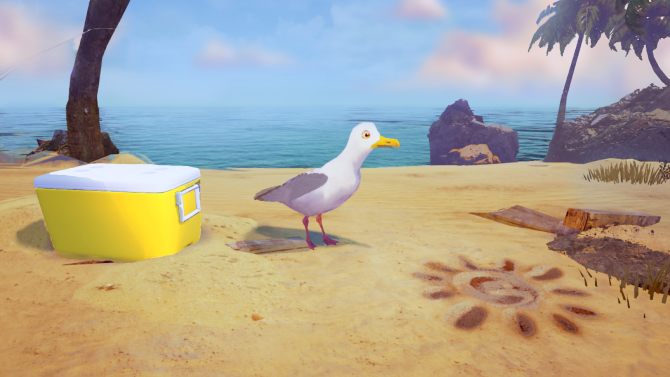 Seattle-based virtual reality startup Limitless is building a new technology to bring responsiveness to animated characters in virtual worlds and experiences. Founded by former Pixar character lead Tom Sanocki, Limitless is looking to give virtual-reality content producers the tools to make their characters respond to their viewers.
The company is getting ready to show off a first demo of its technology at the Game Developer Conference in San Francisco next week, where fellow Pixar alum and Motional founder Mark Walsh will show off his VR short film “Gary the Gull,” which features a seagull overeager to make friends with a human on the beach.
In the piece, which was built with Limitless technology, Gary responds to both voice input and position — leaning forward gets the seagull to retreat.
See the full story here: http://variety.com/2016/digital/news/this-virtual-reality-startup-wants-to-make-characters-talk-back-1201721377/
Samsung hails virtual reality gig as the ‘future of music’ – is this the end of rock’n’roll?
 Instead of visiting the concert in person, revellers strapped on helmets and watched it from afar.
The band said the experience left them "buzzing", a phrase which would sound markedly different if coming from the lips of Keith Richards or the other elegantly wasted stars of yore.
 Instead of braving the perils of a moshpit, Samsung invited fans of the band to watch a live gig from a different location.
They were able to choose the angles and move around the room, even taking up a position on stage with the performers.
David Lowes, chief marketing officer at Samsung Electronics Europe, added: “Last night’s collaboration gave music fans across Europe a taste of how a smartphone and VR can transform the art of the live performance - and the audience’s experience of it.
See the full story here; http://www.mirror.co.uk/tech/samsung-hails-virtual-reality-gig-7477441