Virtual reality turns Alton Towers flying coaster into intergalactic spaceship
 Set to debut in April, the first VR coaster experience at the theme park in Staffordshire, England, will take riders on an intergalactic journey aboard the existing Air flying coaster.
Riders wearing Samsung Gear VR headsets will encounter molten planets, frozen tundras and newborn stars as they travel 45 mph along the twists, turns and loops of the 2002 Bolliger and Mabillard coaster.
After boarding the Air train, riders put on Samsung Gear VR headsets, and the virtual adventure begins. A ground crew of service droids prepares the jetpack flight vehicle for space travel as an artificial intelligence robot named Eve goes over the cosmic flight plan.
During the 80-second journey, riders pass through the clouds of the Great Orion Nebula, over the lava lakes of the fictional volcano planet Nero 5, across the frozen landscapes of frost-covered Keplar 9, and they witness the birth of a new star.
This summer, a new Ghost Train attraction combining virtual reality technology with special effects and magical illusions will debut at Alton’s U.K. rival Thorpe Park outside London.
See the full story here: http://www.latimes.com/travel/themeparks/la-trb-alton-towers-galactica-virtual-reality-coaster-20160224-story.html
Augmented Reality for Your Ears
 Building on their knowledge of audio signal processing, Arkamys has designed the “3D Advanced Driver Assistance System” (3D-ADAS) system for installation in the cabin of automobiles that “spatializes” the alert sounds that your car makes – using multiple speakers within the car’s cabin to indicate the position and motion of the potential danger causing the alert.
While I was confused and searching the cockpit for some indication of what the alarm was, a car with 3D-ADAS would have lead me to the potential danger through a normal reaction to a sound coming from that direction.
The 3D Advanced Driver Assistance System is not currently in any vehicles but Arkamys has been speaking with car manufacturers about enhancing the functionality of their safety alert systems with 3D-ADAS.
See the full story here: http://geekdad.com/2016/02/arkamys/
Virtual and Augmented Reality: The Players and the Game
 There is a very useful infographic and this link that brings together a number of VR/AR Market research graphics. Much of this is a republication of an infographic from last quarter, but it is still useful.
https://www.equities.com/news/virtual-and-augmented-reality-the-players-and-the-game
LG’s new virtual reality headset has a problem: too much reality

 Philip Lelyveld comments: You can see a good, short video review of the LG VR HMD here: http://www.theverge.com/2016/2/24/11100776/lg-vr-360-headset-announced-mwc-2016
The title refers to the fact that the headset plugs into the phone, rather than contains the phone. It is light on your face, but it also lets you see the real world out the sides. They consider that a shortcoming and call it 'slightly underbaked.'
They somewhat unfairly also compare it to PC-based HMDs. "The second big problem is lag. I tested a few different bits of content on the 360, including a roller coaster ride through the ocean, some 360-degree photos from a mountaintop, and footage from a cafeteria full of dancing tweens.... But whenever I turned my head the picture blurred. "
How we could soon all be watching Smell-O-Vision: Film festivals recreate 1960 concept as new virtual reality technology is released
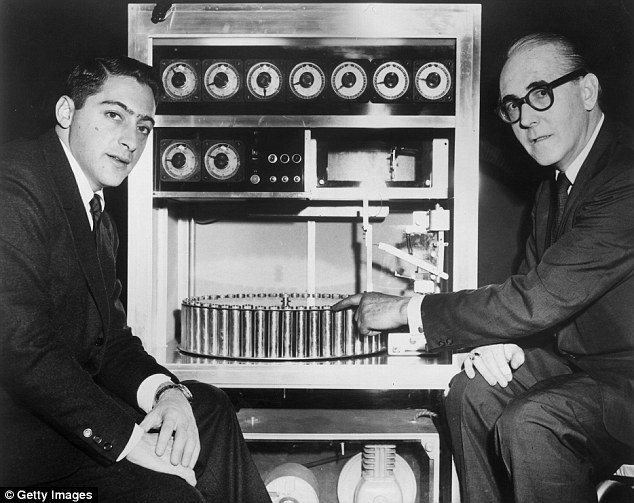 [Philip Lelyveld comment: this is an interesting short history of smell in cinema.]
...new technology now being developed includes a Japanese smelling screen with four small fans - and a virtual reality mask called ‘Feelreal’ which immerses viewers in sight, sound and smell.
More recently in 2013, scientists in Tokyo, Japan, revealed they had invented a 'smelling screen' making smells waft from the spot on a display that their corresponding objects appear.
It works by feeding odours from gel pellets into four air streams in each corner of the screen which are blown across the display’s surface.
Other recent inventions include the oPhone Duo, which came to light in 2014 after scientists sent the smell of champagne and macarons from Paris to New York via an iPhone app.
The oPhone Duo’s system features an app allowing users to make an 'oNote' with a smell created out of a palette of 32 scents that can be combined in 300,000 possible combinations.
In other new technology, the £200 Feelreal virtual reality mask revealed in California in spring 2015 promises users 'the most immersive, unbelievable and fascinating virtual experience you’ve ever known'.
An odour generator built into the headset has seven removable smell cartridges that can be changed depending on the film users are watching or video game they are playing.
See the full story here: http://www.dailymail.co.uk/news/article-3334085/How-soon-watching-Smell-O-Vision-Film-festivals-recreate-1960-concept-new-virtual-reality-technology-released.html
News Corp unites with Ray White to forge new reality in property ads
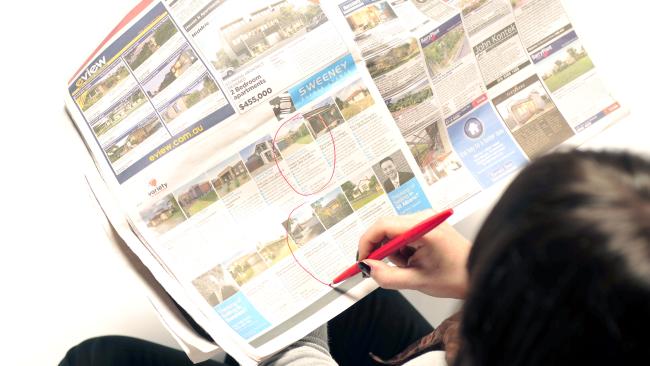 News Corp’s Australian newspapers are reinventing the print advertisement by linking up with real estate agency Ray White to be part of the next wave of virtual reality.
A magazine featuring more than 300 Ray White advertisements for properties set to be auctioned next month will be inserted in News Corp’s Sunday papers on February 28.It will allow readers who have downloaded an application to run their mobile phones over the ads to see more pictures and information about the properties.
Called PropertyAR, the application has been designed by Melbourne-based digital marketing agency, Plattar.Founded by New Zealander Rupert Deans, the agency has worked on the initiative with ASX-listed online property company, REA Group, majority owned by News Corp (publisher of The Australian).
See the full story here: http://www.theaustralian.com.au/business/media/news-corp-unites-with-ray-white-to-forge-new-reality-in-property-ads/news-story/a06ebe8b18a3782c506ef797f8b0f59c
How can BMW’s Head-Up Display support driving?
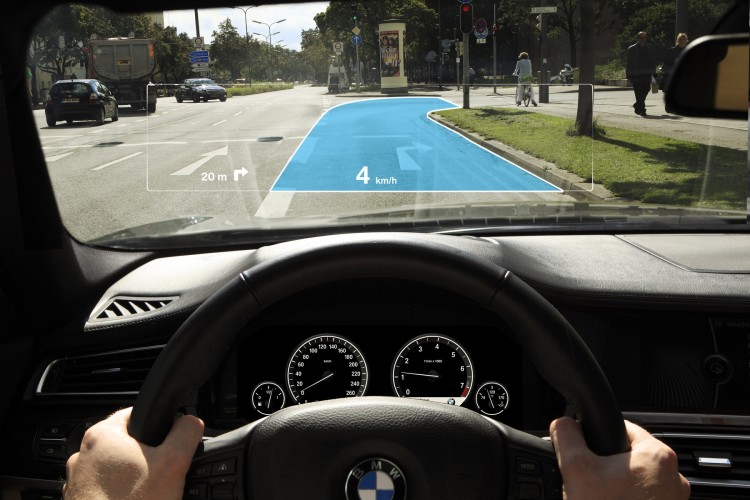
Research project Augmented Reality - contact-analogue Head-Up Display (10/2011)
BMW works very hard on even the smallest of details for its Head-Up display, to make sure that drivers can see the information clearly, quickly and easily without getting distracted. BMW plays with the design, size, placement and color scheme to seemingly no end to make sure that the driver can see the info without it being distracting. It’s actually a very hard balance to strike. How do you design a screen that is bright, colorful and easy to read quickly without making it distract the driver while they’re trying to look past it?
BMW is even working on new Augmented Reality solutions for the Head-Up display, where certain information could be displayed on the windscreen, such as arrows on the street and pointing around turns, as if the navigation system was painted on the road in front of the driver. This sort of Virtual Reality is most likely quite far off, but the fact that BMW is working on it is impressive.
See the full story here: http://www.bmwblog.com/2016/02/20/video-can-bmws-head-display-support-driving/
Watch the video here: http://youtu.be/hYLZ2ehwy-A
Astronaut shows off Microsoft HoloLens augmented reality in space
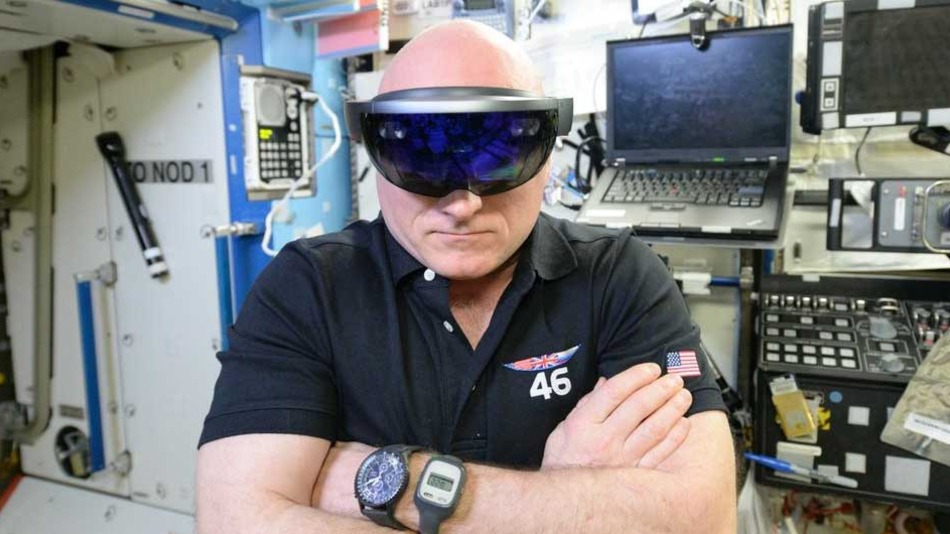 You probably thought you'd already seen the geekiest moments from the International Space Station (ISS). But astronaut Scott Kelly just upped the ante by pulling off what we think is a first: augmented reality in space.
Kelly didn't elaborate on exactly how he's using the device up there so, for now, we'll have to be satisfied with the incredibly cool image.
Nevertheless, based on what we already know about the $3,000 device, the HoloLens could serve as an important tool in the near future for common operations aboard the ISS, such as complex repairs while in orbit.
See the full story here: http://mashable.com/2016/02/21/augmented-reality-in-space/#oo4ynd8dqsqg