Figment VR iPhone case doubles as a virtual reality viewer
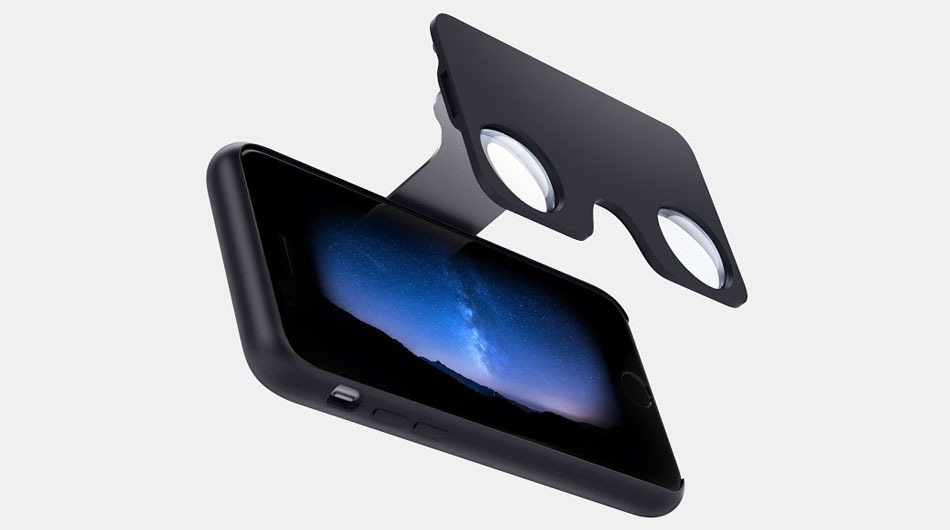 The Figment VR case packs two VR app-ready lenses into a sleek case designed to protect your iPhone 6, iPhone 6 Plus, iPhone 6S and iPhone 6S Plus. A simple sliding mechanism extends the lens component from the back of the iPhone case, and when you're done the lens fold back, seamlessly blending in with the rest of the case's outer surface.
And while we haven't had a chance to test the device out, considering the less than stellar experience delivered by Cardboard, it seems unlikely that the Figment will be the best VR viewer around. In fact, the Figment's lack of side and top eye coverings (which are present on Cardboard) could impact the immersive dynamic VR is designed to offer in the first place.
The Figment VR, which comes in white and black, is launching on Kickstarter for $49 and $59 (Plus versions) and will sell for $69 and $79 when it hits retail.
See the full post here: http://mashable.com/2015/11/17/iphone-case-vr-viewer/#uuZYg717Jgq5
Aberdeen husband and wife team enter virtual reality
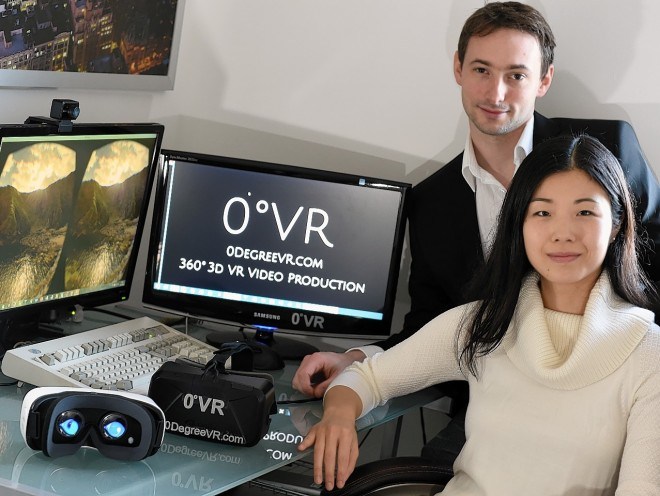 Having spent years studying their subject in depth, the Kerrs have developed their own technology for filming content using their in-house designed camera rigs.
Mrs Kerr, who previously launched a business organising European tours for Chinese tourists, said: “We hope more people can have the knowledge of what we do and take advantage of it.
See the full story here: https://www.pressandjournal.co.uk/fp/business/north-of-scotland/751418/aberdeen-husband-and-wife-team-enter-virtual-reality/
Dysonics is the motion-tracked audio capture solution that VR needs
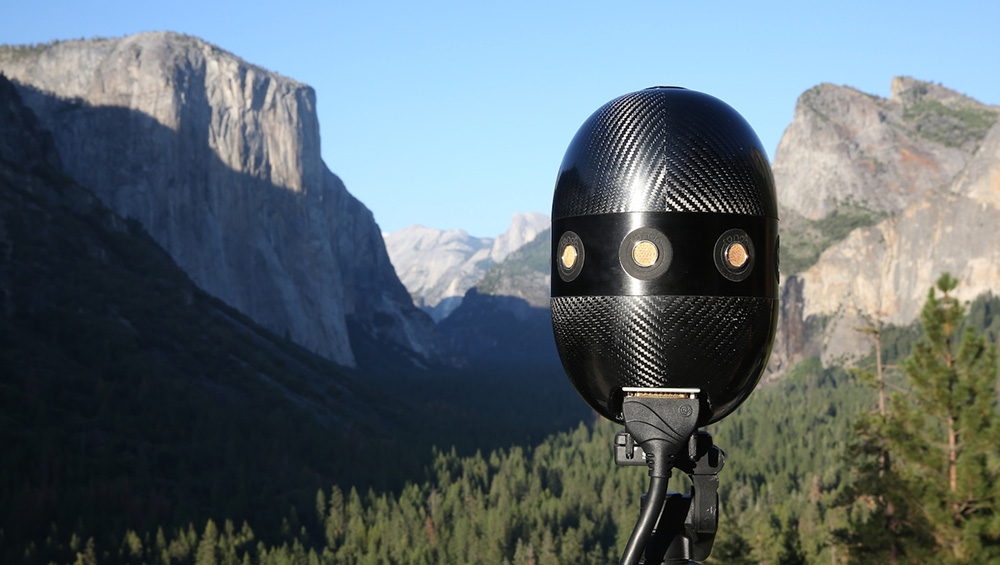 The difference, says co-founder and CTO Robert Dalton Jr., is that for these live recordings Dysonics is using eight microphones in a rig it calls RondoMic. This microphone array captures audio and stitching algorithms are used to put it together in a similar way to how camera footage is stitched together from different cameras to provide 360 degrees of video. Dysonics calls it “motion-tracked binaural” sound. According to the company, it is more difficult and intricate to do correctly than stitching a panoramic video together.
“We’re essentially doing four binaural recordings simultaneously,” he said.
See the full story here: http://uploadvr.com/dysonics-motion-tracked-audio/
What it Will Take to Present Tarantino Film in Ultra Panavision
 First, 97 percent of the 40,000 screens in the U.S. now use digital projection, says the National Association of Theater Owners. Many old projectors were destroyed after the transition; Cutler says they began to hunt for projectors in January and continued until September.
After finding projectors, some dating to the 1950s, Boston Light & Sound had to replace gears, shafts, bearings and rollers, sometimes manufacturing their own based on original blueprints.
Boston Light & Sound will also train existing projectionists and bring in professional projectionists as well as technical staff. Sasaki expresses cinephile’s fond hope: “[Quentin Tarantino] built up this infrastructure which is going to open up the floodgates for potential use.”
See the full story here: http://www.etcentric.org/what-it-will-take-to-present-tarantino-film-in-ultra-panavision/
Impacto adds physical feedback to virtual reality
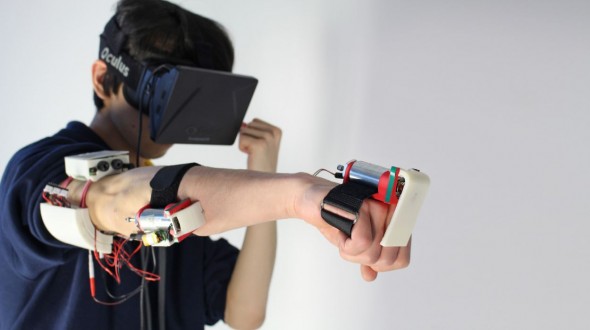 Impacto is a research project being carried out by Pedro Lopes, Alexandra Ion, and Patrick Baudisch at the Hasso Plattner Institute in Germany. It works by combining a skin tap with electrical muscle simulation contained in a small wireless device attached to the body. When a virtual hit occurs, the device reacts by physically tapping the skin and enhancing the hit response by stimulating the user’s muscles and forcing the limb back, just as if it had been struck. All this is achieved in just 50ms.
The tactile response can be varied by fitting a number of different-shaped tips to the device. The type of feedback the user receives is especially suited to sports, with the Impacto having been tested for boxing, soccer, and baseball so far.
While it may seem like quite a limited system, remember this is just a research project and a work in progress, yet they’ve already created a wireless system that can give physical feedback and hooked it into the Unity game engine. Imagine miniaturizing such a device, attaching a number of them to different parts of the body, and you’re well on your way to a virtual reality force feedback suit.
See the full story here: http://www.geek.com/games/impacto-adds-physical-feedback-to-virtual-reality-1639565/
It’s Official: Asus Plans Augmented Reality Headset Launch In 2016; Microsoft Hololens Rival?
 Asus is looking to enter the augmented reality scene by planning a launch of its own AR headset sometime in 2016.
No less than Asus CEO Jerry Shen revealed the plan during an earnings webcast earlier this week.
"It should be next year when we come out with a product," Shen told CNETadding, "we think AR (augmented reality) will be very important for people's lives."
"While the exact price of the headset is still unknown, a low-cost offering could change the landscape of augmented reality, and bring it to people who might not be able to afford the premium HoloLens," Popular Science said.
See the full story here: http://www.franchiseherald.com/articles/44263/20151114/asus-augmented-reality.htm
300,000 High-Res Photos Used to Create the Ultimate Virtual Reality Everest Climb
 The studios created an ultra-realistic “definitive” 3D model of Mount Everest using over 300,000 high-resolution photographs of the famous mountain. Wearing an immersive VR headset, virtual climbers will feel like they’re actually standing and moving through the locations.
“The premise of EVEREST VR is simple,” writes Sólfar. “Preparing for your expedition at Basecamp, you will traverse the Khumbu Icefalls, scale Lhotse Face, ascend the Hillary Step, and finally conquer the summit of Everest.
EVEREST VR is expected to land on virtual reality platforms sometime in 2016.
See the full story here: http://petapixel.com/2015/11/14/300000-high-res-photos-used-to-create-the-ultimate-virtual-reality-everest-climb/
Using Virtual Reality to Save the White Rhino
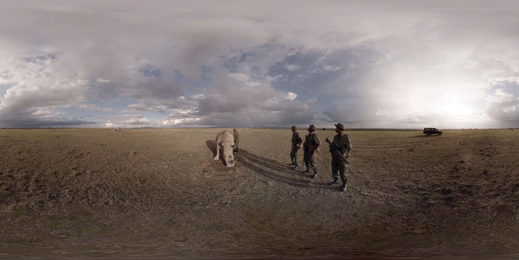 The American scientists and the Kenyan rangers aren’t the only people working to preserve the white rhinos. Kel O’Neill and Eline Jongsma, a pair of American-Dutch filmmakers, are also hoping to save these animals, not via test tubes or guns, but rather through a virtual-reality headset. The Ark, as their project is known, is a virtual-reality documentary that follows the lives of the last remaining four northern white rhinoceroses, as well as the scientists and rangers working half a world away from one another to preserve the creatures.
“We’re working with a 10-camera GoPro array,” explains O’Neill. “We want the viewer to feel as though they’re a floating ball of consciousness while they watch the piece.” This means that, when the viewer looks down, rather than seeing the tripod on which the 360-degree camera stands or a virtual-reality company’s logo, one instead sees the ground.
Digital discovery for Māori & PI youth at Park Jam
 At the Awhi World Augmented Reality workshop, tamariki designed their own strange creatures and used an app to make them "come to life".
"The kaupapa for Park Jam rings so close to home for myself having worked in Technology for 15 years. It's no secret that we need more of our people both Māori and Pasifika in the industry and Park Jam is committed to bridging that gap," explains Anna Brown (Ngāti Maniapoto), a member of the Park Jam organising team.
She continued to say, "With digital skills now just as important for getting a job as reading, writing and maths, these Māngere kids now have a "foot in the door" by taking part in local digital workshops."
Accelerated Aotearoa, Accelerated Auckland and this Park Jam team in particular, hope to expose more South Auckland youth to the range of disciplines within the Technology sector, with the team committed to closing the gap between locals and the pathways to technology careers.
See the full story here: https://www.maoritelevision.com/news/regional/digital-discovery-maori-pi-youth-park-jam