Designed from the ground up for virtual reality, Adr1ft is set in Zero G, allowing you to float through the beautiful wreckage of space.
Designed from the ground up for virtual reality, Adr1ft is set in Zero G, allowing you to float through the beautiful wreckage of space.
|
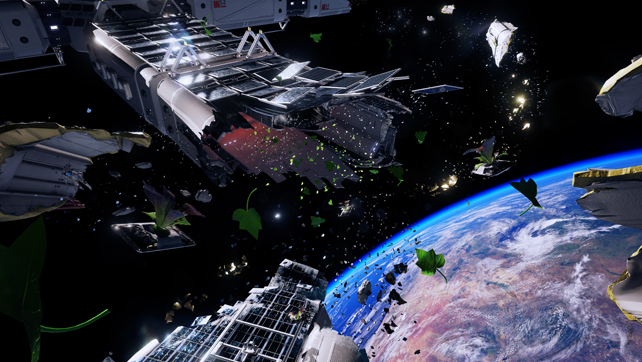 “Your goals are simple: to stay alive and get home. You accomplish that by floating though this destroyed space station atmosphere in zero gravity and repair your suit and the mainframe computers on the station in order to turn on the emergency escape vehicles.”
It’s also a game set in Zero G, which means you’re not limited to standing on a floor and being confined by walls.
The game was designed to be played in a single sitting. It’s not a 60 hour or $60 experience.
Although publisher 505 Games will release Adr1ft on Windows, Xbox One and PlayStation 4, Orth said the game has been designed from the ground up for virtual reality and will be playable on Oculus Rift, Sony Morpheus and the HTC Vive.
“We know we have something pretty special with this VR game,” Orth said. “It touches people in ways that the traditional game version doesn’t, and that was really unexpected for us. But we don’t know what the best Adr1ft virtual reality experience is yet. We’re still building that.
See the full story here: http://www.craveonline.com/gaming/articles/869095-adr1ft-showcases-potential-virtual-reality
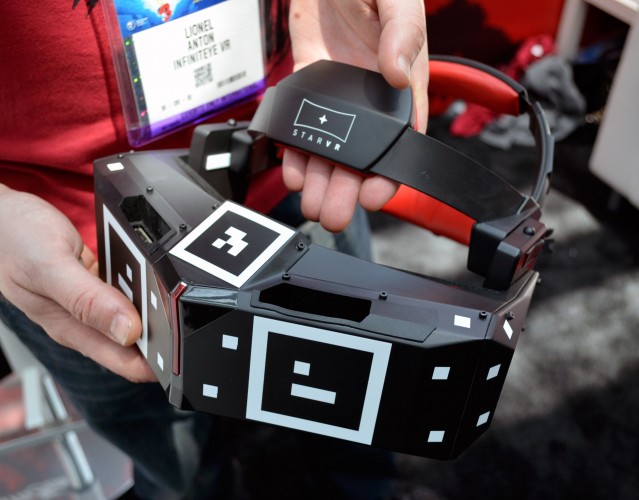 The bottom line is, StarVR is a hugely exciting prospect for anyone not satisfied by what some see as FOV compromises in the forthcoming wave of consumer headsets. Weight on this latest iteration has come down and ergonomics are much improved from what I saw of the very early protoype in 2013. The team continue to rapidly iterate through hardware revisions and by the time E3 2016 rolls around, I suspect StarVR will be a premium headset to aspire to. Starbreeze’s desire to tightly couple both hardware and software is a great approach and with ingenious, creative experiences like The Walking Dead, may offer content which goes beyond what the current generation of headsets will generally offer.
See the full story here: http://www.roadtovr.com/starvr-detailed-hands-on-big-field-of-view-even-bigger-potential/
 The technology, called OverLay, works inside a smartphone and essentially combines the camera and the sensor data to make sense of the surroundings in real time.
The uses for the technology extend beyond defense and surveillance,... Jain said that it could be beneficial for infrastructure management, museums, shopping and privacy.
Jain said that in the future, the technology could be deployed by the likes of Google and Amazon, but there are infrastructural, financial and legal obstacles to overcome before a public release of that scale. For the time being, they are working closely with the Illinois Distributed Museum to iron out issues and make mobile augmented reality accessible for a wider audience.
Read the full story here: http://phys.org/news/2015-06-advance-mobile-augmented-reality-technology.html
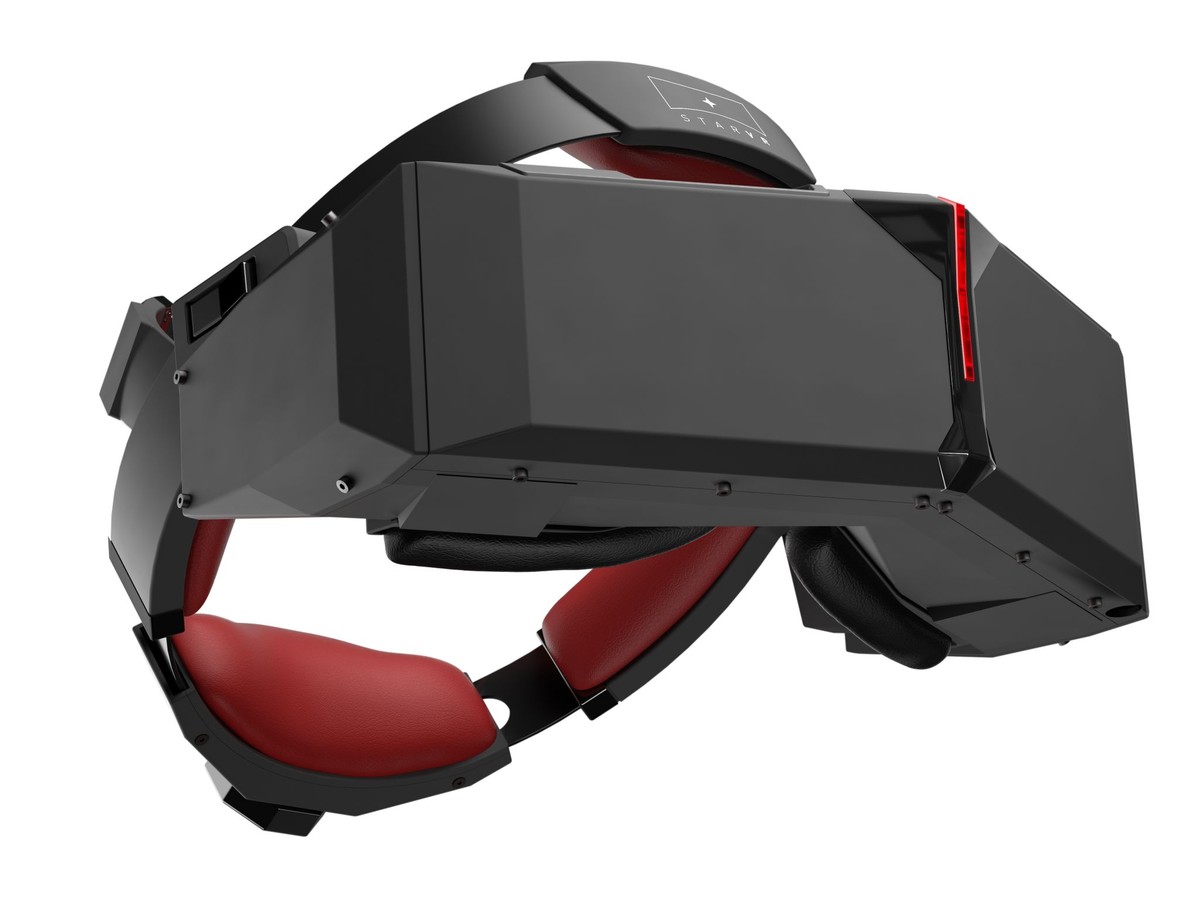 [Philip Lelyveld comment: Humans can see ~180. Infinity either offers 210 or 130 degree views. Their description doesn't make sense, and isn't cleared up by the video at the link.]
Star breeze Studios, the game developer, has acquired France-based virtual reality company InfinitEye Each display on the StarVR is 5.5 inches, with one for each eye. The result is a overall display resolution of 5120x1440 with a 210-degree horizontal view, and a 130-degree virtual view, as opposed to other VR headsets that have 100-degree views in both directions.
See the full story here: http://www.windowscentral.com/heres-starvr-dual-display-virtual-reality-headset-will-offer-210-degree-view
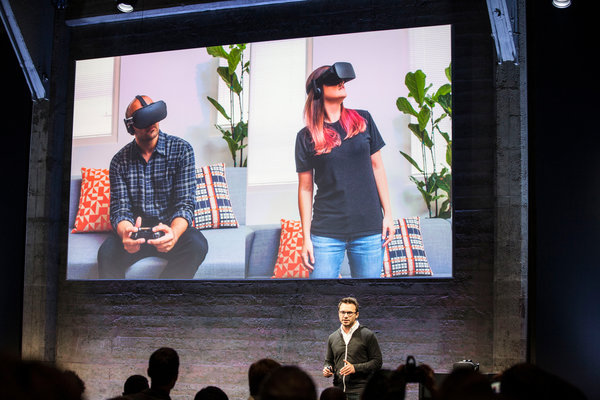 “When all of a sudden 10 avatars turn around and look at you, you know you should be quiet,” said Eric Romo, the chief executive of AltspaceVR, a Silicon Valley start-up that organizes the virtual movie gatherings and other virtual reality events.
Etiquette around social forms of virtual reality is already taking shape since this technology has the potential to turn some of the more noxious forms of online behavior into something far more menacing.
“We’re kind of at the Pong level of working with this,” said Chet Faliszek, who works on virtual reality at Valve, a game developer in Bellevue, Wash., referring to one of the earliest arcade video games to help popularize video gaming. “There’s so much more we’re discovering.”
At Valve, developers plan to minimize unwanted collisions with a feature that it calls a “chaperone” system.
The technology maps the terrain of a room: furniture, walls and all. When someone wearing a headset gets close to an object, a wireframe model of the room materializes in the virtual space in front of their eyes, fading as they move away.
But wearing a virtual reality headset in public could make someone a target for derision and, more seriously, theft.
A trickier challenge could be policing virtual reality games that are social in nature. Developers are buzzing over the possibilities of immersive virtual worlds in which people connect with each other. The potential for harassment, though, which is bad enough in conventional online video games, and other forms of abuse — especially in online settings that permit anonymity — are very real for virtual reality.
Mr. Bolas believes social virtual reality games will come up with “bounding boxes” — essentially, force fields that players can place around their avatars to keep others away.
See the full story here: http://www.nytimes.com/2015/06/15/business/virtual-reality-headsets-raise-very-real-concerns.html?_r=0
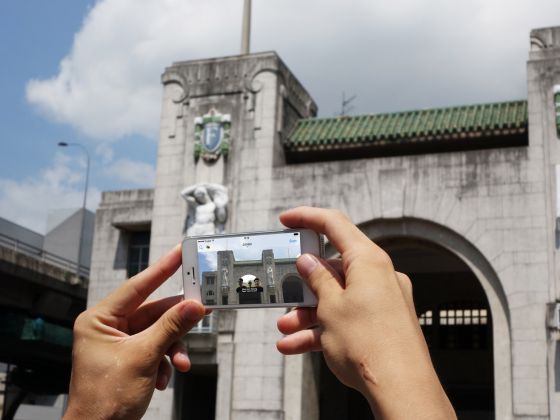 Called 15 Stations, it’s a project under the Singapore International Festival Of Arts’ pre-fest event The OPEN where visitors can explore the iconic place using an augmented reality app.