Sony showcases new high-res 4K TV tech by planting tiny adverts on Wimbledon tennis player
 Part of this year’s Wimbledon is being filmed for the first time in 4k Ultra HD, with Sony’s F55 35mm 4K and an NEX-FS700 camera providing up to four times greater resolution than that of standard HD. This means you should be able to see Keothavong sporting Sony ads on the hem of her skirt, shoelaces, fingernails and equipment.
See the full story here: http://thenextweb.com/media/2013/06/24/sony-showcases-its-new-high-res-4k-tv-tech-by-planting-tiny-adverts-on-wimbledon-tennis-player/
ESPN CTO: It’s Too Early to Make Big Bets on 4K TV
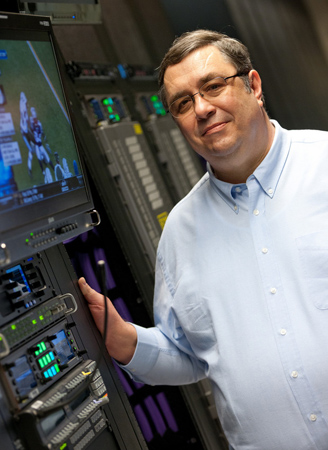 “Right now I have too many cogs between the two ends of this ecosystem. I’ve got a camera and I’ve got a TV set,” he said. “There’s still a lot of things to figure out before we can say we’re going to be playing in this space or not yet. We’re actively looking [at 4K], but I can’t tell you I have a date in mind.”
See the full story here: http://www.c2meworld.com/distributiondelivery/espn-cto-its-too-early-to-make-big-bets-on-4k-tv/
Silicon Beach’s Hidden Advantage: More Talent?
 According to recruiters, it's because Silicon Beach doesn't have the giant employee vacuum cleaners in the form of Google, Microsoft, Facebook, and many others, who apparently in recent years have made it very difficult to attract employees to startups.
That means--at least, according to the talk in the hallways--that Silicon Beach actually has a talent advantage over Silicon Valley, further bolstered by the fact that non-engineering skills--particularly in the area of graphics and web design skills and business development--have become so just as important as pure technical skills in making a company successful.
Read the full story here: http://www.socaltech.com/silicon_beach_s_hidden_advantage_more_talent_/s-0049943.html
Technicolor’s Color Certified Program ensures consistency across displays (video)
[Philip Lelyveld comment: Beyond see the real color of the object you are buying, a driver of this program is to deliver the 'director's original intent' to people watching movies and TV shows. There may someday even be a 'directors' setting on your display.]
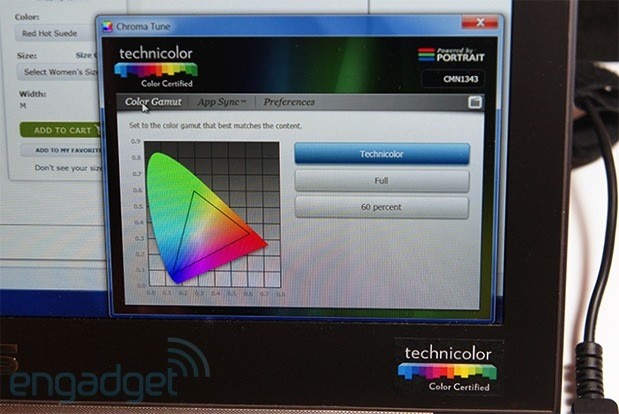
There's THX certification for TVs, ensuring potential buyers that they'll get solid home-theater visuals, so why shouldn't there be an equivalent for your gadgets' displays? Technicolor, along with software company Portrait Displays, is stepping up to the plate with a new standard for guaranteeing hue quality across PC and mobile panels. The Technicolor Color Certified Program will award screens that meet its requirements with a seal -- or logo, as it were -- of approval. What are the qualifications, you ask? Technicolor's spec is based on software from Portrait Displays, which works with OEMs to fine-tune screens for color accuracy. For the end user, the result should be consistent tones across all certified devices either automatically or when the Technicolor color setting is enabled for specific programs or apps. Head past the break for our eyes-on impressions.
Read the full story here: http://www.engadget.com/2013/06/12/technicolor-color-certified-program/
E3 Entertainment Technology Highlights
By Philip Lelyveld
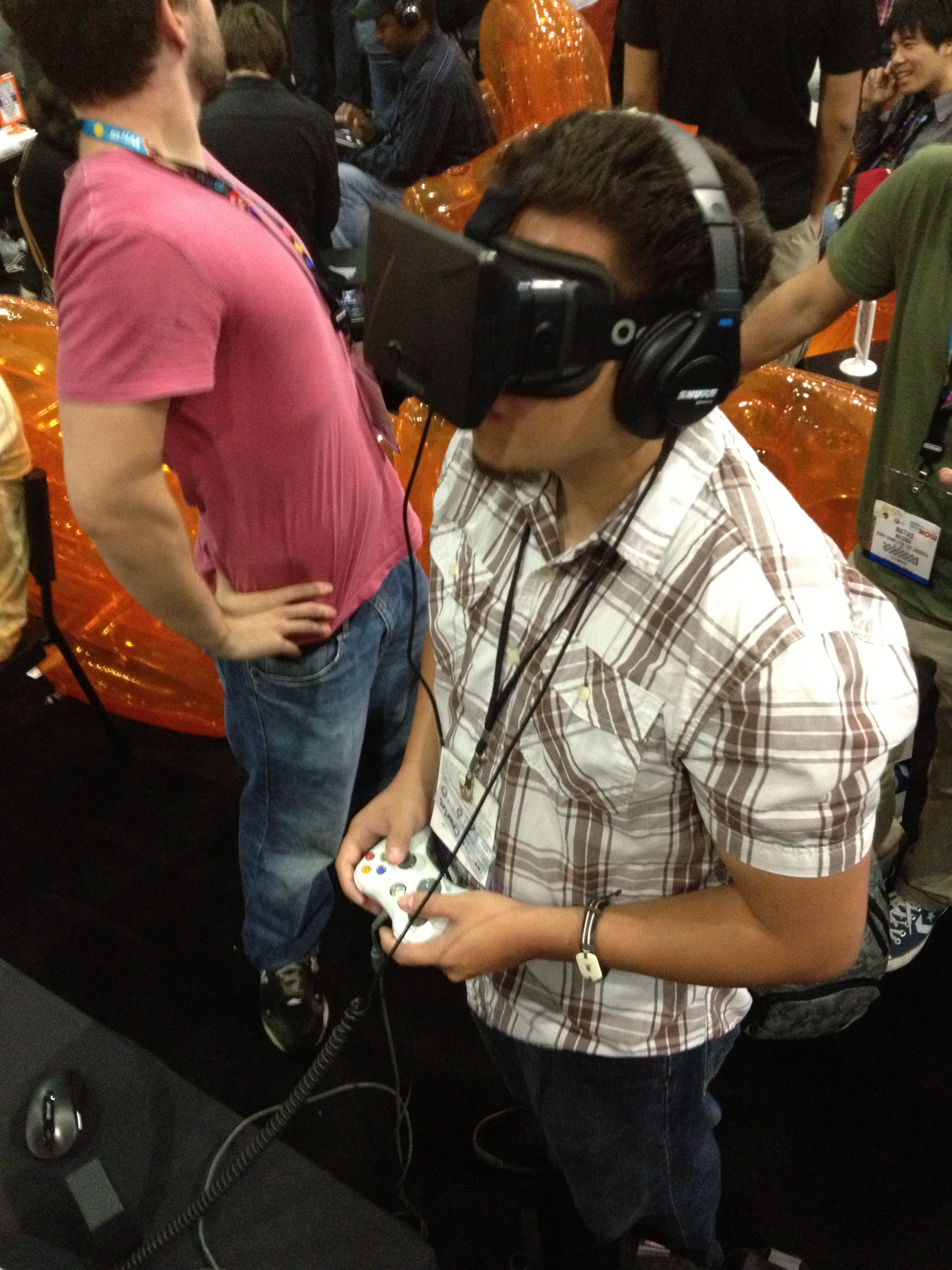 The Oculus Rift fully immersive head mounted display was being demo'd with 3D games. In one game, trees attack you if you are not looking at them. This highlights the Oculus Rift's competitive strength of low latency. You can turn your head quickly and the image tracks with the motion sufficiently to not make you disoriented.
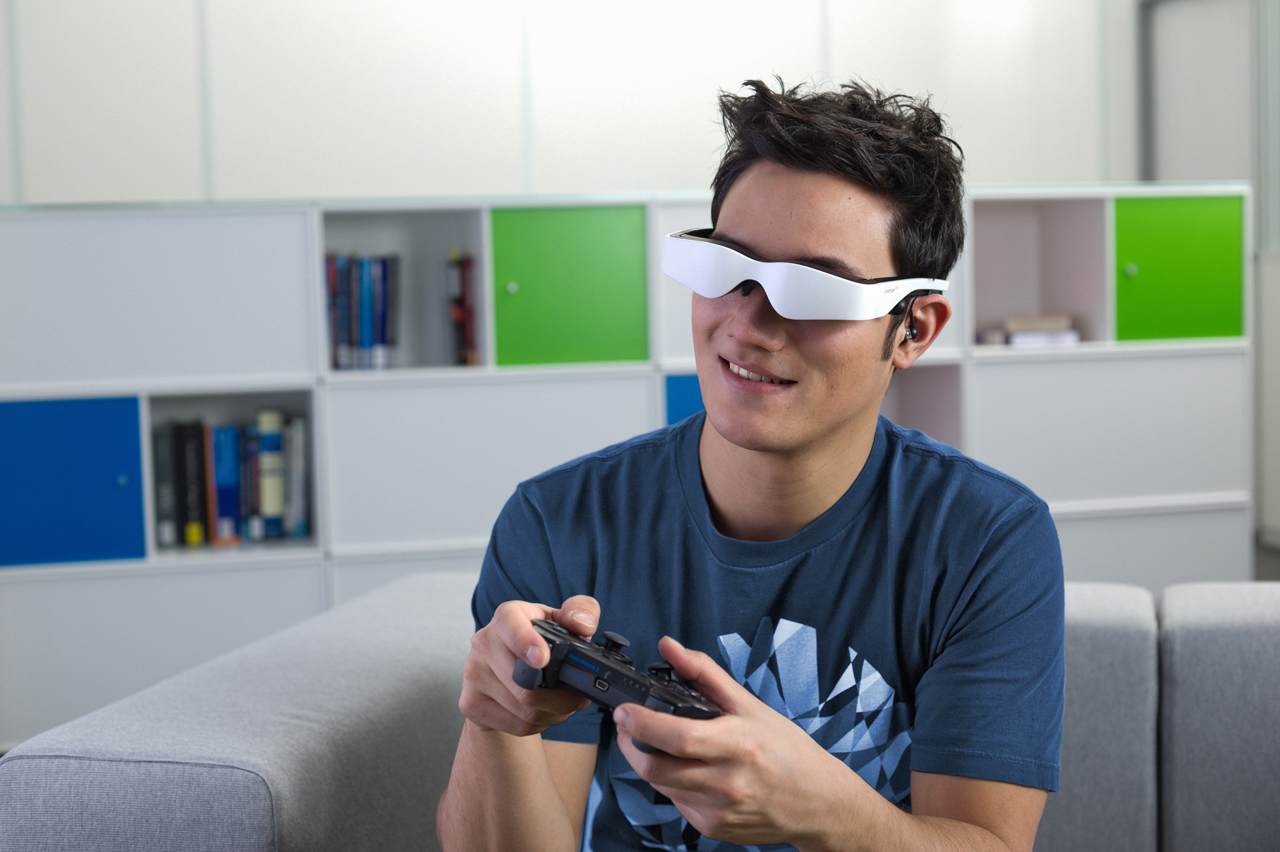 Zeiss was showing their latest version of the Cinemizer head mounted display. It uses a pair of 800X500 resolution OLED displays. The images look great. The glasses are easy to focus. The demo game responded well to rapid head movement. However, at a price point in the neighborhood of $700 - twice the price that Oculus Rift currently targets, a much narrower field of view, and without the Oculus Rift's community of developers creating games and applications, Zeiss faces an uphill battle marketing this hardware even though it can be used with many existing games as a peripheral device.
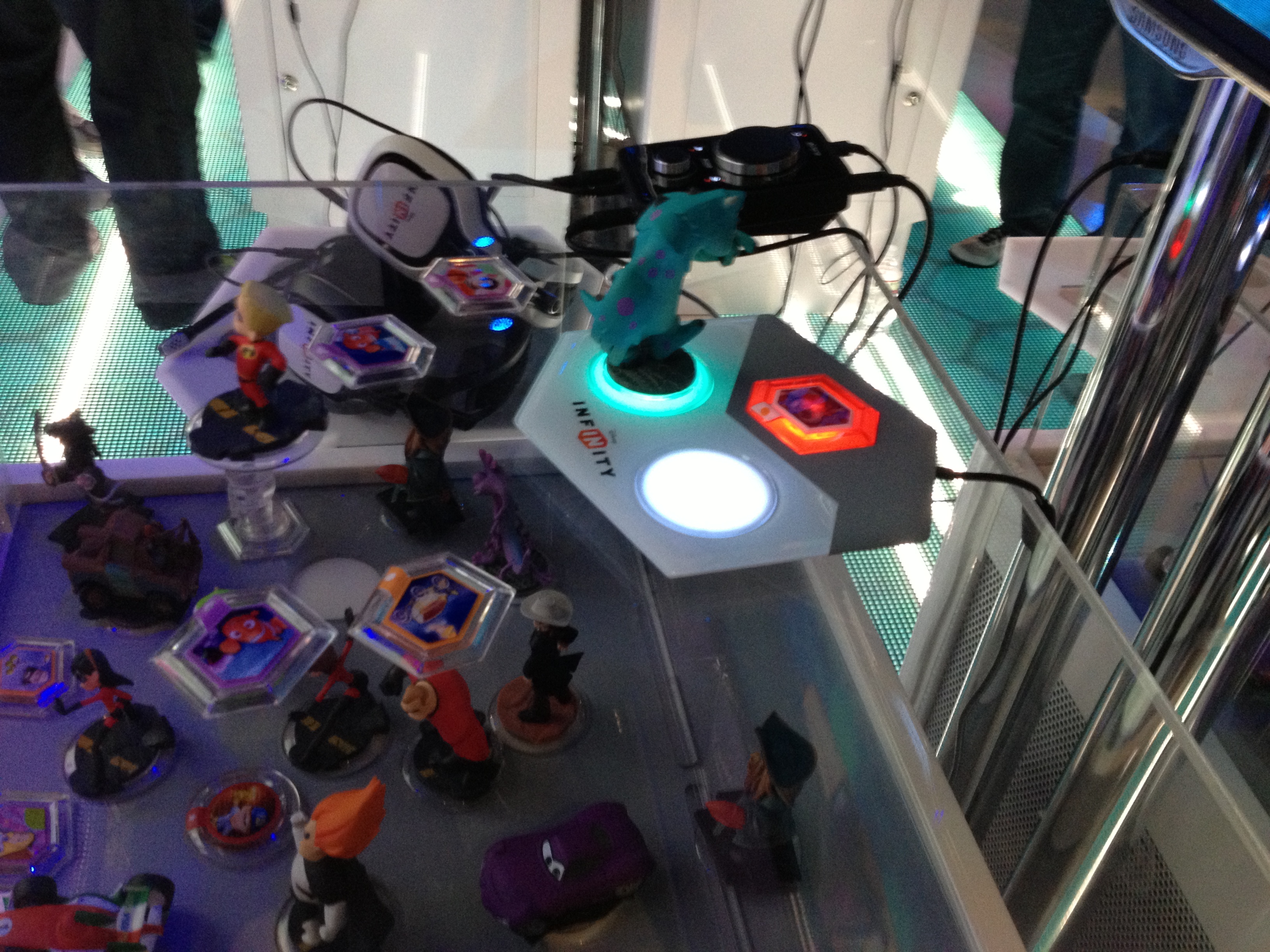
The Disney Infinity game environment integrates physical collectables with online creativity and gameplace. Kids can buy 3 kinds of objects, character action figures, power discs, and play set hexagons. Each object has an RF tag in it. When placed on the game pad, they activate the characters, powers, and play sets (ex. vehicles) in the game. Up to four kids can play at once in this child-safe walled garden online environment. A major selling point is that aside from normal gameplay, the gamers can build and manipulate the world and game that they are in. With the flip of a play set hexagon, one player can change the nature of the world for all the other players in their group. And like an organic tetras game, each person can change out objects and topography around the other players.
App Annie wants to be the Neilsen business intelligence source for the App community. Using proprietary resources and algorithms, they can provide market research data by type of App, individual App title, geographic region, and other parameters. (www.appannie.com/evolution)