Virtual reality is about to completely transform psychological therapy
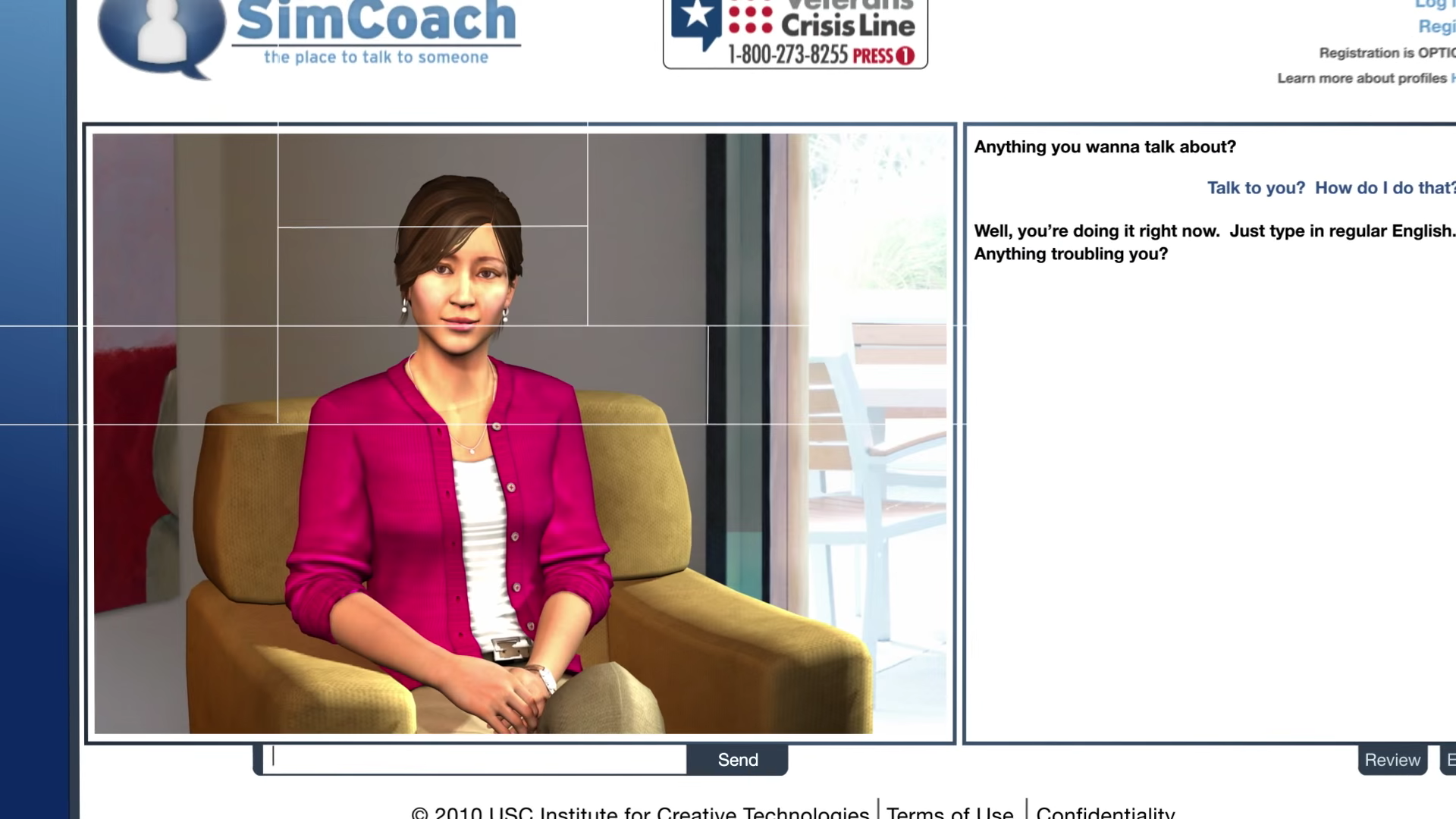 Even though virtual reality itself is still a hard-to-grasp idea for most people who have not experienced it, the clinical use for VR as therapy has been generating a "rich scientific literature" for the past 20 years, according to Dr. Albert "Skip" Rizzo of the University of Southern California's Institute for Creative Technologies (where Oculus Rift creator Palmer Luckey previously worked on VR).
The development of commercial VR means that headsets will be widely available, which should open up access to these already-developed therapies for new patients all over.
Still, Rizzo says that doesn't mean that people should start thinking they can just treat themselves for any sort of psychiatric condition.
"I think there are a lot of areas where with some clinician support we can amplify the effects of therapy by having self-administered VR," he tells TI, but "some forms of treatment really do require the guidance and diagnostic skill of a clinician."
See the full story here: http://www.techinsider.io/how-virtual-reality-is-used-for-ptsd-and-anxiety-therapy-2016-1?curator=MediaREDEF