Sky sets up in-house studio for virtual reality content
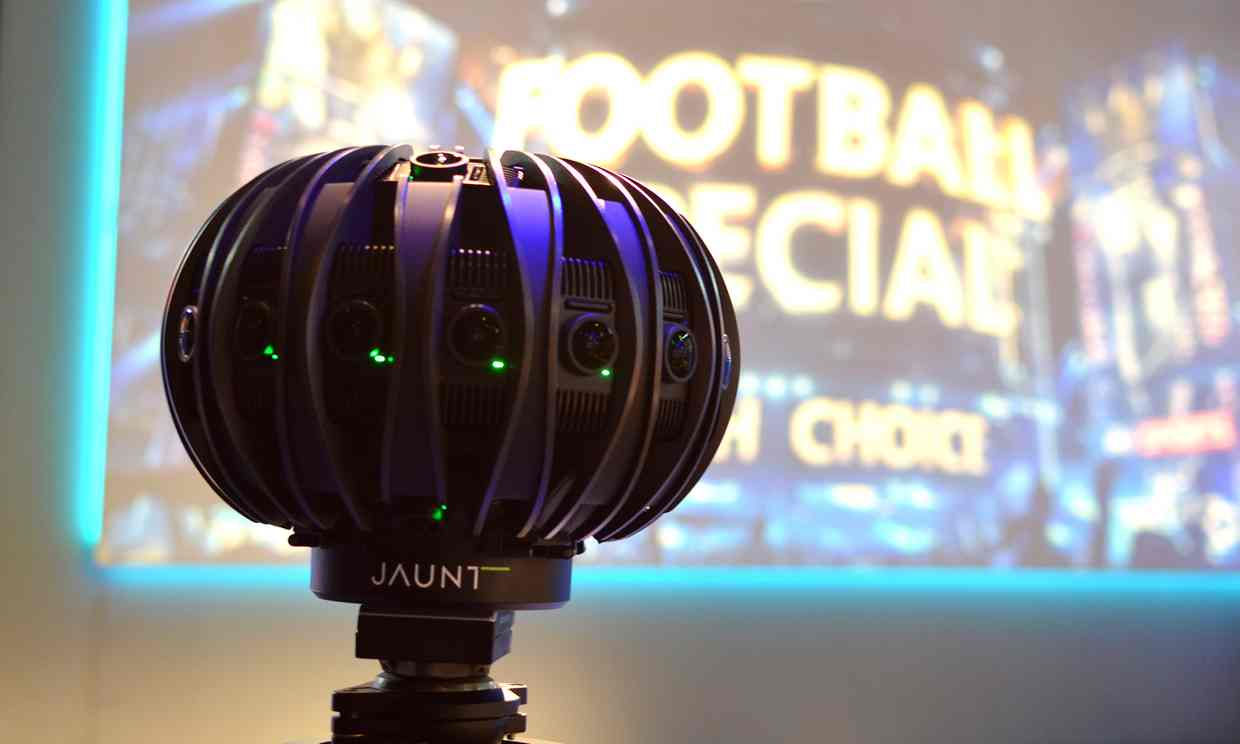 Sky’s move into VR content is a major step for a traditional broadcaster and could be crucial in pushing the adoption of the nascent technology beyond gamers.
The head of Sky VR Studio, Neil Graham, said: “Why now? The platforms are now ready to make this stuff happen and to test the boundaries of what is possible.”
 VR could provide that element of sport, if people are willing to don a headset and headphones, which is still a big if.
Nockles said: “Is 2016 the year of VR? Probably not. But it will gain greater recognition this year, meaning 2018 is likely to be the year of VR. When the gear is lighter and smaller and the experiments are over, allowing the story writers to come in.”
There is also the problem of delivering live sport VR broadcasts, which no one has tackled yet. It’s not simply a case of delivering twice as much data to two screens instead of one (one for each eye). VR requires a 360-degree view on two screens, which requires a significant amount of bandwidth.
See the full story here: http://www.theguardian.com/technology/2016/mar/17/sky-sets-up-in-house-studio-virtual-reality-content