The Sacramento Kings’ New Stadium Is Wired for Virtual Reality
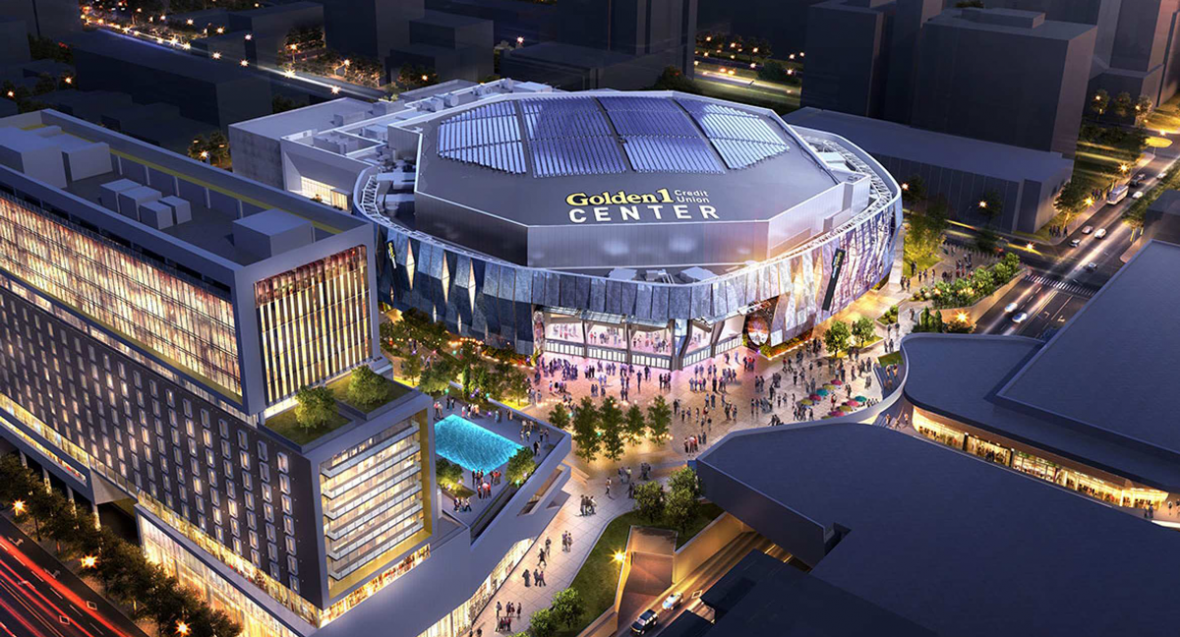 There aren’t firm plans for exactly when virtual reality headsets or mobile VR viewers might be tested in the stands. Jacobs says that the technology will inevitably be part of the future of sports, so it made sense to create the necessary network infrastructure now.
One use case would be to offer instant replays using virtual reality to give fans relatively far from the action an up-close experience. In the long term, Jacobs says, some fans may even prefer to pay for a seat in a movie theater-like space inside a stadium with high-end VR headsets rather than a conventional seat with a poor view.
“They'd still be there to feel the roar of the crowd and be part of it but be watching in a slightly different way,” he says.
The Kings have invested in virtual reality video startup Voke. The team has also experimented with streaming action from the court to virtual-reality headsets outside the stadium. In 2015, a game against the Los Angeles Clippers was viewed by people at a school in Mumbai, India, a model Jacobs predicts could become common.
“There’s only a finite number of courtside seats,” he says. “If you can export 80 percent of that experience to people sitting in their homes, that could be a real market that doesn’t exist today.”
See the full story here: https://www.technologyreview.com/s/601716/the-sacramento-kings-new-stadium-is-wired-for-virtual-reality/